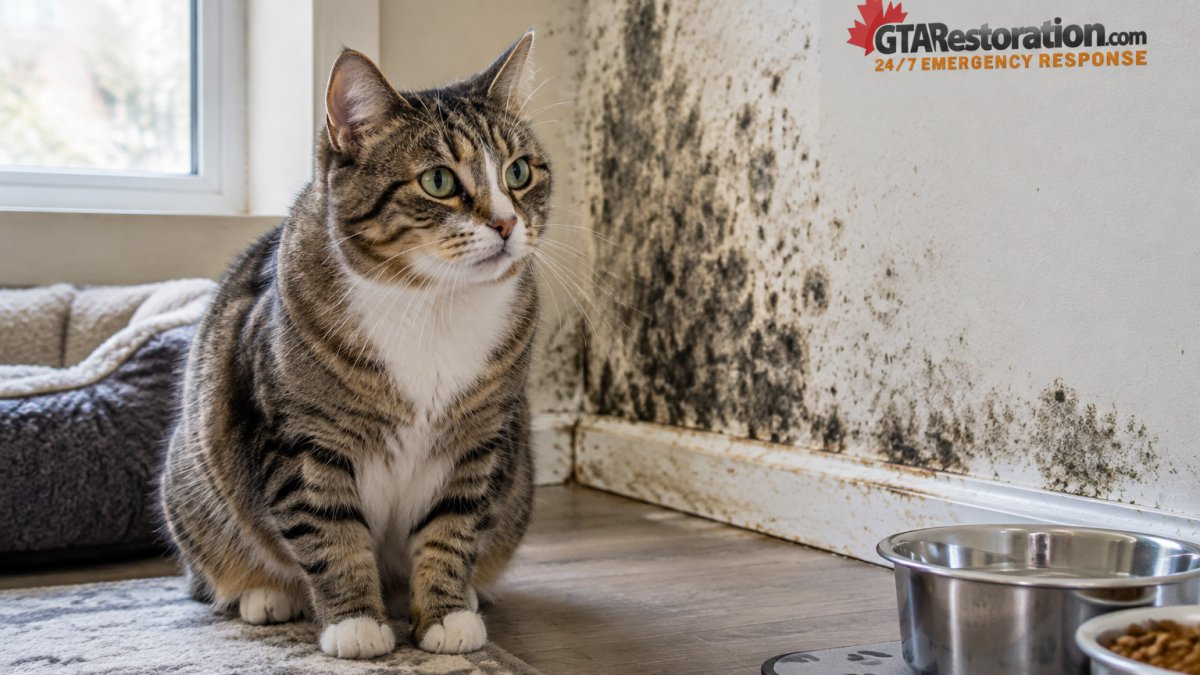
Mold Exposure Symptoms in Cats: What to Watch For
Mold exposure in cats can cause coughing, sneezing, itching and lethargy. Learn which signs need a vet visit and how to protect your cat.


Emergency? 24-Hours
416-800-0000These restoration articles bring together information about property damage, cleanup and ongoing property care. Explore the topics below to learn about common concerns and prepare questions for a professional assessment.
Some articles focus on preventing damage, while others explain what may happen during cleanup and repairs. Start with the subject that matches your situation, then explore the related restoration articles for more detail.
Every property is different, so an article cannot establish the condition of your building. For more topics, visit our restoration resource library. If you need help with an active problem, explain what you have noticed when contacting our team.
63 resources in this category.
Mold exposure in cats can cause coughing, sneezing, itching and lethargy. Learn which signs need a vet visit and how to protect your cat.

Spot mold exposure symptoms in pets early, from coughing to itchy skin. Learn the species differences and exactly when to call your vet.
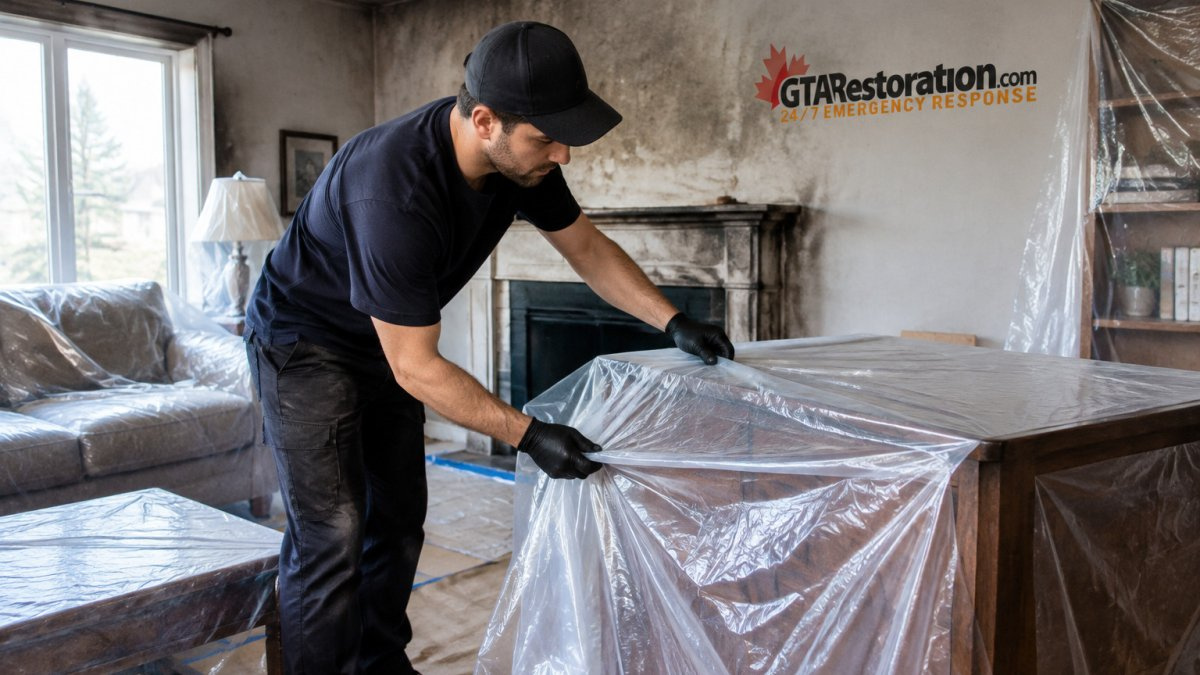
Protect your furniture from smoke cleanup damage before you start: learn how to move, cover and clean each piece safely and in the right order.
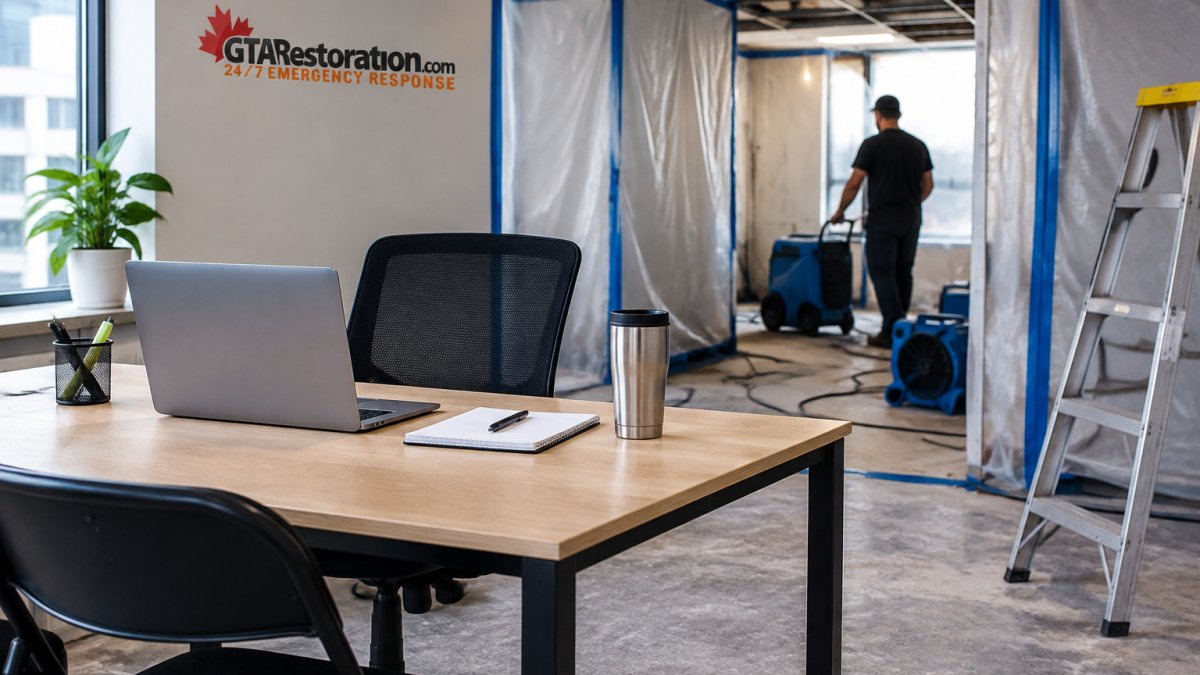
Temporary workspace during office repairs keeps teams productive. Learn how to set one up, what to include, and how to plan the timeline.
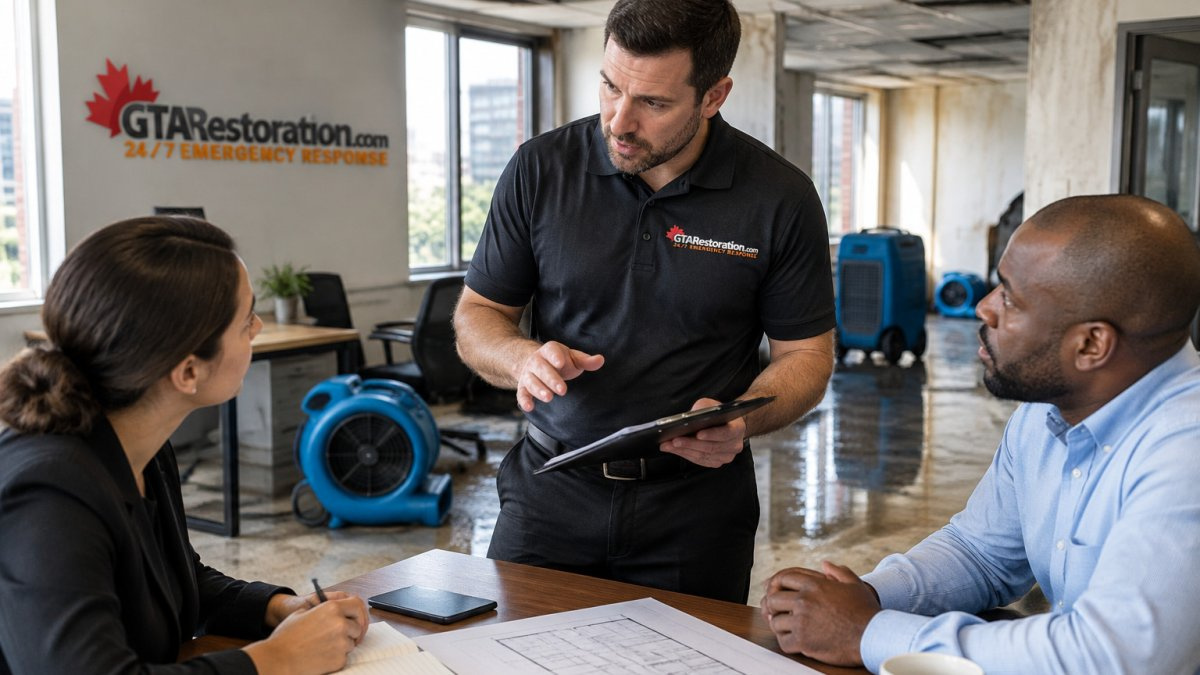
Office restoration communication plans keep staff informed, safe, and up to date while repairs run, so you can plan around every phase.

Learn how to schedule office restoration work in phases, plan around staff, and keep your business running during repairs in the GTA.

Learn how phased office restoration planning keeps your business running during repairs, from sequencing work to protecting continuity and budget.

Learn how professionals test for hidden soot after a fire, from visual checks and surface sampling to lab analysis and when to call a restoration team.
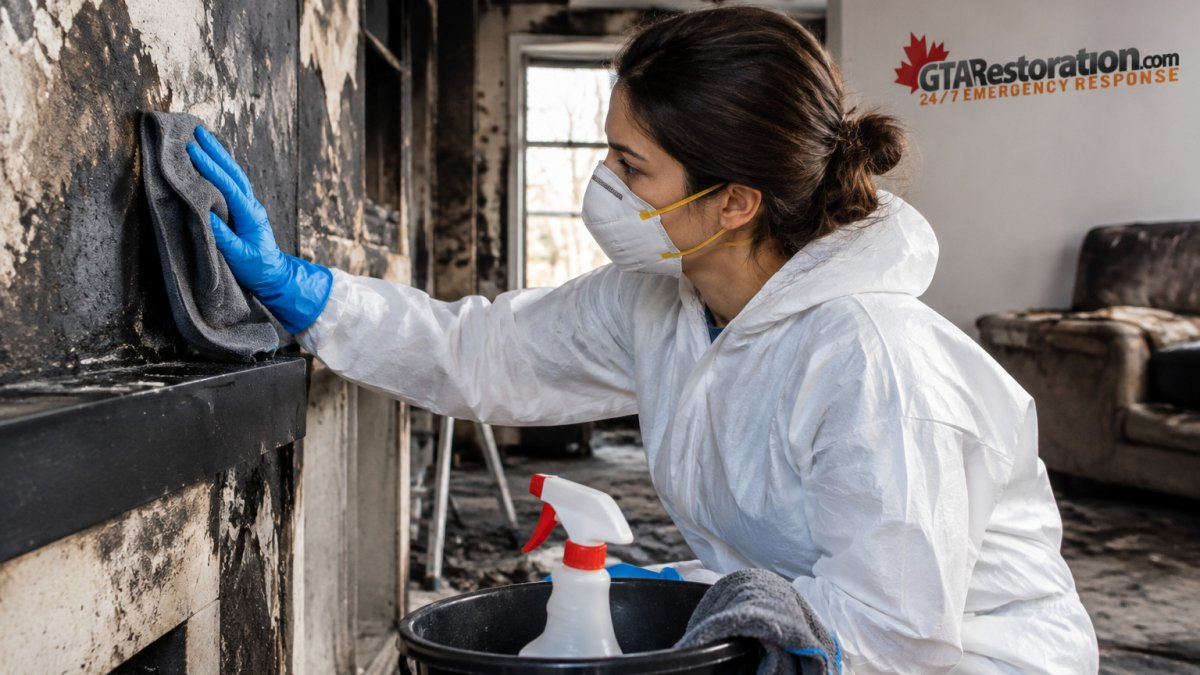
Learn how fire residue cleaning differs for walls, glass, metal, floors and upholstery, and which steps to avoid before cleaning soot yourself.
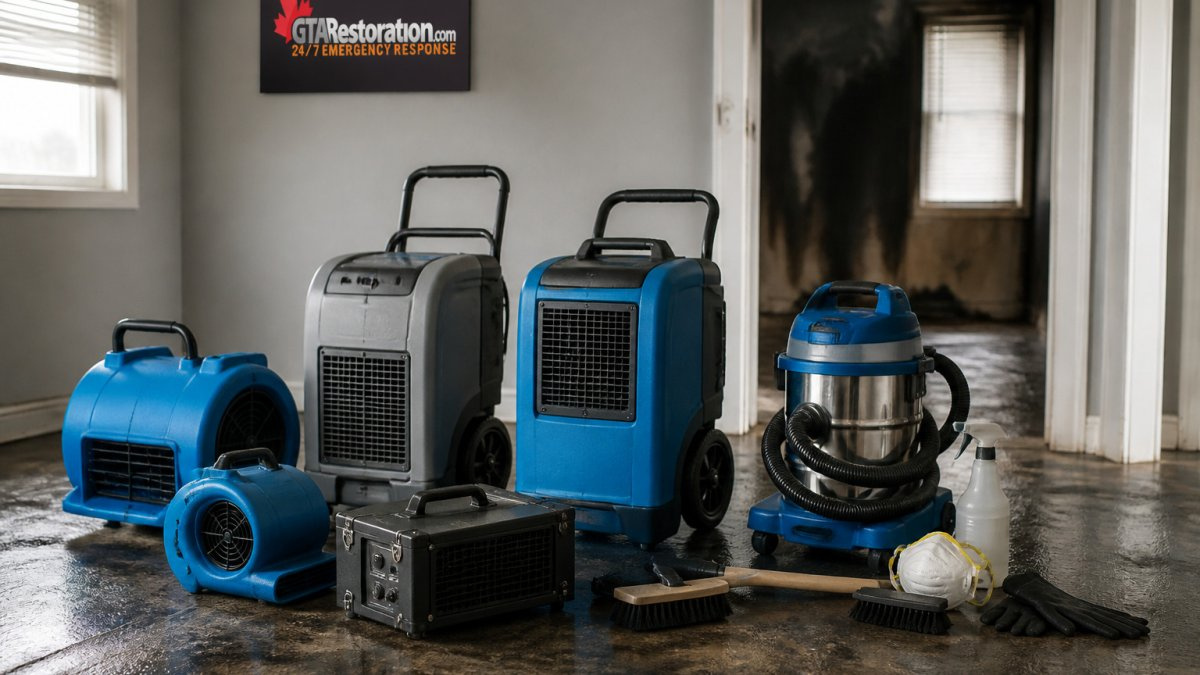
Smoke damage cleaning equipment helps you remove soot and odour from walls, ducts and contents. Find out which one fits your job.

A water damage preparedness plan helps retail businesses protect inventory, staff, and operations. Learn what to include and how to respond fast.

Smoke residue can corrode electronics after a fire, so cleaning smoke residue from electronics within 48 to 72 hours helps limit damage.

Learn how smoke damage cleaning for HVAC systems works, from turning off power to replacing filters and checking air ducts after a fire.
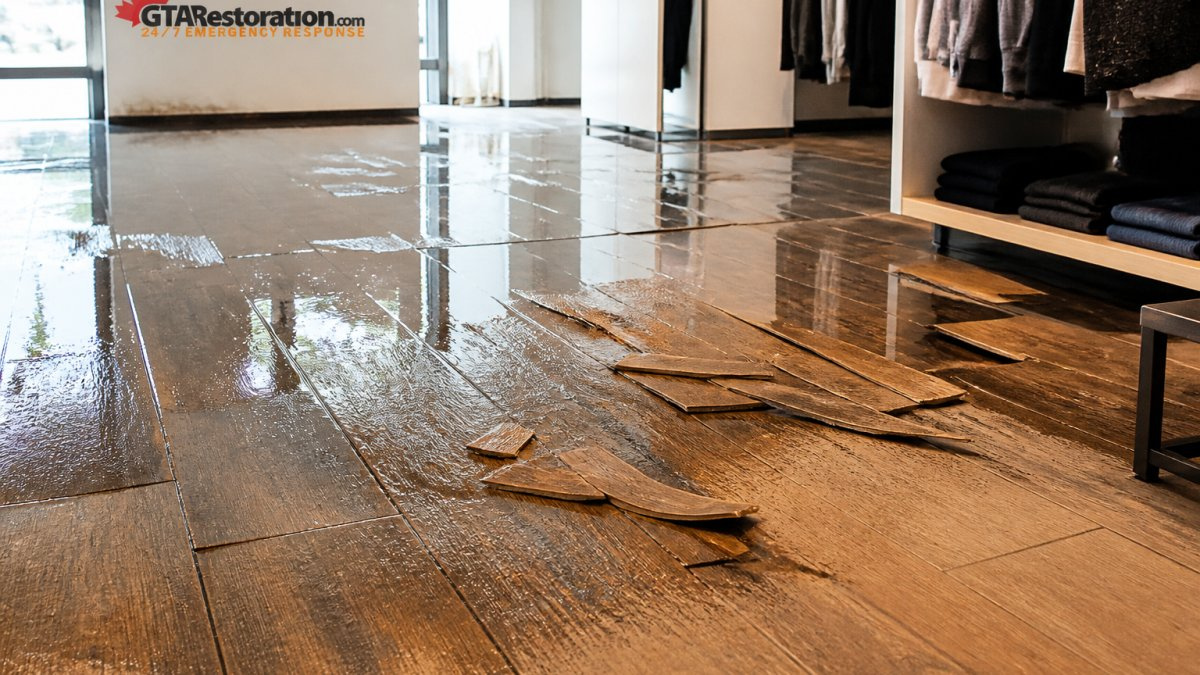
Retail flooring replacement after flooding depends on water type, timing and subfloor damage. Learn how to assess, choose options and plan the work.

Ask these 7 questions of any commercial water damage contractor to check credentials, estimates, timelines and insurance before you hire.

Compare commercial water leak detection systems by sensor type, shutoff valves and upkeep. Learn how to choose the right setup for your building.

Air scrubber vs dehumidifier after smoke damage: learn what each machine does, when to run both, and how long to run an air scrubber.
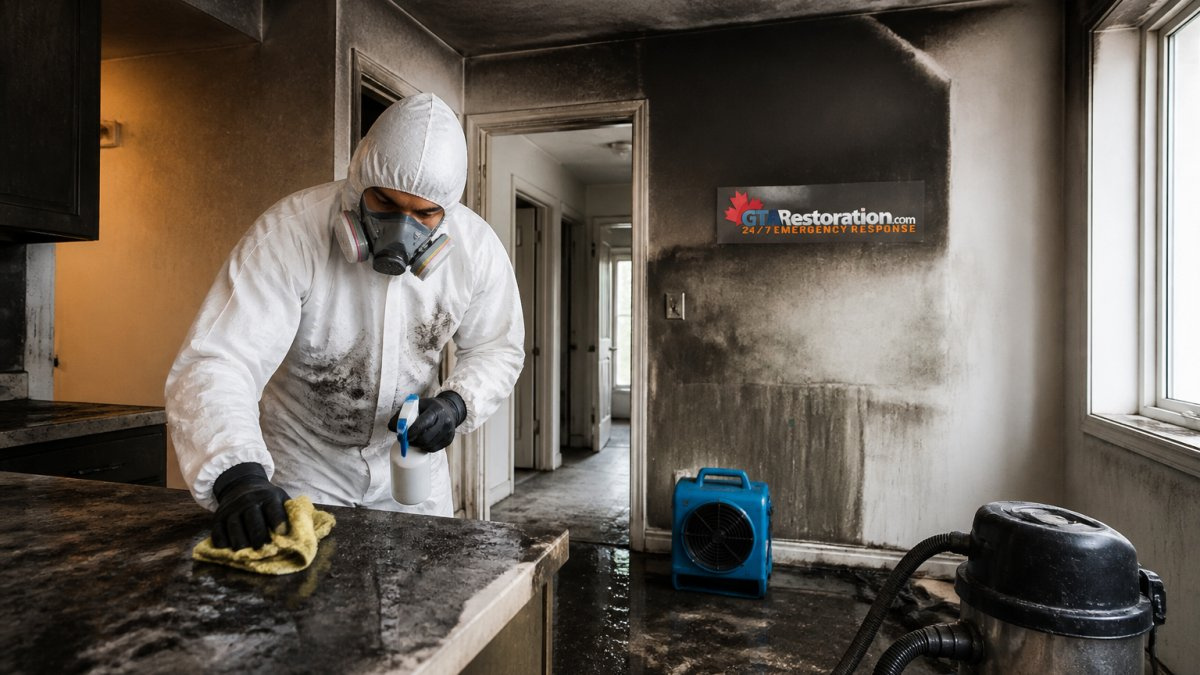
See how the professional smoke damage cleaning process works, from inspection to soot removal, deodorization and final verification.
Need help with a property concern? Contact GTA Restoration at 1-800-506-6048 to discuss your enquiry.





Call Us 416-800-0000
