...

Mould Inspection Testing Toronto | Mold Assessment Services

Toronto disinfection services icon showing a worker with a sprayer

Mould Inspection Testing Toronto

GTA Restoration provides mould inspection testing Toronto services for homes, condos, rental properties, and businesses throughout Toronto and the GTA.

We check for visible mould, excess moisture, previous water damage, leaks, and conditions that may allow mould to return. When needed, our team can also help with removal and moisture control. As a result, property owners can address both the mould concern and the moisture behind it.

Call 416-800-0000

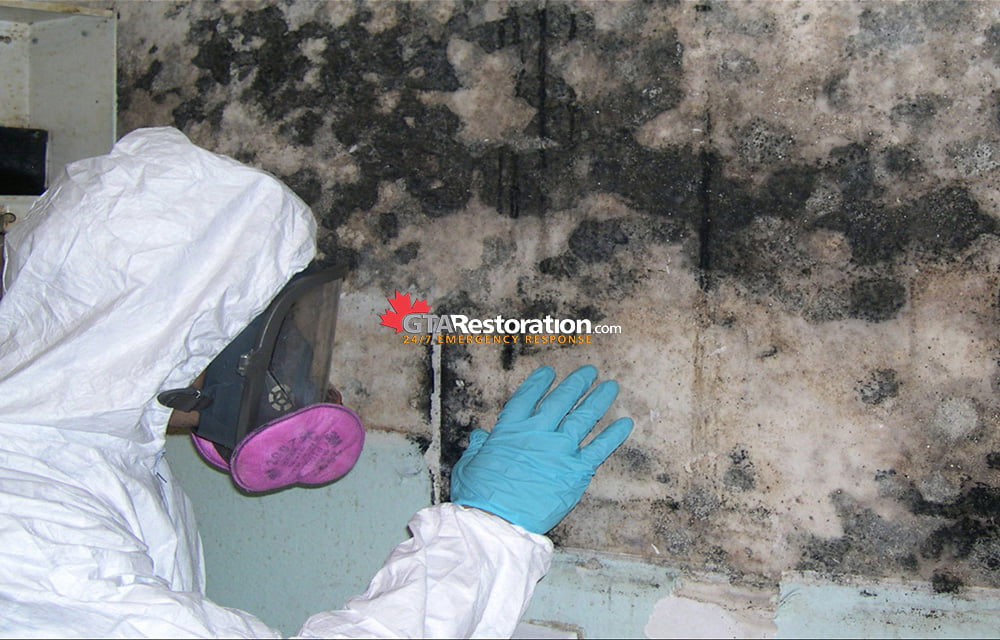
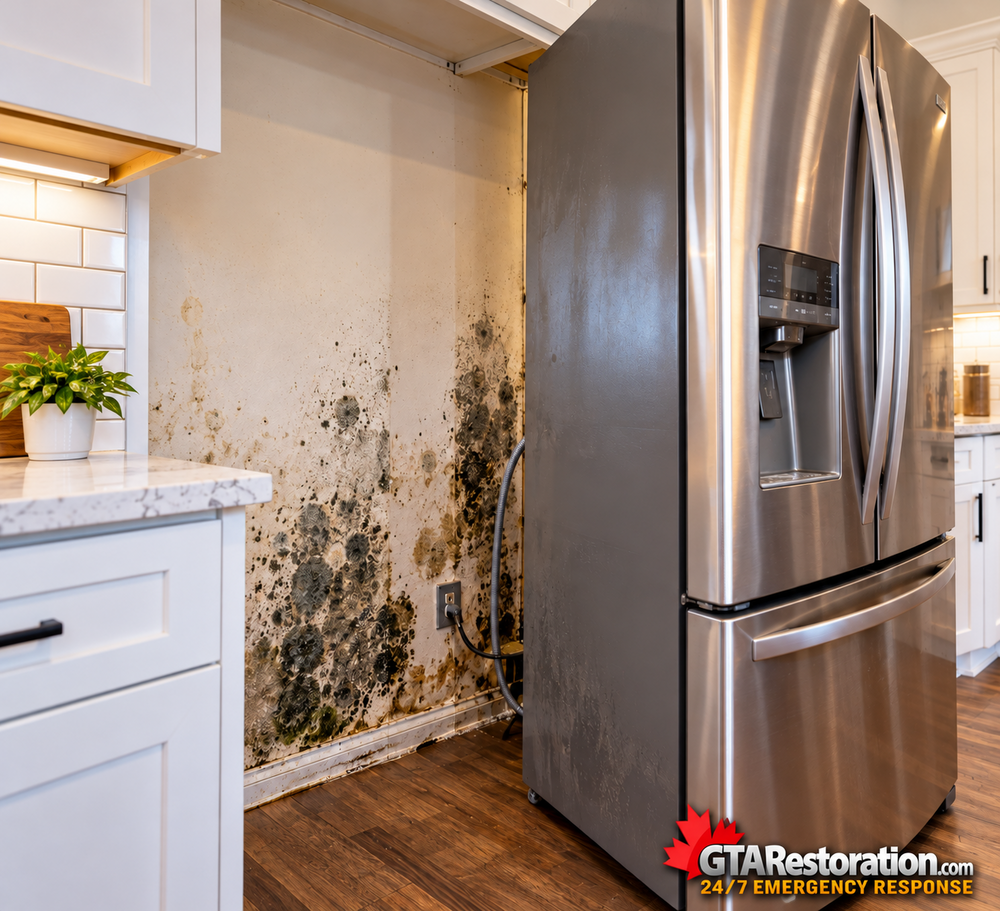
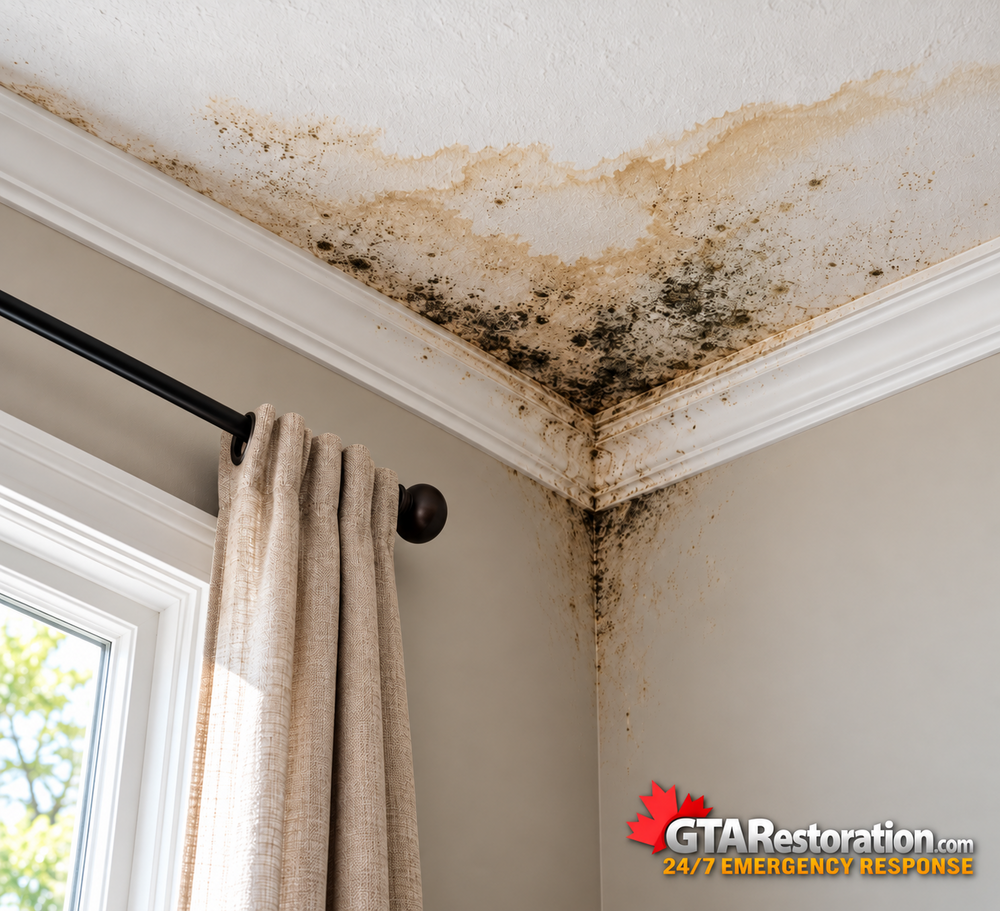
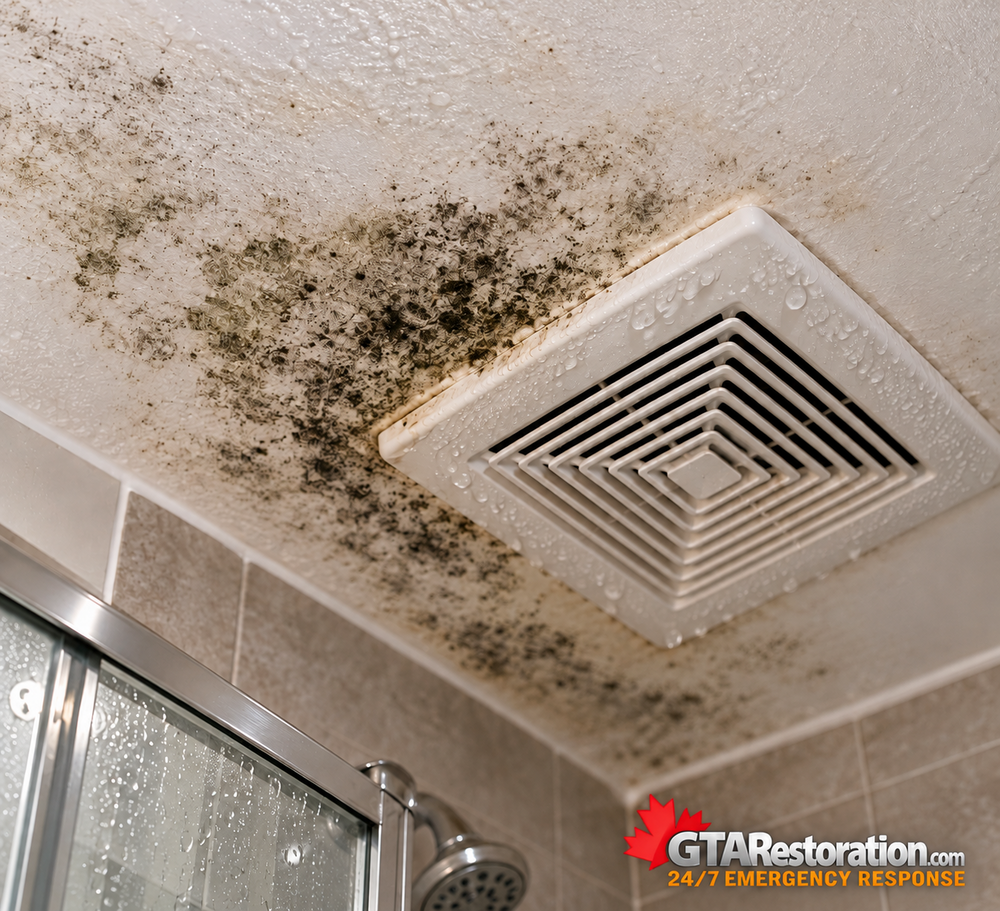
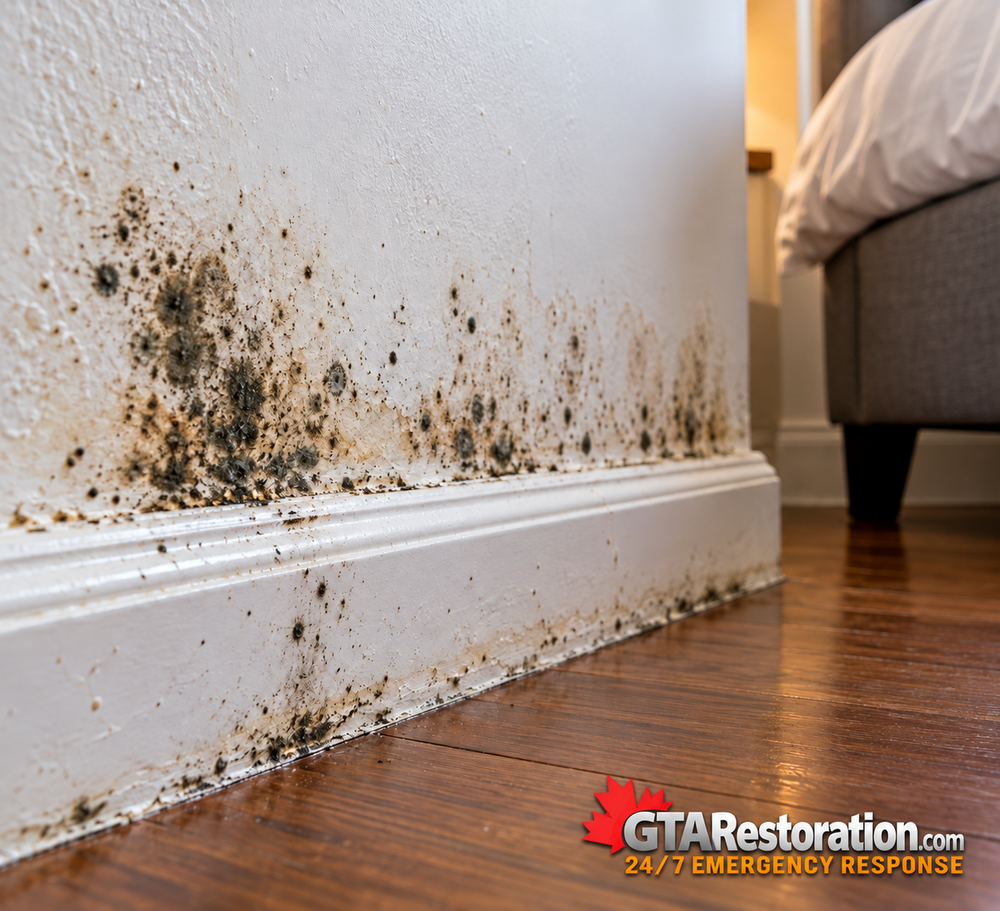
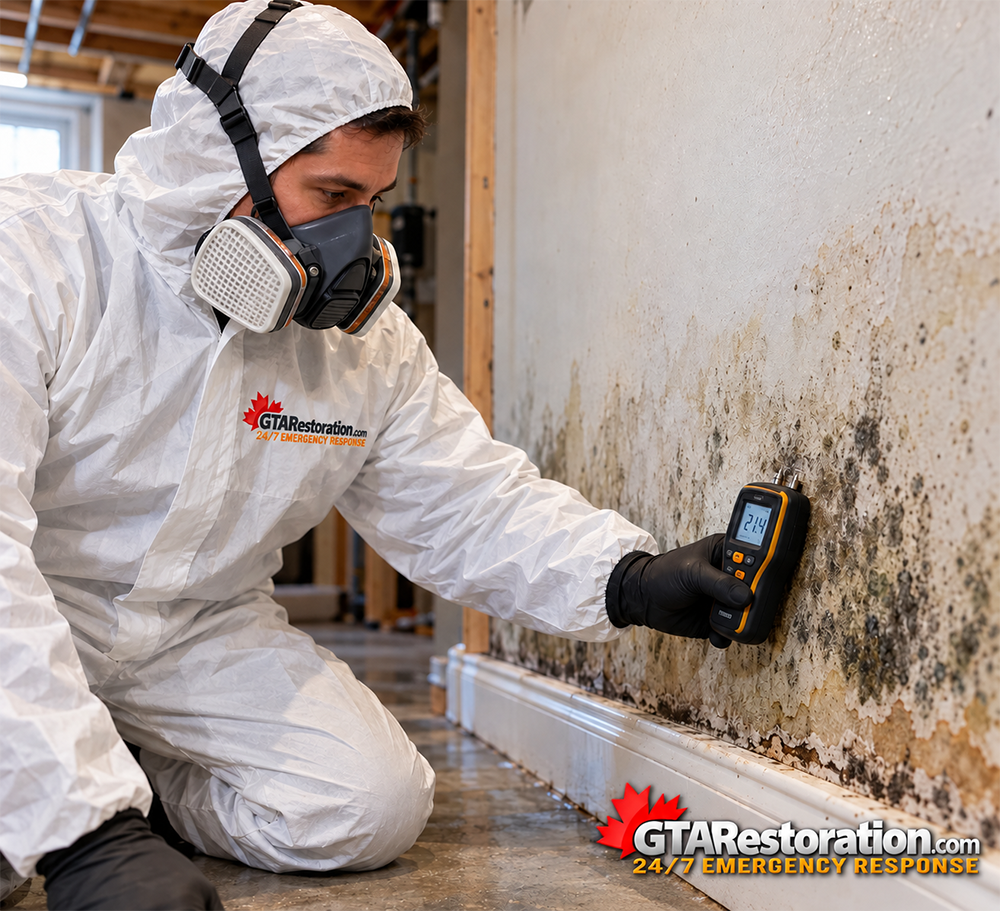
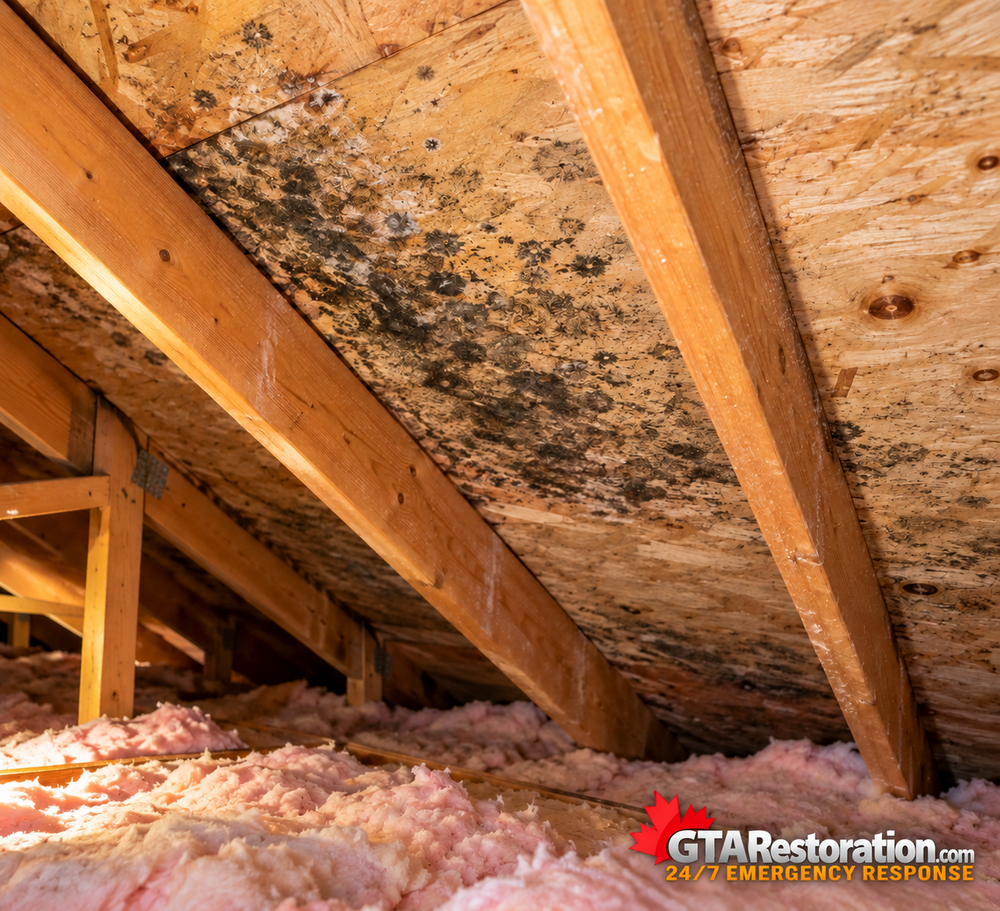
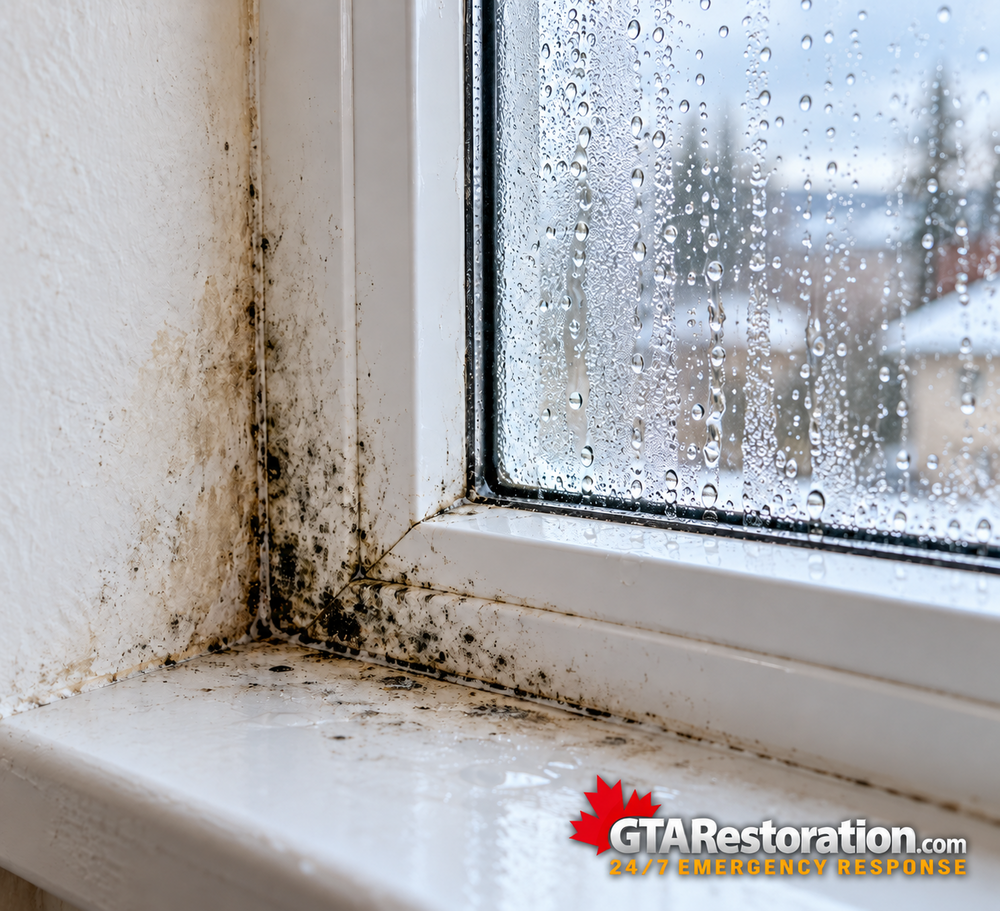
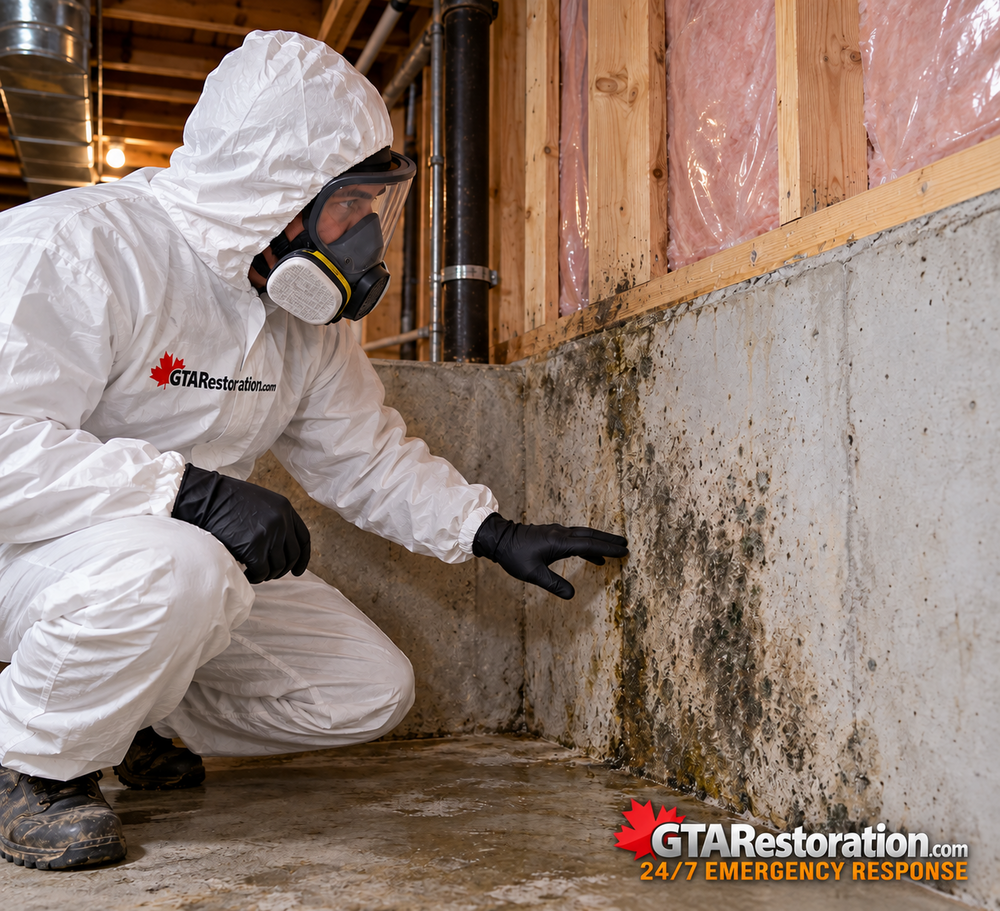
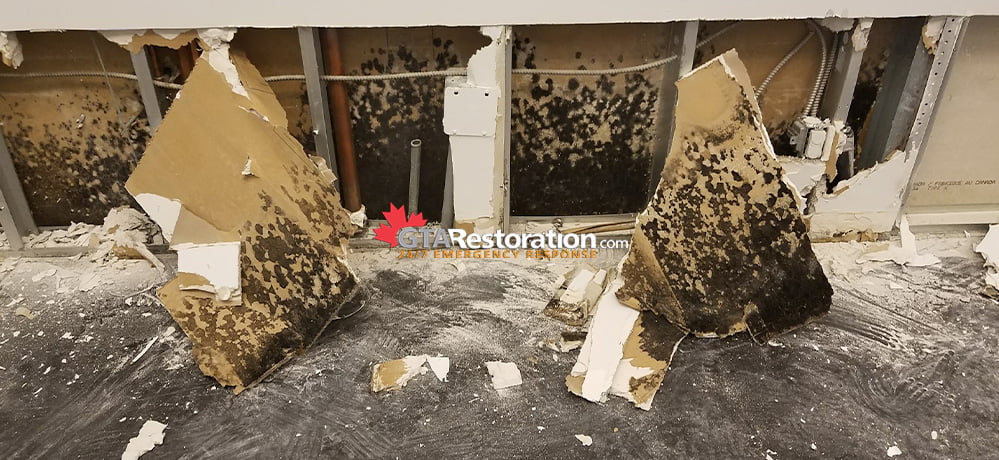
Visible mold growth on building materials during an inspection

Mold Inspection Toronto: What We Check

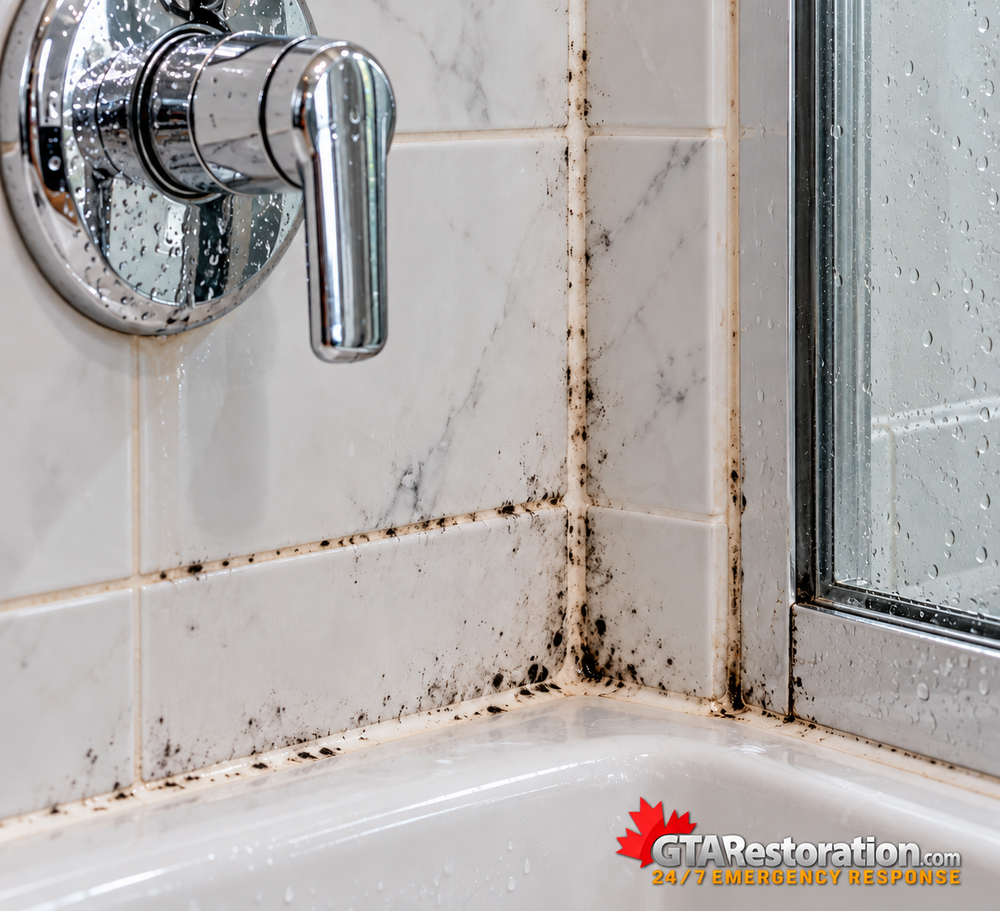
A mold inspection looks for both visible growth and the moisture conditions behind the problem. Therefore, we check areas with staining, leaks, condensation, high humidity, or past water damage.

Moisture meters can help locate damp materials. In addition, thermal imaging may show unusual temperature patterns that deserve a closer moisture check. However, thermal imaging does not measure moisture directly.

Common Reasons for a Mould Inspection

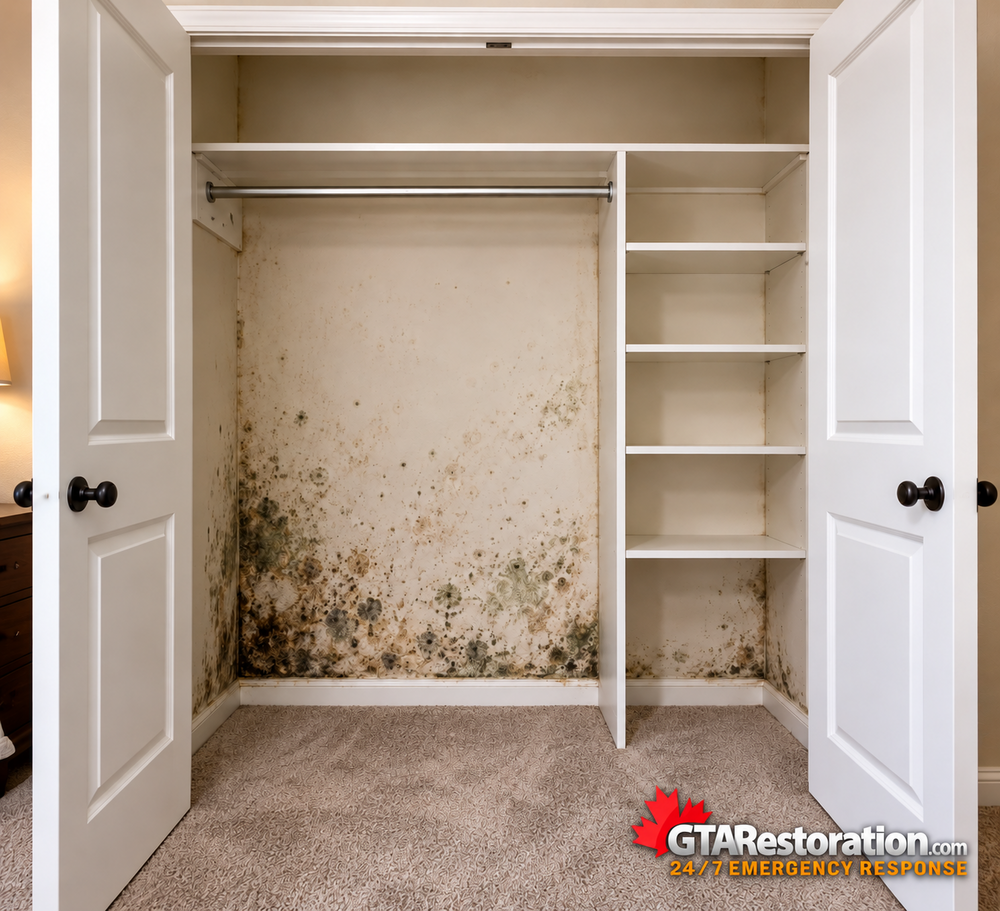
  • Visible mould or unusual staining
  • Persistent musty odours
  • Past flooding or water damage
  • Recurring plumbing or roof leaks
  • Damp walls, ceilings, or flooring
  • Mould that returns after cleaning

If a leak or flood caused the problem, our water damage restoration services can also help with extraction, drying, and moisture control. This way, the source of the moisture and the resulting damage can be addressed together.

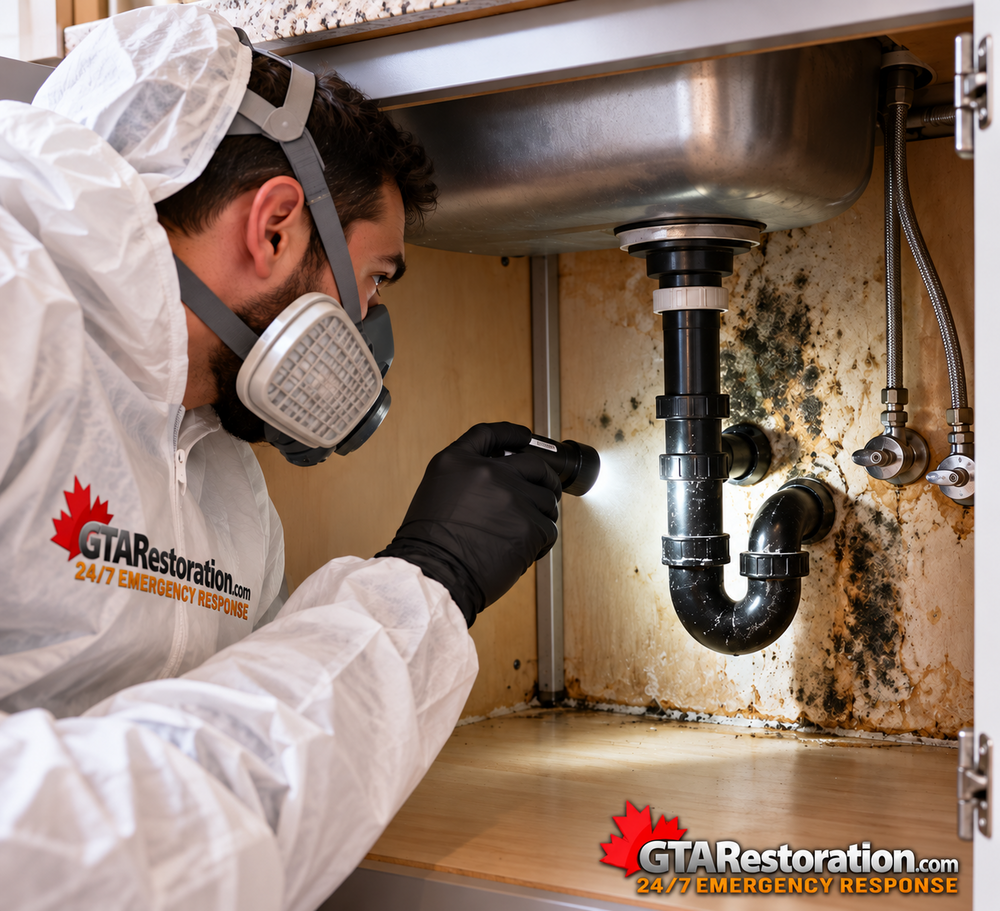
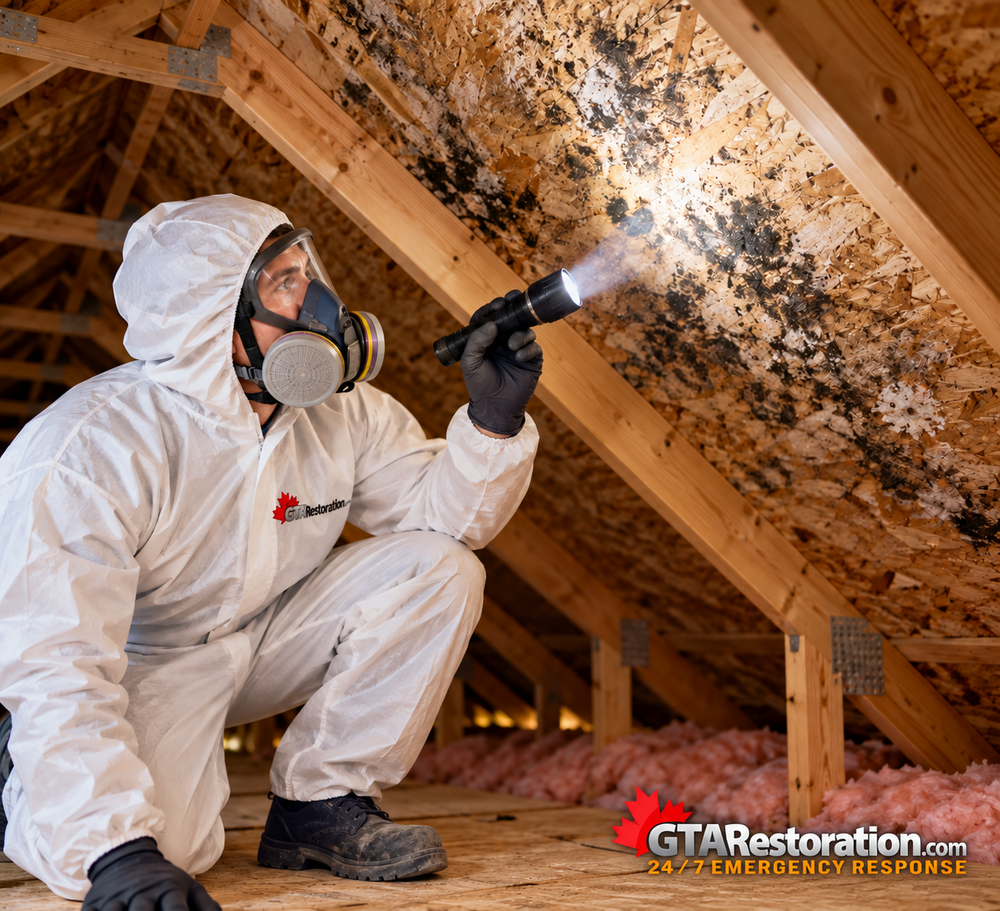
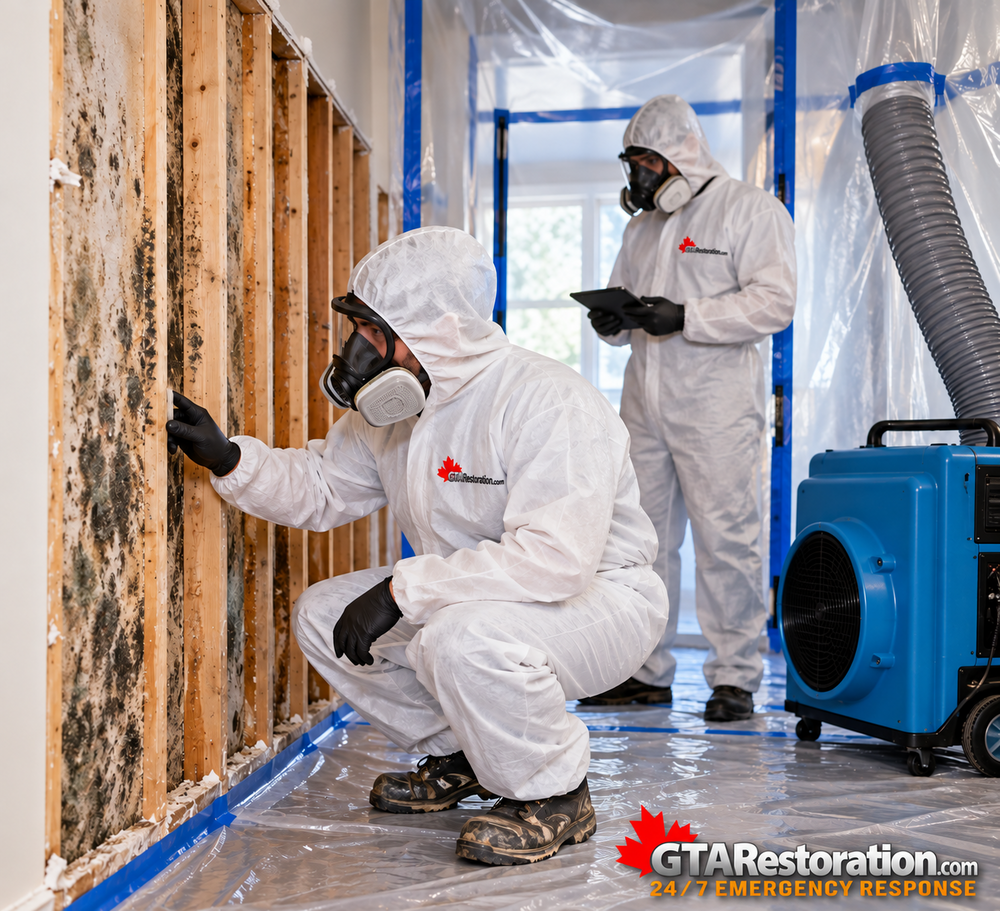
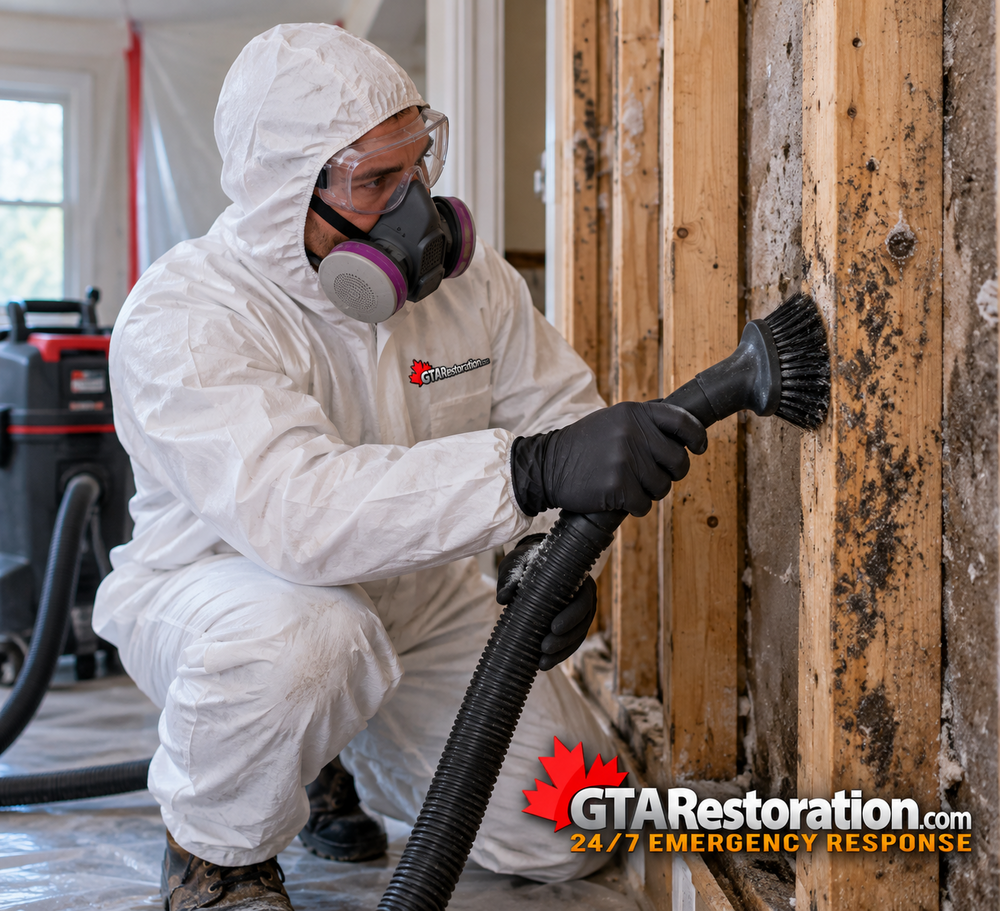
Technician inspecting a property for mold and moisture damage

When Is Mould Testing Useful?

Not every mould problem needs air or surface testing. In fact, Health Canada does not recommend routine air testing in most homes because the results often do not explain why the mould developed.

However, testing may help in certain cases when an inspection does not explain the concern or when hidden moisture may exist inside walls, ceilings, or other enclosed areas. Therefore, the need for testing should depend on the conditions found during the inspection.

For more information, review Health Canada’s guidance on moisture and mould.

Mould Inspection Before Mold Remediation

A professional mould inspection testing Toronto assessment helps determine where the problem is located and what is causing the moisture. As a result, this information can help us plan the next steps without doing unnecessary work.

Depending on the conditions, the work may involve drying, cleaning, containment, or removing damaged porous materials. For example, materials that remain wet or cannot be properly cleaned may require removal.

When professional removal is needed, learn more about our Toronto mold removal services.

Our Mold Remediation Process

The exact process depends on the size of the affected area, the materials involved, and the source of the moisture. Therefore, each project should be assessed before remediation begins.

  1. Inspect: Check visible growth, moisture, and affected materials.
  2. Control Moisture: Find and correct the water source when possible.
  3. Contain: Separate the work area when the project requires containment.
  4. Remove: Take out materials that cannot be properly cleaned or dried.
  5. Clean: Use suitable cleaning and HEPA methods for the affected area.
  6. Dry: Dry remaining materials and check moisture levels.
  7. Restore: Repair finishes or building materials when required.

When Does Mold Need Professional Help?

Health Canada recommends professional help for extensive mould, including a single affected area larger than 3 m². In addition, recurring or concealed mould may require professional assessment even when the visible area appears smaller.

You may also need professional help when mould keeps returning, hidden growth is suspected, or flooding has affected wall, ceiling, or floor cavities. In these situations, simply cleaning the visible surface may not address the underlying problem.

For mould connected to basement water problems, see our flooded basement cleanup service.

Preventing Mold From Returning

Removing visible mould is only part of the solution. More importantly, you also need to control the moisture that allowed it to grow. This is an important part of any mould inspection testing Toronto service because recurring moisture can allow the problem to return.

  • Repair plumbing and roof leaks.
  • Dry wet materials promptly.
  • Improve bathroom and kitchen ventilation.
  • Use a dehumidifier when humidity stays high.
  • Check basements and other damp areas regularly.

In addition, Health Canada recommends keeping indoor relative humidity between about 30% and 50% where practical. By controlling moisture and humidity, property owners can reduce conditions that support future mould growth.


Need a Mould Inspection in Toronto?

GTA Restoration provides mould inspections, moisture checks, mold remediation, and water damage restoration throughout Toronto and the GTA.

Call 416-800-0000

Learn More

Emergency Restoration Services in Toronto: Your Complete Guide | Montréal Mold Removal | Is Your Home Secretly Leaking? Your Guide to Catching Water Leaks Early  | Commercial Water Damage | How To Know When Mold Remediation is Required

Emergency? Immediate response 24/7

416.800.0000 416.800.0000

For non-emergencies use our contact form

Mould Inspection and Moisture Assessment

A mould inspection should look beyond visible spots. The main goal is to find the source of excess moisture, identify affected materials, and determine whether conditions could support further mould growth.

Look for the Moisture Source

Plumbing leaks, roof leaks, condensation, foundation moisture, flooding, and poor ventilation can all contribute to indoor mould. Finding and correcting the moisture source helps prevent the problem from returning.

Check Hidden Areas

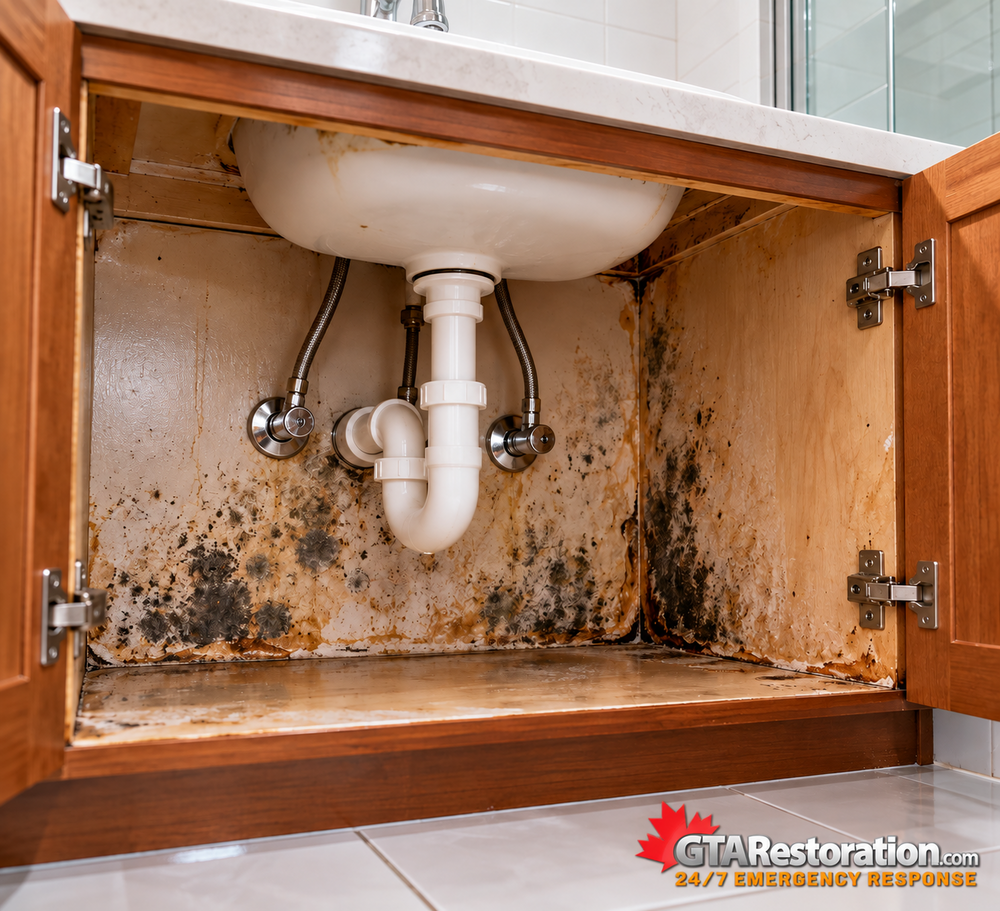
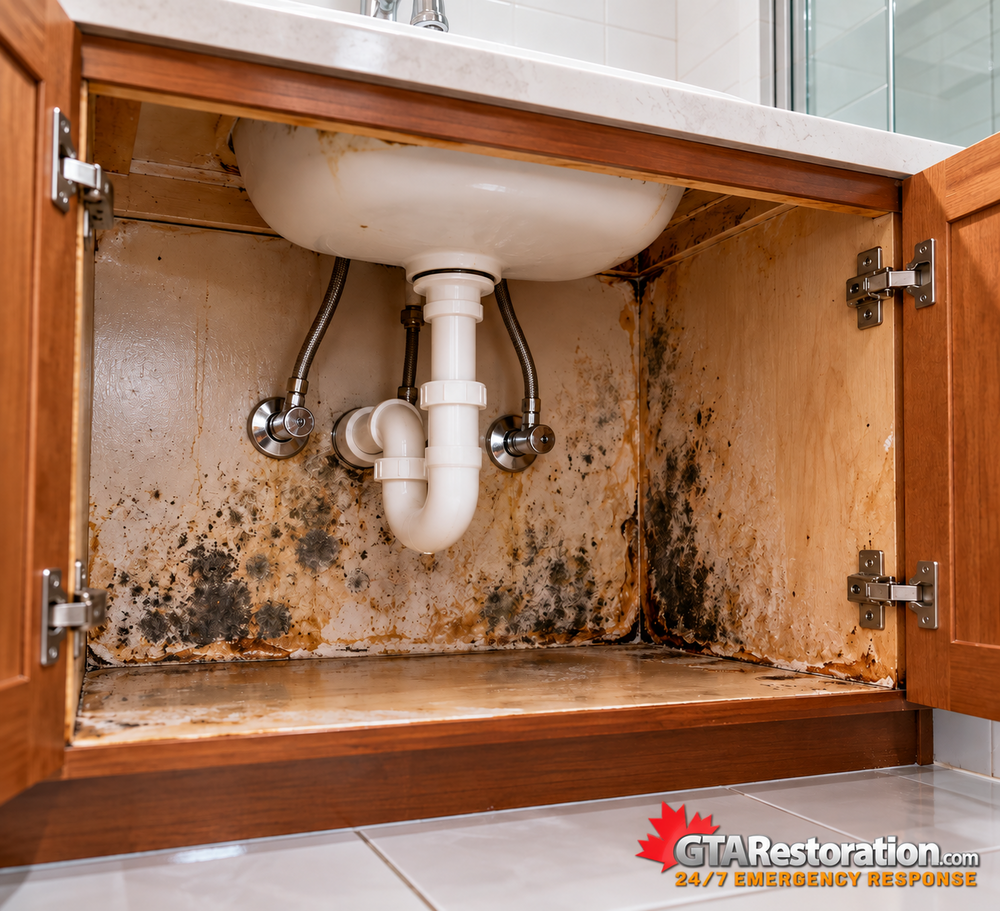
Moisture can collect behind walls, beneath flooring, above ceilings, and around plumbing fixtures. Cabinets, insulation, wall cavities, and subfloors can also hold moisture after surrounding surfaces appear dry.

Inspect Previous Water Damage

Past flooding or leaks can leave moisture inside porous materials. Check these areas carefully when you notice stains, musty odours, damaged finishes, or recurring mould.

Testing Is Not Always Required

Health Canada does not recommend routine air testing for mould in most residential situations. Instead, start with a visual inspection and moisture investigation. Testing may help when the source remains unclear.

Use Moisture Detection Properly

Moisture meters help locate damp building materials. Thermal imaging can also reveal unusual temperature patterns that deserve further investigation. However, these tools do not detect mould directly.

Control Indoor Humidity

High indoor humidity can support mould growth. Health Canada recommends keeping relative humidity between about 30% and 50% where practical. Ventilation and dehumidification can help control excess moisture.

Watch for Recurring Mould

Mould that returns after cleaning often indicates an unresolved moisture problem. Check plumbing, ventilation, drainage, roofing, and other possible water sources when growth keeps returning.

Know When Remediation Is Needed

Large, recurring, or hidden mould problems may require professional remediation. Technicians may use containment, material removal, HEPA cleaning, moisture control, and structural drying depending on the conditions.

Dry Wet Materials Properly

Repairing a leak does not automatically dry the surrounding structure. Drywall, framing, insulation, and flooring may still hold moisture and require controlled drying and monitoring.

Prevent Mold From Returning

Effective remediation addresses both mould growth and its moisture source. Repair leaks, improve ventilation, control humidity, and keep vulnerable building materials dry to reduce future problems.

Professional Mould Inspection in Toronto

GTA Restoration provides mould inspections, moisture assessments, mold remediation, and water damage restoration for homes and businesses throughout Toronto and the GTA.


Concerned about mold or hidden moisture in your property?
GTA Restoration can inspect moisture concerns, visible growth, and areas where hidden mould may be developing.

Call 416-800-0000


GTA Service Centre


Mould Inspection Testing Toronto FAQs

What does a mould inspection check?

A mould inspection looks for visible growth, moisture, water damage, leaks, humidity concerns, and conditions that may allow mould to develop or return.

Do I always need mold air testing?

No. Air testing is not required for every mould concern. Visual inspection and moisture assessment are often the most useful first steps.

Can mould grow behind walls?

Yes. Hidden moisture can support mould growth behind drywall, above ceilings, beneath flooring, and inside other concealed building areas.

Can thermal imaging detect mould?

No. Thermal imaging does not detect mould directly. It can identify temperature patterns that may indicate areas requiring further moisture investigation.

When is professional mold remediation needed?

Professional help may be appropriate for extensive growth, recurring mould, hidden contamination, significant water damage, or affected porous building materials.

Does GTA Restoration provide mould inspections in Toronto?

Yes. GTA Restoration provides mould inspections, moisture assessments, remediation, and related water damage services throughout Toronto and the GTA.


We Work Direct with All Insurance Companies

Wᴇ ᴀʀᴇ ᴄᴏᴍᴍɪᴛᴛᴇᴅ ᴏɴ ᴡᴏʀᴋɪɴɢ ᴡɪᴛʜ ᴇᴠᴇʀʏ ɪɴsᴜʀᴀɴᴄᴇ ᴄᴏᴍᴘᴀɴʏ ᴀᴄʀᴏss Cᴀɴᴀᴅᴀ & USA.


In House Financing Available

In House Financing Available

FREE Financing Up To 24 Months NO INTEREST NO MONEY DOWN


follow us on  LinkedIn Instagram Twitter Facebook YouTube


Our Clients

Our Vendor Clients


Affiliates

fully certified


Emergency? Immediate response 24/7

416.800.0000

416.800.0000

We cover all GTA 24/7.

Head Office:
250 Consumers Rd,
#10
Toronto, ON
M2J 4V6,
Open 24 hours

Downtown Office:
1 Toronto St,
#10
Toronto, ON
M5W 1A1,
Open 24 hours

For non-emergencies use our contact form


    Not sure what you need?

    Call us today to find the best product for your situation.

    416-800-0000 416-800-0000

    Head Office:
    101 Lebovic Ave,
    Unit #10
    Scarborough,
    ON, M1L 4T7
    Hours
    24-Hours Open

    Downtown Office:
    250 Yonge Street,
    Unit #1A
    Toronto,
    ON, M5B 2L7
    Hours
    24-Hours Open

    Mold Removal Remediation Mould Inspection Testing

    Get a quote today