...

Property Insurance Claims Toronto | Restoration Support

Insurance Claims Icon

Insurance Claims Toronto Restoration Support

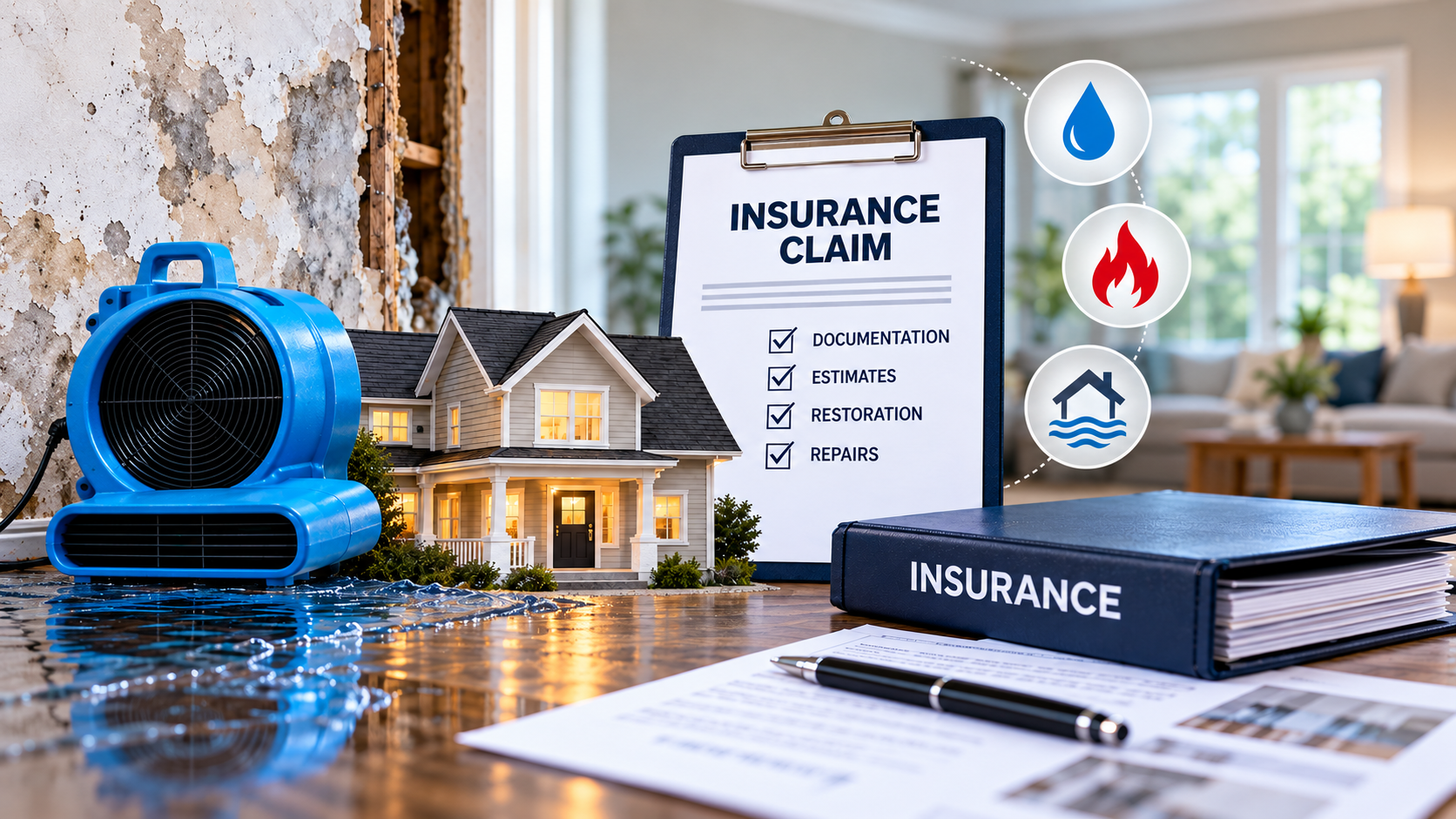
Dealing with property damage and an insurance claim at the same time can be stressful. GTA Restoration provides emergency restoration and property insurance claims Toronto documentation support for homeowners, condo owners, landlords, property managers, and commercial properties throughout Toronto and the GTA.

Our role is to assess and document the property damage, complete necessary emergency mitigation, prepare restoration estimates and scopes, and provide project information that may be requested during the claim. In addition, our project team can communicate restoration-related details with your insurance adjuster when authorized.

However, GTA Restoration does not determine insurance coverage or make decisions about claim approval. Your insurer and assigned adjuster review the policy, circumstances, exclusions, deductibles, limits, and other claim information before determining coverage.

Help With Insurance Claims in Toronto

After water, fire, sewage, storm, or other property damage, the first priority is safety and preventing further damage where reasonably possible. Once conditions are safe, good documentation can also make the restoration and insurance process easier to follow.

For this reason, our team records relevant site conditions and the restoration work performed. Depending on the loss, documentation may include photographs, moisture readings, equipment records, affected materials, demolition information, restoration estimates, invoices, and a scope of required repairs.

Meanwhile, the property owner should report the loss to their insurer promptly and follow the insurer’s instructions for the claim.

What GTA Restoration Can Help Document

  • Visible property damage and affected areas
  • Water intrusion and moisture conditions
  • Emergency extraction and drying work
  • Materials removed during mitigation
  • Drying equipment and monitoring
  • Cleaning and remediation work
  • Restoration estimates and repair scopes
  • Emergency service invoices and project records
  • Photographs taken during different stages of the project

Most importantly, this documentation records the restoration work and property conditions. It does not guarantee that an insurer will pay any particular expense.

Understanding Insurance Claims and Property Coverage

Every insurance policy is different. Therefore, homeowners should review their own policy and speak directly with their insurer, broker, agent, or adjuster about what is covered.

Some policies may cover certain sudden and accidental losses, while exclusions, limits, deductibles, endorsements, maintenance conditions, and optional coverages can affect the outcome of a claim.

For example, water damage from a sudden plumbing event may be treated differently from long-term seepage or maintenance-related deterioration. Similarly, sewer backup and overland flooding may depend on optional coverage or endorsements.

The Insurance Bureau of Canada explains the home insurance claims process, including documenting damage, contacting the insurer, keeping receipts, and reviewing policy limits and exclusions.

Who Decides Whether a Loss Is Covered?

Your insurance company and its claims representative determine coverage according to the policy and circumstances of the loss. As a result, a restoration contractor should not promise that a claim will be approved or that every restoration expense will be reimbursed.

Instead, GTA Restoration focuses on the physical loss: emergency mitigation, damage documentation, cleaning, drying, remediation, reconstruction, and restoration estimates.

Insurance Claims Toronto: What to Do After Property Damage

1. Make Safety the First Priority

First, avoid damaged electrical systems, contaminated water, unstable materials, smoke-damaged areas, or other unsafe conditions. If emergency services or another authority has restricted access, wait until the property is safe to enter.

2. Stop Further Damage When Safe

Next, take reasonable emergency steps to prevent the damage from becoming worse. Depending on the incident, this may involve shutting off a water supply, arranging emergency extraction, protecting an opening, or beginning structural drying.

3. Document the Damage

When it is safe, take photographs and videos before major cleanup begins. In addition, keep records of damaged property, emergency work, receipts, invoices, and communication about the loss.

4. Contact Your Insurance Company

Report the loss promptly and provide accurate information about what happened. Afterward, your insurance company will normally assign a claims representative or adjuster to review the circumstances and explain the next steps.

5. Begin Necessary Restoration Work

Emergency work may need to begin before permanent repairs. Therefore, coordinate with your insurer whenever practical while also taking reasonable steps to protect the property from further damage.

Common Mistakes During Insurance Claims

A few avoidable problems can make an already difficult situation more complicated. For this reason, property owners should keep clear records from the beginning.

Waiting Too Long to Report Damage

Insurance policies can contain reporting requirements. Therefore, contact your insurer promptly rather than waiting until restoration or repairs are complete.

Failing to Take Photos

Photographs can help show what the property looked like before materials were removed. As a result, take clear photos whenever conditions are safe.

Throwing Away Items Too Quickly

Some damaged items may need to be documented before disposal. However, unsafe, contaminated, or health-hazard materials may require prompt removal.

When possible, photograph affected materials and ask your insurer about documentation expectations before disposal.

Making Permanent Repairs Too Early

Emergency measures to limit further damage may be necessary immediately. Permanent reconstruction, however, may require additional discussion with the insurer or adjuster depending on the claim.

Assuming Everything Is Covered

A restoration estimate does not establish insurance coverage. Instead, your insurer determines which expenses fall within the terms of your policy.

How Restoration Contractors Support Insurance Claims

Restoration contractors and insurance adjusters have different roles. The restoration contractor evaluates the physical damage and prepares the scope and cost of restoration work. Meanwhile, the insurance adjuster reviews the claim on behalf of the insurer and determines how the policy applies.

When requested and authorized by the property owner, GTA Restoration can provide estimates, photographs, moisture records, invoices, scopes, and other restoration information to the adjuster.

For example, an adjuster may ask why particular drywall was removed, how long drying equipment operated, or what repairs are required after mitigation. In those cases, our project records can help explain the restoration work performed.

Restoration Estimates for Insurance Claims Toronto

A restoration estimate should describe the work required to address the documented property damage. Depending on the project, the estimate may include emergency services, demolition, cleaning, structural drying, material replacement, labour, equipment, contents handling, and reconstruction.

However, an estimate is not the same as an insurance settlement. Your insurance company may review the scope, request additional documentation, change quantities, apply deductibles, or make other decisions based on the policy and claim.

Therefore, property owners should keep communication open between the restoration contractor and insurance adjuster throughout the project.

Water Damage Insurance Claims Toronto

Water damage is one of the most common reasons property owners contact restoration companies. A burst pipe, appliance leak, plumbing failure, roof leak, or flooded area may require immediate extraction and drying.

First, the source should be stopped when practical. Then, standing water can be extracted and affected materials assessed. Afterward, drying equipment and moisture monitoring may be used to bring affected building materials toward appropriate drying goals.

Learn more about our water damage restoration Toronto and flooded basement cleanup services.

Fire Damage Insurance Claims Toronto

Fire losses can involve much more than visible burn damage. Smoke, soot, water from firefighting, odour, damaged contents, and building materials may all need evaluation.

Consequently, careful documentation is important before cleaning and reconstruction progress too far. GTA Restoration can document the affected areas and prepare a restoration scope based on observed damage.

For additional information, visit our fire and smoke restoration Toronto page.

Sewage Backup Insurance Claims Toronto

A sewage backup can create both property damage and contamination concerns. Therefore, occupants should avoid direct contact with affected water and materials until the area can be assessed safely.

Coverage for sewer backup varies by policy and may depend on an endorsement or optional coverage. For this reason, confirm your own coverage directly with your insurer or broker.

GTA Restoration can handle the restoration side of the loss, including contaminated material removal, cleaning, drying, and documentation where appropriate.

Learn more about our sewage backup cleanup services.

Direct Billing for Insurance Restoration Claims

Billing arrangements vary from one claim to another. In some situations, restoration invoices may be submitted to or coordinated with an insurance company when the insurer, property owner, and contractor have made the appropriate arrangements.

However, direct billing does not mean every charge is automatically covered. Deductibles, limits, exclusions, upgrades, owner-selected changes, and differences between contractor and insurer estimates may still affect the amount payable by the property owner.

Therefore, confirm the billing arrangement and approved scope before assuming that no out-of-pocket costs will apply.

Our Insurance Claims Restoration Process

Emergency Response and Damage Assessment

After we arrive, the team assesses the affected area and identifies the immediate restoration work required. Once authorization is in place, emergency mitigation can begin where appropriate.

Documentation and Restoration Scope

During the project, we document relevant conditions and work completed. Next, the project scope and estimate can be prepared based on the restoration requirements.

Communication With the Adjuster

If authorized, our team can provide restoration documentation and answer project-related questions from the insurance adjuster. However, coverage decisions remain between the policyholder and insurer.

Drying, Cleaning and Remediation

Depending on the type of loss, this stage may include extraction, structural drying, cleaning, controlled demolition, odour treatment, or other restoration work.

Repair and Reconstruction

Finally, once the required mitigation is complete and the repair scope is established, reconstruction can begin according to the project arrangements.

Insurance Claims Toronto FAQs

Can GTA Restoration approve my insurance claim?

No. Your insurance company determines claim coverage and approval. GTA Restoration provides restoration services, estimates, scopes, photographs, and project documentation.

Can you speak with my insurance adjuster?

Yes, when authorized, our team can communicate restoration-related information with the assigned adjuster. For example, we can explain the work completed, provide photographs, submit estimates, or answer questions about the restoration scope.

Does an insurance estimate guarantee payment?

No. An estimate identifies anticipated restoration costs, while the insurer determines what the policy covers and how much it will pay.

Should I take photos before cleanup begins?

Yes, when it is safe to do so. In addition, keep receipts, invoices, and other records related to emergency cleanup and repairs.

Can I choose my own restoration contractor?

IBC advises that homeowners can use a contractor or supplier of their choice for repairs. However, the insurer will estimate the covered damage, so discuss the scope and pricing with the adjuster before permanent repairs proceed.

What if I disagree with the insurance company’s decision?

Start by asking the insurer, broker, agent, or adjuster to explain the decision and the policy wording involved. If the issue remains unresolved, Ontario consumers can review complaint and consumer information available through insurance regulators and industry organizations.


Need Emergency Insurance Restoration Assistance?

GTA Restoration provides emergency property restoration and insurance-claim documentation support throughout Toronto and the GTA.

We help document and restore the damage while your insurer determines coverage under your policy.

Learn more ↴

Guide to Insurance Restoration ClaimsBurst Pipe Insurance Claim Example for HomeownersHow to Estimate Water Damage Restoration |  How to Price Water Damage RestorationBasement Flood Insurance Claim Example

Tags: 24-Hour Plumbers, 24-Hr Plumbing Service, Basement Flood, Burst Pipe, Condo Restoration, Emergency Plumber Toronto, Emergency Plumbing, Emergency Plumbing Toronto, Fire Damage, Fire Restoration, Flood, Flood Cleanup, Flooded Basement, Frozen Pipe, GTA Restoration, Insurance Claims, Mold Inspection, Mold Inspection Toronto, Mold Remediation, Mold Removal, Mold Removal Toronto, Mold Test Toronto, Mold Testing, Odor Removal, Plumber Toronto, Plumbing Emergency, Renovation, Sewage Clean up, Smoke Remediation, Specialty Drying, Toronto Plumber Emergency, Water Damage, Water Damage Toronto, Water Leak, Waterproofing Specialists


Call Now for your Insurance Claim Review!

Call Us Now for A FREE Home Claim Review!

Home Insurance Claim Help Canada1-800-506-6048 1-800-506-6048

Emergency? Immediate response 24/7

416.800.0000 416.800.0000

For non-emergencies use our contact form

Property Insurance Claim Documentation in Toronto

After unexpected property damage, good documentation can help keep the restoration and insurance process organized. Therefore, photograph affected areas when safe, keep receipts and invoices, and report the loss to your insurance company promptly.


Keep Clear Records

Save photographs, estimates, invoices, moisture records, emergency repair receipts, and communication related to the loss. In addition, keep notes from conversations with your insurer or adjuster.


Protect the Property From Further Damage

Reasonable emergency work may be necessary after a loss. For example, water extraction, temporary protection, or structural drying can help limit additional damage while the insurance process moves forward.


Review the Claim With Your Insurer

Your insurance company determines whether the loss is covered and which policy limits, deductibles, or exclusions apply. Consequently, confirm insurance questions directly with the insurer, broker, agent, or assigned adjuster.


Restoration Documentation and Repairs

GTA Restoration can document property conditions, prepare restoration estimates, complete emergency mitigation, and provide project information to the insurance adjuster when authorized.

Once the required restoration work and repair scope are established, our team can also coordinate reconstruction based on the project arrangements.


Emergency Property Restoration Toronto & GTA

If your property has suffered water, flood, fire, sewage, or other damage, GTA Restoration is available to assist with the restoration process throughout Toronto and the GTA.


GTA Service Centre


Property Insurance Claims Toronto: After Damage

Property damage can happen quickly. However, good documentation and prompt emergency restoration can make the recovery process easier to manage.

What to Do First

  • Stay safe: Avoid electrical, structural, fire, or contamination hazards.
  • Document damage: Take photos and videos when conditions allow.
  • Contact your insurer: Report the loss promptly.
  • Keep records: Save receipts, invoices, estimates, and project documentation.
  • Limit further damage: Arrange necessary emergency mitigation where appropriate.
  • Confirm coverage: Ask your insurer or adjuster what your policy covers.

Restoration Support From GTA Restoration

GTA Restoration provides emergency restoration, damage documentation, estimates, drying, cleanup, and reconstruction support for property insurance claims Toronto and throughout the GTA.

Call 416-800-0000 for emergency restoration assistance.


We Work Direct with All Insurance Companies

Wᴇ ᴀʀᴇ ᴄᴏᴍᴍɪᴛᴛᴇᴅ ᴏɴ ᴡᴏʀᴋɪɴɢ ᴡɪᴛʜ ᴇᴠᴇʀʏ ɪɴsᴜʀᴀɴᴄᴇ ᴄᴏᴍᴘᴀɴʏ ᴀᴄʀᴏss Cᴀɴᴀᴅᴀ & USA.


In House Financing Available

In House Financing Available

FREE Financing Up To 24 Months NO INTEREST NO MONEY DOWN


follow us on  LinkedIn Instagram Twitter Facebook YouTube


Our Clients

Our Vendor Clients


Affiliates

fully certified


Emergency? Immediate response 24/7

416.800.0000

416.800.0000

We cover all GTA 24/7.

Head Office:
250 Consumers Rd,
#10
Toronto, ON
M2J 4V6,
Open 24 hours

Downtown Office:
1 Toronto St,
#10
Toronto, ON
M5W 1A1,
Open 24 hours

For non-emergencies use our contact form


    Not sure what you need?

    Call us today to find the best product for your situation.

    416-800-0000 416-800-0000

    Head Office:
    101 Lebovic Ave,
    Unit #10
    Scarborough,
    ON, M1L 4T7
    Hours
    24-Hours Open

    Downtown Office:
    250 Yonge Street,
    Unit #1A
    Toronto,
    ON, M5B 2L7
    Hours
    24-Hours Open

    Insurance Claims

    Get a quote today