...

Disaster Restoration Articles

Powerful Restoration Articles

When disaster hits your home—whether it’s water damage, fire loss, or hidden mold—our Restoration Articles provide the vital resources you need


Disaster Restoration Articles & Blog Tips

Canada’s #1 Restoration Blog!

#1 GTA Restoration Blog

restoration equipment


Restoration articles and disaster recovery guides for property owners

Disaster Restoration Articles & Property Recovery Guides

Restoration articles can help property owners understand what to do before, during, and after water damage, flooding, fire, smoke, sewage, mold, storms, and other emergencies. Our disaster restoration articles provide practical information for homeowners, condominium owners, property managers, landlords, and businesses throughout Toronto and the GTA.

Property damage can develop quickly. Therefore, knowing the first steps can help you protect people, limit additional damage, document the loss, and decide when professional restoration services may be required. In addition, our property restoration guides explain common recovery steps in clear and simple language.

Restoration Articles for Property Damage

Every property emergency is different. For example, a burst pipe may require plumbing repair, water extraction, moisture detection, structural drying, and damaged-material removal. Likewise, a fire may involve smoke, soot, odours, damaged contents, and water from firefighting efforts.

Our restoration articles explain these situations so you can better understand the restoration process before making decisions. As a result, you can act more quickly when property damage occurs.

Water Damage Restoration Articles

Water can spread beyond the area you can see. It may travel beneath flooring, behind baseboards, through ceilings, or inside wall cavities. Therefore, restoration often involves more than removing visible water.

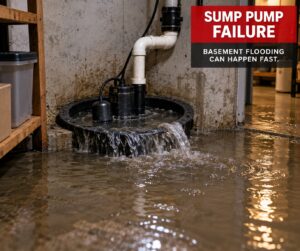
Our water damage restoration articles cover flooded basements, burst pipes, leaking appliances, roof leaks, sump pump failures, structural drying, moisture detection, and flood prevention. In addition, these property restoration guides explain why fast drying can help reduce secondary damage.

Fire and Smoke Disaster Restoration Articles

Fire damage may affect building materials, furniture, contents, indoor surfaces, and air quality. In addition, smoke and soot can travel into areas that were not directly touched by flames.

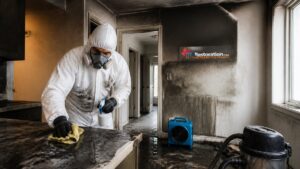
Our fire and smoke disaster restoration articles explain cleanup, smoke odour control, contents cleaning, restoration timelines, emergency precautions, and the recovery process after a fire. Therefore, these restoration guides can help property owners understand what may happen after the emergency is under control.

Mold and Moisture Restoration Guides

Mold problems often begin with excess moisture. For example, a plumbing leak, flood, roof problem, high humidity, or poor ventilation can create conditions that support mold growth.

Health Canada advises property owners to correct moisture problems quickly and control indoor humidity to help prevent mold. You can review its guidance on mould and indoor moisture.

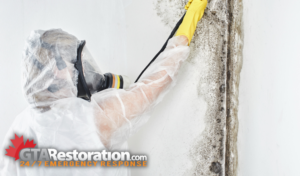
Our property restoration guides also explain mold inspection, remediation, moisture control, prevention, and signs that may indicate a hidden moisture problem. Moreover, these restoration articles can help you recognize when a moisture issue needs further attention.

Property Restoration Guides: What to Do After Damage

Safety should come first after any significant property loss. Therefore, do not enter areas with electrical hazards, unstable materials, active fire conditions, sewage contamination, or other immediate risks.

Restoration Articles About Stopping the Source

If a plumbing leak causes the damage, shutting off the correct water valve may help limit additional water. However, do not enter standing water when electrical hazards may exist. Instead, contact the appropriate emergency service when conditions are unsafe.

Protect the Affected Area

Keep people away from unsafe or contaminated areas. In addition, avoid disturbing materials when asbestos, mold, sewage, fire residue, or other contaminants may be present. Our disaster restoration articles also explain why different types of damage require different safety steps.

Document Visible Property Damage

Photos and videos can help create a record of the affected areas and contents. Moreover, keep invoices, reports, moisture records, photographs, and other restoration documents together when an insurance claim is involved. As a result, you can keep important loss information organized.

Choose the Correct Restoration Service

The type of loss determines the next step. For example, water damage may require extraction and drying, while sewage requires additional contamination controls. Fire losses can require soot cleaning and odour treatment. Meanwhile, mold conditions may require moisture-source correction and remediation.

For this reason, our restoration articles separate water, fire, mold, sewage, and other topics so you can find information that matches the type of property damage you are dealing with.

Restoration Articles for Property Damage Prevention

Good disaster recovery starts before an emergency occurs. Therefore, preventive maintenance, emergency planning, leak detection, working alarms, and knowing where building shutoffs are located can make a major difference.

Public Safety Canada recommends understanding local risks, preparing a household emergency plan, and maintaining an emergency kit. Its Get Prepared resources provide additional emergency-planning guidance.

Water and Plumbing Restoration Guides

Inspect plumbing connections, appliance supply lines, sump pumps, drains, roofs, gutters, and areas where leaks have occurred before. In addition, smart water sensors can provide an early warning when water appears in vulnerable locations. Therefore, these simple steps are often included in our water damage restoration articles.

Fire and Smoke Prevention Articles

Maintain smoke and carbon monoxide alarms, keep exits accessible, and know how to leave the property safely during an emergency. After a fire, however, wait for the appropriate authorities to confirm when re-entry is safe. In addition, our fire restoration guides cover smoke, soot, odour, and contents concerns.

Flood and Storm Restoration Articles

Heavy rainfall and storms can place extra pressure on roofs, drainage systems, foundations, sump pumps, and sewer systems. Therefore, seasonal inspections can help identify problems before severe weather arrives. Likewise, our disaster restoration articles cover flood prevention and storm-related property concerns.

Emergency Planning Guides

Know the location of your main water shutoff, electrical panel, emergency exits, insurance information, and important contact numbers. In addition, Public Safety Canada recommends including these details in a household emergency plan. As a result, preparation can make emergency response more organized.

Explore More Disaster Restoration Articles

Our growing library of restoration articles covers emergency response, prevention, restoration methods, property maintenance, insurance questions, equipment, and recovery after property damage.

For example, you can learn more about emergency restoration and property recovery, review our flooded basement restoration and prevention guide, or view our disaster restoration photos.

These disaster restoration articles and property restoration guides are designed to help you understand common problems and the steps that may follow. However, serious water, sewage, fire, structural, mold, asbestos, or biohazard conditions may require trained professionals and specialized equipment.


Need Help After Property Damage?

GTA Restoration provides emergency water, fire, smoke, mold, sewage, and property restoration services throughout Toronto and the GTA.

For an active property emergency, contact our restoration team 24/7.

Call Us: 416-800-0000

Learn More

Emergency Restoration Guide | How to Manage Damage to Your Home | GTA Restoration Blog | Disaster Restoration Photos | What to Do After a House Fire | Sitemap

Emergency? Immediate response 24/7

416.800.0000 416.800.0000

For non-emergencies use our contact form

Top 7 Property Restoration Tips and Guides

Our restoration articles provide useful advice for protecting homes and commercial properties from water, mold, fire, sewage, storms, and other types of property damage.

When a disaster occurs, the steps you take early can affect how much damage develops. Therefore, understanding basic prevention and emergency response can help reduce disruption and protect your property. In addition, these practical tips support the information found throughout our disaster restoration articles and property restoration guides.


1. Act Quickly After Water Damage

Water can spread beneath flooring, behind walls, and into building materials. Therefore, stop the source when it is safe to do so and begin water removal quickly. In addition, fast extraction and drying can help reduce structural damage and limit conditions that support mold growth. Our water damage restoration articles explain these risks in more detail.


2. Use Restoration Articles to Recognize Mold Early

Mold often develops where excess moisture remains. For example, bathrooms, basements, kitchens, attics, and areas around plumbing should be checked regularly. Moreover, musty odours, staining, or ongoing moisture can indicate a problem that needs further investigation.


3. Follow Fire and Smoke Restoration Guides

Fire cleanup can involve soot, smoke residue, odours, damaged contents, and affected building materials. As a result, aggressive DIY cleaning can sometimes spread residue or damage surfaces. Therefore, our fire restoration articles explain common recovery steps and when professional restoration may be appropriate.


4. Review Your Insurance Coverage

Insurance coverage can vary between policies. Therefore, review your policy regularly and understand how it addresses water damage, sewer backup, overland flooding, fire, and other property losses. Also, keep important policy and contact information in an accessible location. Our property restoration guides also cover useful documentation steps after a loss.


5. Maintain Roofs, Gutters, and Drainage

Roof problems and blocked drainage systems can allow water into a building. For this reason, inspect roofing, flashing, downspouts, and gutters during seasonal maintenance. In addition, direct water away from the foundation whenever possible. These prevention steps appear throughout our disaster restoration articles.


6. Use Leak Detection and Prevention Tools

Water sensors can provide an early warning when leaks develop near appliances, plumbing fixtures, water heaters, or other vulnerable areas. Consequently, early detection may allow you to respond before a small leak becomes a larger restoration problem. For example, our restoration guides explain how leak sensors can support property protection.


7. Know Who to Call During a Property Emergency

Emergency situations often require fast decisions. Therefore, keep important emergency contacts available before a loss occurs. GTA Restoration provides 24/7 response for water, fire, smoke, sewage, mold, and other property restoration emergencies throughout Toronto and the GTA.


These property restoration tips can help you prepare for common risks and respond more effectively when damage occurs. In addition, our growing collection of restoration articles and disaster restoration articles provides information about prevention, cleanup, emergency response, restoration methods, and property recovery.


PROPERTY DAMAGE CAN SPREAD BEYOND WHAT YOU CAN SEE

For water, fire, smoke, sewage, mold, or other restoration emergencies, contact GTA Restoration 24/7.

Call Us: 416-800-0000


Main Head Office


Restoration Articles: Property Damage FAQs

Our restoration articles answer common questions about water damage, fire, smoke, mold, sewage, storms, and property recovery. In addition, these disaster restoration articles provide practical tips for preventing future damage.


What should I do first after property damage?

First, protect everyone from immediate hazards. Then, when it is safe, stop the source of damage, keep people away from affected areas, document visible damage, and contact the appropriate restoration professional.


Why is fast water damage cleanup important?

Water can spread beneath floors, behind walls, and into building materials. Therefore, quick extraction and drying can help limit additional damage and reduce long-term moisture problems.


What do fire restoration articles explain?

Our fire restoration articles cover smoke, soot, odours, damaged contents, cleanup steps, and property recovery. In addition, they explain why some fire losses require specialized cleaning and restoration equipment.


How can I reduce the risk of mold?

Control moisture, repair leaks quickly, use proper ventilation, and inspect damp areas regularly. For example, basements, bathrooms, kitchens, and areas around plumbing should receive extra attention.


Can property restoration guides help prevent damage?

Yes. Our property restoration guides include information about leak detection, flood prevention, seasonal maintenance, emergency planning, moisture control, and property inspections.


Where can I find more disaster restoration articles?

GTA Restoration publishes disaster restoration articles about water damage, fire and smoke cleanup, mold, sewage, plumbing problems, flooded basements, storms, prevention, and emergency recovery throughout Toronto and the GTA.


By using reliable restoration articles and preparing before an emergency occurs, property owners can make faster decisions and better understand the recovery process.


We Work Direct with All Insurance Companies

Wᴇ ᴀʀᴇ ᴄᴏᴍᴍɪᴛᴛᴇᴅ ᴏɴ ᴡᴏʀᴋɪɴɢ ᴡɪᴛʜ ᴇᴠᴇʀʏ ɪɴsᴜʀᴀɴᴄᴇ ᴄᴏᴍᴘᴀɴʏ ᴀᴄʀᴏss Cᴀɴᴀᴅᴀ & USA.


In House Financing Available

In House Financing Available

FREE Financing Up To 24 Months NO INTEREST NO MONEY DOWN


follow us on  LinkedIn Instagram Twitter Facebook YouTube


Our Clients

Our Vendor Clients


Affiliates

fully certified


Emergency? Immediate response 24/7

416.800.0000

416.800.0000

We cover all GTA 24/7.

Head Office:
250 Consumers Rd,
#10
Toronto, ON
M2J 4V6,
Open 24 hours

Downtown Office:
1 Toronto St,
#10
Toronto, ON
M5W 1A1,
Open 24 hours

For non-emergencies use our contact form


    Not sure what you need?

    Call us today to find the best product for your situation.

    416-800-0000 416-800-0000

    Head Office:
    101 Lebovic Ave,
    Unit #10
    Scarborough,
    ON, M1L 4T7
    Hours
    24-Hours Open

    Downtown Office:
    250 Yonge Street,
    Unit #1A
    Toronto,
    ON, M5B 2L7
    Hours
    24-Hours Open

    Restoration Articles

    Get a quote today