
For non-emergencies use our contact form
A trauma scene, sewage backup, unattended death, or sharps exposure changes a property instantly. What was a home, office, or tenant unit becomes a regulated hazard zone, and biohazard cleanup regulations determine exactly how that scene must be contained, cleaned, transported, and documented before the space is safe to use again.
For property owners and managers, that matters for one simple reason: this is not standard cleaning. Bloodborne pathogens, bodily fluids, medical waste, animal waste, and contaminated porous materials can create serious health risks if the response is delayed or handled incorrectly. The right cleanup protects occupants, workers, and anyone who enters the building after the initial event.
What biohazard cleanup regulations actually cover
Biohazard cleanup regulations are not usually one single rulebook. They are a mix of federal, state, provincial, municipal, workplace safety, transport, and disposal requirements that apply to the type of contamination involved. In practical terms, those rules govern how a crew assesses risk, isolates the area, uses personal protective equipment, removes hazardous waste, disinfects surfaces, and documents the work.
The exact requirements depend on the incident. A small blood spill in a controlled workplace is not regulated the same way as a crime scene, a sewage intrusion affecting several units, or a commercial property with cross-contaminated HVAC systems. That is why experienced remediation teams start with hazard classification instead of jumping straight into teardown.
In most cases, regulations focus on a few core responsibilities. Exposure control is one. Proper packaging, labeling, and transportation of contaminated waste is another. Worker training, respirator use where required, and approved disposal methods are also central. If the event involves an occupied building, preventing secondary exposure becomes just as important as the initial cleanup.
Why compliance is not optional
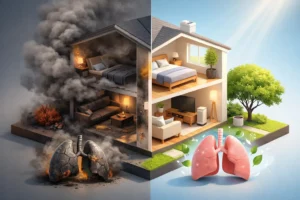
Biohazard cleanup is heavily tied to health and safety liability. If contaminated materials are mishandled, the risks do not end when visible stains are gone. Pathogens can remain in porous materials, hidden cavities, flooring systems, soft furnishings, and drainage paths. Improper disposal can also expose waste handlers, building staff, or the public.
For landlords, condo boards, and commercial operators, noncompliance can create a chain reaction – tenant complaints, failed inspections, insurance issues, work stoppages, and legal exposure. For homeowners, the bigger issue is usually family safety and the false sense of security that comes from surface-level cleaning.
This is where professional remediation earns its value. A regulated scene requires more than disinfectant and protective gloves. It requires trained technicians who know when material must be removed, when engineering controls are needed, and when the space is ready for clearance.
OSHA, EPA, and local rules: where the standards come from
In the US, OSHA requirements are often central to biohazard response, especially when blood or other potentially infectious materials are involved. The Bloodborne Pathogens Standard is one of the most relevant frameworks. It addresses worker exposure, protective equipment, training, cleanup procedures, and post-exposure protocols.
EPA rules may also apply, particularly around disinfectant use, hazardous waste handling, and environmental contamination concerns. Then there are state and local public health rules, transportation standards for medical or biohazardous waste, and building-specific requirements that affect containment and disposal.
That layered system is why there is no one-size-fits-all answer to compliance. A residential trauma cleanup, a restaurant sewage loss, and a healthcare-related contamination event may all fall under different operational requirements. The safest approach is to treat every incident as a regulated project until a qualified assessment says otherwise.
Biohazard cleanup regulations and sewage contamination
Sewage losses are one of the most misunderstood biohazard events. Many people see black water as a plumbing problem first, when it is also a sanitation and exposure problem. Raw sewage can contain bacteria, viruses, parasites, and other contaminants that spread fast through flooring, drywall, contents, and air movement.
Biohazard cleanup regulations become relevant the moment contaminated water contacts building materials or occupied areas. The response typically includes source control, containment, extraction, removal of unsalvageable porous materials, deep cleaning, disinfection, drying, and disposal of contaminated waste under the proper handling protocol.
The trade-off is speed versus certainty. Fast extraction matters, but rushing without containment can spread contamination farther. In multi-unit buildings, that risk is even higher because plumbing events can affect common areas, adjacent units, and vertical chases. A qualified team has to balance urgency with controlled remediation.
Required controls on a compliant cleanup job
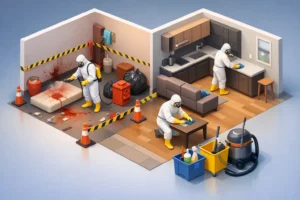
A properly managed biohazard cleanup job usually begins with scene isolation. That can include restricted access, warning signage, physical barriers, and negative air control depending on the hazard. The goal is straightforward: keep contamination from spreading while technicians work safely.
Personal protective equipment is selected based on the risk level. That may include gloves, suits, eye protection, boot covers, and respirators. The point is not to overgear every job. It is to match the PPE to the exposure risk and task being performed.
Cleaning and disinfection come next, but not in the casual sense people often assume. Gross contamination has to be removed first. Porous materials that cannot be reliably decontaminated are typically cut out and discarded. Hard surfaces are then cleaned and treated with appropriate disinfectants according to label instructions and dwell times.
Waste handling is another area where regulations matter. Contaminated debris, sharps, PPE, absorbents, and affected contents may require specific bagging, containerization, labeling, transport, and disposal methods. Throwing everything into regular construction waste is not a compliant solution.
Documentation matters more than most property owners realize
After an emergency, owners often focus on getting the property usable again as fast as possible. That is understandable, but documentation is part of the job. If insurance is involved, records of contamination, demolition, equipment use, waste disposal, cleaning steps, and moisture or safety verification can become critical.
Good documentation also protects building operators. If a tenant later questions whether a unit was properly remediated, or if a commercial site needs internal compliance records, detailed reporting shows what was found, what was removed, and what standards guided the response.
This is especially important in condos, rental portfolios, and commercial facilities, where multiple stakeholders may be involved. Property management, insurers, residents, and environmental consultants may all need clear records. A serious remediation contractor plans for that from the start, not after the fact.
When DIY crosses the line
Not every small incident requires a full-scale emergency crew, but many situations exceed what an owner or maintenance team should handle. If there is trauma, decomposition, sewage, sharps, animal infestation, extensive bodily fluids, or any uncertainty about infectious exposure, the safer decision is professional remediation.
The line is not just about comfort level. It is about training, PPE, disposal rights, and the ability to verify that hidden contamination has been addressed. A mop-and-bleach approach may reduce what is visible while leaving the actual hazard in place.
That is why rapid response matters. The longer contaminated material stays in the structure, the more likely it is to wick, spread odor, damage finishes, and create larger tear-out and disposal requirements. Fast action usually lowers the total scope, even when the incident is severe.
Choosing a contractor who understands regulations
When a property is affected by a biohazard event, the first question should not be price alone. It should be whether the contractor is equipped to manage a regulated cleanup safely and completely. That means trained technicians, proper PPE, containment capability, approved cleaning methods, legal waste disposal practices, and strong documentation.
For residential owners, that reduces stress during a difficult event. For property managers and commercial operators, it reduces operational risk. A company like GTA Restoration approaches biohazard work as a full emergency response – not just cleanup, but containment, remediation, disposal, and support through the recovery process.
The best outcome is not simply a cleaner-looking space. It is a property that has been handled with the right controls, the right documentation, and the right level of care for everyone who depends on that environment being safe again.
When biohazard exposure affects a home or building, the smartest move is usually the fastest one: isolate the area, avoid unnecessary contact, and bring in qualified help that knows the regulations before a bad situation gets bigger.


 Facebook
  Instagram
  LinkedIn
  X / Twitter
  YouTube