Mold Removal Edmonton: Assess the Whole Problem
Mold removal Edmonton enquiries often start with a stain, a musty room or damage after a leak. The useful questions are where moisture comes from, how far the problem extends and what work the building needs. A visual patch alone cannot answer all three.
GTA Restoration serves communities across Canada, including Toronto and the GTA. For a property in Edmonton, call 1-800-506-6048 to discuss the damage, arrange the next step and confirm availability. Ask about assessment fees and the written work scope before booking.
Start With the Moisture History
Write down earlier leaks, plumbing repairs and changes in ventilation. In addition, note whether the marks appeared after a thaw, a rain event or regular indoor activity. A clear timeline can help a team member choose where to look first.
Explain whether the problem is in a finished basement, a bathroom, a window area or another space. Recurring dampness needs investigation even when a stain has been wiped away. Ask what caused the moisture and who will handle that repair.
What a Mould Inspection Should Check
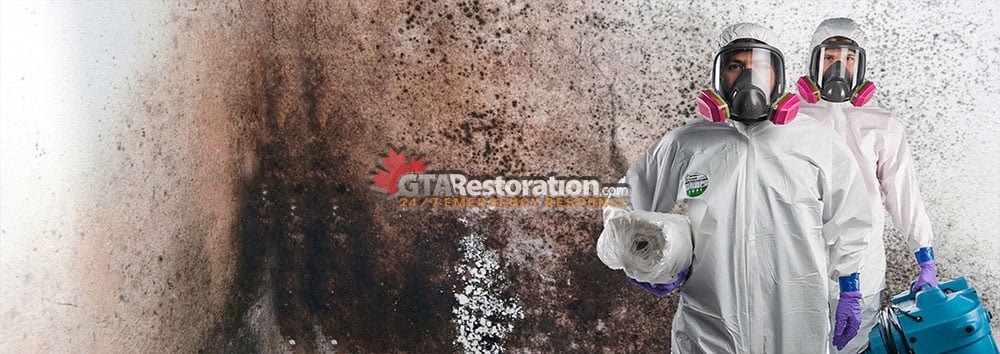
Before a visit, ask what the inspection includes and what it cannot reach. For example, a visual review of an occupied room differs from an investigation that opens wall finishes. Check the fees and any planned access work in advance.
The findings should distinguish visible growth, suspected hidden areas and confirmed water damage. Ask for clear notes or photos where included in the service. This gives you a record to compare with the planned cleanup and repair scope.
Mould Testing Is a Separate Decision
Testing is not automatically the first step whenever mould is visible. Ask what question a sample would answer, who would interpret it and how the result would change the work. A test should have a purpose within the review.
For general household guidance, read Health Canada’s guide to moisture and mould indoors. It advises addressing the moisture problem and notes that routine air testing is generally unnecessary. Discuss personal health concerns with a health professional, instead of trying to diagnose symptoms from a building test.
Plan Mold Removal in Edmonton
A useful proposal sets out the work area, material decisions and moisture repairs. It should also name any tasks that require another team. Ask whether the price covers inspection, cleanup, disposal, equipment and rebuilding, or only part of that work.
Discuss how people and belongings will move around the work area. If the building stays occupied, agree on restrictions and a contact for questions. Do not remove barriers or enter a controlled space without the team’s direction.
Mould Cleanup: Containment and Equipment
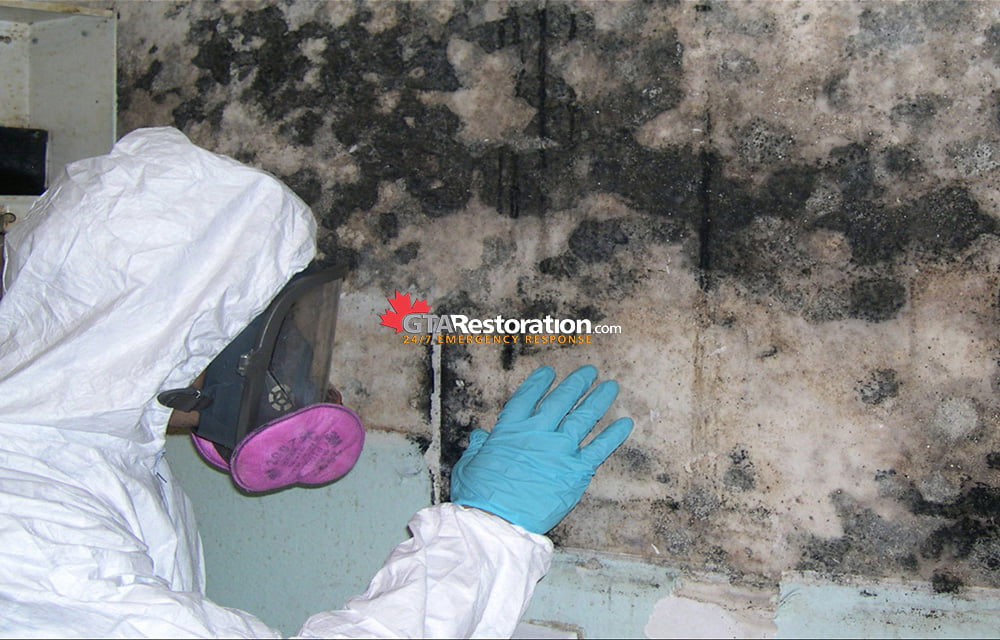
The team should explain the controls planned for the job and why they suit the damaged area. Ask how debris will leave the building and how the work route relates to clean rooms. A plan should fit the building instead of promise the same setup everywhere.
Air cleaning does not replace source repair. If filtration or drying equipment forms part of the scope, check its purpose, monitoring and operating instructions. A fixed number of hours on a machine does not establish that every job is complete.
Mould Cleanup: Cleaning or Removing Materials
Ask which surfaces the team plans to clean and which materials may need removal. The decision should follow the findings and material condition. Ask for approval steps for extra damage found behind finishes.
Avoid opening walls or stripping flooring simply to prepare for the visit. Older materials or other hazards may need review before disturbance. Share any previous building reports with the team so these concerns can enter the work plan.
Review Belongings Separately
Furniture, stored boxes, clothing and other contents may need decisions separate from the building work. Make an inventory and ask which items the estimate includes. Do not assume that a wall cleanup price also covers contents handling or storage.
Tell the team about items that matter to you before disposal decisions are made. Then, review the practical options and costs. No team can fairly promise that all belongings will be recoverable before checking their condition.
Mould Remediation and Source Repairs
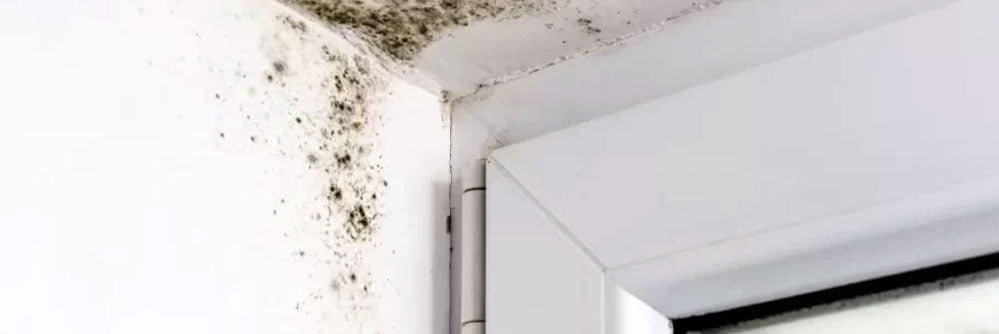
Where a leak or flood came first, review the water damage as well as the visible mould. Our Edmonton water damage page covers questions about water removal, drying and repair planning. The two scopes should agree on what remains to be done.
Keep moisture repairs in the schedule. Ask who will address the plumbing, building envelope or ventilation concern identified during the review. A cleaned surface can become damp again if the underlying cause remains unresolved.
Rental and Shared Buildings
Notify the landlord or building manager when a rented or shared space is damaged. Give photos, dates and access details through the agreed contact. Also, explain whether the concern crosses unit boundaries or involves shared services.
For a business, identify staff routes, opening hours and sensitive equipment. Ask how work areas will be separated from normal activity. Check the communication plan before the team starts instead of leaving access decisions to individual occupants.
Final Checks and Follow-up
Agree at the start on the final criteria and records. Ask who will review the cleaned area, what checks are included and whether an independent review serves a specific need. A report should explain its scope and limits.
Keep the findings, invoices, source repair details and any maintenance recommendations. Report new dampness or returning growth promptly. Keep these records for the next team. They may help show whether a leak is new or has continued since the first job.
Compare Local Edmonton Cleanup Proposals
Give GTA Restoration the building location, damaged rooms and history of the problem. Ask about inspection costs and the work included. Our mould remediation service overview explains how we plan assessment and cleanup. Contact us about availability for your address.
Need restoration help in Edmonton? Call GTA Restoration at the number below. Give us the property address and describe the damage so we can discuss the next step.
Call 1-800-506-6048




 Facebook
  Instagram
  LinkedIn
  X / Twitter
  YouTube

