...

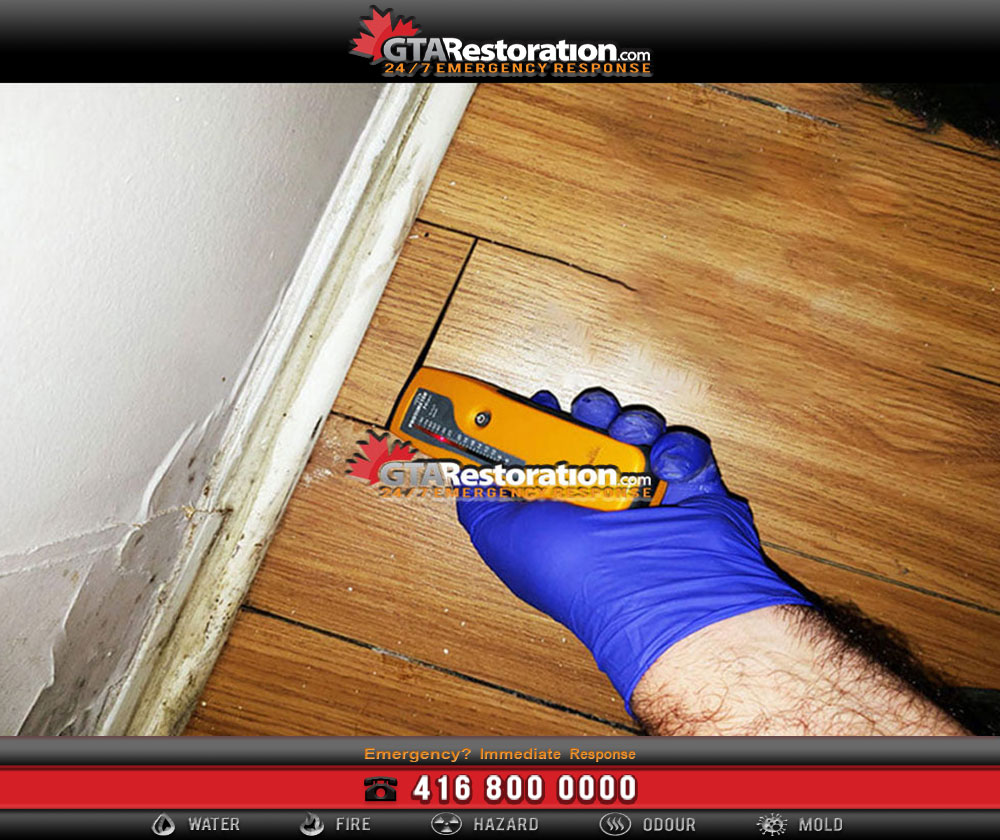
Gloved hand using a moisture meter beside a stained baseboard.


Signs of Mold Growth: 10 Checks at Home

The signs of mold growth may include visible spots or a musty smell. Other clues, such as water stains and warped wood, point to moisture problems. However, these clues alone do not prove that mold is present.

Start by noting where and when the problem appears. Then, look for a leak or damp area without disturbing suspect materials. This guide explains common mold warning signs and when to arrange a closer inspection. As part of your inspection, watch for any signs that might indicate mold growth to act promptly.

Call Us: 416-800-0000

1. Visible Mold Spots

First, look for new patches or spotting on walls, grout and wood. Mold can have many colours. However, colour alone cannot reveal its type or the size of a hidden problem, so check for subtle signs of mold growth in hidden corners.

2. Unusual Surface Growth

Some growth looks fuzzy, powdery or uneven. Avoid scraping it to find out what it is. Instead, note its location and arrange an assessment if the cause is unclear. Additionally, stay alert to all possible growth signs, as these can help reveal mold developing in your home.

3. Musty Smells and Hidden Mold

A lasting musty odour can be a reason to investigate. However, other sources can smell similar. Therefore, find the cause instead of covering the smell with fragrance. To clarify, musty odours should always be considered among the possible early signs of mold growth indoors.

4. Peeling Paint or Bubbling Finishes

Peeling paint and swollen drywall may point to dampness. Also, look for changes near windows and plumbing. If the finish fails again after repairs, check for an ongoing water source. Remember, such failures are sometimes linked to mold growth, so keep an eye out for these signs in your assessment.

5. Water Stains Near Damp Areas

Old stains may remain after a leak has stopped. However, new or spreading marks need attention. Note whether they appear after rain, showers or appliance use, as water stains are a common indicator when looking for signs of mold growth.

6. Water on Windows and Cold Surfaces

Recurring condensation can leave surfaces damp enough to support growth. For example, windows may stay wet in cold weather. Check indoor humidity and ventilation when this keeps happening, as these conditions are often linked to mold growth and should be recognised as warning signs.

7. Warped Wood or Raised Flooring

Wood can swell when it absorbs water. As a result, trim or floorboards may change shape. These changes call for a moisture check, but do not confirm mold. Warping is one of the structural signs that suggest mold growth may be present.

8. High Humidity and Mold Risk

A hygrometer measures humidity in the air. Use one to track damp rooms. If readings stay high, review leaks and ventilation. Also, check whether a dehumidifier would help, since high humidity adds to overall risk and can contribute to mold growth signs.

9. Rust Near Damp Materials

Rust can suggest repeated moisture exposure. For instance, check nearby surfaces when fittings under a sink corrode. However, rust alone does not prove that mold is growing. Nonetheless, areas with rust could signal underlying signs of mold growth you may want to investigate.

10. Damp Carpet and Mold Growth

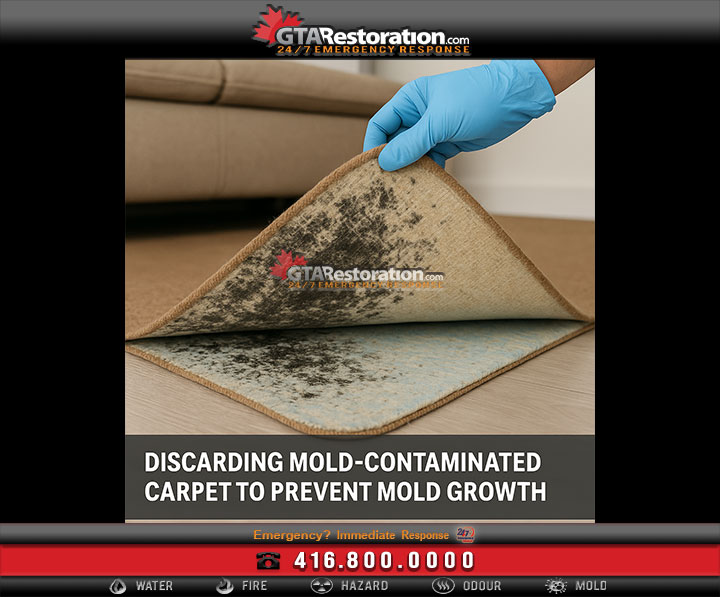
Carpet and underlay can stay wet after the surface feels dry. Also, watch for stains or odours after a leak. Avoid lifting suspect carpet yourself, as this may disturb hidden growth. Wet carpet is a classic example when considering signs of mold growth to address quickly.

Signs of mold growth on the underside of a rug lifted by a gloved hand.


How to Detect Hidden Mold

Begin with the leak history and visible clues. Moisture meters help check damp materials. Meanwhile, thermal cameras show temperature patterns that may need further checks. They do not see mold or measure moisture directly, but certain clues may still reveal hidden signs of mold growth behind surfaces.

Our leak detection team can investigate water sources. Also, tell the crew about past repairs and drying work. This helps them decide where to look next. Notably, give details about any suspected mold growth signs they’ve seen previously.

Does Mold Detection Always Need Testing?

No. When growth is visible, sampling may add little to the first cleanup decisions. Instead, ask what the test will answer. Testing should support an inspection and a clear plan for the property. Still, laboratory testing can sometimes confirm suspected signs of mold growth if uncertainty remains.

When Mold Warning Signs Need Expert Help

Arrange help for large areas, returning growth or hidden dampness. Major water damage may also need expert care. GTA Restoration’s cleanup team can assess the affected materials in Toronto and the GTA. We offer inspections whenever you have concerns about possible signs relating to mold growth and property safety.

Finally, address the moisture source as well as the growth. The City of Toronto’s mould guidance explains why leak repairs, drying and humidity control matter. Preventing new signs of mold growth is essential after each remediation step.


Concerned About Signs of Mold Growth?

Contact GTA Restoration to discuss visible growth, damp areas or recurring odours and plan your next steps. You can get help with any signs of mold growth in your home or business.

Call Us: 416-800-0000

Learn More

Moisture Control Tips | Leak Detection | Water Damage Cleanup
Share this... Spread the word!


Mold Warning Signs: 8 Useful Checks

Noticing signs of mold growth is a reason to look closer. Therefore, share clear details with anyone who inspects the area.

1. Record Visible Mold Signs

First, take photos from a safe spot. Then, note the date so you can track changes.

2. Note When Odours Appear

Record where smells seem strongest. Also, note whether they follow rain, showers or plumbing use.

3. Share the Water Damage History

Next, list past leaks and repairs. Also, include any drying work and areas that stayed damp.

4. Check for Returning Mold

Report growth that comes back after cleaning. Otherwise, an unresolved moisture source may keep causing trouble.

5. Track Damp Conditions

Keep humidity readings from problem rooms. In addition, note wet windows or new stains nearby.

6. Discuss Hidden Mold Checks

Also, ask which areas need a closer look. However, avoid opening walls or lifting suspect carpet yourself.

7. Clarify the Testing Plan

Before agreeing to sampling, ask what the results will change. A test should answer a clear question.

8. Review Mold Inspection Findings

Finally, ask about source repairs and affected materials. Then, keep the findings with your photos and work records.


Unsure what the signs mean?
GTA Restoration can assess the area and explain the next steps.

Call Us: 416-800-0000


GTA Service Centre


Signs of Mold Growth FAQs

What signs should I watch for?

Look for new spots or surface growth. Also, investigate musty smells, stains and damp areas.

Does a musty smell prove there is mold?

Not always. Other sources can smell similar. Therefore, finding the cause matters more than masking the odour.

Can mold grow behind walls?

Yes. Hidden leaks and damp materials can support growth. However, stains alone do not confirm mold.

Can a thermal camera detect mold?

No. It shows temperature patterns. Instead, crews use those patterns to guide further moisture checks.

Do I always need an air test?

No. Visible growth may not need testing. First, discuss the purpose of any proposed samples.


Learn more ↴


Direct Billing & Insurance Claims

Ask your insurer about coverage, deductibles and the records it needs.


Payment options

In-House Financing Available

Financing up to 24 months. No interest. No money down. Ask us about the terms.


Certifications & Insurance

View our firm certification, technician qualifications and insurance documents.

IICRC Certified Firm

GTA Restoration Inc.

Firm number 199912
Valid through

View IICRC certificate (PDF) — opens in a new tab

Business Insurance

GTA Restoration Group Inc.

$5 million general liability per occurrence
$8 million contractors pollution per claim
–

View insurance certificate (PDF) — opens in a new tab

IICRC Technician Qualifications

Richard Mark Provence · Registration 55726
Certificate expires

Water Damage Restoration · Fire & Smoke Restoration · Applied Microbial Remediation · Odor Control · Trauma & Crime Scene

View technician verification (PDF) — opens in a new tab

Insurance is subject to policy terms, conditions and exclusions.


Emergency? Click to Call!