Asbestos Testing Hamilton | Testing & Removal Services
Asbestos Testing Hamilton & Removal Services
If you suspect asbestos in a home, commercial building, renovation area, or damaged building material, professional asbestos testing Hamilton services can help determine whether asbestos-containing material is present before anyone disturbs it.
GTA Restoration provides asbestos inspection, sampling, testing coordination, removal, and remediation services in Hamilton and surrounding Southern Ontario communities. In addition, our team can help property owners plan the next step when they discover suspected asbestos before renovation, demolition, repair, or restoration work.
Most importantly, do not drill, cut, sand, break, remove, or otherwise disturb a suspected asbestos-containing material until a qualified professional assesses it.
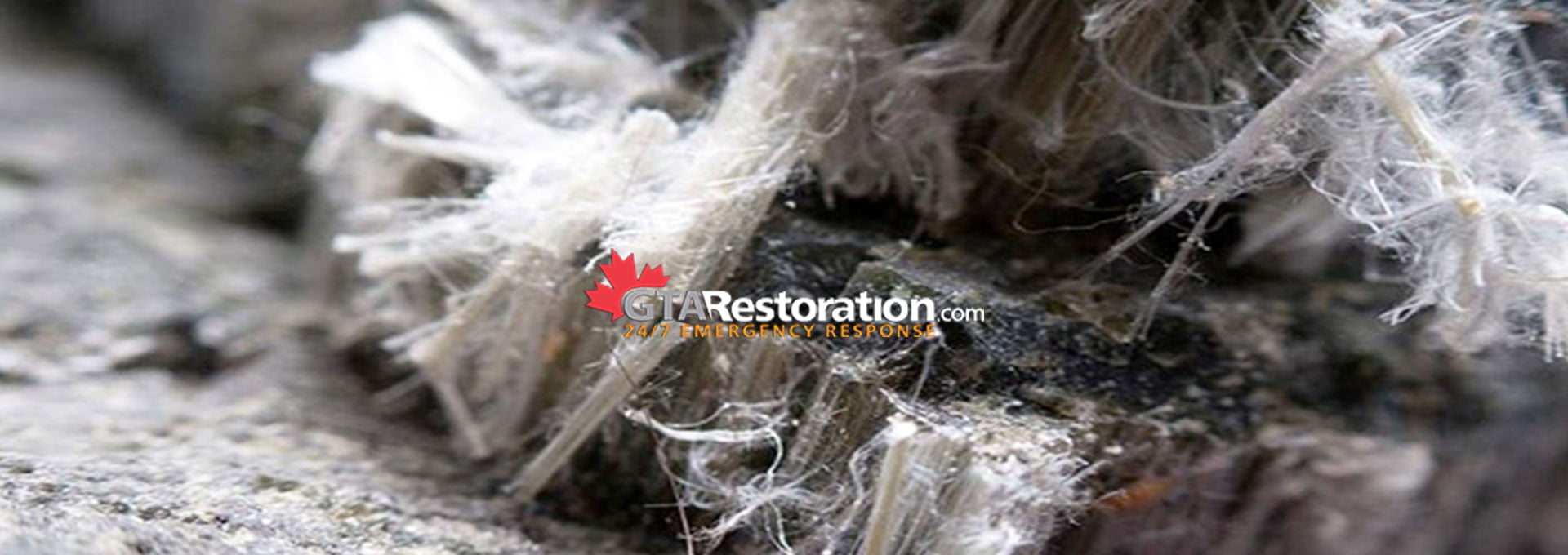
Professional Asbestos Testing in Hamilton
You cannot reliably identify asbestos simply by looking at a building material. Therefore, a laboratory generally needs to analyze representative samples to confirm whether a suspect material contains asbestos.
Health Canada notes that builders commonly used asbestos before 1990 in insulation, fireproofing, and many construction products. As a result, older Hamilton homes and commercial properties may contain asbestos in materials that appear completely ordinary.
Before renovating or demolishing older building components, Hamilton asbestos testing can help determine whether the project requires additional asbestos precautions.
When Should Hamilton Property Owners Test for Asbestos?
Asbestos testing Hamilton property owners request is particularly useful when construction or repair work could disturb suspect materials. For example, arrange an assessment before:
- Removing drywall or joint compound
- Taking out old vinyl flooring or floor tiles
- Disturbing ceiling tiles or textured finishes
- Opening walls or ceilings during renovation
- Removing pipe or mechanical insulation
- Demolishing older building components
- Repairing areas with unidentified insulation
- Starting restoration work after property damage
However, building age alone does not prove that asbestos exists. Laboratory testing provides a clearer answer before the project continues.
Where Asbestos May Be Found in Hamilton Properties
Older residential, commercial, industrial, and institutional buildings can contain asbestos in many products. Although Canada now prohibits the manufacture, import, sale, and use of most asbestos-containing products, materials installed decades ago can remain inside existing buildings.
Common suspect materials can include:
- Pipe and boiler insulation
- Mechanical insulation
- Drywall joint compound
- Plaster and cement products
- Floor tiles and sheet flooring
- Flooring adhesives
- Ceiling tiles
- Textured ceiling or wall finishes
- Roofing materials
- Exterior siding
- Fireproofing materials
- Some older insulation products
For this reason, professionals should focus testing on the actual materials that renovation, repair, or demolition work may disturb rather than assuming every older material contains asbestos.
Why Asbestos Can Create a Health Hazard
Asbestos refers to a group of naturally occurring fibrous minerals. Historically, manufacturers used asbestos because its fibres offered strength, durability, and resistance to heat and fire.
A health concern develops when asbestos-containing materials release fibres into the air and people breathe them in. Health Canada links asbestos exposure to serious diseases, including asbestosis, lung cancer, and mesothelioma.
Materials that remain in good condition and stay undisturbed generally create much less exposure concern than materials that workers cut, break, sand, drill, or demolish.
For additional information, review Health Canada’s asbestos and health guidance.
Asbestos Testing Hamilton Before Renovation
Renovation is one of the most important times to investigate suspect building materials. Drilling, cutting, sanding, demolition, or removal work can release fibres when the material contains asbestos.
Therefore, asbestos testing in Hamilton before construction starts can help contractors and property owners plan the work correctly.
Older Hamilton Homes and Buildings
Health Canada advises that builders commonly used asbestos-containing materials before 1990. Consequently, renovations in older properties deserve particular attention when workers plan to disturb insulation, flooring, plaster, ceiling materials, siding, or similar products.
Commercial and Multi-Unit Properties
Commercial buildings, apartment buildings, condominiums, schools, industrial facilities, and other older properties may also contain asbestos. Building records, existing asbestos surveys, project requirements, and the planned work can all influence the assessment.
How Hamilton Asbestos Testing Works
1. Review the Suspect Materials
First, the inspector reviews the property and planned work to identify materials that may require sampling. This step helps establish which products contractors may disturb and where those materials occur.
2. Collect Representative Material Samples
Next, a trained professional collects representative samples using appropriate precautions. Careful sampling helps limit unnecessary disturbance of the suspect material.
3. Send Samples for Laboratory Analysis
Afterward, the laboratory analyzes the samples for asbestos. Results identify whether the submitted material contains asbestos and provide information for the next stage of planning.
4. Review the Laboratory Findings
Once the results arrive, the project team reviews the findings together with the condition of the material and the work you plan to perform.
5. Plan Removal When Necessary
Finally, if the project requires workers to disturb or remove asbestos-containing material, the team can plan the work according to applicable Ontario requirements.
Ontario Requirements for Asbestos Work
Ontario Regulation 278/05 governs asbestos on construction projects and in buildings and repair operations. The regulation sets requirements for work involving asbestos-containing materials.
It applies to construction, renovation, repair, alteration, maintenance, and demolition activities where workers may handle or disturb asbestos-containing material.
Ontario also separates asbestos work into Type 1, Type 2, and Type 3 operations. Factors such as the material, quantity, condition, friability, and work method help determine which classification applies.
Property owners and contractors can review the current requirements in the Ontario asbestos regulation.
Asbestos Removal Hamilton Services
When laboratory testing confirms asbestos and the project requires removal, the work method depends on the material and operation classification. Therefore, contractors do not use one identical procedure for every asbestos project.
Depending on the scope, workers may use restricted access, protective equipment, wet methods, HEPA-filtered equipment, containment, negative pressure, decontamination procedures, controlled waste handling, and other required controls.
Assess the Material and Work Scope
Before work starts, the project team reviews the asbestos-containing material and planned activity. This assessment helps determine whether Type 1, Type 2, or Type 3 procedures apply.
Establish the Required Controls
Next, workers set up the controls required for the specific operation. Larger or higher-risk projects may require more extensive containment, decontamination, and worker-protection measures.
Remove Asbestos Using Controlled Methods
During removal, trained workers use methods designed to limit the release and spread of asbestos fibres. They also manage access to the work area and handle materials according to applicable requirements.
Clean the Work Area
After the removal stage, workers clean the area and equipment using appropriate asbestos-control procedures. Depending on the operation, HEPA-filtered equipment can form part of the cleaning process.
Handle and Dispose of Asbestos Waste Properly
Workers must package and handle asbestos waste according to applicable requirements before sending it to an appropriate waste facility. Therefore, asbestos debris should never simply enter ordinary renovation garbage.
Does Every Asbestos Project Need Clearance Air Testing?
The type of operation and applicable regulatory requirements determine whether a project needs clearance air testing.
For certain Type 3 operations, Ontario’s asbestos regulation includes specific clearance air-testing procedures before workers dismantle an enclosure. However, small Type 1 or Type 2 operations do not automatically follow the same clearance process.
For this reason, the project classification should determine the testing and verification requirements rather than applying one procedure to every asbestos job.
Asbestos Testing Hamilton After Water or Fire Damage
Water, fire, or another property loss does not create asbestos. However, restoration work can expose or disturb older building materials that already contain it.
For example, a flooded property may require technicians to remove drywall, flooring, ceiling material, or insulation. Similarly, fire restoration can involve demolition of damaged wall and ceiling assemblies.
When emergency restoration may disturb suspect materials, Hamilton asbestos testing can become an important part of planning demolition and cleanup safely.
GTA Restoration can also coordinate related water damage restoration and mold remediation services when the property has additional restoration needs.
Asbestos Testing for Drywall and Joint Compound
Some older drywall systems contain asbestos in joint-filling compounds. As a result, renovation or restoration work may require testing before workers remove significant amounts of drywall.
Ontario’s asbestos regulation specifically addresses drywall that contains asbestos joint-filling compound. Moreover, the amount of drywall and the removal method can influence the operation classification.
For that reason, never assume ordinary-looking drywall or joint compound is asbestos-free simply because you cannot see asbestos fibres.
Hamilton Asbestos Testing for Flooring and Ceiling Materials
Older floor tiles, sheet flooring, adhesives, ceiling tiles, and textured finishes can raise asbestos concerns during renovation.
Visual appearance cannot provide a reliable answer. Two products that look almost identical may contain completely different materials.
Therefore, laboratory analysis of representative samples provides a better basis for planning renovation or removal work.
Commercial Asbestos Testing Hamilton Services
Commercial asbestos projects can involve offices, warehouses, retail spaces, apartment buildings, institutional facilities, mechanical rooms, and industrial properties.
These buildings often contain many construction systems and materials. Consequently, the assessment may require samples from several suspect products across different parts of the property.
Contractors must also consider occupants, project schedules, building operations, worker protection, and other site-specific requirements when planning the work.
What to Avoid When You Suspect Asbestos
If you find material that may contain asbestos, avoid disturbing it unnecessarily until a professional determines what it contains.
- Avoid sanding suspected asbestos material.
- Do not cut or grind unidentified material unnecessarily.
- Keep drills away from suspect materials until testing confirms their composition.
- Never break suspect material into smaller pieces without understanding the risk.
- Do not sweep suspected asbestos debris with an ordinary broom.
- Avoid using a household vacuum on suspected asbestos dust or debris.
- Leave regulated removal work to appropriately trained workers.
Instead, restrict unnecessary access where practical and arrange an assessment before continuing renovation or demolition.
Choosing an Asbestos Testing Hamilton Company
When selecting a company, look for experience with asbestos sampling, removal procedures, containment, worker protection, and Ontario regulatory requirements.
In addition, ask the company to explain the proposed scope clearly. You should understand which materials require testing, what happens if the laboratory confirms asbestos, and whether the project needs additional consultant or clearance requirements.
Most importantly, avoid relying on anyone who claims they can confirm asbestos simply by looking at a building material.
Asbestos Testing Hamilton FAQs
Can someone identify asbestos just by looking at it?
Visual inspection alone cannot confirm asbestos. Many asbestos-containing products resemble materials that contain no asbestos. Therefore, laboratory analysis generally provides the reliable way to identify asbestos in a suspect building material.
Should I test an older Hamilton home before renovation?
Testing makes sense when renovation work may disturb suspect building materials. In particular, Health Canada recommends professional assessment when older materials may contain asbestos and a project could disturb them.
Does asbestos have a smell?
A distinctive odour does not reliably identify asbestos. As a result, you should not use a musty smell or any other odour as evidence that asbestos exists.
Can water damage cause asbestos?
Water damage cannot create asbestos. However, cleanup and demolition after a flood or leak can disturb asbestos-containing materials that already existed in the building.
Does asbestos-containing material always create an immediate hazard?
The level of concern depends heavily on the material’s condition and whether anyone disturbs it. Damage, deterioration, cutting, drilling, sanding, or demolition can increase the chance of releasing fibres.
Does every asbestos removal project need a full enclosure?
Not every project requires the same controls. Ontario requirements depend on the material, activity, quantity, and Type 1, Type 2, or Type 3 classification. Consequently, contractors must choose the controls that apply to the specific operation.
Does every asbestos project require clearance air testing?
Certain operations require specific clearance procedures, while others do not. The applicable Ontario requirements and project classification determine what testing the work needs.
Can GTA Restoration help after testing confirms asbestos?
GTA Restoration can provide asbestos removal and remediation services based on the material, project scope, and applicable requirements.
Need Asbestos Testing in Hamilton?
GTA Restoration provides asbestos testing Hamilton and asbestos removal services for residential and commercial properties throughout Hamilton and surrounding Southern Ontario communities.
If you suspect asbestos, avoid disturbing the material and arrange an appropriate assessment first.
Related Asbestos Services
Asbestos Removal Toronto | Brampton Asbestos Removal | Toronto Asbestos Removal | Water Flood Damage Repair Hamilton | How Asbestos Removal Works
For non-emergencies use our contact form
Protecting Hamilton Properties From Asbestos Exposure
Disturbing asbestos-containing material can release microscopic fibres into the air. Therefore, property owners should arrange an assessment before drilling, cutting, sanding, demolition, or renovation affects a suspect material.
Arrange Testing Before Renovation
Older construction materials may contain asbestos even when they look completely normal. In particular, Health Canada notes that builders commonly used asbestos-containing products before 1990.
Leave Suspect Materials Undisturbed
Materials that remain intact and untouched generally create less exposure concern than damaged or deteriorating materials. However, renovation work can change those conditions quickly.
Follow the Correct Ontario Procedure
Ontario classifies asbestos work according to the material and the activity involved. As a result, Type 1, Type 2, and Type 3 operations can require different control measures, protective equipment, containment, and clearance procedures.
Use Laboratory Results Instead of Appearance
Colour, texture, smell, or building age cannot confirm that asbestos is present. Instead, representative material samples can provide the information needed for laboratory analysis.
Prepare Early for Hamilton Renovation Projects
Planning ahead can prevent workers from unexpectedly disturbing suspect building materials. For this reason, asbestos testing should take place before demolition begins when the project involves materials that may contain asbestos.
Professional Asbestos Services in Hamilton
GTA Restoration provides asbestos testing, removal, and remediation services for residential and commercial properties throughout Hamilton and surrounding Southern Ontario communities.
Need help with suspected asbestos?
Service Areas Across Canada
GTA Restoration serves communities across Canada, including Toronto and the GTA. U.S. locations are opening. Browse our Canadian service areas below, and contact us to confirm services and availability for your address.
Search
- Air Duct Cleaning Montreal
- Ajax Asbestos Removal
- Ajax Mold Removal
- Ajax Water Damage
- Asbestos Removal Calgary
- Asbestos Removal Edmonton
- Asbestos Removal Fort Saskatchewan
- Asbestos Removal Gloucester
- Asbestos Removal Grimsby
- Asbestos Removal Hamilton
- Asbestos Removal Kanata
- Asbestos Removal Kitchener
- Asbestos Removal Laval
- Asbestos Removal Lincoln
- Asbestos Removal Montreal
- Asbestos Removal Nepean
- Asbestos Removal Niagara Falls
- Asbestos Removal Orleans
- Asbestos Removal Ottawa
- Asbestos Removal Sherwood Park
- Asbestos Removal Spruce Grove
- Asbestos Removal St Catharines
- Asbestos Removal St-Albert
- Asbestos Removal Thorold
- Asbestos Testing Hamilton
- Asbestos Testing Montreal
- Asbestos Testing Petersburg
- Aurora Mold Removal
- Aurora Water Damage
- Beaconsfield Asbestos Removal
- Brampton Asbestos Removal
- Brampton Mold Removal
- Brampton Water Damage
- Burlington Asbestos Removal
- Burlington Mold Removal
- Burlington Water Damage
- Burst Pipe Montreal Frozen Pipe
- Burst Pipe Repair Edmonton
- Burst Pipe Repair Ottawa
- Caledon Mold Removal
- Caledon Water Damage
- Calgary Mold Removal
- Calgary Water Damage
- Cambridge Mold Removal
- Cambridge Water Damage
- Clarington Mold Removal
- Concord Mold Removal
- Concord Water Damage
- Cooksville Mold Removal
- Edmonton Water Damage
- Emergency Roofing Vancouver
- Etobicoke Asbestos Removal
- Etobicoke Mold Removal
- Etobicoke Water Damage
- Fire Damage Grimsby
- Fire Damage Lincoln
- Fire Damage Niagara Falls
- Fire Restoration Fort McMurray
- Fire Damage Restoration Thorold
- Fire Damage St Catharines
- Flood Cleanup Grimsby
- Flood Cleanup Lincoln
- Flood Cleanup Niagara Falls
- Flood Cleanup St Catharines
- Flood Cleanup Thorold
- London Mold Removal
- London Water Damage
- Markham Asbestos Removal
- Markham Mold Removal
- Markham Water Damage
- Mississauga Asbestos Testing
- Mississauga Mold Removal
- Mississauga Water Damage
- Mold Inspection Removal Kitchener
- Mold Remediation Montreal
- Mold Removal & Inspection LaSalle
- Mold Removal Anjou
- Mold Removal Boucherville
- Mold Removal Brossard
- Mold Removal Burnaby
- Mold Removal Chambly
- Mold Removal Chateauguay
- Mold Removal Chomedey
- Mold Removal Coquitlam
- Mold Removal Dollard Des Ormeaux
- Mold Removal Dorval
- Mold Removal Edmonton
- Mold Removal Fort Saskatchewan
- Mold Removal Gloucester
- Mold Removal Grimsby
- Mold Removal Hamilton Inspection
- Mold Removal Ile Bizard
- Mold Removal in Osgoode
- Mold Removal Beaconsfield
- Mold Removal Kahnawake
- Mold Removal Kanata
- Mold Removal Kirkland
- Mold Removal Laval
- Mold Removal Lincoln
- Mold Removal Longueuil
- Mold Removal Montreal East
- Mold Removal Mount Royal
- Mold Removal Nepean
- Mold Removal New Westminster
- Mold Removal Niagara Falls
- Mold Removal Orleans
- Mold Removal Ottawa
- Mold Removal Cumberland
- Mold Remediation Hampstead
- Mold Removal Remediation Roxboro
- Mold Removal Richmond BC
- Mold Removal Rideau Lakes
- Mold Removal Rockcliffe Park
- Mold Removal Saint Hubert
- Mold Removal Saint Laurent
- Mold Removal Sherwood Park
- Mold Removal Spruce Grove
- Mold Removal St Catharines
- Mold Removal Ste Dorothee
- Mold Removal St۔ Albert
- Mold Removal Surrey
- Mold Removal Thorold
- Mold Removal Vancouver
- Mold Removal Vanier
- Mold Removal Westmount
- Montreal Biohazard Cleanup
- Montreal Emergency Plumber
- Montreal Fire Restoration
- Montreal Flood Cleanup
- Montreal Odor Removal
- Montreal Roofing Emergency
- Montreal Sewer Backup Cleanup
- Montreal Water Leak Detection
- Montréal Asbestos Removal
- Montréal Emergency Plumbing
- Montréal Mold Removal
- Montréal Pipe Burst Emergency
- Montréal Water Damage
- Newmarket Mold Removal
- Newmarket Water Damage
- North York Mold Removal
- Oakville Mold Removal
- Oakville Water Damage
- Oshawa Mold Removal
- Oshawa Water Damage
- Ottawa Air Duct Cleaning
- Pickering Mold Removal
- Pickering Water Damage
- Red Deer Water Damage
- RedDeer Mold Removal
- Richmond Hill Mold Removal
- Richmond Hill Water Damage
- Roof Repair Lincoln
- Roof Repair Niagara Falls
- Roof Repair St Catharines
- Scarborough Asbestos Removal
- Scarborough Mold Removal
- Scarborough Water Damage
- Sewage Cleanup Edmonton
- Sewer Backup Lincoln
- Sewer Backup Niagara Falls
- Sewer Backup Ottawa
- Sewer Backup St Catharines
- Thornhill Mold Removal
- Toronto & GTA Asbestos Removal
- Toronto & GTA Mold Removal
- Toronto Air Duct Cleaning
- Toronto Water Damage
- Unionville Mold Removal
- Unionville Water Damage
- Vancouver Asbestos Removal
- Vancouver Biohazard Cleanup
- Vancouver Emergency Plumber
- Vancouver Emergency Plumbing
- Vancouver Fire Restoration
- Vancouver Flood Cleanup
- Vancouver Mold Removal
- Vancouver Odor Removal
- Vancouver Pipe Burst Emergency
- Vancouver Sewer Backup Cleanup
- Vancouver Water Damage
- Vancouver Water Leak Detection
- Vaughan Mold Removal
- Vaughan Water Damage
- Vermiculite Removal Ottawa
- Water Damage Grimsby
- Water Damage Kanata
- Water Damage Kitchener
- Water Damage Lincoln
- Water Damage Longueuil
- Water Damage Nepean
- Water Damage Niagara Falls
- Water Damage Orleans
- Water Damage Ottawa
- Water Damage Repair Montreal
- Water Damage Laval Montreal
- Water Damage Restoration Thorold
- Sewage Backup Cleanup Montreal
- Water Damage St Catharines
- Water Damage Vancouver
- Water Flood Damage Repair Hamilton
- Flood Damage Repair Hampstead
- Whitby Water Damage
- Woodbridge Asbestos Removal
- Woodbridge Mold Removal
- Woodbridge Water Damage
- Restoration Equipment Rental
Asbestos Testing Hamilton FAQs
When should I arrange an asbestos assessment?
Arrange it before renovation or demolition could disturb suspect materials. Explain exactly which surfaces the work will affect.
Can a photograph confirm asbestos?
No. Appearance cannot reliably identify asbestos; a qualified assessment and laboratory analysis may be needed.
Should I collect my own sample?
Leave suspect materials undisturbed and ask trained personnel to arrange sampling.
Which information helps the assessor?
Share the building age, planned work, past surveys and the locations of damaged or suspect materials.
What should I receive after testing?
Ask for the laboratory results and a clear explanation of which samples and locations the report covers.
Learn more ↴ 
Latest Blog
Direct Billing & Insurance Claims
Ask your insurer about coverage, deductibles and the records it needs.

In-House Financing Available
Financing up to 24 months. No interest. No money down. Ask us about the terms.
Certifications & Insurance
View our firm certification, technician qualifications and insurance documents.

IICRC Certified Firm
GTA Restoration Inc.
Firm number 199912
Valid through

Business Insurance
GTA Restoration Group Inc.
$5 million general liability per occurrence
$8 million contractors pollution per claim
–
IICRC Technician Qualifications
Richard Mark Provence · Registration 55726
Certificate expires
Water Damage Restoration · Fire & Smoke Restoration · Applied Microbial Remediation · Odor Control · Trauma & Crime Scene
View technician verification (PDF) — opens in a new tabInsurance is subject to policy terms, conditions and exclusions.
 Facebook
 Instagram
 LinkedIn
 X / Twitter
 YouTube