RedDeer Mold Removal & Mould Remediation
Mold Removal Red Deer & Mould Remediation Services
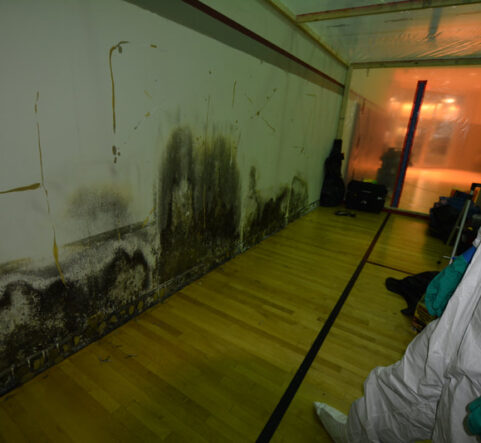
Mold removal Red Deer services may be needed when moisture leads to visible growth, musty odours or damage inside a home or commercial property. Fungal growth can affect drywall, wood, insulation, ceilings, flooring and other materials when moisture remains for too long. If the source is not corrected, the problem can continue to spread and damage affected building materials.
GTA Restoration provides professional mold removal and remediation services for residential and commercial properties in Red Deer. Our process focuses on identifying the moisture source, assessing the affected area and developing an appropriate remediation plan before removal begins.
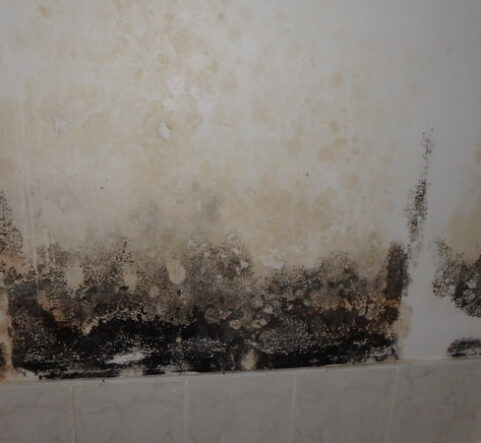
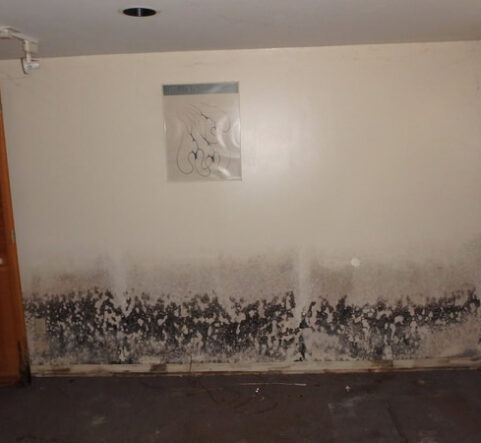
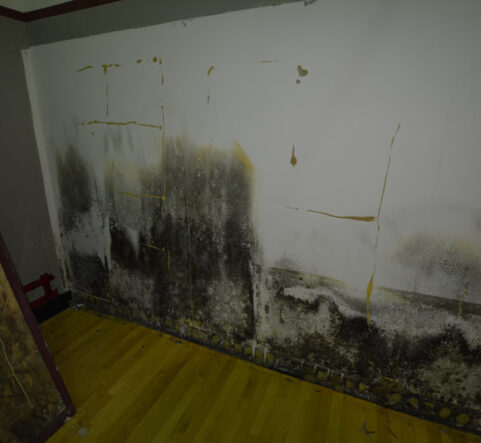
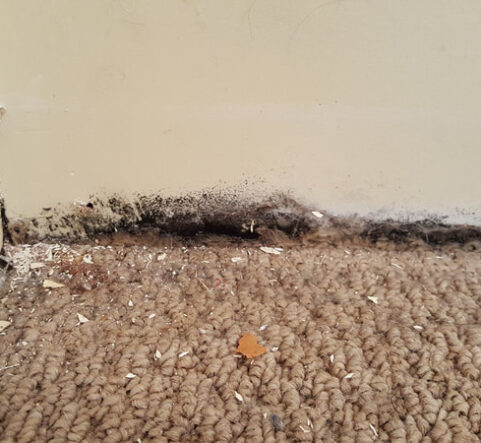
Growth may appear in many colours, including black, white, green or orange. However, colour alone does not identify the species or determine the level of risk. For that reason, a proper inspection should focus on visible growth, moisture conditions, affected materials and the extent of contamination.
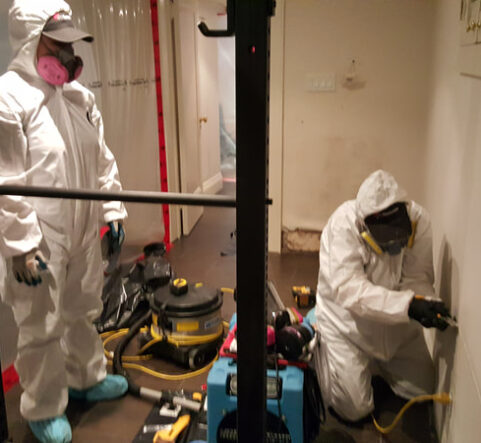
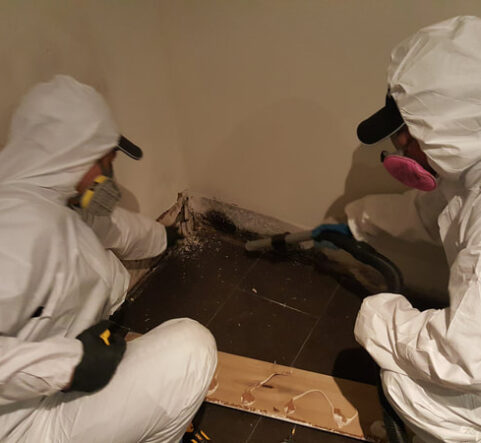
Effective mold remediation in Red Deer involves more than wiping visible growth from a surface. Disturbing contaminated materials without proper controls can spread particles into nearby areas. Therefore, our team uses appropriate containment, cleaning, filtration and material-removal methods based on the conditions found during the inspection.
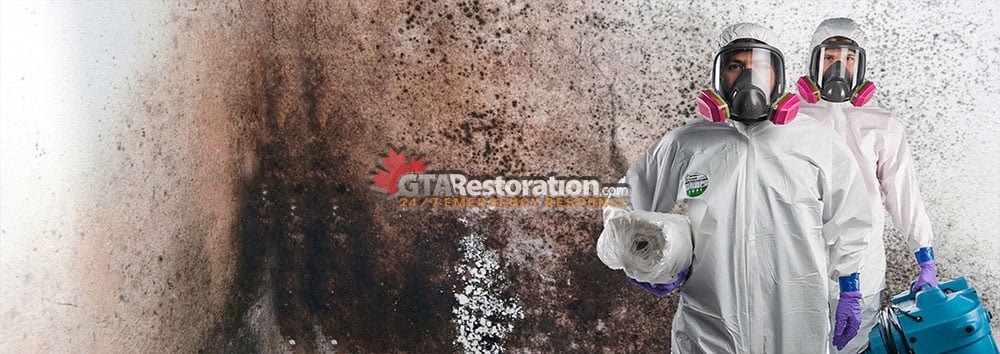
Mold Inspection in Red Deer
A professional mold inspection begins with a detailed visual review of the affected area and nearby building materials. The technician looks for visible growth, staining, moisture damage and conditions that may support mold development.
Next, the inspection focuses on the source of moisture. Common causes include plumbing leaks, roof leaks, basement seepage, condensation, high indoor humidity and previous water damage. Identifying and correcting the moisture source is an important part of preventing the problem from returning.
Where appropriate, technicians may also use moisture meters or infrared imaging to help locate hidden damp areas. These tools can support the inspection, but they do not replace visual assessment or direct moisture readings.
When Mold Testing May Be Helpful
Mold testing is not necessary for every situation. In many cases, visible mold growth and moisture damage already provide enough information to plan remediation. However, testing may be useful when the source is unclear, when there are no visible signs of mold, or when documentation is required for a specific property or project.
Laboratory analysis can help identify the types of mold present in a sample. Air sampling can also compare indoor and outdoor spore levels when that information is relevant to the inspection. Test results should be interpreted together with visual findings, moisture conditions and the history of the building.
Testing should not be used as the only basis for deciding whether remediation is needed. The overall condition of the property and the source of moisture remain central to the remediation plan.
Air Sampling and Indoor Mold Assessment
Air sampling can provide additional information about airborne mold particles inside a property. When used appropriately, indoor samples may be compared with outdoor samples to help assess whether unusual airborne conditions are present.
However, air testing does not reveal every hidden mold source, and a single sample does not describe all conditions throughout a building. For this reason, air sampling works best as part of a broader inspection that includes visual assessment and moisture investigation.
Direct Surface Mold Testing
Surface sampling may help identify mold growing on a visible material. Common methods include tape-lift or swab samples collected from the affected surface and sent to a laboratory for analysis.
These methods can support an inspection when species identification is useful, but they do not replace an assessment of the moisture source or the extent of damage. The remediation plan should always consider the full condition of the affected area.
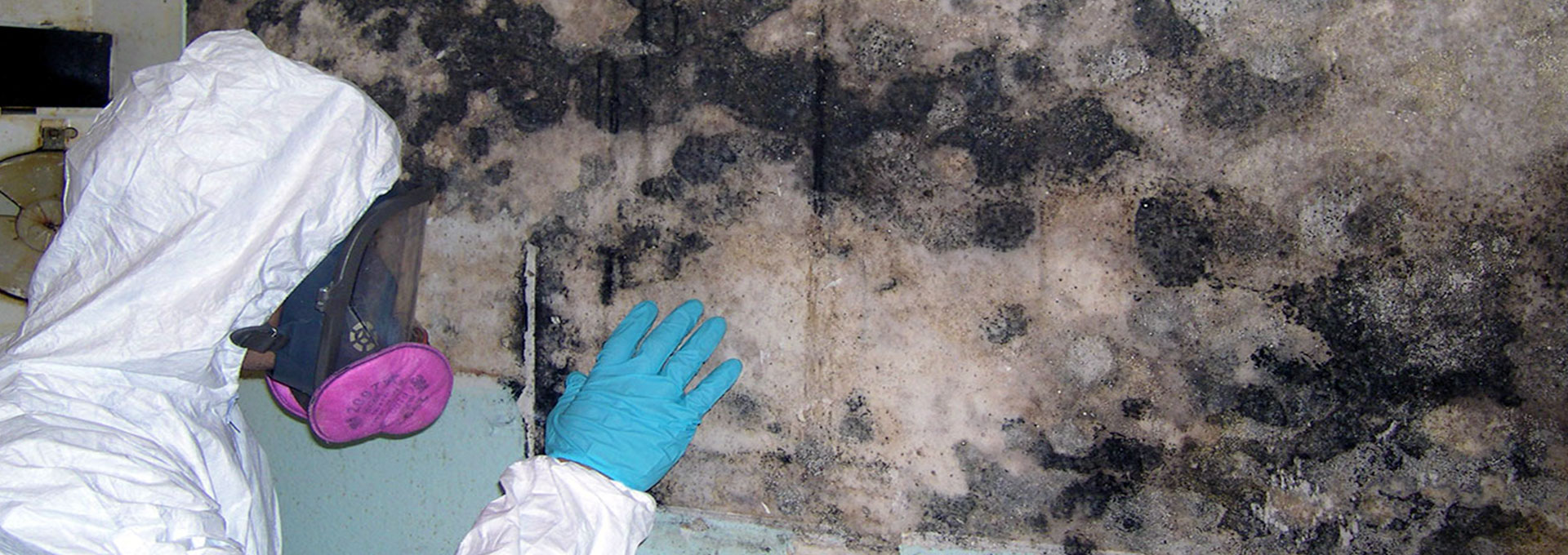
Professional Mold Remediation in Red Deer
Once the inspection identifies the affected areas and moisture source, the remediation process can begin. The first priority is correcting the moisture problem. After that, technicians can contain the work area and remove or clean affected materials according to the level of contamination.
The process may include HEPA filtration, controlled removal of damaged porous materials, cleaning of remaining surfaces and detailed final cleaning. The exact scope depends on the materials involved, the size of the affected area and the conditions found during the inspection.
After remediation, technicians may perform final moisture checks and a visual review before reconstruction begins. When third-party clearance testing forms part of the project, it should take place after the remediation work is complete.
Repairs and Reconstruction
After remediation and drying are complete, damaged finishes may need repair or replacement. This can include drywall, insulation, trim, paint or other building materials. Coordinating repairs after the affected area is dry helps prevent new finishes from covering unresolved moisture problems.
Mold on Different Building Materials
Mold can affect different materials in different ways. Porous materials such as drywall, ceiling tiles and insulation may require removal when contamination is extensive. In contrast, some non-porous or semi-porous surfaces may be suitable for professional cleaning.
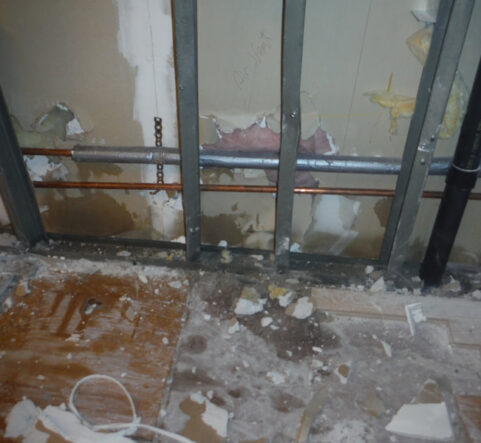
Do not rely on surface wiping alone when mold has spread beyond a small area or entered wall cavities. The visible growth may represent only part of the affected area. A proper inspection can help determine how far the contamination extends.
For larger mold problems, avoid dry brushing, sanding or disturbing contaminated materials without proper controls. These actions can spread particles throughout the property. Professional containment and filtration can help limit cross-contamination during remediation.
Mold After Water Damage
Water damage is one of the most common conditions that leads to mold growth. A leaking pipe, flooded basement, roof leak or appliance failure can introduce moisture into drywall, insulation and framing. If these materials remain damp, mold may begin developing under suitable conditions.
For this reason, mold remediation often works together with water damage restoration and specialty drying. Correcting the source and drying the structure are essential steps before rebuilding.
Residential and Commercial Mold Removal Red Deer
GTA Restoration provides mold inspection and remediation support for homes, rental properties, offices, commercial buildings and other properties in Red Deer. Each project requires a site-specific plan based on the amount of mold, affected materials and source of moisture.
For additional information about indoor moisture and mold, see Health Canada’s guidance on moisture and mould.
Need mold removal in Red Deer?
Discuss your property, mold concerns and remediation options with GTA Restoration.
Red Deer Water Damage | Mold Removal & Remediation | Toronto Mold Removal | How To Know When Mold Remediation is Required | Mold Air Test Review for Homes and Buildings Red Deer Mold Removal & Mold Remediation Gallery
For non-emergencies use our contact form
Professional Mold Removal in Red Deer
Mold can spread when moisture remains inside walls, ceilings, floors or other building materials. GTA Restoration provides professional mold removal in Red Deer for homes, rental properties and commercial buildings. Our approach focuses on the moisture source, affected materials and the extent of contamination.
Mold Inspection and Moisture Detection
A proper inspection helps determine where mold is growing and what may be causing it. Technicians look for visible growth, staining, moisture damage and hidden damp areas. Moisture meters and infrared imaging can also help identify areas that require closer investigation.
When Mold Testing Is Useful
Mold testing may provide useful information when the source is unclear or documentation is required. However, testing is not necessary for every visible mold problem. The inspection findings, building history and moisture conditions should guide the decision.
Mold Remediation and Containment
Larger mold problems often require controlled remediation. Depending on the site conditions, the work may include containment, HEPA filtration, material removal and detailed cleaning. These steps help limit the spread of contamination during the work.
Basement Mold
Basements often develop mold after flooding, foundation seepage, plumbing leaks or high humidity. Because moisture can remain behind finished walls, proper drying and moisture checks are important before repairs begin.
Bathroom and Attic Mold
Bathrooms and attics can develop mold when ventilation or moisture control is poor. Condensation, roof leaks and trapped humidity can all contribute to growth. Correcting the source is an important part of long-term prevention.
Mold After Water Damage
Water damage can create conditions that support mold growth. Therefore, fast extraction and structural drying can reduce the amount of time building materials remain wet. If mold is already present, the remediation plan should address both moisture and contamination.
Residential Mold Removal
We provide mold inspection and remediation services for houses, condos, apartments and other residential properties. Each project receives a site-specific plan based on the affected area and materials involved.
Commercial Mold Remediation
Commercial properties may require additional planning to limit disruption and protect unaffected areas. GTA Restoration can assist property owners and managers with mold assessment, containment and remediation planning.
Preventing Mold From Returning
Long-term prevention starts with moisture control. Repair leaks, improve drainage, manage indoor humidity and dry wet materials promptly. Regular inspections can also help identify small problems before they become larger ones.
Mold Removal Services in Red Deer
If you see mold, notice a persistent musty odour or suspect hidden moisture, GTA Restoration can assess the affected area and recommend the next steps. The goal is to address the source and complete the remediation work before reconstruction begins.
Need mold removal in Red Deer?
Share the affected rooms and any recent leaks so the team can discuss inspection and cleanup needs.
Service Areas Across Canada
GTA Restoration serves communities across Canada, including Toronto and the GTA. U.S. locations are opening. Browse our Canadian service areas below, and contact us to confirm services and availability for your address.
Search
- Air Duct Cleaning Montreal
- Ajax Asbestos Removal
- Ajax Mold Removal
- Ajax Water Damage
- Asbestos Removal Calgary
- Asbestos Removal Edmonton
- Asbestos Removal Fort Saskatchewan
- Asbestos Removal Gloucester
- Asbestos Removal Grimsby
- Asbestos Removal Hamilton
- Asbestos Removal Kanata
- Asbestos Removal Kitchener
- Asbestos Removal Laval
- Asbestos Removal Lincoln
- Asbestos Removal Montreal
- Asbestos Removal Nepean
- Asbestos Removal Niagara Falls
- Asbestos Removal Orleans
- Asbestos Removal Ottawa
- Asbestos Removal Sherwood Park
- Asbestos Removal Spruce Grove
- Asbestos Removal St Catharines
- Asbestos Removal St-Albert
- Asbestos Removal Thorold
- Asbestos Testing Hamilton
- Asbestos Testing Montreal
- Asbestos Testing Petersburg
- Aurora Mold Removal
- Aurora Water Damage
- Beaconsfield Asbestos Removal
- Brampton Asbestos Removal
- Brampton Mold Removal
- Brampton Water Damage
- Burlington Asbestos Removal
- Burlington Mold Removal
- Burlington Water Damage
- Burst Pipe Montreal Frozen Pipe
- Burst Pipe Repair Edmonton
- Burst Pipe Repair Ottawa
- Caledon Mold Removal
- Caledon Water Damage
- Calgary Mold Removal
- Calgary Water Damage
- Cambridge Mold Removal
- Cambridge Water Damage
- Clarington Mold Removal
- Concord Mold Removal
- Concord Water Damage
- Cooksville Mold Removal
- Edmonton Water Damage
- Emergency Roofing Vancouver
- Etobicoke Asbestos Removal
- Etobicoke Mold Removal
- Etobicoke Water Damage
- Fire Damage Grimsby
- Fire Damage Lincoln
- Fire Damage Niagara Falls
- Fire Restoration Fort McMurray
- Fire Damage Restoration Thorold
- Fire Damage St Catharines
- Flood Cleanup Grimsby
- Flood Cleanup Lincoln
- Flood Cleanup Niagara Falls
- Flood Cleanup St Catharines
- Flood Cleanup Thorold
- London Mold Removal
- London Water Damage
- Markham Asbestos Removal
- Markham Mold Removal
- Markham Water Damage
- Mississauga Asbestos Testing
- Mississauga Mold Removal
- Mississauga Water Damage
- Mold Inspection Removal Kitchener
- Mold Remediation Montreal
- Mold Removal & Inspection LaSalle
- Mold Removal Anjou
- Mold Removal Boucherville
- Mold Removal Brossard
- Mold Removal Burnaby
- Mold Removal Chambly
- Mold Removal Chateauguay
- Mold Removal Chomedey
- Mold Removal Coquitlam
- Mold Removal Dollard Des Ormeaux
- Mold Removal Dorval
- Mold Removal Edmonton
- Mold Removal Fort Saskatchewan
- Mold Removal Gloucester
- Mold Removal Grimsby
- Mold Removal Hamilton Inspection
- Mold Removal Ile Bizard
- Mold Removal in Osgoode
- Mold Removal Beaconsfield
- Mold Removal Kahnawake
- Mold Removal Kanata
- Mold Removal Kirkland
- Mold Removal Laval
- Mold Removal Lincoln
- Mold Removal Longueuil
- Mold Removal Montreal East
- Mold Removal Mount Royal
- Mold Removal Nepean
- Mold Removal New Westminster
- Mold Removal Niagara Falls
- Mold Removal Orleans
- Mold Removal Ottawa
- Mold Removal Cumberland
- Mold Remediation Hampstead
- Mold Removal Remediation Roxboro
- Mold Removal Richmond BC
- Mold Removal Rideau Lakes
- Mold Removal Rockcliffe Park
- Mold Removal Saint Hubert
- Mold Removal Saint Laurent
- Mold Removal Sherwood Park
- Mold Removal Spruce Grove
- Mold Removal St Catharines
- Mold Removal Ste Dorothee
- Mold Removal St۔ Albert
- Mold Removal Surrey
- Mold Removal Thorold
- Mold Removal Vancouver
- Mold Removal Vanier
- Mold Removal Westmount
- Montreal Biohazard Cleanup
- Montreal Emergency Plumber
- Montreal Fire Restoration
- Montreal Flood Cleanup
- Montreal Odor Removal
- Montreal Roofing Emergency
- Montreal Sewer Backup Cleanup
- Montreal Water Leak Detection
- Montréal Asbestos Removal
- Montréal Emergency Plumbing
- Montréal Mold Removal
- Montréal Pipe Burst Emergency
- Montréal Water Damage
- Newmarket Mold Removal
- Newmarket Water Damage
- North York Mold Removal
- Oakville Mold Removal
- Oakville Water Damage
- Oshawa Mold Removal
- Oshawa Water Damage
- Ottawa Air Duct Cleaning
- Pickering Mold Removal
- Pickering Water Damage
- Red Deer Water Damage
- RedDeer Mold Removal
- Richmond Hill Mold Removal
- Richmond Hill Water Damage
- Roof Repair Lincoln
- Roof Repair Niagara Falls
- Roof Repair St Catharines
- Scarborough Asbestos Removal
- Scarborough Mold Removal
- Scarborough Water Damage
- Sewage Cleanup Edmonton
- Sewer Backup Lincoln
- Sewer Backup Niagara Falls
- Sewer Backup Ottawa
- Sewer Backup St Catharines
- Thornhill Mold Removal
- Toronto & GTA Asbestos Removal
- Toronto & GTA Mold Removal
- Toronto Air Duct Cleaning
- Toronto Water Damage
- Unionville Mold Removal
- Unionville Water Damage
- Vancouver Asbestos Removal
- Vancouver Biohazard Cleanup
- Vancouver Emergency Plumber
- Vancouver Emergency Plumbing
- Vancouver Fire Restoration
- Vancouver Flood Cleanup
- Vancouver Mold Removal
- Vancouver Odor Removal
- Vancouver Pipe Burst Emergency
- Vancouver Sewer Backup Cleanup
- Vancouver Water Damage
- Vancouver Water Leak Detection
- Vaughan Mold Removal
- Vaughan Water Damage
- Vermiculite Removal Ottawa
- Water Damage Grimsby
- Water Damage Kanata
- Water Damage Kitchener
- Water Damage Lincoln
- Water Damage Longueuil
- Water Damage Nepean
- Water Damage Niagara Falls
- Water Damage Orleans
- Water Damage Ottawa
- Water Damage Repair Montreal
- Water Damage Laval Montreal
- Water Damage Restoration Thorold
- Sewage Backup Cleanup Montreal
- Water Damage St Catharines
- Water Damage Vancouver
- Water Flood Damage Repair Hamilton
- Flood Damage Repair Hampstead
- Whitby Water Damage
- Woodbridge Asbestos Removal
- Woodbridge Mold Removal
- Woodbridge Water Damage
- Restoration Equipment Rental
Mold Removal Red Deer FAQs
What causes mold growth in Red Deer properties?
Leaks, flooding, condensation, high humidity and other moisture problems can create conditions that support mold growth.
Do I always need mold testing?
No. Visible mold and moisture damage may provide enough information to plan remediation. Testing can help when the source is unclear or documentation is required.
Can mold grow behind drywall?
Yes. Moisture can remain inside wall cavities and affect drywall, insulation and framing even when the surface looks dry.
What happens during mold remediation?
The process may include moisture-source correction, containment, HEPA filtration, material removal and detailed cleaning based on site conditions.
Can mold return after remediation?
Mold can return if the moisture problem continues. Therefore, correcting leaks, humidity or other water sources is an important part of prevention.
Learn more ↴ 
Latest Blog
Latest Articles
Direct Billing & Insurance Claims
Ask your insurer about coverage, deductibles and the records it needs.

In-House Financing Available
Financing up to 24 months. No interest. No money down. Ask us about the terms.
Certifications & Insurance
View our firm certification, technician qualifications and insurance documents.

IICRC Certified Firm
GTA Restoration Inc.
Firm number 199912
Valid through
Business Insurance
GTA Restoration Group Inc.
$5 million general liability per occurrence
$8 million contractors pollution per claim
–
IICRC Technician Qualifications
Richard Mark Provence · Registration 55726
Certificate expires
Water Damage Restoration · Fire & Smoke Restoration · Applied Microbial Remediation · Odor Control · Trauma & Crime Scene
View technician verification (PDF) — opens in a new tabInsurance is subject to policy terms, conditions and exclusions.
 Facebook
 Instagram
 LinkedIn
 X / Twitter
 YouTube