
For non-emergencies use our contact form
The first hour after a leak, flood, or sewer backup matters more than most property owners realize. If you are wondering how to document water damage, the goal is not just to take a few pictures. You need a clear record of what happened, what was affected, and what was done to prevent the damage from getting worse.
Good documentation protects you on two fronts. It helps support an insurance claim, and it creates a reliable timeline for restoration, repairs, and any follow-up disputes. When details are missed early, property owners often end up arguing over scope, cause, or cost later.
How to document water damage from the start
Start documenting before cleanup begins, as long as it is safe to enter the area. Safety comes first. If there is standing water near outlets, electrical equipment, gas appliances, or structural damage, stay out and wait for qualified emergency professionals.
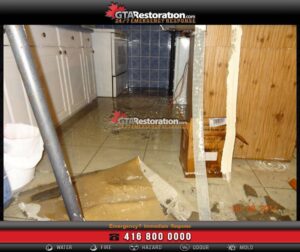
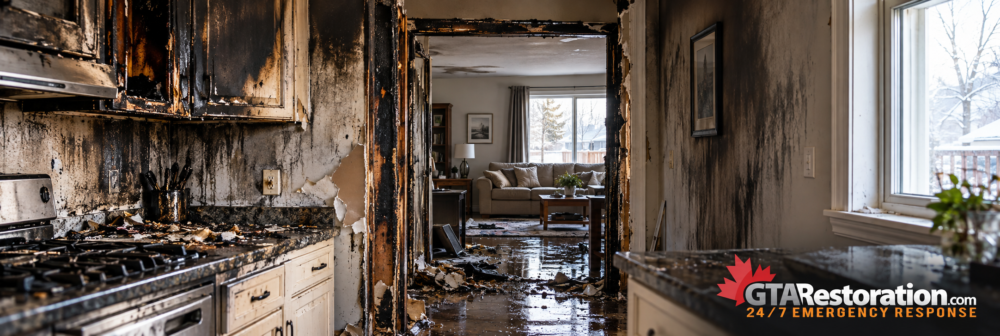
Once the area is safe, use your phone to capture the full scene. Begin with wide shots of each affected room so the overall extent is obvious. Then move closer and photograph specific damage such as wet drywall, swollen baseboards, stained ceilings, damaged flooring, soaked insulation, warped cabinets, or personal contents. If the source is visible, photograph that too. A burst supply line, failed appliance hose, roof leak, overflowing toilet, or sump pump failure should all be recorded clearly.
Do not stop at still photos. Video is useful because it shows the relationship between rooms, the spread of water, and active issues like dripping, pooling, or ceiling bulging. Narrating the video can help. State the date, time, location in the property, and what you are seeing.
If possible, keep the camera timestamp setting on. Insurance adjusters and restoration teams prefer documentation that is easy to place in sequence.
Write down what happened while it is still fresh
Photos show damage, but written notes explain the event. Record when you first noticed the problem, who discovered it, and what conditions were present. If you came home to a flooded basement, note whether water was clean, gray, or contaminated, whether the power was shut off, and whether water was still entering the property.
Be specific about the likely source, but avoid guessing if you do not know. It is better to write, “water was observed coming from behind the washing machine” than to state a cause as fact before it has been confirmed. In many claims, the exact source becomes a key issue.
Your notes should also include immediate actions taken. For example, write down if you shut off the main water supply, called emergency plumbing, moved contents, used towels to contain spread, or contacted building management. This helps show that you acted promptly to reduce further damage.
Make a room-by-room damage inventory
One of the most effective ways to document water damage is to inventory the property systematically. Go room by room and list affected building materials and contents. Include visible damage, but also note materials that are likely wet even if the surface looks minor.
For example, a small ceiling stain may mean insulation above is saturated. A damp patch on drywall may extend much farther inside the wall cavity. Laminate flooring often traps moisture underneath. In condos and commercial spaces, water can migrate beyond the original unit, so adjacent walls, shared corridors, and lower levels may also need to be included.
For contents, list the item, approximate age, condition before the loss, and any visible damage. Furniture, rugs, electronics, documents, inventory, and stored items should all be recorded. If you have receipts, manuals, model numbers, or previous photos showing the items before the loss, keep those with your file.
This does not need to be perfect on day one. It does need to be organized. A basic spreadsheet or notes app is enough if it helps you track everything consistently.
Save proof of every emergency expense
Water losses create immediate costs, and those costs should be documented as carefully as the damage itself. Save receipts for emergency plumbing, extraction, temporary drying equipment, hotel stays, protective materials, parking, laundry, and any urgent supplies bought to stabilize the situation.
The same applies to contractor reports and invoices. If a restoration team performed water extraction, moisture mapping, demolition, or antimicrobial treatment, request written documentation. These records support the scope of work and show that professional mitigation was started quickly.
There is a practical balance here. In an emergency, speed matters. You may not have time to build a perfect paper trail before action starts. Still, the more complete your records are, the easier it is to justify the costs later.
Do not throw damaged items away too early
This is a common mistake. Many property owners begin clearing out soaked materials before those items have been fully documented. Unless there is an immediate safety or contamination risk, photograph and list damaged contents before disposal.
If the material is hazardous or unsanitary, such as sewage-affected contents, document first and then follow professional guidance on safe removal. In category 2 or category 3 water losses, health risks can outweigh the need to preserve every item physically. In those cases, strong photos, videos, and disposal records become even more important.
If anything is discarded, note what it was, why it was removed, and who recommended disposal. A simple dated log can prevent questions later.
Include moisture readings and professional findings when available
If a certified restoration contractor inspects the property, ask for copies of moisture maps, drying logs, equipment placement records, and inspection notes. These documents carry weight because they show conditions that are not always obvious in photos.
This matters in cases where damage spreads behind walls, under flooring, or into shared building assemblies. Water is not always visible where it is most active. Infrared imaging, moisture meters, and humidity readings help confirm the true extent of the loss.
For property managers and commercial operators, this level of documentation is especially useful. It supports not only the insurance process but also tenant communication, maintenance records, and compliance-related decisions. In multi-unit or mixed-use buildings, accurate technical records reduce confusion fast.
How to document water damage for insurance without creating problems
Insurance documentation should be factual, complete, and consistent. That means avoiding exaggeration, but also avoiding understatement. If you are not sure whether a material is permanently damaged or just wet, describe what you see rather than making a final judgment yourself.
Keep all communication in one place. Save claim numbers, adjuster names, emails, call logs, and requested forms. If you speak with your insurer by phone, write down the date, time, and what was discussed. If an adjuster visits the property, note what areas were inspected and what instructions were given.
It also helps to keep a timeline. Start with the discovery of the loss, then add each major event such as emergency shutoff, first call for help, site visit, mitigation work, contents removal, and follow-up inspections. When several contractors, occupants, or building representatives are involved, a timeline keeps the file clear.
There is one more point many owners miss. Document unaffected areas too. Showing where water did not spread can help define the loss accurately and avoid confusion about pre-existing conditions.
Common documentation mistakes to avoid
The biggest mistake is waiting. Water damage changes by the hour. Materials swell, stains spread, mold risk increases, and cleanup crews may need to remove damaged sections quickly. If you wait until after mitigation starts, you lose part of the original record.
Another mistake is taking too few photos. One or two images rarely capture enough detail. A third is failing to identify where each photo was taken. If you have ten close-ups of wet drywall and no room labels, they become less useful.
Property owners also run into trouble when they rely only on memory. In a stressful emergency, details blur fast. Written notes, timestamps, and saved receipts are much more reliable than trying to reconstruct events days later.
When the loss is extensive, professional help makes a difference. A qualified restoration team can document conditions while containing the damage, and that combination is often what keeps a manageable loss from becoming a long, expensive one. Companies like GTA Restoration build this into the response because mitigation and documentation need to happen together, not as separate tasks.
The best approach is simple: record early, record thoroughly, and keep everything in one place. When water hits your property, clear documentation gives you control at a time when things can start moving very quickly.


 Facebook
  Instagram
  LinkedIn
  X / Twitter
  YouTube