...

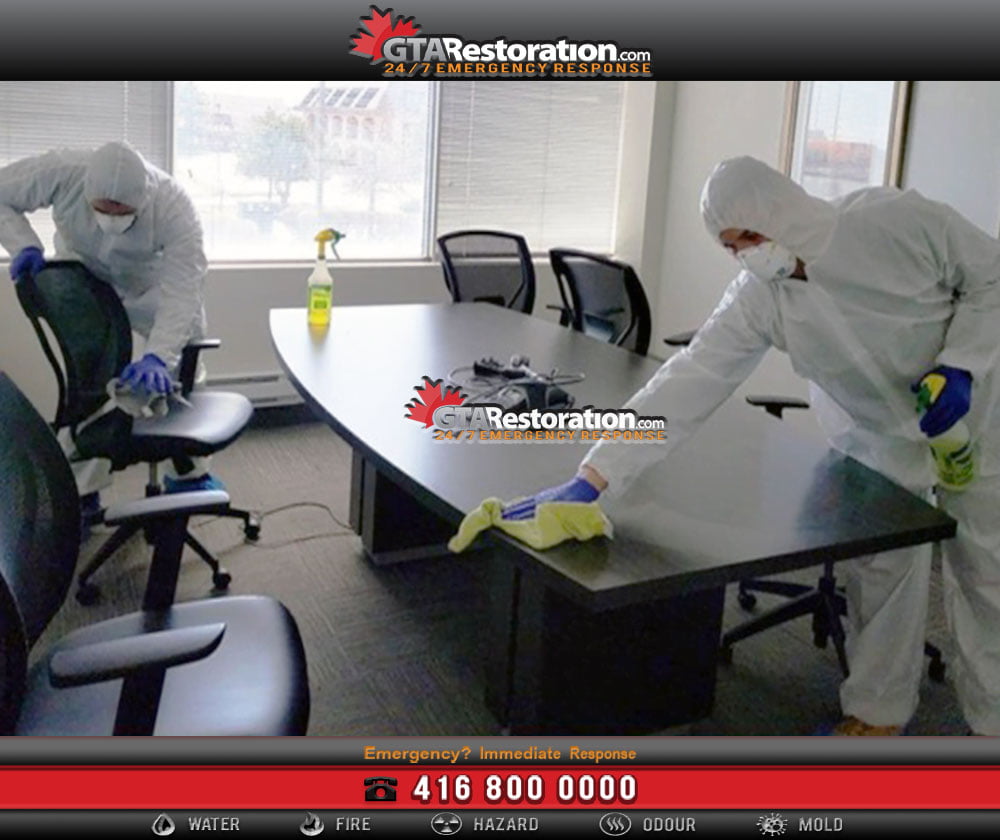
Workers in protective clothing wiping office tables and chairs, illustrating virus outbreak cleaning.


Virus Outbreak Cleaning: Make a Plan

Virus outbreak cleaning helps remove germs from surfaces in shared spaces. First, plan which rooms to clean and which products to use. However, surface cleaning is only part of the work. Fresh air and other health measures matter too.

Plan virus outbreak cleaning around local public health advice. Therefore, match the work to the virus and site users.

Call Us: 416-800-0000

Check the Site and Plan Access

List rooms and shared items that need cleaning. Then, note when people last used each space. Also, review any health advice already received.

Choose one person to manage access. Next, keep people out as the work plan requires. Share only the health details needed for the job.

Care homes and healthcare sites need their own infection control plans. Public Health Ontario’s cleaning resources can help those teams.

Clean Before Outbreak Disinfection

Cleaning removes dirt and many germs. Disinfection treats a surface to kill or inactivate germs. Therefore, include both steps in virus outbreak cleaning.

First, remove visible dirt. Then, use the right disinfectant. For a combined cleaner-disinfectant, follow the label for each step.

Focus on handles, switches, taps and shared desks. Also, change dirty cloths to avoid moving germs between areas. The CCOHS workplace cleaning guide explains staff training and safe work methods.

Choose Products for Virus Outbreak Cleaning

Use a disinfectant approved by Health Canada. Its label must cover the virus, surface and setting. However, one product may not work against every virus.

Check how much to use and whether to dilute it. Also, check the expiry date. Read the use directions because a “hospital-grade” label is not enough.

Fabrics, screens and food-contact surfaces may need different care. Therefore, follow the item’s care guide and the product label. Rinse after use if the label requires it.

Keep Surfaces Wet for the Right Time

Keep the surface wet for the full time on the label. This is the contact time. However, it can vary by product and virus.

Do not assume one minute is enough. Also, do not wipe the product off too soon. Therefore, allow time for this step in your outbreak disinfection plan. Then, follow the drying and rinsing directions.

Protect Staff During Post-Outbreak Cleaning

Train staff before work starts. Then, choose gloves, eye protection and other gear for the task. Check product labels, safety data sheets and the site’s risk review.

Never mix cleaning chemicals. Follow the site’s rules for waste, used cloths and laundry. Also, wash hands after taking off gloves. Body-fluid spills need trained staff and a suitable spill plan.

Review Fresh Air and Filters

For viruses that spread through the air, virus outbreak cleaning needs other controls too. For example, good ventilation and air filters help reduce germs in shared air.

Ask qualified building staff to check airflow and filters. Do not shut off the HVAC system or seal vents as a routine step. Instead, base changes on a site review and expert advice.

The City of Toronto’s indoor air guide explains these measures. Clean surfaces cannot replace clean-air measures.

Check the Rules Before Fogging

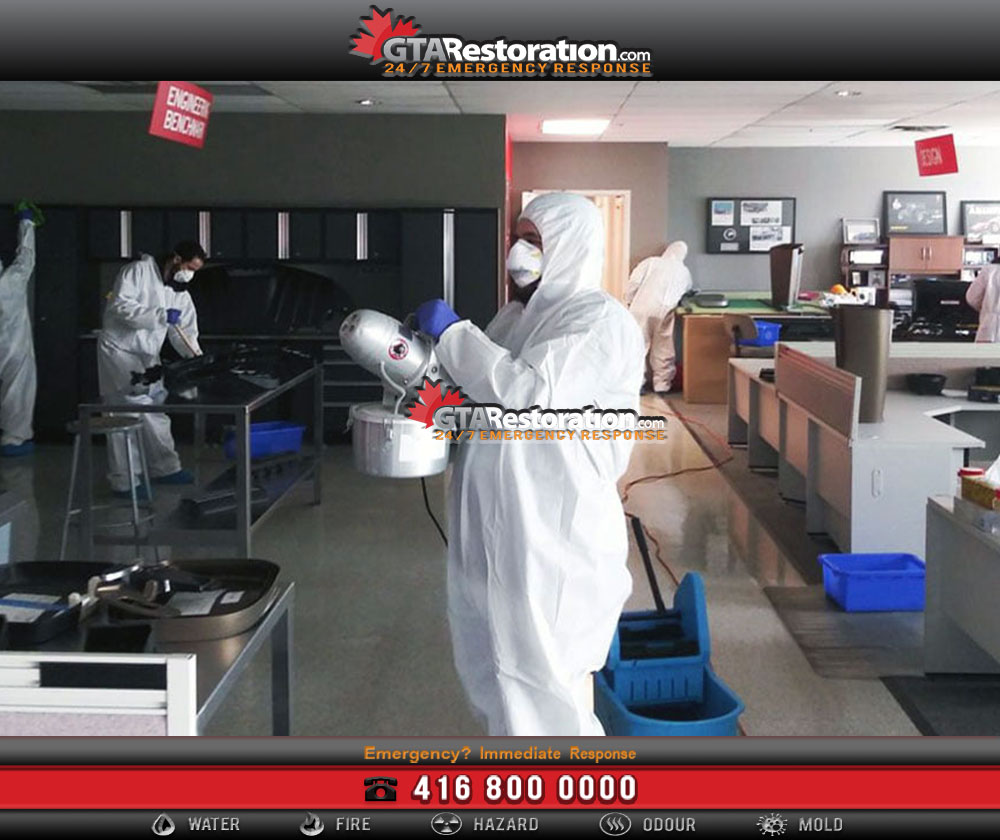
Fogging is not a required step for every job. Likewise, electrostatic spraying is not always needed. A mist does not prove that all surfaces received the right dose.

Therefore, use only a method that the product label allows. Follow all safety steps. The EPA’s spray-method advice explains this point. In Canada, follow the product’s approved Canadian uses and label.

Check Virus Outbreak Cleaning Before Reopening

Record the Work and Review Access

Record rooms treated, products used and checks completed. Also, list missed areas and work still to do.

Before people return, check the label’s rules and the site plan. Also, follow any public health directions. A room that looks clean is not proof of a virus-free space.

Keep Up Cleaning After a Virus Outbreak

Finally, assign daily tasks and restock supplies. Also, review the plan as needs change. Virus outbreak cleaning works alongside hand hygiene, staff training and illness policies.

For help with the work, explore our Toronto disinfection service. Owners can also discuss access and scheduling through our commercial property support.


Need Cleaning Help for Your Building?

Call GTA Restoration to discuss the rooms, work scope and access needs at your Toronto or GTA property.

Call Us: 416-800-0000

Learn More

Disinfection Service Options | Commercial Property Support
Share this... Spread the word!


Plan Your Virus Outbreak Cleaning Visit

Help the team plan the work. Gather site notes and health advice before booking cleaning after a virus outbreak.

1. Name a Site Contact

First, choose one person to answer questions. Share a phone number the team can use during the visit.

2. List Rooms to Clean

Note shared rooms, washrooms and busy routes. Then, flag areas that need to stay closed while work takes place.

3. Share Health Advice

Pass on instructions from public health or your care team. However, share personal details only when needed.

4. Note Items That Need Care

List screens, fabrics and food-contact surfaces. Also, provide care guides for items that could be damaged by some products.

5. Agree on the Work

Check which tasks the quote covers. In addition, discuss waste, laundry and hard-to-reach spots before the visit.

6. Involve Building Staff

Connect the cleaning team with your site staff. Then, review airflow and access needs for the planned work.

7. Keep Outbreak Disinfection Notes

Ask what the team will record. Include products and rooms treated, plus any tasks still to finish.

8. Plan Ongoing Checks

Finally, assign daily cleaning tasks. Agree on when rooms can reopen and who will check for new health advice.


Need a cleaning plan for your property?
Call GTA Restoration to discuss the site, work and timing.

Call Us: 416-800-0000


GTA Service Centre


Virus Outbreak Cleaning FAQs

Can cleaning make a building virus-free?

No service can promise that. Cleaning helps reduce risk. However, people can bring germs back into the space.

Which product should the team use?

Use a disinfectant approved by Health Canada for the virus and surface. Then, follow its label.

How long should a surface stay wet?

Follow the time on the label. It varies, so do not assume one minute will work.

Does every job need fogging?

No. Outbreak disinfection must use methods the label allows. Also, fogging does not replace proper surface cleaning.

When can people return?

Follow the product label and site plan. Also, meet any public health rules before rooms reopen.


Learn more ↴


Direct Billing & Insurance Claims

Ask your insurer about coverage, deductibles and the records it needs.


Payment options

In-House Financing Available

Financing up to 24 months. No interest. No money down. Ask us about the terms.


Certifications & Insurance

View our firm certification, technician qualifications and insurance documents.

IICRC Certified Firm

GTA Restoration Inc.

Firm number 199912
Valid through

View IICRC certificate (PDF) — opens in a new tab

Business Insurance

GTA Restoration Group Inc.

$5 million general liability per occurrence
$8 million contractors pollution per claim
–

View insurance certificate (PDF) — opens in a new tab

IICRC Technician Qualifications

Richard Mark Provence · Registration 55726
Certificate expires

Water Damage Restoration · Fire & Smoke Restoration · Applied Microbial Remediation · Odor Control · Trauma & Crime Scene

View technician verification (PDF) — opens in a new tab

Insurance is subject to policy terms, conditions and exclusions.


Emergency? Click to Call!