A musty smell after a leak is not a minor annoyance. It is often the first sign that mold is already growing behind drywall, under flooring, or inside insulation. Effective mold removal starts with speed. The longer moisture sits, the more likely it is that a small cleanup turns into a larger remediation project with health risks, material damage, and insurance complications.
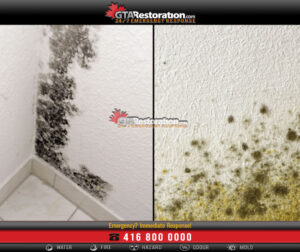
In Toronto and the GTA, mold problems often follow flooded basements, plumbing leaks, roof failures, condensation issues, and hidden water intrusion in condos and commercial spaces. What makes mold difficult is that the visible patch is rarely the full problem. By the time discoloration appears on a wall or ceiling, spores may already be established in adjacent materials and the moisture source may still be active.
Why mold removal is rarely just about cleaning
Many property owners assume mold can be handled with bleach and a fan. In a very limited situation, that may be enough. If the affected area is small, on a non-porous surface, and the moisture source has been fully corrected, surface cleaning might solve it. But that is not the typical emergency call.
Most serious mold cases involve porous materials such as drywall, wood trim, ceiling tiles, carpeting, and insulation. Once mold gets into those materials, wiping the surface does not remove the contamination. It may make the area look better temporarily while leaving the root problem in place. That is why professional mold removal focuses on three things at once: identifying the moisture source, containing affected areas, and removing contaminated materials safely when needed.
There is also a health and safety side to consider. Mold exposure can aggravate asthma, allergies, and respiratory sensitivity. In multi-unit properties or commercial buildings, delayed response can also affect adjacent spaces and create operational issues that spread beyond one room or suite.
The first 24 to 48 hours matter most
Mold growth can begin quickly after water intrusion. That is why the first response is not really about mold at all. It is about moisture control. If a pipe bursts, a basement floods, or a roof leak soaks insulation, drying has to begin immediately.
This is where many DIY efforts fall short. A few household fans and an open window may help a damp bathroom, but they are not enough for saturated building materials or hidden moisture in wall cavities. Professional drying equipment, moisture meters, and thermal imaging help determine how far water has traveled. Without that step, mold removal can become guesswork.
If the source of moisture is still active, cleanup should not start until it is contained. A plumbing leak has to be repaired. A roof entry point has to be secured. A foundation seepage issue has to be addressed. Otherwise, mold returns and the property owner pays twice.
When you can handle it yourself and when you should not
There are mold situations that a homeowner or maintenance team can address safely. A small patch on tile grout caused by localized bathroom humidity is very different from mold following sewage backup, recurring leaks, or long-term hidden moisture.
As a general rule, professional help is the safer choice when the affected area is larger than a small isolated patch, when mold is inside walls or ceilings, when the water source was contaminated, or when occupants have respiratory concerns. The same applies to condos, rental units, offices, and commercial facilities where liability, tenant impact, and documentation matter.
Trying to tear out contaminated drywall without containment can spread spores into unaffected parts of the building. Running HVAC during active contamination can make that worse. In occupied buildings, especially those with children, seniors, staff, or customers present, that risk is not worth taking lightly.
What professional mold removal usually involves
A proper response begins with inspection. That means identifying visible mold, tracing the moisture source, and determining whether contamination is likely limited or more widespread. In some cases, demolition is minimal. In others, wall cavities, insulation, underlayment, or baseboards need to be opened to assess the full extent of damage.
Containment comes before demolition
One of the biggest differences between handyman cleanup and professional remediation is containment. Work areas are isolated so disturbed spores do not migrate through the property. Depending on the situation, that may include physical barriers, controlled air movement, and negative air filtration.
This step is especially important in condos, apartment buildings, healthcare-adjacent spaces, and commercial properties where unaffected areas must remain safe and operational. Fast response matters, but controlled response matters just as much.
Removal is based on material condition
Non-porous materials can sometimes be cleaned and treated if they are structurally sound. Porous materials that have sustained active mold growth are often removed because contamination penetrates beyond the surface. Drywall, insulation, carpet pad, acoustic tiles, and some wood composites may not be salvageable.
This is one of the key trade-offs in mold removal. Property owners naturally want to save materials when possible. In some cases, that is realistic. In others, attempted salvage delays proper remediation and increases the chance of recurrence. The right decision depends on the type of material, how long it has been wet, the level of contamination, and whether the area can be dried to an acceptable standard.
Drying and clearance are part of the job
Once damaged materials are removed and surfaces are cleaned, the structure still has to be dried thoroughly. Moisture trapped in framing, subfloors, or concrete can restart the problem. Professional dehumidification and moisture verification are critical before any rebuilding begins.
For many property owners, this is where a full-service restoration company adds real value. The same team can address the emergency source, manage remediation, document the loss, and move into repairs or reconstruction without handing the project off between multiple contractors. That reduces downtime and confusion during an already stressful event.
Common causes of mold in Toronto and GTA properties
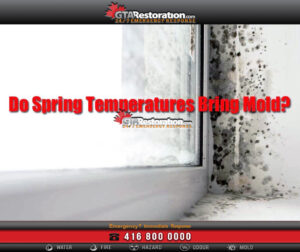
Mold is usually a symptom, not the original problem. In residential properties, the most common triggers are basement flooding, appliance leaks, plumbing failures, roof leaks, poor bathroom ventilation, and condensation near windows or exterior walls. In condos, recurring source issues may come from adjacent units, risers, fan coil leaks, or building envelope problems.
Commercial and multi-unit buildings add another layer of complexity. After-hours leaks, vacant suites, concealed mechanical failures, and tenant reporting delays can allow moisture to sit for days before anyone sees the damage. By then, mold removal may involve several units or common areas.
Older buildings are often more vulnerable because hidden cavities, aging plumbing, and prior repairs can conceal moisture patterns. Newer properties are not immune. Tighter construction can reduce natural drying, which means even a modest leak can create favorable conditions for mold if it is not addressed quickly.
Insurance, documentation, and why timing affects claims
Mold claims are not handled the same way in every policy. Coverage often depends on the original cause of loss, how quickly the issue was reported, and whether the damage resulted from a sudden event or long-term neglect. That is one reason documentation matters from day one.
Photos, moisture readings, scope notes, and records of emergency mitigation can all help establish what happened and what actions were taken to prevent further damage. For property managers and commercial operators, detailed reporting is also important for internal compliance, tenant communication, and business continuity planning.
If mold follows a covered water event, early professional involvement can make the claim process more straightforward. Delays tend to create questions about preventability, maintenance, and avoidable spread.
How to reduce the chance of mold coming back
Successful mold removal does not end when the visible growth is gone. Prevention depends on correcting the conditions that allowed it to grow in the first place. That usually means repairing leaks, improving drainage, controlling humidity, and making sure affected assemblies are fully dry before closing walls or reinstalling finishes.
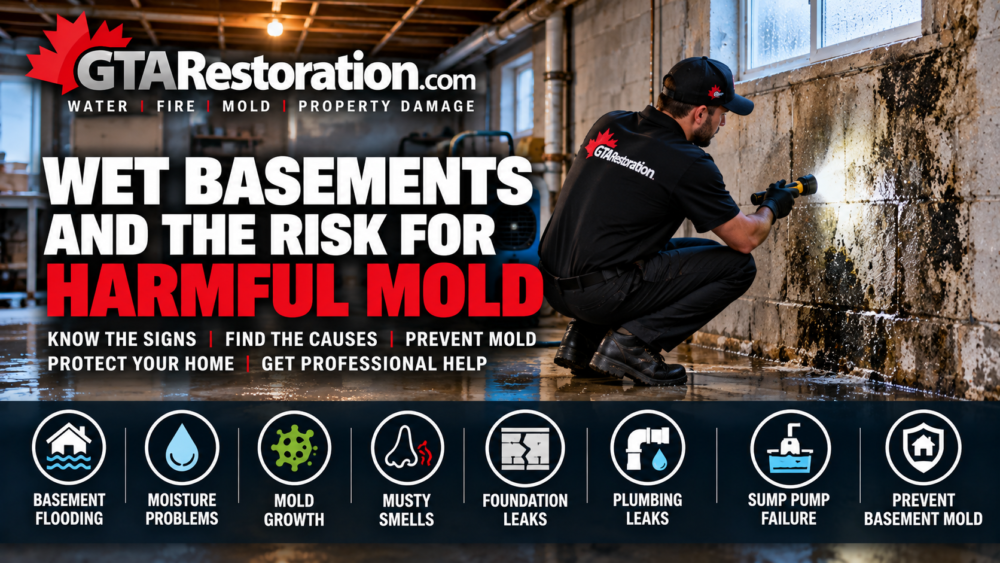
In basements, waterproofing or drainage correction may be part of the long-term fix. In bathrooms and laundry rooms, ventilation and routine moisture control matter more than most people realize. In commercial spaces, maintenance protocols and quick reporting systems can stop a minor water issue from becoming a major remediation project.
At GTA Restoration, emergency response is built around that reality. Mold problems do not happen in isolation. They are often tied to plumbing failures, water intrusion, drainage issues, or hidden building defects that need immediate attention and coordinated recovery.
If you see staining, smell mustiness, or suspect moisture behind walls after a leak, do not wait for mold to spread before acting. The best outcome usually comes from treating it like the time-sensitive property problem it is, not a cosmetic issue that can wait until next week.