You scrub the stain, spray the wall, run a fan for a day, and think the problem is handled. Then a week later, or a month later, the same dark spotting shows up again. If you are asking why does mold keep coming back, the answer is usually simple: the visible growth was removed, but the moisture source was not.
That is the part property owners across Toronto and the GTA often do not see right away. Mold is rarely a surface-only problem. It is a moisture problem first, and a cleaning problem second. If the area stays damp, humid, or poorly ventilated, mold spores will keep finding a way to regrow.
Why does mold keep coming back after cleaning?
Mold returns when one or more of the conditions that allowed it to grow in the first place are still present. In most homes, condos, and commercial properties, that means trapped moisture inside drywall, insulation, flooring, ceiling cavities, or behind cabinets. In other cases, the issue is high indoor humidity, an unnoticed plumbing leak, or a building envelope problem that keeps feeding moisture into the same area.
A lot of people assume bleach or store-bought mold spray solves the issue. Sometimes it removes the stain. That is not the same as solving the contamination. If spores remain inside porous materials, or if the material never fully dries, the mold often returns. Painted-over mold is another common reason for repeat growth. It may look better for a while, but it usually comes back through the paint once moisture builds up again.
There is also a timing issue. Mold can begin growing within 24 to 48 hours after water exposure under the right conditions. So even a small leak under a sink, behind a toilet, around a window, or above a ceiling tile can create an ongoing cycle of regrowth long before major visible damage appears.
The real reason mold keeps returning
The short answer is moisture. The more useful answer is that moisture can come from several different sources, and some are easy to miss.
Hidden plumbing leaks
This is one of the most common causes. A slow pipe leak behind a wall, a loose toilet seal, a dripping supply line, or a leaking shower pan can keep materials damp without creating an obvious flood. By the time mold appears on the surface, the cavity behind it may already be wet for weeks.
In condos and multi-unit properties, the source is not always inside the affected unit. Water can travel from neighboring units, mechanical rooms, risers, or common plumbing lines. That is why recurring mold in the same ceiling or wall area should never be treated as just a cleaning issue.
High humidity and condensation
Bathrooms, laundry rooms, kitchens, and basements are common trouble spots because humidity collects there quickly. If fans are weak, venting is poor, or air circulation is limited, condensation can form on walls, windows, pipes, and ceilings. That repeated moisture is enough to support mold growth.
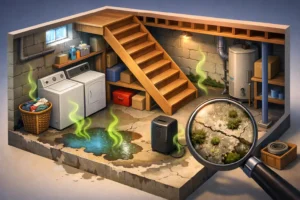
This is especially common in basements where cooler surfaces meet humid indoor air. It also shows up around exterior walls in winter, around HVAC ductwork, and in storage areas packed too tightly for airflow.
Water damage that was never fully dried
After a leak, flood, or sewer backup, materials may look dry on the outside while remaining wet underneath. Carpet padding, subfloors, baseboards, insulation, drywall, and framing can all hold moisture longer than expected. If drying equipment was not used properly, or not used long enough, the building can stay damp behind finished surfaces.
This is one reason mold often appears weeks after what seemed like a minor water event. The emergency may feel over, but the moisture load remains.
Building envelope problems
Roof leaks, failed caulking, cracked foundation walls, poor grading, clogged eavestroughs, and window penetration issues can all allow water into a structure. Sometimes the leak only appears during heavy rain, snowmelt, or certain wind conditions, which makes it harder to trace.
If mold keeps returning on an exterior wall, around a skylight, near windows, or in a top-floor ceiling, the issue may be coming from outside the building rather than from interior humidity.
Why DIY mold removal often fails
DIY treatment can work for a very small, isolated surface issue if the moisture source is obvious and corrected right away. But many repeat mold cases are not truly surface level.
Porous materials such as drywall, wood, insulation, ceiling tile, and carpet can absorb contamination below the visible area. Cleaning the surface does not remove what is embedded deeper inside. Disturbing mold without proper containment can also spread spores into nearby rooms, HVAC systems, and shared building spaces.
There is also a false sense of success that comes from making mold disappear visually. If the area was not inspected with moisture detection tools, there is no reliable way to know whether the substrate is dry or whether adjacent materials are affected. For landlords, property managers, and commercial operators, this matters even more because recurring mold complaints can turn into habitability, tenant, and liability issues.
Signs the problem is bigger than it looks
If mold keeps returning in the same place, that alone is a warning sign. But there are other clues that point to a more involved moisture problem.
A musty odor is one of the biggest red flags, especially if you cannot see major growth. Peeling paint, bubbling drywall, stained baseboards, soft trim, warped flooring, and persistent condensation also suggest hidden moisture. In basements, a damp smell after rain often points to seepage or waterproofing issues. In bathrooms, repeated spotting on ceilings may indicate poor exhaust or moisture entering from above.
For commercial properties and condos, pay attention to repeated occupant complaints in the same area, staining around mechanical penetrations, and recurring issues near shared plumbing walls. Those patterns usually mean the source has not been isolated yet.
What it takes to stop mold from coming back
Stopping mold for good usually requires three things: identify the moisture source, dry the affected materials properly, and remove contaminated materials when needed.
Find the source, not just the stain
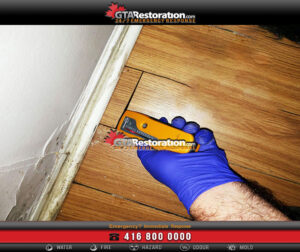
A professional assessment should look beyond the visible growth. That may include moisture mapping, thermal imaging, targeted opening of suspect areas, and inspection of plumbing, roofing, ventilation, or foundation conditions. If the source is missed, the mold problem stays active.
Dry the structure completely
Air movers alone are not always enough. Depending on the type of loss, proper drying may require dehumidification, controlled demolition, cavity drying, and moisture readings to confirm that materials have returned to acceptable levels. This is where many repeat cases begin – the job looked dry, but it was never verified.
Remove what cannot be saved
Not every material can be cleaned successfully. Drywall, insulation, carpet padding, and heavily affected porous contents may need to be removed and replaced. Non-porous and semi-porous materials can sometimes be cleaned, but it depends on the extent of growth and how long the moisture issue has been present.
Correct the conditions that allow regrowth
That may mean repairing leaks, improving bathroom exhaust, sealing building penetrations, adjusting grading, waterproofing a basement, insulating cold surfaces, or lowering indoor humidity. There is no one-size-fits-all fix because the source varies by property type and building condition.
When to call for professional help
If mold keeps coming back after cleaning, if the affected area is larger than a small patch, if there has been prior water damage, or if the source is unknown, it is time for a professional response. The same applies if the mold is inside HVAC areas, in a condo with possible cross-unit impact, or in a commercial space where downtime and occupant safety matter.
A qualified restoration team should approach the issue as both a moisture event and an environmental problem. That means containment when needed, safe removal protocols, drying equipment, and coordination of repairs that address the root cause. At GTA Restoration, that kind of response is built for urgent property situations where speed matters but shortcuts create bigger problems later.
The hard truth is that mold is persistent because moisture is persistent. If you want it gone for good, treat the building, not just the spot on the wall. That is how you protect the property, the air quality, and your time from another round of the same problem.