



For non-emergencies use our contact form
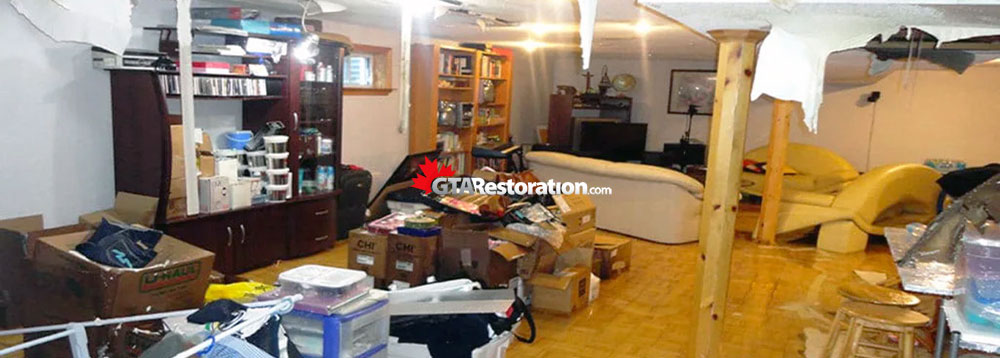
Flooded Basement Restoration: Find the Cause First
Flooded basement restoration starts with safe access and a clear view of the water source. A drain backup, a leaking pipe and rain entering a foundation need different repairs. GTA Restoration offers basement flood cleanup in Toronto and the GTA. Tell us where the water appeared, whether it is still entering and what you can see from a safe place.
Cleanup deals with the damage already present. Prevention work aims to reduce the chance of another loss. Keep both parts in your plan, but ask who will handle each task and how the work will fit together.
Keep Clear of Electrical and Sewage Hazards
Do not enter floodwater to touch electrical equipment, plugs or the power panel. Ask your utility or a licensed electrical contractor about safe access. Keep children and pets out of the area. For an immediate threat to life, leave the area and call 911.
If you suspect a sewer backup, reduce the use of toilets, sinks and other drains until the cause is checked. Also, report basement flooding to Toronto’s 311 service. The City’s basement flooding guidance explains reporting, common causes and safety steps.
Understand Where Basement Water Comes From
Rain and Groundwater
Heavy rain or snowmelt can expose problems with drainage, foundation openings or a sump system. Note whether water first appeared near a window, wall or floor joint. However, do not assume that sealing the visible spot will resolve the source. Ask what checks support the proposed repair.
Leaks from Pipes or Fixtures
A plumbing fault may wet the ceiling or a nearby wall before water reaches the floor. Stop a supply leak only if the shut-off is safely reachable. Then, ask about water leak detection when the source is unclear. Water that looks clear is not proof that the area is safe.
Sewer and Drain Backups
Describe any water rising through a floor drain or other fixture. Odour and colour can provide clues, but they do not replace an assessment. A source repair and the cleanup of affected materials may involve separate work. Confirm the scope with the plumber and restoration team.
Plan Flooded Basement Restoration in Stages
Once access is safe, the team can assess affected rooms and materials. Ask how they will handle water removal, cleaning and drying. In addition, discuss belongings before disposal and keep photos where it is safe to take them. Your insurer decides coverage; ask what records it needs for your claim.
Next, agree on how the team will check drying progress. A dry-looking floor does not confirm that every layer is dry. Request the findings that support later repairs. If more damage appears when an area is opened, review the new scope and costs before work continues.
Reduce the Risk of Another Basement Flood
After cleanup, arrange a review of the cause and suitable protection measures. Ask a qualified contractor about drainage, sump pumps or backwater valves where relevant. Each home needs its own plan; no device or repair can promise to prevent every flood.
Finally, keep care instructions and inspection dates with your property records. Toronto owners can read our basement flooding subsidy guide before checking the current City rules. Elsewhere in the GTA, ask your own municipality about available support.
Need flooded basement restoration in Toronto or the GTA?
Call with your location and explain what happened.


 Facebook
  Instagram
  LinkedIn
  X / Twitter
  YouTube

