For non-emergencies use our contact form
How to Prevent Mold in Your Home
Learning how to prevent mold starts with controlling moisture before walls, floors and other materials stay damp long enough for mold to grow. In Toronto and the GTA, basements, bathrooms, kitchens, attics and areas around plumbing often develop moisture problems. Finding leaks early, controlling indoor humidity and drying wet materials quickly can greatly reduce the risk of mold growth.
Moisture can come from plumbing leaks, foundation seepage, roof damage, condensation, poor airflow or flooding. Because every property is different, the best approach is to correct the actual moisture source instead of simply cleaning stains or covering odours.

Fix Water Leaks Quickly
Small leaks can create large problems when they continue behind walls, under flooring or inside cabinets. Check plumbing connections, water heaters, appliances, ceilings and basement walls for stains, swelling or damp areas.
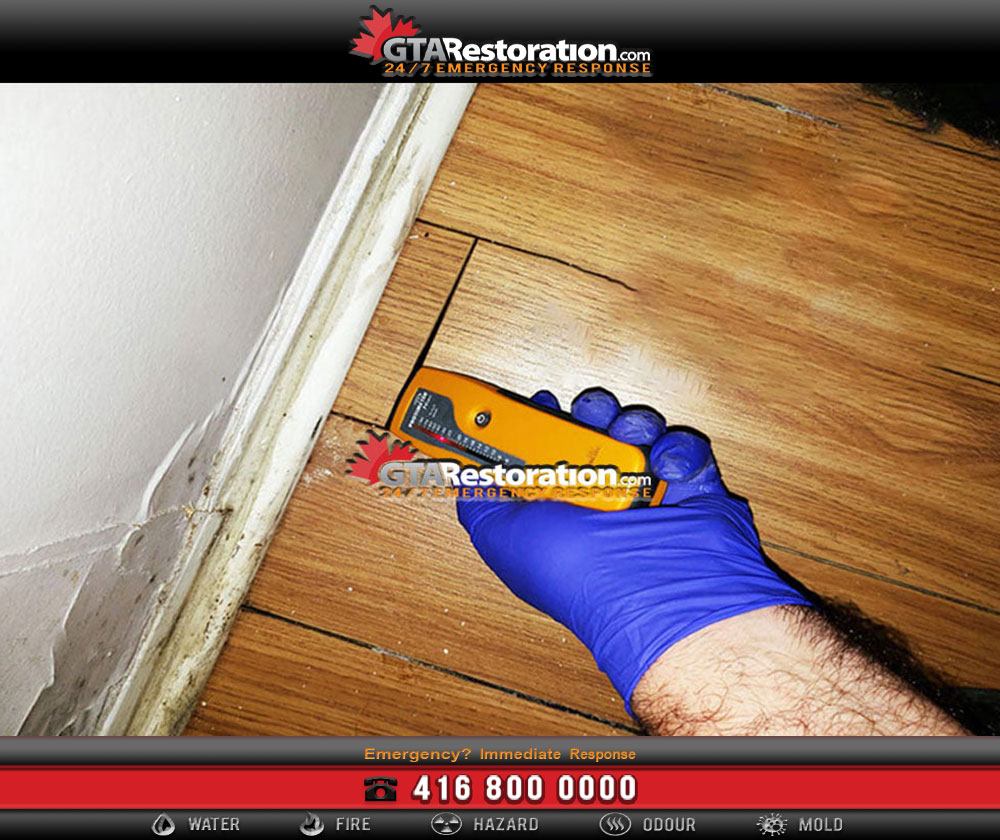
If you suspect hidden moisture, professional water leak detection can help find the source before the damage spreads. Thermal imaging and moisture meters can also help locate wet areas that may not be easy to see.
After stopping the leak, dry the affected area as soon as possible. If water has reached drywall, insulation, flooring or wall cavities, drying only the visible surface may not solve the problem.
Control Indoor Humidity
High indoor humidity can support mold growth, especially in basements and areas with poor airflow. Use a hygrometer to check humidity and run a dehumidifier when needed.
Indoor humidity changes with the season, outdoor weather and conditions inside the building. Instead of relying on one exact number for every property, keep the home dry enough to prevent ongoing condensation and damp surfaces.
For more information, review Health Canada’s guidance on moisture and mould.
Improve Bathroom and Kitchen Ventilation
Bathrooms and kitchens create moisture through showering, bathing and cooking. Use exhaust fans during these activities and allow them to continue running long enough to remove excess moisture.
Make sure exhaust fans vent outdoors rather than into an attic or enclosed ceiling area. Also, clean fan covers and vents when dust begins to block airflow.
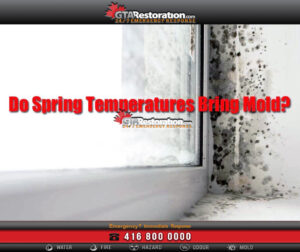
Regular condensation on windows can also be a sign of excess indoor moisture. If this happens often, check indoor humidity, ventilation and airflow around the windows.
Dry Wet Materials After Water Damage
Floods, plumbing leaks and appliance failures can soak drywall, flooring, insulation and stored items. After stopping the water source, remove standing water and start drying the area promptly.
Air movers help water leave wet surfaces, while dehumidifiers remove moisture from the air. However, some heavily soaked or affected materials may need removal instead of drying in place.
If your basement has flooded, our flooded basement cleanup service can help with water removal, moisture checks and structural drying.
Prevent Mold in Basements
Basements can become damp because of foundation seepage, plumbing leaks, condensation and poor drainage. Keep stored items off the floor where possible. Plastic storage containers can also protect belongings better than cardboard in damp areas.
Check sump pumps regularly and make sure exterior drainage carries water away from the foundation. Look for foundation cracks, damp corners, musty odours and stains that keep returning.
A dehumidifier can help control basement humidity, but it cannot repair an active leak or drainage problem. If moisture keeps returning, find and correct the source.

Check Roofs, Gutters and Exterior Drainage
Water does not always enter through plumbing. Damaged roofing, blocked gutters and poor grading can allow water to enter walls, attics and basements.
Keep gutters and downspouts clear and direct rainwater away from the foundation. After heavy storms, inspect ceilings, attic areas and exterior walls for signs of water entry.
Fixing these problems early can help prevent hidden moisture from turning into a larger water or mold problem.
Watch for Early Signs of Moisture
Visible mold is not always the first warning sign. Watch for peeling paint, warped materials, soft drywall, water stains, condensation and persistent musty odours.
Hidden moisture may also develop behind drywall, under flooring, around windows, inside cabinets and near HVAC equipment. If the same area becomes damp again after drying, find the source instead of repeatedly treating the surface.
When Mold Prevention Is No Longer Enough
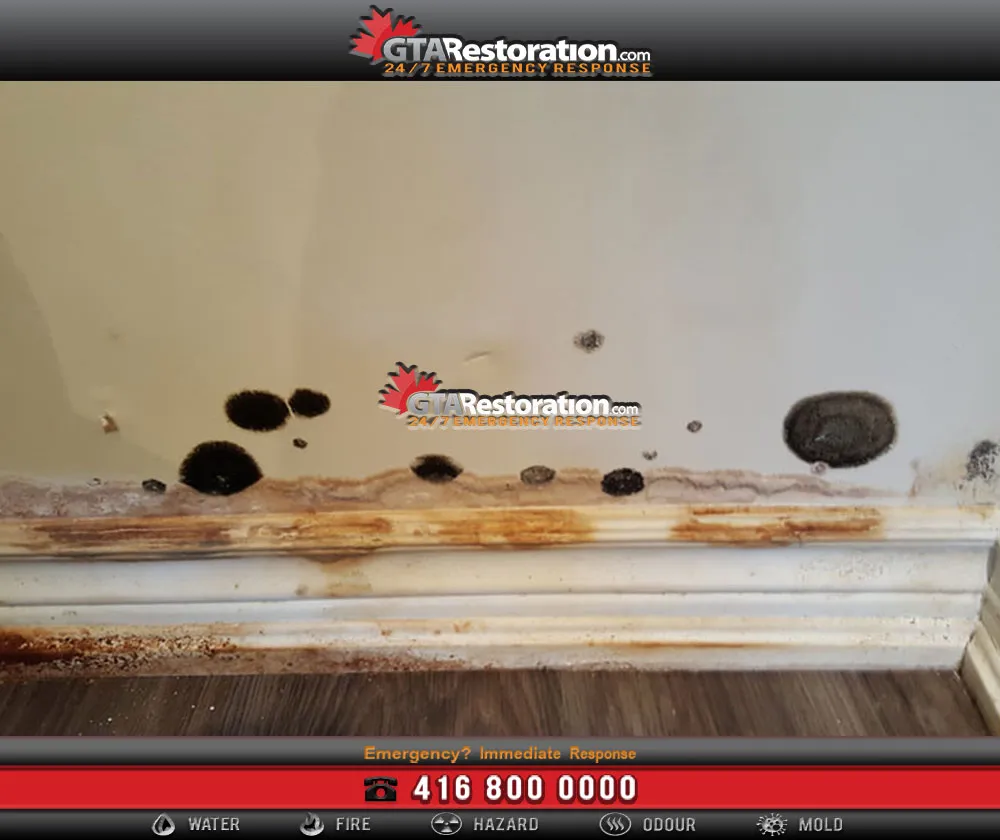
If you already see mold growth, correct the moisture source before making cosmetic repairs. A small affected area may need limited cleaning. Larger or harder-to-reach areas may require professional inspection and mold cleanup.
Avoid disturbing large areas of visible mold without understanding how far the problem extends. Scraping, cutting or removing affected materials can spread dust and particles into nearby areas.
GTA Restoration provides professional mold removal in Toronto and the GTA. Our team can check moisture conditions, inspect affected materials and determine the proper next steps.
Seasonal Mold Prevention Tips
Each season creates different moisture concerns. In spring, melting snow and heavy rain can increase basement moisture. During summer, warm and humid air can raise indoor humidity. In fall, clean gutters and inspect exterior drainage before freezing weather arrives.
During winter, watch for condensation around windows and exterior walls. Use bathroom and kitchen exhaust fans, maintain good indoor airflow and address surfaces that repeatedly become wet.
Year-round prevention follows the same basic approach: control moisture, repair leaks, dry wet materials and deal with recurring dampness early.
Professional Mold Prevention and Moisture Control
If your property has repeated leaks, basement moisture, water damage or previous mold problems, an inspection can help find conditions that are easy to miss.
GTA Restoration provides moisture detection, water damage cleanup and mold services throughout Toronto and the GTA. If water damage caused the problem, learn more about our water damage restoration services and emergency plumbing services.
Concerned about mold or moisture in your property?
Speak with GTA Restoration about moisture checks, mold removal and water damage services.
Learn More: Flooded Basement Restoration Prevention | Toronto Mold Removal | 10 Best Basement Flood Prevention Tips | Water Damage Restoration Steps That Matter


You must be logged in to post a comment.