
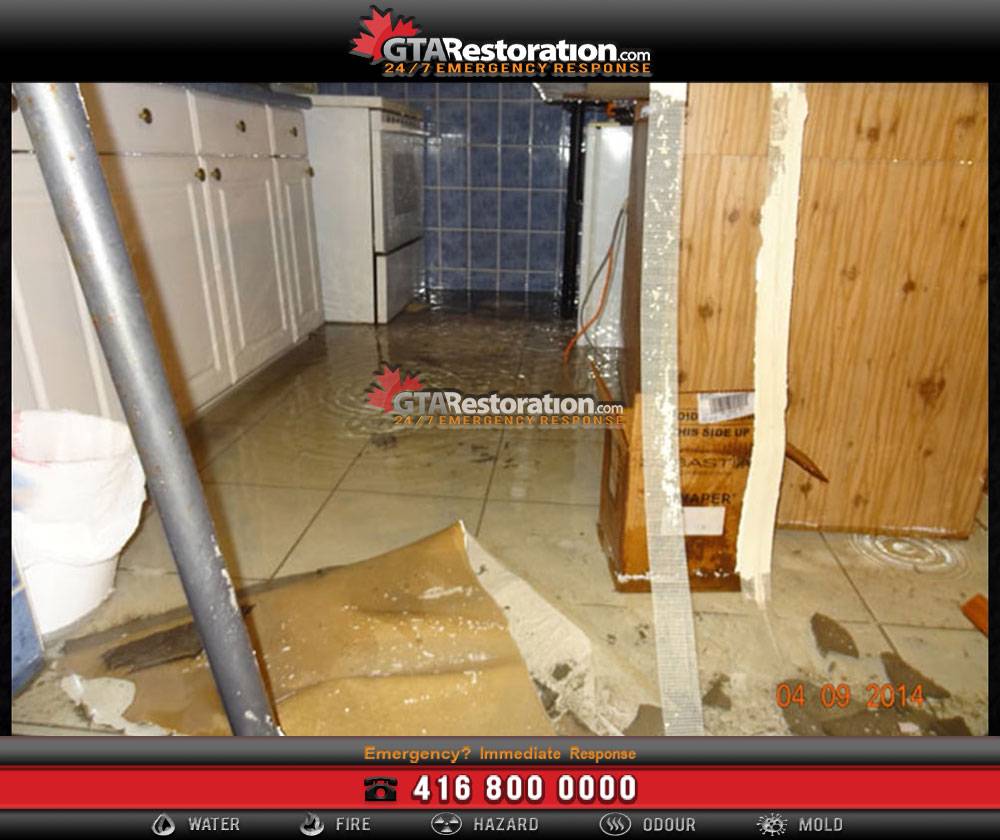
Tags: Basement Flood, Basement Flooding, Carpet Basement Flood, Flood, Flood Cleanup, Flood Damage, Water Damage Restoration,
For non-emergencies use our contact form


Emergency? 24-Hours
416-800-0000A clear plan makes flood damage recovery easier to follow. Use these checks to prepare for visits and track the work.
First, explain when water appeared and whether this has happened before. Also, share any notes from past repairs.
Before crews arrive, mention blocked doors or narrow stairs. Then, agree on a safe route for people and equipment.
Your quote should list rooms, tasks and costs. In addition, ask which repairs fall outside the planned work.
Next, flag valued belongings from a safe place. For example, photos and artwork may need care from a specialist.
During drying, follow the crew’s equipment instructions. Also, ask which rooms you can use and when crews will return.
Store photos, quotes and receipts together. Meanwhile, note each agreed change so you can track the work and cost.
Before rebuilding, ask about final moisture readings. Then, confirm who will fix the leak or other source of water.
Finally, report new stains or smells after cleanup. These changes may call for another check of the affected area.
Need help planning your recovery?
GTA Restoration can assess the damage and explain your next steps.
Service Areas Across Canada
GTA Restoration serves communities across Canada, including Toronto and the GTA. U.S. locations are opening. Browse our Canadian service areas below, and contact us to confirm services and availability for your address.
Search
First, stay out of unsafe areas. Follow emergency advice and arrange help before trying to save belongings.
No. Do not enter water that may carry electricity. Instead, call your electric utility from a safe place.
Not always. Water quality and material type affect that choice. Also, ask your insurer before disposal unless items pose a hazard.
Each site differs. Therefore, use moisture readings and the crew's checks to guide the drying time.
No. However, materials that stay damp can support growth. Prompt drying helps reduce that risk.
Yes. Our team provides water removal, drying and repair support across Toronto and the GTA.
Direct Billing & Insurance Claims
Ask your insurer about coverage, deductibles and the records it needs.

In-House Financing Available
Financing up to 24 months. No interest. No money down. Ask us about the terms.
Learn more ↴ 
RELATED ARTICLES





Call Us 416-800-0000
Emergency? 24/7 Restoration Help
We cover all GTA 24/7.
Head Office:
250 Consumers Rd,
#10
Toronto, ON
M2J 4V6,
Open 24 hours
Downtown Office:
1 Toronto St,
#10
Toronto, ON
M5W 1A1,
Open 24 hours
For non-emergencies use our contact form
Not sure what you need?
Call us today to find the best product for your situation.
Head Office:
101 Lebovic Ave,
Unit #10
Scarborough,
ON, M1L 4T7
Hours
24-Hours Open
Downtown Office:
250 Yonge Street,
Unit #1A
Toronto,
ON, M5B 2L7
Hours
24-Hours Open
How to Deal With Flood Damage
Get a quote today


