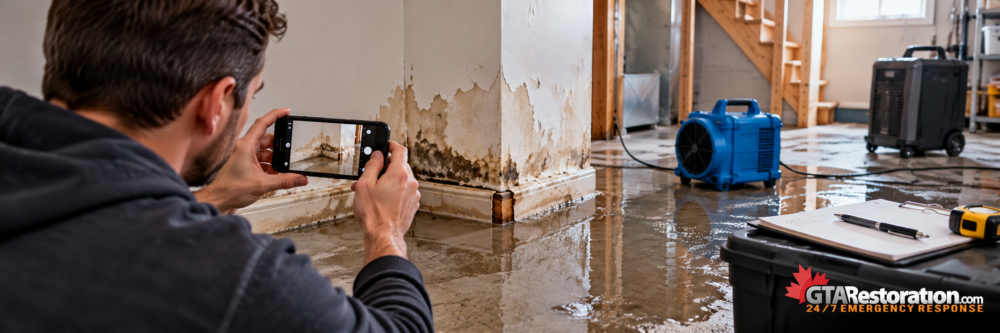
How to Document Insurance Damage Fast
The first hour after a flood, fire, sewer backup, or storm leak can decide how smooth your insurance claim goes. If you are searching for how to document insurance damage, the goal is simple: create clear proof of what happened, what was affected, and what steps were taken to prevent further loss.
When damage hits, people often start cleaning before they start recording. That is one of the most common mistakes. You can protect your property and still preserve the evidence your insurer will want to review. Good documentation does not need to be complicated, but it does need to be organized, time-sensitive, and thorough.
How to document insurance damage without missing key proof
Start by making the area as safe as possible. Shut off water if there is an active leak, isolate electricity if it is unsafe, and keep people away from contaminated or unstable areas. Once immediate hazards are controlled, begin documenting before major cleanup, disposal, or demolition takes place.
Your phone is usually the fastest and most effective tool. Take wide shots first so the insurer can see the full room, the layout, and the extent of spread. Then move closer and photograph damaged materials, contents, visible water lines, scorch marks, soot residue, mold growth, collapsed ceilings, or broken plumbing fixtures. If there is a source of loss, such as a burst pipe, roof leak, appliance failure, or sewer backup point, document that too.
Video helps when the damage is extensive. A slow walkthrough with verbal notes can capture details you may forget later. State the date, the location, and what you are seeing. For example, note whether water moved from one room to another, whether cabinetry is swollen, or whether smoke damage has affected more than the visibly burned area.
Keep your documentation consistent. Take photos from multiple angles and in good lighting where possible. Do not rely on a few dramatic images. Insurance review is often built on the boring but important details: moisture spread, material condition, affected contents, and evidence of mitigation.
Build a damage record that an adjuster can follow
Photos alone are not enough. You also need a written record that explains the loss in plain language. Think of it as a timeline. Note when the damage was first discovered, what likely caused it, who was notified, and what emergency steps were taken.
If a pipe burst at 2:00 a.m., write that down. If building management was called at 2:15 a.m. and an emergency restoration crew arrived at 3:00 a.m., record that too. If power was shut off to a section of the property for safety, include it. These details help show that you acted promptly, which matters in many claims.
A room-by-room inventory is also useful. List what was damaged in each area and describe the condition. Instead of writing “basement damaged,” write “finished basement – laminate flooring buckled, drywall wet up to 18 inches, baseboards removed, sectional sofa saturated, area rug contaminated by sewer backup.” Specific language gives your claim weight.
For contents, include approximate age, brand, model, and purchase price if known. You do not need perfect records for every item, but the more support you have, the stronger your file becomes. If receipts, invoices, warranty documents, or credit card statements are available, keep them together in one folder.
What to save before cleanup and demolition begin
Emergency mitigation cannot always wait. Water extraction, board-up, tarping, or contaminated material removal may need to start right away to prevent further damage and health risks. That is normal. The key is to document the condition before and during those steps.
Save damaged items when it is safe and practical to do so, at least until your insurer or adjuster advises otherwise. This matters most with high-value items, failed components, and materials that help prove cause. A cracked supply line, broken sump pump, damaged roofing section, or charred appliance may become important evidence.
If materials need to be removed quickly, photograph them thoroughly before disposal. Take close-ups of labels, serial numbers, and visible failure points. For example, if a hot water tank leaked, capture the tank, the connection points, the surrounding water damage, and the manufacturer label.
Mitigation invoices should also be saved from day one. Insurers often review not only what was damaged, but what was done to reduce additional loss. Keep copies of emergency plumbing work, extraction, drying equipment logs, temporary repairs, debris removal, and any after-hours service call paperwork.
How to document insurance damage for water, fire, and sewage losses
Different types of losses need slightly different documentation. The process stays the same, but the proof points change.
With water damage, focus on spread, category of water if known, and hidden impact. Water often travels behind walls, under flooring, and into lower levels. Photos of staining, warped finishes, wet insulation, and moisture readings can help support the scope of loss. If drying equipment is installed, keep records of daily monitoring and affected areas.
With fire damage, document both direct burn damage and secondary damage from smoke, soot, and suppression efforts. A room that did not catch fire may still have heavy smoke contamination or water damage from firefighting. Photograph ceilings, vents, soft contents, and surfaces that show residue. Odour damage is harder to photograph, so written notes become more important.
With sewage backup, take the situation seriously from a health and safety standpoint. Document affected areas before cleanup, but avoid unnecessary exposure. Sewage losses often require proof of contamination, material removal, and disinfection. Note which materials were porous, which contents were exposed, and whether the backup affected finished living areas.
Common mistakes that weaken a claim
The biggest mistake is waiting too long. Damage changes fast. Water dries unevenly, soot gets wiped away, and debris gets thrown out. If the original condition is not captured early, the insurer may have a harder time confirming the extent of loss.
Another problem is incomplete documentation. People photograph the obvious damage but skip adjoining rooms, closets, hallways, and lower areas where moisture may have spread. They may also forget exterior points of entry, mechanical rooms, utility spaces, or common areas in condos and commercial buildings.
Throwing out items too soon can also create issues. So can making repairs before the damage has been properly documented. Emergency stabilization is one thing. Full rebuilding before insurer review is another. It depends on the situation, but when possible, keep a clear record of pre-repair condition.
Do not guess in your notes. If you do not know the cause, say it appears to be a supply line leak or possible roof intrusion rather than stating it as fact. Accurate, careful wording is better than overexplaining.
Keep everything in one claim file
A scattered claim is harder to support. Create one digital folder and one paper folder if possible. Store photos, videos, receipts, invoices, emails, adjuster contact information, claim numbers, inspection reports, and a running communication log.
Every time you speak with your insurer, property manager, tenant, plumber, or restoration contractor, note the date, time, name, and what was discussed. This can help if there is a later disagreement about authorization, scope, or timing.
For larger losses, especially in condos, apartment buildings, or commercial spaces, documentation should track unit numbers, shared building areas, affected systems, and access issues. Multi-unit claims can become complicated quickly, and clear records reduce delays.
This is also where professional support helps. A qualified emergency restoration company can document moisture mapping, affected materials, equipment use, and mitigation steps in a format insurers are used to seeing. GTA Restoration regularly supports clients with this process during active property emergencies, which can make a stressful claim easier to manage.
What your insurer is really looking for
Insurers usually want to confirm five things: the cause of loss, the date of loss, the extent of damage, the condition of affected property, and whether reasonable steps were taken to prevent further damage. If your records answer those questions clearly, your claim is on stronger ground.
That does not mean every claim is simple. Coverage can depend on the source of the damage, your policy wording, maintenance history, and whether the loss was sudden or gradual. A burst pipe and a long-term hidden leak may be treated differently. A storm entry point through a damaged roof may involve different documentation than an appliance overflow. That is why details matter.
When you are under pressure, aim for clarity over perfection. Take more photos than you think you need. Write down what happened while it is fresh. Save every invoice. Document the source, the spread, and the response.
When property damage interrupts your home or business, good records help restore control just as much as fast cleanup does. The more clearly you show what happened, the easier it is for everyone involved to move the claim forward.