When mold shows up on a ceiling, behind baseboards, or inside a damp basement, the first question is usually the wrong one. Many property owners ask whether they need testing. The better question is how to stop the damage and make the space safe. That is the real issue in mold testing vs remediation, and the answer depends on what you can already see, how far the damage has spread, and whether there is an active moisture problem feeding it.
For homeowners, landlords, condo boards, and commercial managers, this matters because delays cost money. Mold does not stay in one neat corner if wet materials remain wet. It can spread behind drywall, into insulation, under flooring, and through HVAC pathways. If there is visible growth and a clear source of moisture, the priority is usually remediation, not waiting on a lab report.
Mold testing vs remediation: What is the difference?
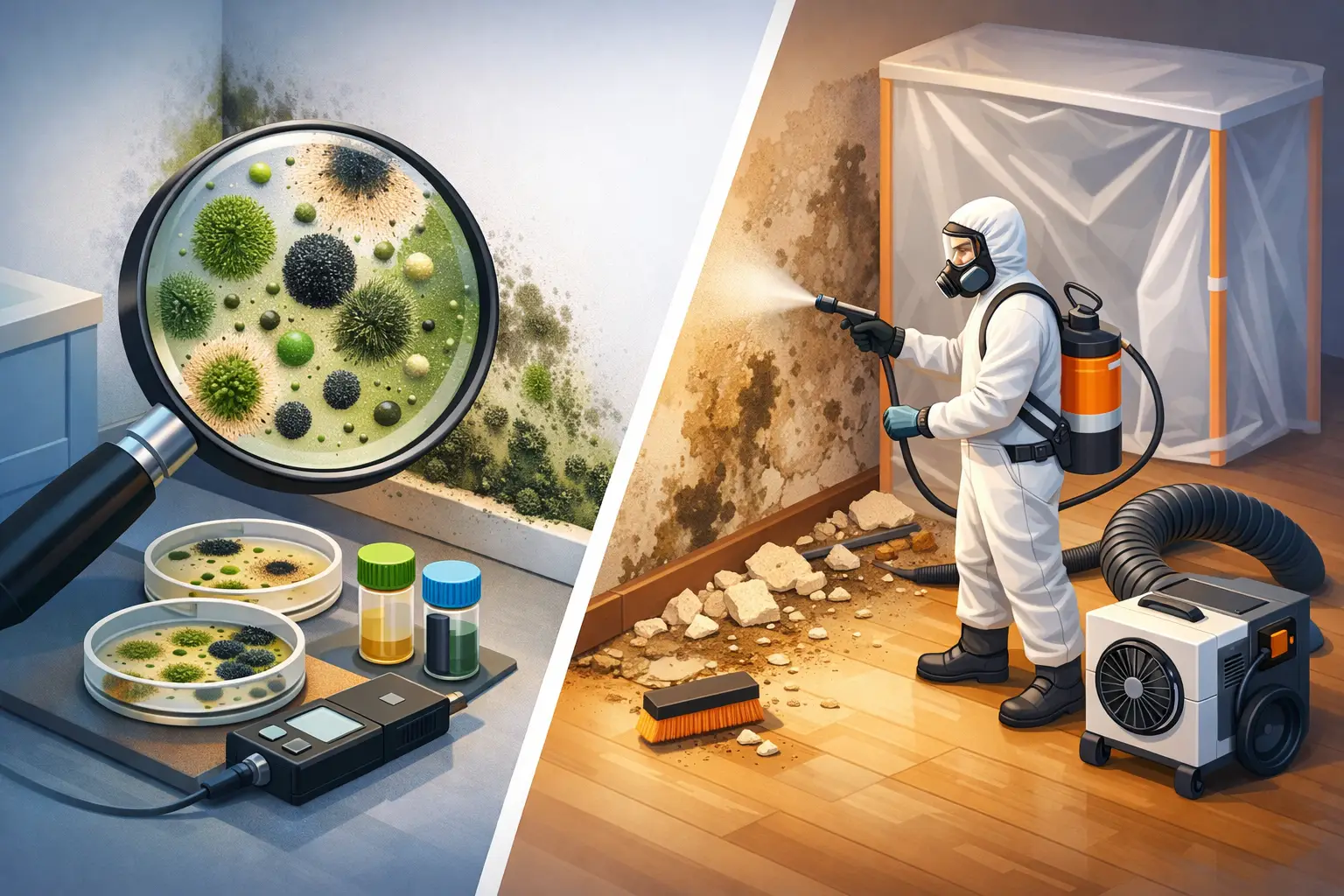
Mold testing is a diagnostic process. It may include air sampling, surface sampling, moisture mapping, thermal imaging, and a visual inspection to identify whether mold is present, where it may be hiding, and whether indoor spore levels appear elevated compared to normal conditions.
Remediation is the corrective process. It involves containing affected areas, removing contaminated materials when needed, cleaning salvageable structural surfaces, controlling airborne spread, drying the property, and fixing the water intrusion or humidity problem that allowed mold to grow in the first place.
Testing tells you more about the condition of the environment. Remediation changes the condition of the environment. That distinction is simple, but it matters. If a bathroom ceiling has obvious mold caused by an active leak, testing may confirm what you already know while the contamination continues to expand. In that case, action is more valuable than analysis.
When mold testing makes sense
Testing has a place, and in some situations it is the right first step. If occupants are reporting persistent musty odors, irritation, or recurring moisture problems but no visible growth is present, targeted testing can help narrow the search. The same applies when mold is suspected inside wall cavities, ceiling assemblies, or commercial spaces where the source is not obvious.
Testing can also help with documentation. Property managers, condo corporations, landlords, and business owners sometimes need a record of conditions before work begins. In insurance-related situations, dispute scenarios, or sensitive occupancy environments, objective sampling and moisture data can be useful.
There are also post-remediation cases where verification matters. After containment, removal, and drying are complete, some owners want third-party confirmation that the area has been properly cleaned and returned to a normal condition. That is especially common in larger losses, multi-unit buildings, tenant disputes, and properties with vulnerable occupants.
Still, testing is not automatically necessary. It is a tool, not the treatment.
When remediation should come first
If mold is visible on porous materials, there has been a recent flood or leak, and the area is actively damp, remediation usually comes first. Wet drywall, insulation, carpet underlay, ceiling tiles, and particleboard can become mold reservoirs quickly. Waiting for test results while materials stay wet rarely improves the outcome.
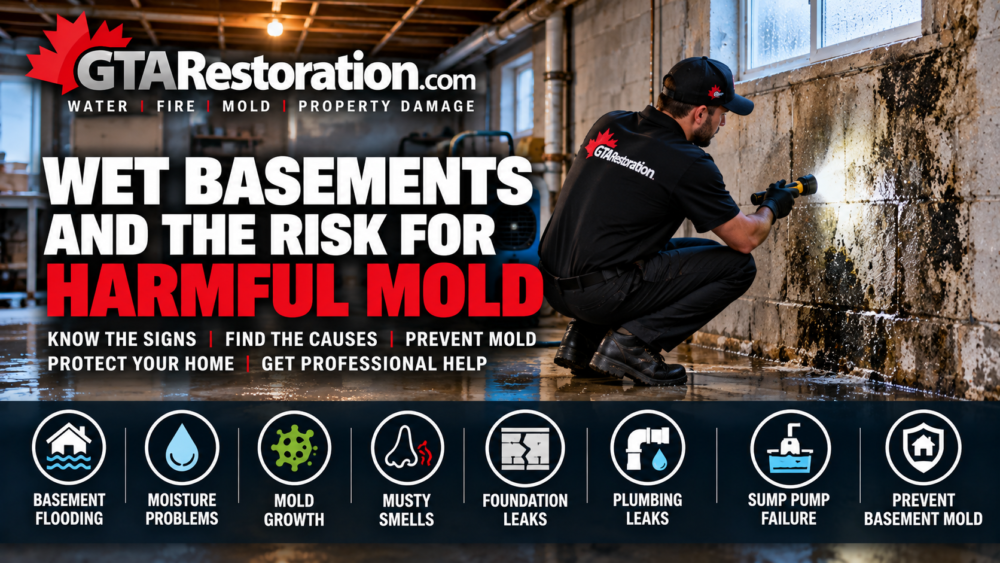
The same is true when contamination is already obvious. A blackened window frame, a basement wall with visible fungal growth, or mold spreading around a plumbing leak is not a mystery that requires a formal debate. It requires containment, safe removal where needed, and immediate moisture control.
This is where many people lose time. They assume testing is the first mandatory step in every case. It is not. In straightforward losses, experienced remediation professionals can assess the extent of damage, isolate the affected area, identify the moisture source, and begin the cleanup process quickly. That prevents further spread and reduces the chance of deeper structural involvement.
Why testing alone does not solve the problem
A lab report does not dry wet framing. It does not remove contaminated drywall. It does not stop a roof leak, a plumbing failure, or basement seepage. Testing can tell you what is present, but it does not eliminate the conditions allowing mold to survive.
That is why any discussion of mold has to include moisture. Mold growth is a symptom of a water issue, humidity issue, ventilation failure, or hidden leak. If the cause is not corrected, mold can return even after cleaning. Effective remediation is not just about wiping surfaces. It is about source control, material assessment, safe removal, drying, and restoring the area to a stable condition.
For property owners under pressure, that practical difference matters more than the terminology.
Mold testing vs remediation in real property scenarios
In a small residential bathroom with visible mold around a fan and ceiling corner, testing may add little if the issue is clearly linked to poor ventilation and repeated condensation. The smarter move is to remove damaged material if necessary, clean the area properly, address moisture, and improve airflow.
In a finished basement after water intrusion, the equation changes with the timeline. If water sat for days behind walls or under flooring, hidden mold is a serious possibility. Here, inspection and moisture detection are essential, but the focus remains remediation because wet assemblies often need to be opened, dried, and cleaned quickly.
In a condo building, the situation can be more sensitive. If one unit reports odors and another has a known plumbing leak, testing may help map the scope and support communication between residents, management, and insurers. But if affected drywall is visibly contaminated, the building still needs a remediation plan, not just samples.
In commercial spaces, downtime is often the deciding factor. Business operators usually need fast containment, clear documentation, and a contractor who can coordinate cleanup without disrupting operations more than necessary. Testing may support compliance or reporting, but remediation is what restores use of the space.
The cost question: Is testing worth it?
Sometimes yes. Sometimes no.
If the mold problem is uncertain, hidden, disputed, or tied to occupancy complaints, testing can prevent guesswork and help define the scope. That can save money if it avoids unnecessary demolition or helps pinpoint a concealed source.
But if the contamination is already visible and the moisture source is known, testing can become an extra step that delays the work that actually protects the property. In those cases, the better investment is often professional remediation and drying.
Cost should also be measured against escalation. Mold that spreads behind finishes, inside insulation, or through multiple units becomes far more expensive to address than a smaller issue handled early. Fast response usually lowers total loss.
What a proper remediation process should include
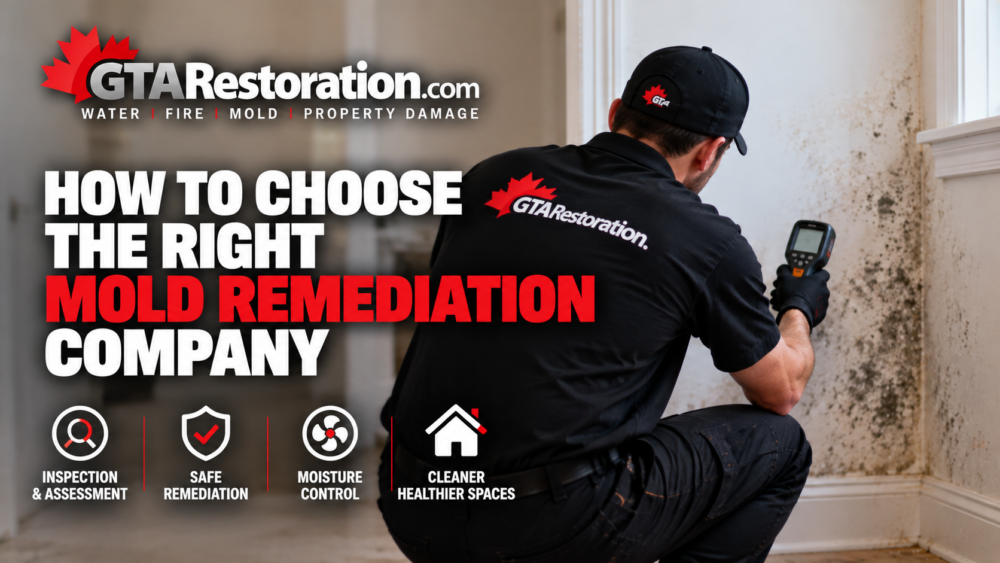
A legitimate remediation process is not a spray-and-go service. It should begin with a clear assessment of affected materials and the moisture source. From there, the work may involve containment barriers, negative air control, HEPA filtration, selective demolition, detailed cleaning, antimicrobial treatment where appropriate, structural drying, and moisture verification.
Just as important, the underlying cause has to be corrected. That may mean repairing a plumbing leak, resolving seepage, improving ventilation, replacing failed sealants, or addressing drainage and waterproofing conditions. If the water issue remains, the mold issue remains on standby.
For larger or more complex losses, documentation also matters. Photos, readings, work records, and scope details are useful for owners, managers, and insurers. In emergency restoration settings, speed and documentation need to happen together.
How to decide what you need first
Start with three questions. Is there visible mold? Is there active or recent moisture? Is the source known?
If the answer to all three is yes, remediation is usually the first priority. If there is no visible growth but there are strong odors, health complaints, or signs of hidden moisture, testing or a detailed mold inspection may be the better starting point. If the situation involves liability concerns, tenant disputes, or post-cleanup verification, independent testing may be worth adding.
The key is not to treat testing as a substitute for action. In urgent property damage situations, the safest path is to assess quickly, control moisture, and move toward the corrective work that prevents the problem from spreading.
At GTA Restoration, that is how mold issues are handled in the real world: identify the source, contain the risk, remediate the damage, and support the documentation needed to keep the recovery process moving.
If you are standing in front of a damp wall, a musty basement, or a ceiling stain that is getting worse, you do not need more uncertainty. You need a clear diagnosis, a fast plan, and the right response before a manageable problem turns into a larger loss.
Related