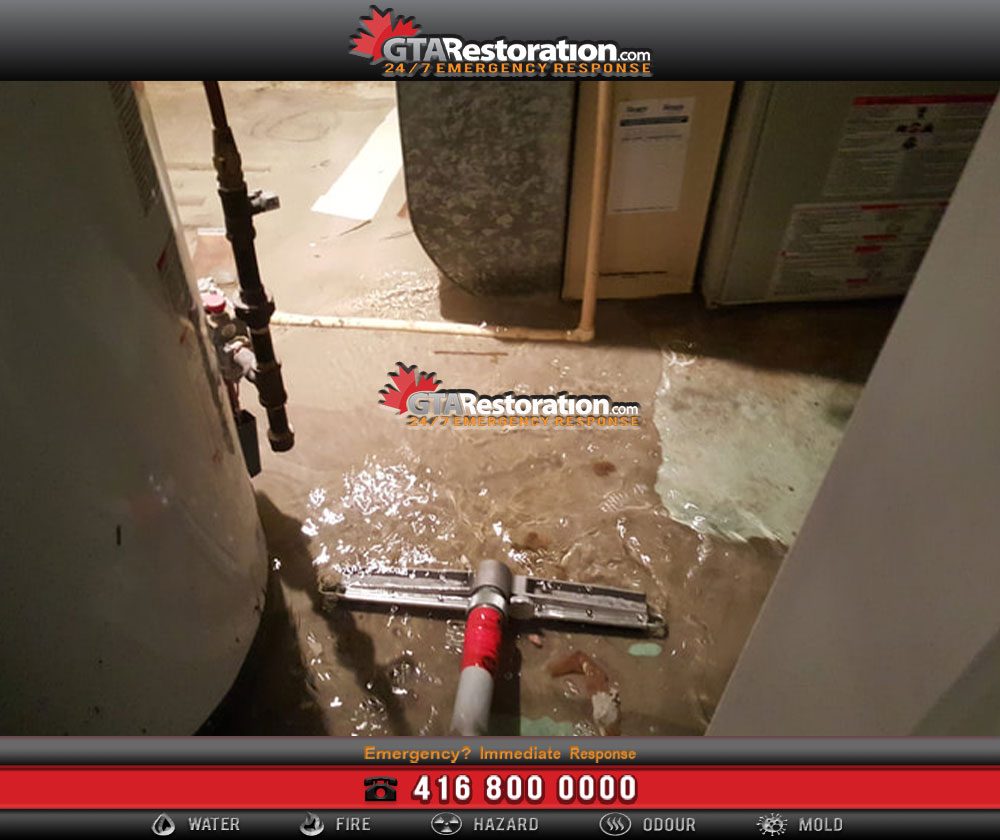
Flood Cleanup St Catharines
Flood cleanup St Catharines services help homeowners and businesses remove standing water, dry wet materials and limit further property damage after a flood. Heavy rain, sewer backups, burst pipes, failed sump pumps and plumbing leaks can quickly affect basements, flooring, walls and contents. Therefore, starting the cleanup as soon as conditions are safe can make the restoration process easier to manage.
GTA Restoration provides emergency water extraction, structural drying, moisture checks and flood damage cleanup in St Catharines. Our team assesses the affected areas, identifies the water source and develops a cleanup plan based on the type and extent of damage.
Call 416-800-0000
Emergency Flood Cleanup in St Catharines
Water can move quickly through drywall, flooring, insulation and nearby rooms. For this reason, visible standing water is only part of the problem. Moisture may also remain below finished floors, behind baseboards or inside wall cavities.
First, our technicians inspect the affected areas and look for signs of hidden moisture. Then, we plan water extraction and drying according to the conditions inside the property. Commercial extraction equipment can remove large amounts of standing water, while moisture meters help track areas that still need drying.
Basement Flood Cleanup in St Catharines
Safety comes first. Do not enter an area where standing water may contact electrical equipment, outlets or appliances. If a burst supply pipe caused the flooding and you can reach the main shutoff safely, stopping the water may help limit additional damage.
If sewage backup caused the flood, or you are unsure of the source, avoid flushing toilets or using washing machines, dishwashers and other connected drains. In addition, keep children and pets away from contaminated areas.
The City of St. Catharines basement flooding guide recommends recording where the water came from, when the flooding started, how much water entered the property, and the colour and odour of the water. These details may also help when reporting the loss to your insurance company.
Our St Catharines Flood Cleanup Process
St Catharines Flood Damage Inspection
The cleanup starts with an inspection of the affected rooms and materials. We check flooring, drywall, ceilings, baseboards and other building materials where water may have travelled. In addition, moisture readings help determine the extent of the wet area.
Water Extraction for St Catharines Flood Cleanup
Next, technicians remove standing water with suitable extraction equipment. Removing excess water first makes structural drying more effective. The exact equipment depends on the amount of water, access to the affected area and the source of the flooding.
Properties with significant basement flooding may also require our flooded basement cleanup service.
Flood Cleanup for Damaged or Contaminated Materials
Some materials can dry and remain in place, while others may require removal. For example, heavily damaged drywall, insulation, carpet or underpad may not be practical to keep. Sewage-contaminated materials require additional precautions because the water may contain harmful contaminants.
For sewage-related losses, review our sewage backup cleanup services for additional information.
Structural Drying After Flood Damage in St Catharines
After extraction, the drying stage begins. Air movers support evaporation from wet surfaces, while commercial dehumidifiers remove moisture from the air. Meanwhile, technicians monitor moisture levels so they can adjust the equipment as drying progresses.
Proper drying matters because materials can still contain moisture even when the surface looks dry. Therefore, visual inspection alone may not provide enough information to determine whether the affected area has reached an appropriate drying level.
St Catharines Flood Damage Cleaning and Restoration
Once the property reaches the appropriate stage, technicians clean affected surfaces according to the type of loss. The project may also require removal of damaged finishes, odour control or preparation for repairs.
Our broader water damage restoration services can support the recovery process when water affects several rooms or building materials.
Flood Damage Risks in St Catharines Properties
Hidden Moisture After Flood Cleanup
Water often moves farther than expected. For example, it can travel beneath laminate flooring, enter wall cavities or soak into insulation. As a result, hidden moisture may remain after the visible water disappears. Moisture meters and targeted inspection help locate these areas before repairs begin.
Mold After Flood Damage in St Catharines
Damp building materials can support mold growth when moisture remains. Therefore, the priority is to correct the water source and dry affected materials promptly. If an inspection finds an existing mold problem, separate mold removal and remediation may form part of the overall recovery plan.
Flood-Damaged Contents and Personal Belongings
Move unaffected belongings away from the wet area when you can do so safely. However, avoid carrying sewage-contaminated items through clean areas without a handling plan. Photograph damaged contents before disposal when possible because those records may help support an insurance claim.
Our guide on how to protect contents after a flood explains additional steps for furniture, documents, electronics and personal belongings.
Flood Damage Insurance Documentation in St Catharines
Contact your insurance provider promptly and document the affected areas. Take photographs or video before major cleanup when conditions allow. Also, keep restoration estimates, invoices and records of damaged contents together. Clear documentation can make it easier to explain what happened and what work the property required.
Preventing Another Flood in St Catharines
After restoration, review the original cause of the flood. For example, check sump pumps, foundation drainage, plumbing, downspouts and sewer-backup protection where appropriate. The City of St. Catharines also provides information about basement flood prevention and local flood-alleviation programs.
Most importantly, address leaks and drainage problems before repairing finished surfaces. Fixing the source helps protect the restored area from another water loss.
Need Flood Cleanup in St Catharines?
Contact GTA Restoration for water extraction, structural drying, moisture checks and flood damage cleanup for your home or business.
Call 416-800-0000
Learn More
Mold Removal St۔ Albert | Water Damage St Catherine | Asbestos Removal St-Albert | Toronto Flood Cleanup | Flooded Basement