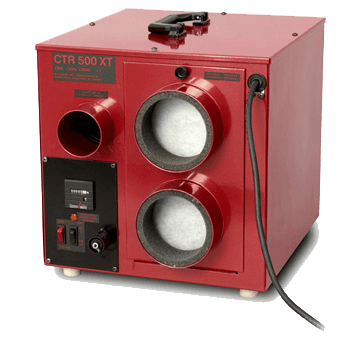
Desiccants dehumidifiers reduce humidity levels much lower than usual refrigerant dehumidifiers drying areas quickly Water Damage Rental
The area is sheeted up and dry air is pumped behind a sheet to make sure the drying is concentrated on affected areas only Water Damage Equipment Rental
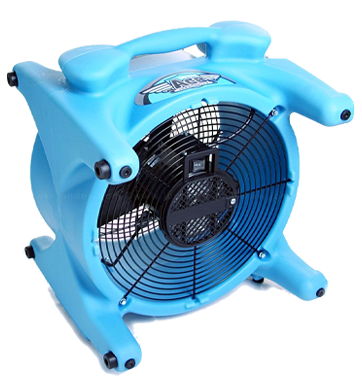
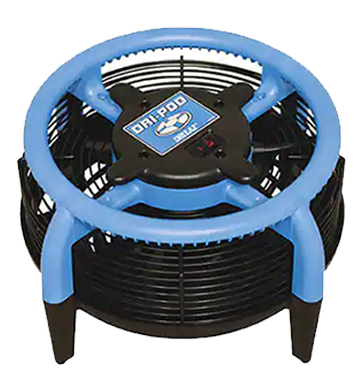
Combine the Large Desiccant Dehumidifier with air movers to improve airflow across wet materials and surfaces. As a result, increased air movement can support evaporation while the dehumidifier removes moisture from the air.
In addition, crews can adjust equipment placement as drying conditions change. Monitoring temperature, relative humidity, and material moisture levels helps determine when additional airflow or dehumidification is required.
Humidity Control
Domestic condensation and humidity control
Humidity control in gyms and fitness facilities
Server rooms and technical spaces
Construction and renovation drying
Commercial and industrial humidity management
Large Desiccant Dehumidifier
The Large Desiccant Dehumidifier provides powerful low-humidity drying for restoration, construction, and commercial applications.
Large Desiccant Dehumidifier for Rent
The Large Desiccant Dehumidifier is a professional drying unit designed for restoration projects that require effective humidity control, including challenging low-temperature environments. If you’re considering a desiccant dehumidifier rental for your project, desiccant technology removes moisture from the air using a moisture-absorbing rotor.
As a result, this unit can support structural drying, water damage restoration, construction drying, and other demanding applications. It is particularly useful when crews need to maintain lower humidity levels or continue drying under conditions where refrigerant dehumidifiers may become less effective.
In addition, the Large Desiccant Dehumidifier can help manage moisture during restoration work involving walls, floors, building materials, and enclosed spaces. Continuous dry airflow supports the overall drying process while technicians monitor moisture and humidity conditions throughout the project.
Works similarly to the smaller machine but on a larger scale. Great for most water damage restoration drying jobs.
Desiccant Dehumidifier Rental Toronto
Desiccant dehumidifier rental is available in Toronto and the GTA from GTA Restoration. This large professional drying unit supports water damage restoration, structural drying, construction projects, and applications that require low-humidity conditions.
Unlike standard refrigerant dehumidifiers, a desiccant unit uses a moisture-absorbing material to remove water vapour from the air. As a result, it can be useful for specialized drying projects and controlled drying environments.
Large Desiccant Dehumidifier Rental
A large desiccant dehumidifier can provide dry air for bigger or more demanding drying projects. For example, it can support drying in commercial buildings, construction areas, restoration projects, and enclosed spaces.
In addition, dry air can be directed toward specific affected areas when a project requires more targeted drying.
Desiccant Dryer Rental for Water Damage
After water extraction, moisture can remain inside floors, walls, framing, and other building materials. Therefore, controlling humidity and moving dry air through the affected area can support the structural drying process.
A desiccant dehumidifier draws moist air through a desiccant material that attracts water vapour. Then, the unit supplies drier process air that can be directed into the drying area.
Because of this process, desiccant drying is useful for projects where low humidity or specialized drying conditions are required.
Targeted Structural Drying
Some projects require dry air to reach enclosed or difficult areas. For example, restoration professionals may create controlled drying areas or direct dry air toward cavities and other affected spaces.
However, the setup should match the building materials, moisture conditions, and requirements of the project.
Commercial Desiccant Dehumidifier
Commercial properties may need temporary humidity control during water damage restoration, construction, maintenance, or renovation. Therefore, a large desiccant unit can support projects in offices, retail properties, warehouses, managed buildings, and other commercial spaces.
Large Desiccant Dehumidifier Specifications
Air movement: approximately 500 m³/hour
Supply voltage: 110V
Designed for large-area and specialized drying applications
Suitable for controlled structural drying setups
However, actual drying performance depends on temperature, humidity, airflow, equipment placement, building materials, and site conditions.
Desiccant Dehumidifier with Air Movers
Depending on the project, air movers can also increase airflow across wet materials. Meanwhile, the desiccant dehumidifier supplies dry air and helps control moisture conditions.
For additional guidance, the U.S. Environmental Protection Agency recommends controlling moisture and drying wet materials as quickly as practical after water damage.
Desiccant Dehumidifier Rental Toronto
Contact GTA Restoration if you need a desiccant dehumidifier rental for structural drying, water damage, construction, or humidity control. Most importantly, we provide professional restoration equipment rentals throughout Toronto and the GTA.
A desiccant dehumidifier rental can support structural drying, water damage restoration, construction work, and specialized humidity-control projects. In addition, desiccant technology can provide dry process air for applications where controlled drying conditions are important.
Professional Desiccant Dryer Rental
A desiccant dehumidifier removes water vapour by passing moist air through a moisture-attracting material. As a result, the unit can produce dry air for restoration, construction, and commercial drying applications.
Water Damage Structural Drying
Water can remain inside building materials after standing water has been extracted. Therefore, controlling humidity can support the drying of floors, walls, framing, and other affected materials.
Low-Humidity Drying Applications
Some drying projects require lower humidity conditions than others. For this reason, desiccant equipment can be useful when a project requires dry process air or more specialized environmental control.
Targeted Drying Areas
Dry air can be directed into controlled or enclosed drying areas. For example, a drying setup may use temporary containment or ducting to focus dry air where it is needed.
Drying Wall & Floor Assemblies
Moisture can become trapped within building assemblies after water damage. Therefore, specialized drying methods may be considered when normal surface airflow cannot effectively reach the affected materials.
Commercial Desiccant Dehumidifier Rental
Contractors and property managers may need temporary drying equipment for offices, retail spaces, warehouses, managed buildings, and construction sites. In addition, desiccant equipment can support larger commercial drying projects.
Construction & Renovation Drying
Construction materials can release moisture while curing or drying. For example, concrete, coatings, drywall compounds, and other materials may contribute to indoor humidity during a project.
Therefore, temporary humidity control can help maintain more controlled conditions while work continues.
Large-Area Drying
This unit provides approximately 500 m³/hour of air movement. However, the amount of equipment required depends on the size of the space, moisture conditions, building materials, and drying goals.
Desiccant vs. Refrigerant Dehumidifiers
Desiccant and refrigerant dehumidifiers remove moisture in different ways. While refrigerant units cool air to condense moisture, desiccant units use moisture-attracting material to capture water vapour.
Therefore, the best equipment choice depends on the temperature, humidity, affected materials, and requirements of the drying project.
Use with Air Movers
Air movers can increase airflow across wet surfaces. Meanwhile, the dehumidifier helps create drier air conditions. Together, the equipment can support evaporation and moisture removal during structural drying.
Equipment Placement
Correct placement is important for effective drying. Therefore, equipment should have clear airflow and be positioned according to the affected area and drying setup.
Choosing the Right Dehumidifier
The right dehumidifier depends on the type of water damage, size of the affected area, temperature, humidity, and materials involved. Therefore, larger or specialized projects may require a different setup than routine drying work.
Related Restoration Equipment
Depending on the project, additional equipment may include air movers, LGR dehumidifiers, HEPA air scrubbers, or other restoration equipment. In addition, using the right combination can support a more complete drying setup.
Desiccant Dehumidifier Rental Toronto
Contact GTA Restoration for desiccant dehumidifier rental in Toronto and the GTA. Most importantly, tell us about the affected area, moisture conditions, and type of project so we can help determine suitable rental equipment.
First, assess the affected materials and moisture conditions. Next, choose equipment that fits the drying application. Meanwhile, monitor conditions as drying continues. Finally, remove or adjust the equipment when the project no longer requires it.
Need a large desiccant dehumidifier?
Nationwide, Local Pricing
GTA Restoration offers local flood & water damage repair, mold removal/remediation, asbestos removal/abatement, fire/smoke damage repair services and much more.
A desiccant dehumidifier uses moisture-attracting material to remove water vapour from the air. As a result, it can supply dry air for specialized drying applications.
Can I rent a desiccant dehumidifier for water damage?
Yes. For example, desiccant equipment can support structural drying after floods, leaks, and other water damage.
How is a desiccant dehumidifier different from an LGR?
The technologies remove moisture differently. While LGR units use refrigeration and condensation, desiccant units use moisture-attracting material to remove water vapour.
Can a desiccant dehumidifier dry large areas?
Yes. However, the equipment required depends on the size of the area, moisture conditions, temperature, and materials involved.
Can dry air be directed into enclosed areas?
Yes. For example, some professional drying setups direct dry air into controlled areas or specific affected spaces.
Should I use air movers with a desiccant dehumidifier?
It depends on the project. However, air movers can increase airflow across wet surfaces while the dehumidifier helps maintain drier air conditions.
Can contractors rent this equipment?
Yes. GTA Restoration provides desiccant dehumidifier rental for contractors, property managers, businesses, and restoration projects.
Can it be used during construction?
Yes. In addition, desiccant equipment can support temporary humidity control during construction, renovation, and material-drying projects.
How long should I run a desiccant dehumidifier?
Drying time varies by project. Therefore, moisture and humidity readings should help determine how long the equipment is needed.
What power supply does this unit use?
The large desiccant dehumidifier listed by GTA Restoration uses a 110V power supply.
Do you rent other drying equipment?
Yes. In addition, GTA Restoration rents LGR dehumidifiers, large dehumidifiers, air movers, and other restoration equipment.
Where can I rent a desiccant dehumidifier?
GTA Restoration provides desiccant dehumidifier rental throughout Toronto and the GTA for restoration, commercial, and construction projects.
Is a desiccant dehumidifier suitable for cold environments?
Yes. Desiccant technology can be useful for drying in lower-temperature environments where condensation-based equipment may be less effective. For this reason, it is often considered for specialized restoration and construction drying applications.
Can a desiccant dehumidifier help dry concrete and building materials?
Yes. Depending on the conditions, dry air can support moisture removal from concrete, wood, drywall, and other building materials during restoration, renovation, and construction projects.