Carpet Drying Fan


Emergency? 24-Hours
416-800-0000
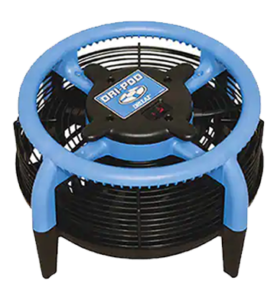
Combine high-speed air movers with dehumidifiers for better drying results. Together, they increase airflow across wet surfaces, promote evaporation, and help remove excess moisture during water damage and structural drying.
This air mover directs airflow across wet surfaces to support drying. Some jobs also need a dehumidifier. Confirm safe placement, power requirements and the available model before rental.
High speed air mover rental is available for water damage, structural drying, carpet drying, and other restoration projects. This professional air mover increases airflow across wet surfaces and building materials.
When combined with a dehumidifier, increased airflow helps moisture evaporate from wet materials while the dehumidifier removes excess moisture from the air. As a result, both types of equipment can work together during the structural drying process.
In addition, high speed air movers can help dry carpets, furnishings, floors, wall surfaces, and other affected areas. Restoration professionals commonly use air movers during water damage cleanup and drying projects.
For larger drying projects, multiple air movers may be positioned throughout the affected area to improve airflow across wet surfaces.
This high speed air mover is great for drying furniture and carpets as well as for increasing airflow during the drying which is necessary. Great for most water damage restoration drying jobs.
High speed air mover rental is available in Toronto and the GTA from GTA Restoration. This professional drying fan increases airflow across wet floors, carpets, walls, and other building materials during water damage and structural drying.
In addition, air movers can work with dehumidifiers during larger drying projects. Together, they help increase evaporation while the dehumidifier removes excess moisture from the surrounding air.
After a leak or flood, moisture can remain in flooring, drywall, carpet, and other materials. Therefore, strong airflow can help move moisture from wet surfaces into the air during the drying process.
For additional drying equipment, visit our restoration equipment rental page.
Air movers are commonly used during structural drying projects. For example, technicians may position them near wet flooring, walls, carpets, or other affected materials to increase airflow.
Meanwhile, dehumidifiers can help remove the moisture released into the surrounding air.
Wet carpet, underlay, tile, and some flooring systems can hold moisture after water damage. As a result, high-speed airflow may help support drying once standing water has been removed.
Air movers and dehumidifiers perform different jobs. Therefore, combining them can create a more complete drying setup for many restoration projects.
If you also need moisture removal equipment, see our large dehumidifier rental or Revolution LGR dehumidifier.
However, drying performance depends on moisture levels, room size, building materials, temperature, and equipment placement.
GTA Restoration rents air movers for homeowners, contractors, property managers, businesses, and restoration projects. Furthermore, larger losses may require several air movers and dehumidifiers working together.
For additional guidance, the U.S. Environmental Protection Agency recommends drying wet materials and controlling excess moisture after water damage.
If you need a high speed air mover for water damage, carpet drying, structural drying, or renovation work, contact GTA Restoration. Most importantly, we provide professional drying equipment rentals throughout Toronto and the GTA.
Equipment Rental | Large Dehumidifier | Commercial Property Water Loss Guide | XXL Commercial Dehumidifier | Restoration Equipment for Rent in Toronto | Water Damage Ottawa 
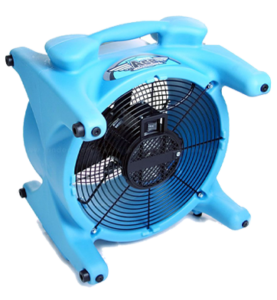
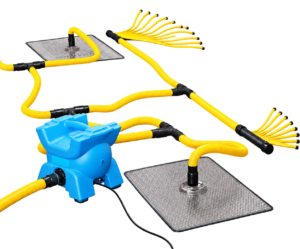

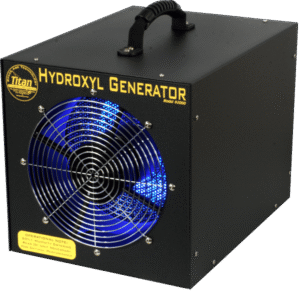
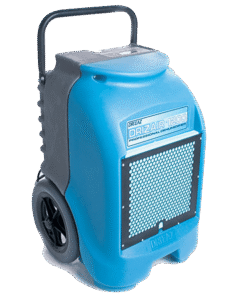
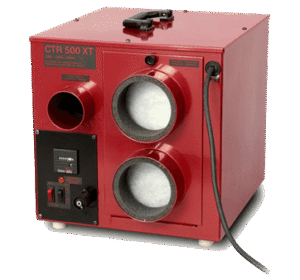
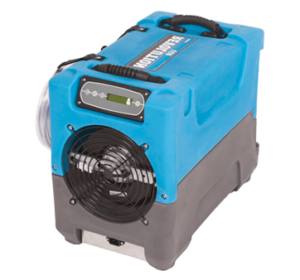
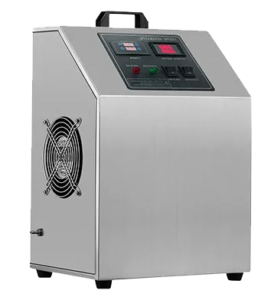
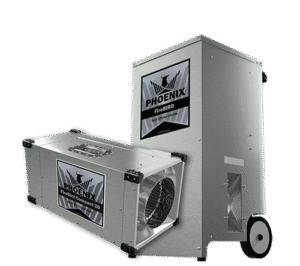
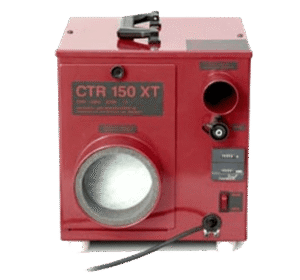
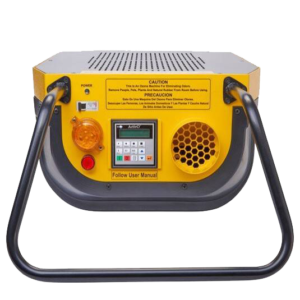
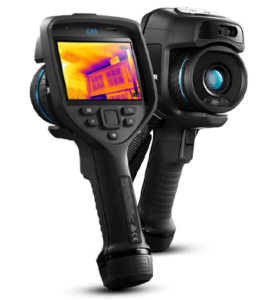
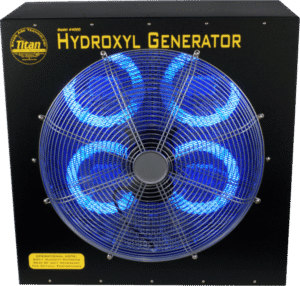

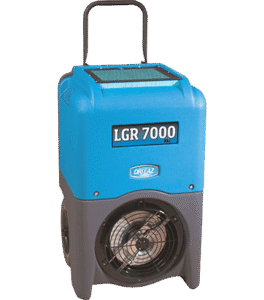
A high speed air mover can support water damage restoration, carpet drying, structural drying, construction work, and other moisture-control projects. Therefore, GTA Restoration rents professional air-moving equipment throughout Toronto and the GTA.
Air movers create strong airflow across wet materials. As a result, moisture can evaporate more quickly from surfaces during the drying process.
Floods, plumbing leaks, appliance failures, and other water losses can leave materials wet after extraction. Therefore, air movement can support drying once standing water has been removed.
Carpet and underlay can hold moisture after a leak or flood. For this reason, air movers may be placed near affected flooring to increase airflow and support evaporation.
Air movers can also support drying across tile, concrete, and other suitable flooring surfaces. However, the correct drying method depends on the flooring material and amount of moisture present.
Drywall, framing, baseboards, and other materials may stay damp after visible water is removed. Therefore, increased airflow can form part of the structural drying setup.
Air movers help increase evaporation from wet surfaces. Meanwhile, dehumidifiers remove moisture from the surrounding air. Together, both types of equipment can support structural drying.
Basement flooding can affect flooring, walls, contents, and other materials. After standing water is removed, air movers can help increase airflow throughout the affected area.
Homeowners may rent air movers after basement leaks, plumbing problems, appliance failures, or other water damage. In addition, they can support drying during some renovation and maintenance projects.
Contractors and property managers may use air movers in offices, condos, retail spaces, warehouses, and managed buildings. Furthermore, larger drying areas may require several units.
Construction materials can release moisture while drying or curing. For example, drywall compounds, paint, flooring work, and other materials may increase indoor moisture during a project.
For larger areas, more than one air mover may be needed. For example, several units can create more even airflow across a larger drying area. As a result, airflow can reach more of the affected surfaces during the drying process.
The correct setup depends on the affected area, materials, moisture level, and type of water loss. Therefore, GTA Restoration can help customers choose air movers, dehumidifiers, and other rental equipment.
In addition, some drying projects may require dehumidifiers, HEPA air scrubbers, heaters, or other restoration equipment. For example, air movers can increase evaporation while dehumidifiers remove moisture from the surrounding air. Therefore, using suitable equipment together can support a more complete drying setup.
Finally, contact GTA Restoration for high speed air mover rental in Toronto and the GTA. Most importantly, tell us about the affected area and type of project so we can help you choose suitable drying equipment.
First, remove standing water where required. Next, position drying equipment based on the affected materials. Meanwhile, monitor moisture conditions as drying continues. Finally, equipment can be removed when the project no longer requires it.
Need a high speed air mover?
Service Areas Across Canada
GTA Restoration serves communities across Canada, including Toronto and the GTA. U.S. locations are opening. Browse our Canadian service areas below, and contact us to confirm services and availability for your address.
Search
A high speed air mover increases airflow across wet materials. As a result, it can help support evaporation during water damage and structural drying.
Yes. For example, air movers can support drying after floods, plumbing leaks, appliance failures, and other water losses.
Often, yes. Therefore, the air mover can increase evaporation while the dehumidifier removes moisture from the surrounding air.
The number depends on the size of the affected area, amount of moisture, materials involved, and drying conditions. Therefore, larger projects may require several units.
Drying time varies. For this reason, moisture conditions should help determine how long the equipment needs to remain in use.
Learn more ↴ 
Direct Billing & Insurance Claims
Ask your insurer about coverage, deductibles and the records it needs.

In-House Financing Available
Financing up to 24 months. No interest. No money down. Ask us about the terms.
Certifications & Insurance
View our firm certification, technician qualifications and insurance documents.

IICRC Certified Firm
GTA Restoration Inc.
Firm number 199912
Valid through
Business Insurance
GTA Restoration Group Inc.
$5 million general liability per occurrence
$8 million contractors pollution per claim
–
IICRC Technician Qualifications
Richard Mark Provence · Registration 55726
Certificate expires
Water Damage Restoration · Fire & Smoke Restoration · Applied Microbial Remediation · Odor Control · Trauma & Crime Scene
View technician verification (PDF) — opens in a new tabInsurance is subject to policy terms, conditions and exclusions.





Call Us 416-800-0000