Vancouver Fire Restoration | Fire & Smoke Damage Cleanup
Vancouver Fire Restoration
GTA Restoration provides professional Vancouver Fire Restoration for homes, condos, rental properties, and commercial buildings. Fire damage can involve more than burned materials. Smoke, soot, odour, water from firefighting, and damaged contents may all need attention during the recovery process.
Most importantly, do not enter a fire-damaged area until the appropriate authorities or property representatives allow access. Once the site is available, a restoration team can assess the damage and plan the cleanup.
What Happens After a Fire?
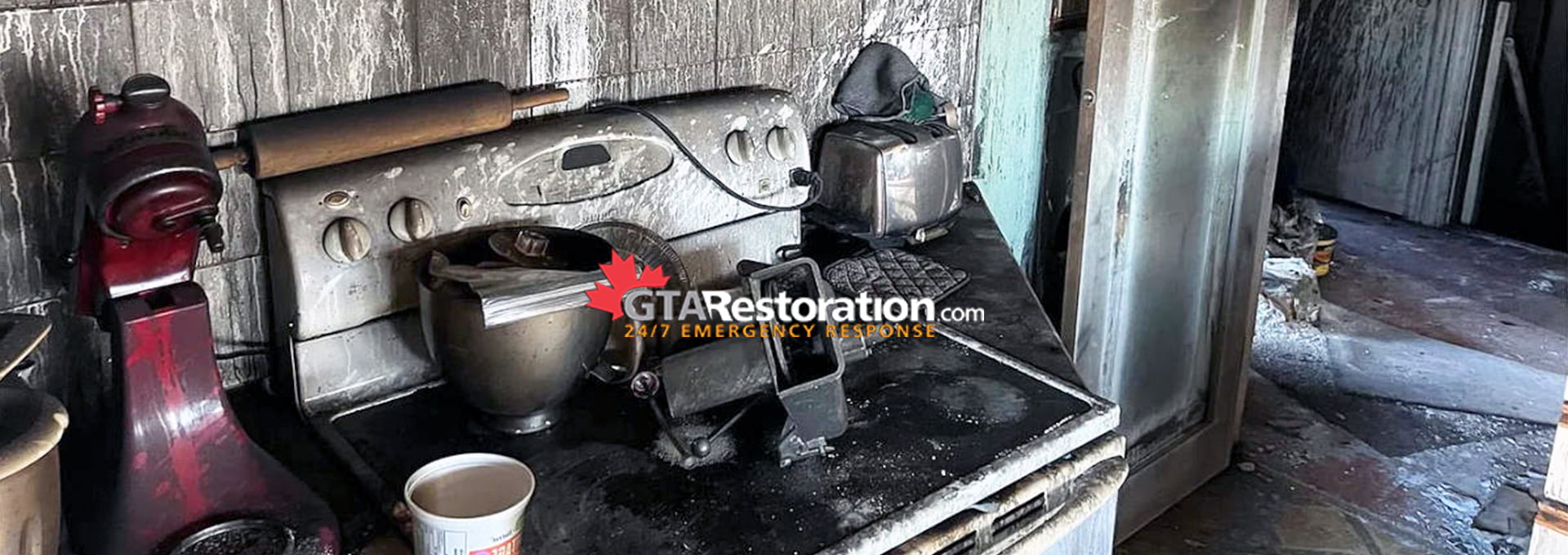
A fire can damage structural materials, finishes, furniture, contents, electrical systems, and nearby rooms. In addition, smoke and soot may travel beyond the area where the fire started.
Water used during firefighting can also affect floors, walls, ceilings, and contents. Therefore, a fire restoration project may involve both fire cleanup and water damage restoration.
Fire, Smoke and Soot Damage in Vancouver
Smoke and soot can settle on walls, ceilings, flooring, furniture, and other surfaces. Some residue also enters porous materials, which can make cleanup more difficult.
For this reason, the cleaning method should match the type of residue and affected material. Dry cleaning, wet cleaning, HEPA vacuuming, or other suitable methods may be used depending on the project.
Our Vancouver Fire Restoration Process
1. Assess the Fire-Damaged Area
First, technicians review the visible damage and identify areas affected by smoke, soot, water, and debris. Then, they can plan the cleanup based on the actual conditions.
2. Remove Loose Debris
Charred debris and damaged materials may need removal before detailed cleaning begins. However, technicians should not remove structural materials until they confirm the work area and scope.
3. Clean Smoke and Soot Residue
Next, the team cleans suitable surfaces and materials. For example, different types of soot may require different cleaning products and methods.
Technicians should test surfaces when needed because the wrong method can spread residue or damage finishes.
4. Address Water from Firefighting
Water from hoses, sprinklers, or suppression systems can leave building materials wet after the fire is out. As a result, technicians may need to extract standing water and begin structural drying.
Moisture meters help the team identify wet materials and track drying progress. Drying should rely on actual moisture readings rather than appearance alone.
5. Control Smoke Odours
Smoke odour can remain in porous materials even after visible soot is removed. Therefore, odour control starts with thorough source cleaning.
After cleaning, technicians may use suitable deodorizing methods based on the material and type of smoke damage.
6. Assess Contents
Furniture, clothing, electronics, documents, and other belongings may require separate assessment. Some items may allow cleaning, while others may have too much damage to restore.
7. Plan Repairs and Reconstruction
Finally, the restoration team can identify repairs needed after cleanup and drying. This may include drywall, flooring, trim, paint, insulation, or other finishes.
Smoke Damage Restoration Vancouver
Smoke can move through open rooms, hallways, service openings, and ventilation paths. As a result, visible fire damage may not show the full affected area.
A proper smoke damage restoration Vancouver assessment should consider surface residue, odour, contents, and nearby rooms rather than focusing only on the burn area.
Water Damage After Firefighting
Fire suppression can create a separate water damage problem. Wet drywall, insulation, flooring, or other materials may need drying or removal depending on their condition.
In addition, crews should check areas below or beside the fire scene because water can travel through floors, wall cavities, and openings.
Smoke smells often remain when soot, residue, or damaged porous materials stay in place. Therefore, deodorization should follow source cleaning rather than simply covering the smell.
Depending on the project, the team may use air filtration, targeted cleaning, suitable deodorizing products, or other methods after they address the main source.
Fire damage affects materials differently. Hard surfaces may respond well to cleaning, while soft or porous materials may hold soot and smoke residue below the surface.
Items that may need separate review include:
Furniture
Carpet and rugs
Clothing and fabrics
Electronics
Documents
Drywall and insulation
Cabinetry and wood finishes
Personal belongings
However, the team should base repair or removal decisions on the actual level of damage, material type, and cleaning potential.
Residential Fire Restoration Vancouver
We provide fire restoration support for houses, condos, apartments, rental units, and other residential properties in Vancouver.
In residential buildings, smoke may move into bedrooms, hallways, closets, neighbouring rooms, and contents. Therefore, crews may need to inspect more than the room where the fire began.
Commercial Fire Damage Restoration Vancouver
GTA Restoration also provides fire damage restoration Vancouver services for offices, retail spaces, warehouses, restaurants, common areas, and other commercial properties.
For businesses, the cleanup plan may need to consider building access, affected equipment, contents, work areas, and coordination with property management or insurers.
Fire Restoration Insurance Documentation
Fire damage claims can involve building damage, smoke, contents, water from firefighting, and repair work. Therefore, clear records can help organize the claim process.
Our team can document visible damage, affected materials, moisture readings, equipment use, and restoration work when needed. However, the insurer decides coverage based on the policy, cause of loss, limits, deductible, and exclusions.
Fire Safety After Restoration
Once the restoration work is complete, property owners may also want to review general fire-safety measures. For example, working smoke alarms, clear exits, proper electrical maintenance, and a household or workplace escape plan can improve readiness.
Only after the appropriate authority or property representative allows access. Instead of entering early, wait until the site is cleared for entry.
Does smoke damage areas away from the fire?
Yes. Smoke and soot can travel into nearby rooms and materials. Therefore, technicians may need to inspect beyond the visible burn area.
Can firefighting water cause more damage?
Yes. Water can affect flooring, drywall, insulation, contents, and nearby rooms. As a result, drying may become part of the fire restoration process.
Can smoke odour stay after cleaning?
Yes. Smoke residue can remain inside porous materials. Therefore, proper source cleaning should come before additional deodorizing methods.
Do you provide residential and commercial fire restoration?
Yes. GTA Restoration provides fire and smoke cleanup support for homes, condos, rental properties, and commercial buildings in Vancouver.
Need Fire Restoration in Vancouver?
GTA Restoration provides fire, smoke, soot, water damage, odour, contents, and restoration support for residential and commercial properties in Vancouver.
GTA Restoration provides Vancouver Fire Restoration for homes, condos, rental properties, offices, retail spaces, and other commercial buildings. In addition, our team can assist with smoke, soot, water from firefighting, odour, contents, and restoration work after the fire scene becomes available.
Fire Damage Assessment
Every fire restoration project starts with a review of the affected area. Therefore, technicians check visible fire damage, smoke residue, soot, debris, wet materials, and nearby rooms before planning the cleanup.
Smoke and Soot Cleanup
Smoke and soot can settle on walls, ceilings, floors, furniture, and other surfaces. For this reason, the team selects cleaning methods based on the type of residue and material rather than using one method everywhere.
Water Damage After Firefighting
Fire hoses and sprinkler systems can leave floors, walls, ceilings, and contents wet. As a result, technicians may need to extract water and dry affected materials while they complete the fire cleanup.
Smoke Odour Control
Smoke odours often remain when residue or damaged materials still hold the source. Therefore, proper cleaning comes before deodorization. Afterward, the team can select suitable odour-control methods for the remaining smell.
Contents and Material Review
Furniture, clothing, electronics, documents, flooring, drywall, and other materials may all react differently to fire and smoke. However, technicians should base cleaning, repair, or removal decisions on the actual condition of each material.
Residential and Commercial Properties
Our fire restoration Vancouver services support houses, condos, apartments, offices, retail spaces, warehouses, and managed properties. In larger buildings, smoke and water may travel beyond the original fire area, so the inspection may cover nearby spaces as well.
Repairs and Restoration
After cleaning and drying, the team can identify damaged finishes that require repair. For example, restoration may include drywall, flooring, trim, insulation, paint, or other materials depending on the fire damage.
Insurance Documentation
If an insurance claim is involved, our team can record affected areas, damaged materials, moisture readings, equipment use, and restoration work. However, your insurer determines coverage based on the policy, cause, limits, deductible, and exclusions.
GTA Restoration serves communities across Canada, including Toronto and the GTA. U.S. locations are opening. Browse our Canadian service areas below, and contact us to confirm services and availability for your address.




 Facebook
  Instagram
  LinkedIn
  X / Twitter
  YouTube