Montreal Asbestos Removal | Testing & Abatement
Montreal Asbestos Removal
Montreal asbestos removal requires careful identification, planning, containment, worker protection, cleanup, and waste handling. Damaged, friable, or disturbed asbestos-containing materials can release hazardous fibres during cutting, drilling, sanding, breaking, renovation, or demolition.
GTA Restoration provides asbestos inspection, testing coordination, abatement, removal, cleanup, and restoration support for homes, condos, commercial properties, and managed buildings throughout Montreal. We develop the work plan around the material, its condition, the planned activity, and the level of risk.
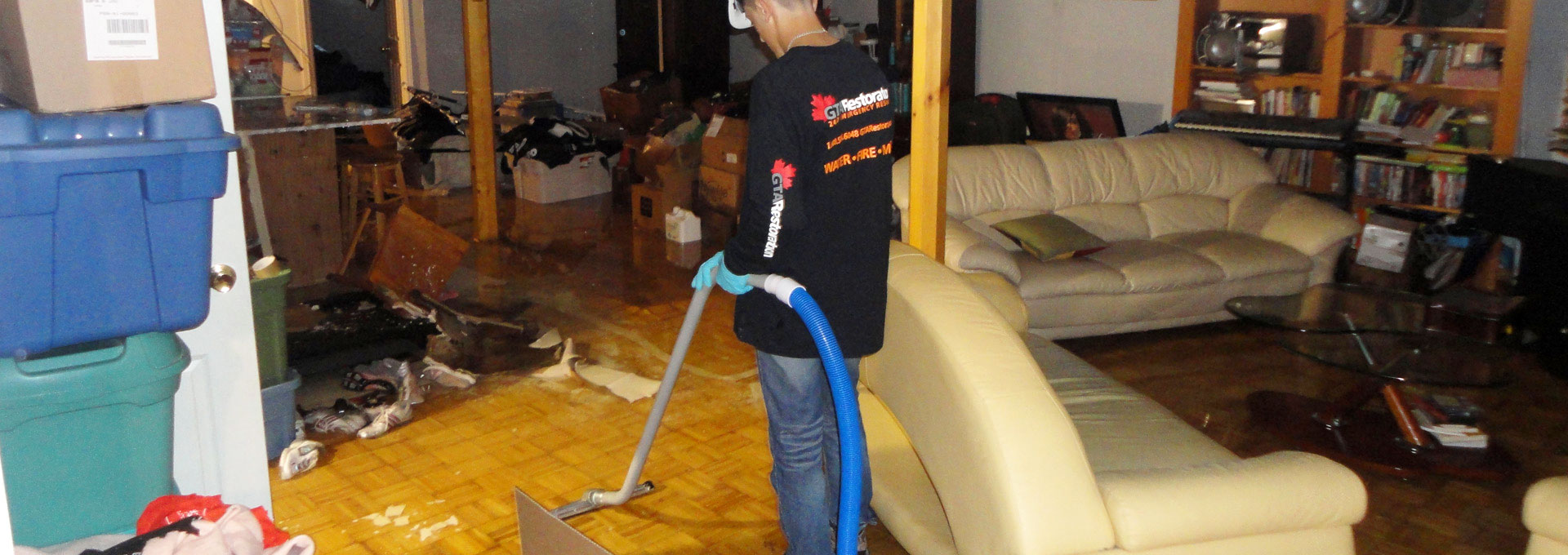
When Can Asbestos Create a Health Risk?
Asbestos-containing materials in good condition generally present less risk when nobody disturbs them. Cutting, drilling, sanding, breaking, deterioration, or demolition can release fibres from certain asbestos-containing materials.
For this reason, arrange an assessment before work begins rather than disturbing suspected materials to determine what they contain.
The Gouvernement du Québec provides additional information about preventing health problems associated with asbestos.
Where Asbestos May Be Found
Manufacturers historically incorporated asbestos into many construction products. In Québec, builders used asbestos-containing products extensively in construction and renovation, particularly between 1930 and 1990.
Potential locations include insulation, plaster, stucco, textured finishes, vinyl floor tiles and adhesives, ceiling tiles, pipe insulation, boiler and duct insulation, fibre-cement products, roofing materials, joint compounds, and some vermiculite insulation.
Appearance alone cannot reliably identify asbestos in many building materials. Therefore, a professional assessment and laboratory analysis may be appropriate before renovation or demolition.
Asbestos Inspection Montreal
An asbestos inspection Montreal property owners arrange before renovation can help identify materials that need further investigation. Inspectors consider the building’s age, previous renovations, material type, condition, and scope of the proposed project.
In Québec, applicable requirements may require contractors to treat certain materials as asbestos-containing unless documentation or representative laboratory testing establishes otherwise.
Proper identification gives contractors important information before Montreal asbestos removal or renovation work begins.
Asbestos Testing Before Renovation
A visual inspection cannot reliably confirm whether many building materials contain asbestos. A qualified professional can collect representative samples for laboratory analysis when testing is appropriate.
Asbestos testing Montreal projects can establish whether asbestos precautions apply and help contractors select suitable work procedures.
Property owners should avoid breaking or collecting samples themselves when that activity could disturb suspected asbestos-containing material.
Montreal Asbestos Abatement Planning
Once testing identifies asbestos, contractors can determine how to perform the work. Montreal asbestos abatement procedures depend on the material, its condition, the planned activity, and the potential for asbestos dust.
Therefore, contractors do not use identical containment or removal procedures for every asbestos project. The work method should match the actual risk and applicable Québec requirements.
CNESST provides detailed asbestos safety requirements and prevention information for Québec workplaces and construction projects.
Low, Moderate & High-Risk Asbestos Work
Québec asbestos requirements distinguish between different levels of work according to the activity and potential exposure. Work can range from handling certain intact non-friable products to projects involving friable insulation, sprayed materials, or demolition.
As the risk increases, workers may need additional controls such as restricted work areas, protective clothing, respiratory protection, containment, ventilation, and decontamination procedures.
A qualified contractor should determine which requirements apply to each asbestos removal Montreal project.
Containment During Asbestos Removal
Containment can help control asbestos dust when the work procedure requires it. Contractors may use barriers, restricted access, appropriate ventilation, sealed openings, and controlled entry depending on the project.
For higher-risk work, applicable Québec requirements may call for an airtight enclosure and additional ventilation or negative-pressure controls.
Contractors should design the containment setup around the specific work classification rather than applying one method to every project.
Worker Protection & PPE
Workers need appropriate training, work procedures, and protective equipment for asbestos-related tasks.
Depending on the work, crews may use respiratory protective equipment, protective clothing, gloves, controlled work practices, and decontamination procedures.
CNESST also requires appropriate information and training about asbestos hazards and safe work methods for workers who perform applicable asbestos-related work.
Removing Asbestos-Containing Materials
During Montreal asbestos removal, crews follow procedures designed to reduce asbestos dust and control the work area. Depending on the material and activity, workers may use wet methods, HEPA-filtered equipment, and other controls.
After removal, crews place asbestos-containing debris in appropriate sealed and identified containers according to applicable requirements.
The material and risk level determine the exact removal procedure.
HEPA Cleaning After Asbestos Work
Detailed cleaning forms an important part of asbestos abatement. Québec guidance includes high-efficiency filtered vacuum equipment and work methods that help minimize airborne dust.
Once crews finish removing the material, they clean the applicable work area according to the required procedure before the project moves to its next stage.
Air Monitoring & Clearance
Certain asbestos projects may require air monitoring or final clearance procedures because of the type of work, applicable requirements, project specifications, or recommendations from an independent consultant.
However, every Montreal asbestos abatement project does not automatically require the same final air test or clearance procedure.
When a project requires testing, its applicable protocol should establish the sampling and acceptance requirements.
Asbestos in Drywall & Joint Compound
Older drywall systems may contain asbestos in joint compounds or related finishing materials. Cutting, sanding, drilling, demolition, or removal can generate dust from these materials.
Therefore, property owners should arrange an assessment of suspected wall and ceiling materials before renovation begins.
CNESST identifies gypsum panels and joint compounds among materials that may require consideration during an asbestos assessment.
Asbestos Floor Tiles & Adhesives
Some older vinyl floor tiles, flooring products, and adhesives may contain asbestos. The material’s condition and the removal method can influence the potential for fibre release.
Before flooring demolition, testing can determine whether asbestos precautions apply and help contractors establish the appropriate removal procedure.
Vermiculite Insulation & Attics
Some vermiculite insulation historically installed in homes may contain asbestos. Québec advises property owners to limit disturbance and arrange an assessment of suspected vermiculite before renovation or removal.
When testing confirms asbestos-containing vermiculite, contractors can plan attic access and work around the specific conditions.
Property owners should avoid disturbing suspected insulation simply to inspect it more closely.
Asbestos in Pipe & Mechanical Insulation
Older buildings may contain asbestos around pipes, boilers, ventilation systems, heating equipment, or other mechanical components.
When this insulation becomes damaged or friable, disturbance can release fibres. Property owners should arrange an assessment before repair, demolition, or mechanical work affects suspected materials.
Asbestos After Water or Fire Damage
Water, fire, or structural damage can affect older materials that contain or may contain asbestos. Damaged ceilings, walls, insulation, flooring, and mechanical materials may need assessment before restoration crews begin demolition.
For this reason, crews should identify potential hazardous materials before disturbing suspect building components.
For water-related losses, see our Montreal water damage services.
Asbestos Removal Before Renovation
Renovation can disturb materials that have remained intact for decades. Removing walls, ceilings, flooring, insulation, mechanical systems, or other finishes may expose previously concealed materials.
Therefore, asbestos testing Montreal property owners arrange before demolition can reduce the chance of an unexpected asbestos discovery after construction starts.
When testing confirms asbestos, contractors can plan the abatement before other trades disturb the material.
Residential Asbestos Removal Montreal
Homes, condos, rental properties, and multi-unit residential buildings can contain asbestos in several types of materials. The appropriate response depends on the material, its condition, and whether planned work will disturb it.
Residential asbestos removal Montreal projects may include inspection, testing, work-area preparation, controlled removal, HEPA cleaning, waste handling, and restoration planning.
Commercial Asbestos Abatement Montreal
Older commercial and institutional properties may contain asbestos in mechanical insulation, flooring, ceiling systems, wall finishes, roofing materials, and other building components.
For larger projects, commercial asbestos abatement in Montreal may require coordination among building owners, managers, consultants, contractors, occupants, and other trades.
Careful access planning and work sequencing can help separate asbestos activities from unrelated construction operations.
Choosing a Qualified Asbestos Contractor in Quebec
Québec does not operate an official accreditation or certification program specifically for contractors who perform asbestos work. Property owners should instead verify that a contractor has the qualifications required for the proposed work.
Québec recommends checking applicable RBQ licensing, asbestos training and experience, insurance, the proposed work scope, and the contractor’s approach to applicable safety requirements.
This approach provides more useful information than relying on a general claim such as “Québec-certified asbestos contractor.”
Asbestos Waste Handling
Crews must control asbestos-containing waste during handling and removal. Applicable CNESST requirements call for appropriate containers and identification of asbestos debris.
In addition, contractors should plan transportation and disposal according to the requirements that apply to the project and disposal destination.
Crews should never leave loose asbestos debris where dust or material can spread into occupied or public areas.
Health Risks Associated With Asbestos
Breathing airborne asbestos fibres can create serious long-term health risks. Québec identifies diseases associated with asbestos exposure, including asbestosis, mesothelioma, lung cancer, laryngeal cancer, and ovarian cancer.
Generally, risk increases with the amount, duration, and frequency of exposure. Preventing unnecessary fibre release therefore plays a central role in asbestos management and removal.
For additional health information, review the Gouvernement du Québec’s information about the health effects of asbestos.
Montreal Asbestos Removal Services
GTA Restoration provides Montreal asbestos removal, inspection, testing coordination, abatement, cleanup, and related restoration support for residential and commercial properties.
Every asbestos project is different. The material, condition, location, planned work, laboratory findings, and applicable risk classification help determine the appropriate removal and safety procedures.
Need Asbestos Removal in Montreal?
Call GTA Restoration Today!
Learn more ↴
Asbestos Removal Toronto | Asbestos Testing Montreal | Toronto Asbestos Removal | Water Damage Restoration | How Asbestos Removal Works | Vancouver Asbestos Removal For non-emergencies use our contact form
Asbestos Abatement & Removal in Montreal
Asbestos-containing materials can require special precautions when renovation, demolition, damage, or deterioration may release fibres. Therefore, property owners should arrange proper identification and planning before anyone disturbs suspected materials.
Asbestos Inspection
An inspection can identify building materials that require further investigation before work begins. In addition, inspectors can consider the building’s age, previous renovations, material condition, and planned work when determining where testing may help.
Asbestos Testing
Laboratory analysis can determine whether representative material samples contain asbestos. For this reason, testing suspected materials before renovation can help contractors choose appropriate work procedures and plan the project correctly.
Asbestos Abatement Planning
Contractors should develop the removal plan around the material, condition, location, work activity, and applicable risk level. Therefore, containment and worker-protection requirements can vary between asbestos projects.
Work Area Containment
Containment can help control asbestos dust and separate the work area from other parts of the building. Depending on the project, crews may also use ventilation, restricted access, barriers, and decontamination procedures.
Controlled Material Removal
Trained workers use procedures designed to reduce asbestos dust while removing affected materials. For example, appropriate projects may involve wet methods, HEPA-filtered equipment, respiratory protection, and controlled handling.
HEPA Cleaning
Crews perform detailed cleaning after removal to help control remaining dust within the work area. In addition, high-efficiency filtered equipment and other required cleaning procedures may form part of the project before work progresses.
Asbestos Waste Handling
Crews must control asbestos-containing debris and place it in appropriate containers. Therefore, contractors should plan sealing, identification, transportation, and disposal according to the requirements that apply to the project.
Renovation & Demolition
Older walls, ceilings, flooring, insulation, and mechanical materials may require assessment before contractors disturb them. As a result, identifying asbestos early can help prevent unexpected interruptions after renovation or demolition starts.
Residential & Commercial Abatement
Homes, condos, offices, retail spaces, and other buildings can contain different asbestos-containing materials. Consequently, contractors should develop each work plan around the property, affected materials, and planned activity.
Montreal Asbestos Removal
GTA Restoration provides Montreal asbestos removal, inspection, testing coordination, abatement, cleanup, and related restoration support. Our team can assess project conditions and prepare an appropriate work plan for residential and commercial properties throughout Montreal.
Need Asbestos Removal in Montreal?
Call GTA Restoration Today!
Service Areas Across Canada
GTA Restoration serves communities across Canada, including Toronto and the GTA. U.S. locations are opening. Browse our Canadian service areas below, and contact us to confirm services and availability for your address.
Search
- Air Duct Cleaning Montreal
- Ajax Asbestos Removal
- Ajax Mold Removal
- Ajax Water Damage
- Asbestos Removal Calgary
- Asbestos Removal Edmonton
- Asbestos Removal Fort Saskatchewan
- Asbestos Removal Gloucester
- Asbestos Removal Grimsby
- Asbestos Removal Hamilton
- Asbestos Removal Kanata
- Asbestos Removal Kitchener
- Asbestos Removal Laval
- Asbestos Removal Lincoln
- Asbestos Removal Montreal
- Asbestos Removal Nepean
- Asbestos Removal Niagara Falls
- Asbestos Removal Orleans
- Asbestos Removal Ottawa
- Asbestos Removal Sherwood Park
- Asbestos Removal Spruce Grove
- Asbestos Removal St Catharines
- Asbestos Removal St-Albert
- Asbestos Removal Thorold
- Asbestos Testing Hamilton
- Asbestos Testing Montreal
- Asbestos Testing Petersburg
- Aurora Mold Removal
- Aurora Water Damage
- Beaconsfield Asbestos Removal
- Brampton Asbestos Removal
- Brampton Mold Removal
- Brampton Water Damage
- Burlington Asbestos Removal
- Burlington Mold Removal
- Burlington Water Damage
- Burst Pipe Montreal Frozen Pipe
- Burst Pipe Repair Edmonton
- Burst Pipe Repair Ottawa
- Caledon Mold Removal
- Caledon Water Damage
- Calgary Mold Removal
- Calgary Water Damage
- Cambridge Mold Removal
- Cambridge Water Damage
- Clarington Mold Removal
- Concord Mold Removal
- Concord Water Damage
- Cooksville Mold Removal
- Edmonton Water Damage
- Emergency Roofing Vancouver
- Etobicoke Asbestos Removal
- Etobicoke Mold Removal
- Etobicoke Water Damage
- Fire Damage Grimsby
- Fire Damage Lincoln
- Fire Damage Niagara Falls
- Fire Restoration Fort McMurray
- Fire Damage Restoration Thorold
- Fire Damage St Catharines
- Flood Cleanup Grimsby
- Flood Cleanup Lincoln
- Flood Cleanup Niagara Falls
- Flood Cleanup St Catharines
- Flood Cleanup Thorold
- London Mold Removal
- London Water Damage
- Markham Asbestos Removal
- Markham Mold Removal
- Markham Water Damage
- Mississauga Asbestos Testing
- Mississauga Mold Removal
- Mississauga Water Damage
- Mold Inspection Removal Kitchener
- Mold Remediation Montreal
- Mold Removal & Inspection LaSalle
- Mold Removal Anjou
- Mold Removal Boucherville
- Mold Removal Brossard
- Mold Removal Burnaby
- Mold Removal Chambly
- Mold Removal Chateauguay
- Mold Removal Chomedey
- Mold Removal Coquitlam
- Mold Removal Dollard Des Ormeaux
- Mold Removal Dorval
- Mold Removal Edmonton
- Mold Removal Fort Saskatchewan
- Mold Removal Gloucester
- Mold Removal Grimsby
- Mold Removal Hamilton Inspection
- Mold Removal Ile Bizard
- Mold Removal in Osgoode
- Mold Removal Beaconsfield
- Mold Removal Kahnawake
- Mold Removal Kanata
- Mold Removal Kirkland
- Mold Removal Laval
- Mold Removal Lincoln
- Mold Removal Longueuil
- Mold Removal Montreal East
- Mold Removal Mount Royal
- Mold Removal Nepean
- Mold Removal New Westminster
- Mold Removal Niagara Falls
- Mold Removal Orleans
- Mold Removal Ottawa
- Mold Removal Cumberland
- Mold Remediation Hampstead
- Mold Removal Remediation Roxboro
- Mold Removal Richmond BC
- Mold Removal Rideau Lakes
- Mold Removal Rockcliffe Park
- Mold Removal Saint Hubert
- Mold Removal Saint Laurent
- Mold Removal Sherwood Park
- Mold Removal Spruce Grove
- Mold Removal St Catharines
- Mold Removal Ste Dorothee
- Mold Removal St۔ Albert
- Mold Removal Surrey
- Mold Removal Thorold
- Mold Removal Vancouver
- Mold Removal Vanier
- Mold Removal Westmount
- Montreal Biohazard Cleanup
- Montreal Emergency Plumber
- Montreal Fire Restoration
- Montreal Flood Cleanup
- Montreal Odor Removal
- Montreal Roofing Emergency
- Montreal Sewer Backup Cleanup
- Montreal Water Leak Detection
- Montréal Asbestos Removal
- Montréal Emergency Plumbing
- Montréal Mold Removal
- Montréal Pipe Burst Emergency
- Montréal Water Damage
- Newmarket Mold Removal
- Newmarket Water Damage
- North York Mold Removal
- Oakville Mold Removal
- Oakville Water Damage
- Oshawa Mold Removal
- Oshawa Water Damage
- Ottawa Air Duct Cleaning
- Pickering Mold Removal
- Pickering Water Damage
- Red Deer Water Damage
- RedDeer Mold Removal
- Richmond Hill Mold Removal
- Richmond Hill Water Damage
- Roof Repair Lincoln
- Roof Repair Niagara Falls
- Roof Repair St Catharines
- Scarborough Asbestos Removal
- Scarborough Mold Removal
- Scarborough Water Damage
- Sewage Cleanup Edmonton
- Sewer Backup Lincoln
- Sewer Backup Niagara Falls
- Sewer Backup Ottawa
- Sewer Backup St Catharines
- Thornhill Mold Removal
- Toronto & GTA Asbestos Removal
- Toronto & GTA Mold Removal
- Toronto Air Duct Cleaning
- Toronto Water Damage
- Unionville Mold Removal
- Unionville Water Damage
- Vancouver Asbestos Removal
- Vancouver Biohazard Cleanup
- Vancouver Emergency Plumber
- Vancouver Emergency Plumbing
- Vancouver Fire Restoration
- Vancouver Flood Cleanup
- Vancouver Mold Removal
- Vancouver Odor Removal
- Vancouver Pipe Burst Emergency
- Vancouver Sewer Backup Cleanup
- Vancouver Water Damage
- Vancouver Water Leak Detection
- Vaughan Mold Removal
- Vaughan Water Damage
- Vermiculite Removal Ottawa
- Water Damage Grimsby
- Water Damage Kanata
- Water Damage Kitchener
- Water Damage Lincoln
- Water Damage Longueuil
- Water Damage Nepean
- Water Damage Niagara Falls
- Water Damage Orleans
- Water Damage Ottawa
- Water Damage Repair Montreal
- Water Damage Laval Montreal
- Water Damage Restoration Thorold
- Sewage Backup Cleanup Montreal
- Water Damage St Catharines
- Water Damage Vancouver
- Water Flood Damage Repair Hamilton
- Flood Damage Repair Hampstead
- Whitby Water Damage
- Woodbridge Asbestos Removal
- Woodbridge Mold Removal
- Woodbridge Water Damage
- Restoration Equipment Rental
Montreal Asbestos Removal FAQs
What should I do with suspected asbestos?
Leave the material undisturbed and arrange an assessment before renovation, demolition or removal.
Can appearance confirm that asbestos is present?
No. A qualified assessment and representative laboratory testing may be needed to identify the material.
Which records should I share with the contractor?
Provide earlier surveys, sample results, building information and the exact areas that proposed work will affect.
Why does the work area need access controls?
The contractor selects controls suited to the material and work. Ask how occupants and nearby areas will be protected.
What should I check before work is complete?
Confirm the agreed cleanup, waste handling and any required completion records before the area is reopened.
Learn more ↴ 
Latest Blog
Latest Articles
Direct Billing & Insurance Claims
Ask your insurer about coverage, deductibles and the records it needs.

In-House Financing Available
Financing up to 24 months. No interest. No money down. Ask us about the terms.
Certifications & Insurance
View our firm certification, technician qualifications and insurance documents.

IICRC Certified Firm
GTA Restoration Inc.
Firm number 199912
Valid through
Business Insurance
GTA Restoration Group Inc.
$5 million general liability per occurrence
$8 million contractors pollution per claim
–
IICRC Technician Qualifications
Richard Mark Provence · Registration 55726
Certificate expires
Water Damage Restoration · Fire & Smoke Restoration · Applied Microbial Remediation · Odor Control · Trauma & Crime Scene
View technician verification (PDF) — opens in a new tabInsurance is subject to policy terms, conditions and exclusions.
 Facebook
 Instagram
 LinkedIn
 X / Twitter
 YouTube