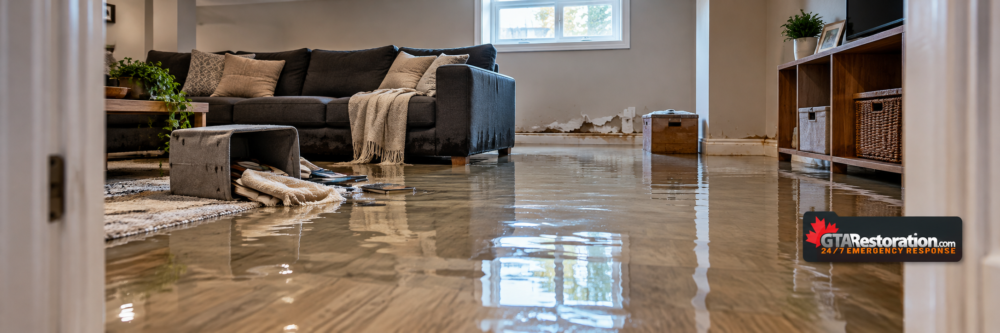
Water on the floor is only part of the problem. The bigger risk is the moisture you cannot see – inside drywall, under flooring, behind baseboards, and in the air. That is why choosing the best dehumidifiers for water damage matters so much after a leak, flood, burst pipe, or sewer backup. The right machine helps pull moisture out of the structure before swelling, odor, and mold turn a manageable loss into a major restoration job.
What makes the best dehumidifiers for water damage?
A good water-damage dehumidifier is not just one that lowers humidity on a display screen. It needs to remove large amounts of moisture quickly, run continuously, and hold up under demanding conditions. For real drying work, capacity, airflow, drainage, and reliability matter more than convenience features.
That is where many property owners get tripped up. A unit marketed for a damp bedroom or seasonal basement may be excellent for comfort, but still too small for active water damage. If carpeting is soaked, drywall is wet, or water has affected multiple rooms, a standard retail unit often cannot keep pace with the evaporation load.
The best dehumidifiers for water damage usually fall into three categories: small residential units, large-capacity residential or light commercial units, and professional restoration dehumidifiers. Each has a place, but they are not interchangeable.
Small residential dehumidifiers
These are the machines most homeowners recognize. They are commonly sold as 30-pint, 50-pint, or similar capacities and work well for mild dampness, condensation, or ongoing humidity control in a basement. If the water event was minor – for example, a small supply-line leak caught early on a tile floor – one of these units may help finish the drying process after the water has been extracted.
The trade-off is speed. Small units remove moisture slowly compared with restoration equipment, and they usually cover a limited area. If materials are already saturated, they are often not enough on their own.
Large-capacity residential and light commercial units
These sit in the middle. They typically offer stronger moisture removal, better continuous drainage, and more durable components. For larger finished basements, condo units with moderate water intrusion, or commercial spaces with limited spread, they can be a practical step up.
Even here, conditions matter. High humidity, cooler temperatures, and hidden moisture behind walls can reduce effectiveness. If the goal is true structural drying rather than just making the room feel less damp, capacity alone does not solve the whole problem.
Professional restoration dehumidifiers
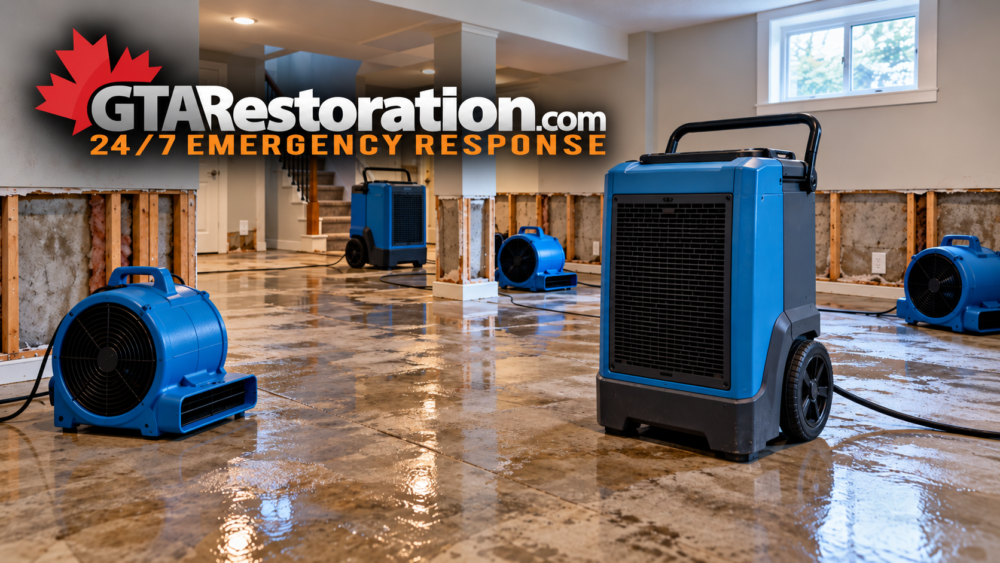
These are the machines used during emergency drying and water damage mitigation. They are built for continuous operation, high moisture loads, and job-site conditions. More importantly, they are part of a system. In professional drying, dehumidifiers work together with air movers, moisture meters, thermal imaging, and containment when needed.
This is the difference between drying the air and drying the structure. A professional unit can remove significant moisture, but without proper placement, airflow, and monitoring, wet subfloors and wall cavities may remain damp long after surfaces look dry.
How to choose the right size after a water loss
The best choice depends on how much water entered the property, how long it sat, what materials were affected, and whether the space is enclosed or open. Square footage matters, but it is not the only factor. A 700-square-foot basement with soaked drywall and padding may need more drying power than a larger area with only surface moisture.
If water touched porous materials such as carpet, insulation, wood trim, drywall, or cabinetry, assume the drying job is more serious than it appears. Those materials hold water and release it over time. A dehumidifier that seems to be working well on day one may fall behind as moisture continues migrating out of the structure.
Temperature also changes performance. Some dehumidifiers lose efficiency in cooler basements or unheated lower levels. Others are better suited to warmer indoor environments. This is one reason emergency restoration crews select equipment based on actual site conditions instead of just room size printed on a box.
Signs a standard dehumidifier may be enough
If the leak was clean water, contained to a small area, discovered quickly, and did not soak into wall assemblies or under finished floors, a good residential dehumidifier may be enough once standing water is removed. The same applies when the issue is leftover humidity after a plumber has fixed the source and materials are only lightly damp.
You still need to monitor carefully. If humidity stays high, surfaces remain cool or damp to the touch, or there is a persistent musty smell, the drying plan is probably falling short.
Signs you need restoration-grade drying
If water spread across multiple rooms, entered wall cavities, affected laminate or hardwood flooring, soaked carpet padding, or came from a contaminated source, do not rely on a standard appliance. The same applies to flooded basements, condo overflows affecting neighboring units, commercial losses, and any event involving gray or black water.
In these cases, speed matters. Delayed drying increases the chance of microbial growth, material deterioration, and insurance complications. A fast response with the right equipment often reduces demolition and shortens downtime.
Features that matter most
When comparing options, start with removal rate and continuous drainage. Water damage drying generates a steady moisture load, so a unit with a small bucket is inconvenient at best and ineffective at worst. A hose connection or pump-assisted drainage is far better for continuous operation.
Look next at airflow and durability. Strong moisture removal without proper circulation limits results. Noise may matter in occupied homes or offices, but during an active loss, performance should come first.
Built-in humidity controls can help, though they are not a substitute for moisture mapping. Auto restart is useful after a power interruption. For basements and utility areas, portability matters too. A heavy but powerful machine may still be the better choice if it can be set up correctly and left running.
Common mistakes people make after water damage
The biggest mistake is underestimating hidden moisture. People often mop the floor, set up one dehumidifier, and assume the job is under control. Meanwhile, water may be trapped beneath vinyl plank flooring, inside insulation, or beneath cabinets.
Another common issue is using a dehumidifier without enough air movement. Drying works faster when wet surfaces are exposed to airflow and the humid air is then processed by the dehumidifier. That is why restoration crews use air movers and dehumidifiers together.
Placement mistakes are common too. Putting the machine in a hallway while the wettest materials are behind closed doors reduces effectiveness. Closed systems often dry best, but they still need strategic equipment layout.
Then there is the source of the water. Clean water from a fresh supply line is one scenario. Sewage backup, toilet overflow, and storm-related contamination are different. In contaminated losses, drying equipment is only one part of the response. Cleaning, disinfection, safe removal of affected materials, and proper protective measures are just as important.
Residential versus commercial needs
Homeowners usually focus on protecting finishes, contents, and indoor air quality. Property managers and commercial operators have a second layer of pressure: occupancy, tenant impact, safety compliance, and business interruption. The best dehumidifiers for water damage in a small home office may be completely wrong for a retail unit, apartment corridor, or multi-suite building.
Commercial losses typically require a more controlled drying plan, documented moisture readings, and a clearer scope of work. In those environments, equipment decisions are less about convenience and more about output, coverage, and accountability.
When to call a professional instead of renting equipment
A rental dehumidifier can help in the right situation, but it is not always the cost-saving move it appears to be. If the water affected structural materials, if the source was contaminated, or if moisture has had more than a short window to spread, professional mitigation is usually the safer choice.
An emergency restoration team does more than drop off equipment. They identify how far the water traveled, extract standing water, remove unsalvageable materials when necessary, set drying goals, monitor progress, and document conditions for insurance. That process often prevents rework later.
For property owners in urgent situations, that is usually the real decision. Not just which machine is best, but whether the job needs equipment rental or full-service drying. In many losses, especially flooded basements and hidden leaks, the fastest path to recovery is a professional response using commercial dehumidifiers and a complete drying strategy. GTA Restoration approaches water losses this way because getting moisture out quickly is what protects the building.
The right dehumidifier can make a real difference after water damage, but the right response matters more. If the damage is minor, a quality unit may help you stabilize the space. If the loss is widespread, hidden, or contaminated, faster action with restoration-grade drying gives you a much better chance of saving materials, limiting mold risk, and getting the property back to normal sooner.
Related