
Tags: Fire & Smoke Damage Restoration, Fire Damage Restoration, Smoke and Fire Restoration, Smoke Damage, Smoke Damage Restoration, Smoke Remediation, Smoke Restoration,
For non-emergencies use our contact form

Emergency? 24-Hours
416-800-0000Recovery also involves belongings, living arrangements and daily decisions. These practical steps can help you stay organised while the restoration team works through the property’s needs.
Choose a main contact for questions and progress reports. Then, agree on how the team will share updates, access requests and changes to the schedule.
If you cannot stay at home, discuss temporary accommodation with your insurer or local support services. Keep receipts and ask which expenses your policy may cover.
List affected items by room. Add photos, approximate purchase dates and receipts where available. However, do not enter restricted areas to complete the list.
Ask which fabrics need specialist cleaning before putting them in your washer. Also, keep affected textiles separate from clean belongings until you receive handling advice.
Do not switch on affected electronics or appliances to test them. Heat, water and residue may cause damage that you cannot see. Arrange a qualified assessment.
Do not use food or medicine that has been exposed to heat, smoke or firefighting water. Contact a pharmacist promptly about replacing essential medication.
Tell the restoration team about important papers, photographs and sentimental items. Early identification helps the team consider suitable recovery options without promising that every item can be saved.
For a condo or rental property, notify the manager or landlord. Coordinate access and work that may affect neighbouring units, common areas or shared systems.
Hidden damage may change the scope. Ask for a clear explanation of new findings, proposed work and cost changes before agreeing to additional non-urgent repairs.
Before moving back, confirm the required inspections, utility checks and remaining restrictions with the responsible professionals and authorities. Finally, keep the completion records with your repair documents.
Need a clearer plan after fire or smoke damage?
Speak with GTA Restoration about your property’s cleanup and repair needs.
Service Areas Across Canada
GTA Restoration serves communities across Canada, including Toronto and the GTA. U.S. locations are opening. Browse our Canadian service areas below, and contact us to confirm services and availability for your address.
Search
Follow fire officials' instructions and stay outside until they allow entry. Then, contact your insurer and arrange a professional damage assessment.
Yes. Smoke can travel into other rooms and leave residue on surfaces and belongings. Therefore, an assessment should extend beyond the visibly burned area.
The right method depends on the residue and surface. Avoid scrubbing or using an ordinary vacuum before getting advice, and never mix cleaning chemicals.
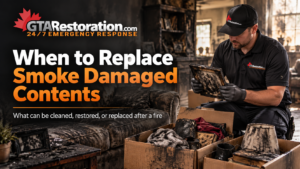
No. Some items may respond to specialist cleaning. However, heat damage, contamination and material condition can make replacement necessary. Assess each item before deciding.
Timing depends on the damage, drying needs, contents cleaning and repairs. Ask for a staged schedule, then review updates as the team checks concealed areas.
That depends on the property's condition and work underway. Permission for a brief visit does not mean the home is ready for normal use. Confirm occupancy guidance first.
Direct Billing & Insurance Claims
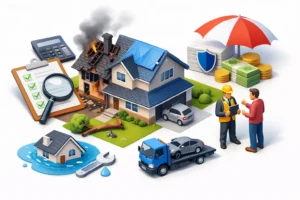
Ask your insurer about coverage, deductibles and the records it needs.

In-House Financing Available
Financing up to 24 months. No interest. No money down. Ask us about the terms.
Learn more ↴ 
RELATED ARTICLES





Call Us 416-800-0000
Emergency? 24/7 Restoration Help
We cover all GTA 24/7.
Head Office:
250 Consumers Rd,
#10
Toronto, ON
M2J 4V6,
Open 24 hours
Downtown Office:
1 Toronto St,
#10
Toronto, ON
M5W 1A1,
Open 24 hours
For non-emergencies use our contact form
Not sure what you need?
Call us today to find the best product for your situation.
Head Office:
101 Lebovic Ave,
Unit #10
Scarborough,
ON, M1L 4T7
Hours
24-Hours Open
Downtown Office:
250 Yonge Street,
Unit #1A
Toronto,
ON, M5B 2L7
Hours
24-Hours Open
Fire Smoke Damage Restoration: Where to Begin
Get a quote today