Water damage and mold growth often go hand in hand. A leaking pipe, flooded basement, roof leak, appliance failure, or excess indoor humidity can leave building materials wet long enough for mold to develop. Acting quickly helps reduce damage to drywall, flooring, wood, insulation, furniture, and other materials inside your property.
Homeowners should pay attention to damp areas even when mold is not immediately visible. Moisture can remain behind walls, beneath flooring, inside cabinets, or above ceilings. A musty odour, staining, peeling finishes, or recurring dampness may indicate a moisture problem that needs further investigation.
Winter Precautions for Homes in Toronto
Toronto winters can create moisture problems indoors. Condensation may form on windows and other cold surfaces, while plumbing leaks, roof problems, snowmelt, and poor ventilation can introduce additional moisture.
During colder months, check areas around windows, exterior walls, basements, plumbing fixtures, and roof penetrations. Address leaks and excess humidity as soon as possible instead of allowing damp materials to remain wet.
What Is Indoor Mold Growth?
Mold is a type of fungus that occurs naturally in the environment. Mold spores can enter buildings through doors, windows, ventilation systems, clothing, shoes, and normal air movement.
Spores alone do not necessarily mean that a building has a mold problem. Mold requires moisture and suitable material on which to grow. When drywall, wood, carpet, paper, fabrics, insulation, dust, or other materials remain damp, mold may begin developing.
What Conditions Help Mold Grow?
Several conditions can contribute to indoor mold growth:
Moisture: Leaks, flooding, condensation, and high humidity can keep building materials damp.
Suitable materials: Mold can grow on drywall, wood, paper, carpet, fabrics, dust, and many other indoor materials.
Temperature: Many indoor environments provide temperatures that allow fungal growth when moisture is present.
Time: The longer materials remain wet, the greater the opportunity for mold growth and material deterioration.
How Water Damage Leads to Mold Growth
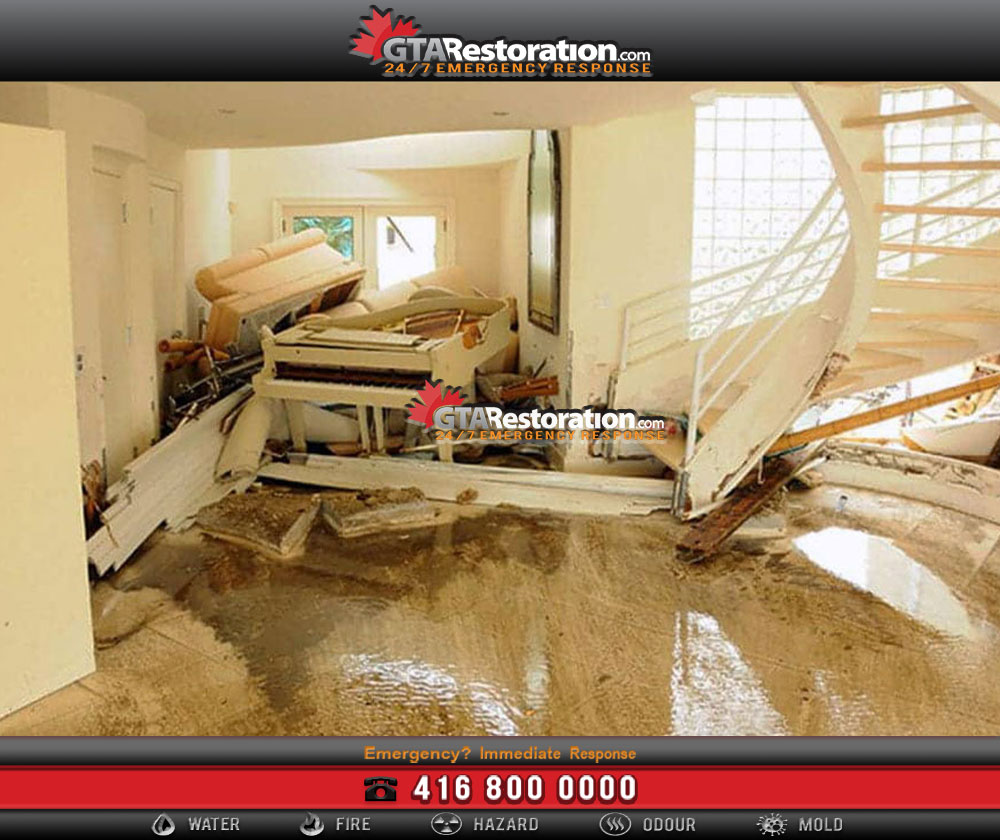
Moisture is one of the main conditions required for mold growth. Water damage from leaking pipes, roof leaks, foundation leaks, overflowing fixtures, appliance failures, sewage backups, or flooding can create damp conditions inside a property.
Bathrooms and kitchens may also develop moisture problems when exhaust fans do not operate correctly or fail to vent outdoors. Condensation on windows and exterior walls can provide another source of moisture.
Health Canada recommends repairing water leaks quickly, cleaning up after flooding, and controlling indoor humidity to help prevent mold. It generally recommends maintaining relative humidity between 30% and 50%. For additional guidance, see Health Canada’s guidance on moisture and mould.
When building materials become wet, quick drying is important. Health Canada notes that homes and furnishings are less likely to develop mold when they are dried within approximately 48 hours after flooding or water exposure.
Common Signs of Water Damage and Mold
Some moisture problems are obvious, while others remain hidden. Common warning signs include:
Water stains on ceilings or walls
Peeling or bubbling paint
Swollen baseboards or flooring
Wet or soft drywall
Persistent condensation
Musty or earthy odours
Visible discoloration or mold growth
Recurring moisture around windows or plumbing fixtures
If these conditions continue, locate and repair the moisture source before cosmetic repairs are completed.
Possible Health Effects of Indoor Mold
People respond differently to mold and damp indoor conditions. According to Health Canada, people living in homes with mold and dampness may experience eye, nose, or throat irritation, coughing, wheezing, shortness of breath, worsening asthma symptoms, or other allergic reactions.
Children, older adults, people with asthma or severe allergies, and people with certain medical conditions may be more sensitive to mold exposure. Health Canada does not establish a single safe indoor mold exposure limit because sensitivity and building conditions vary.
If you believe symptoms may be related to indoor mold or dampness, speak with a qualified healthcare professional. A restoration contractor can inspect and address the building conditions, but medical concerns should be evaluated by a healthcare provider.
Asthma Cases Survey in North America
How to Help Prevent Mold Growth
Preventing mold starts with controlling moisture. Regular inspection and quick repairs can significantly reduce the chance of mold developing after water damage.
Control indoor humidity. Aim for approximately 30% to 50% relative humidity when practical. A hygrometer can help monitor indoor humidity.
Use bathroom and kitchen exhaust fans. Run ventilation fans during and after showers, bathing, and cooking.
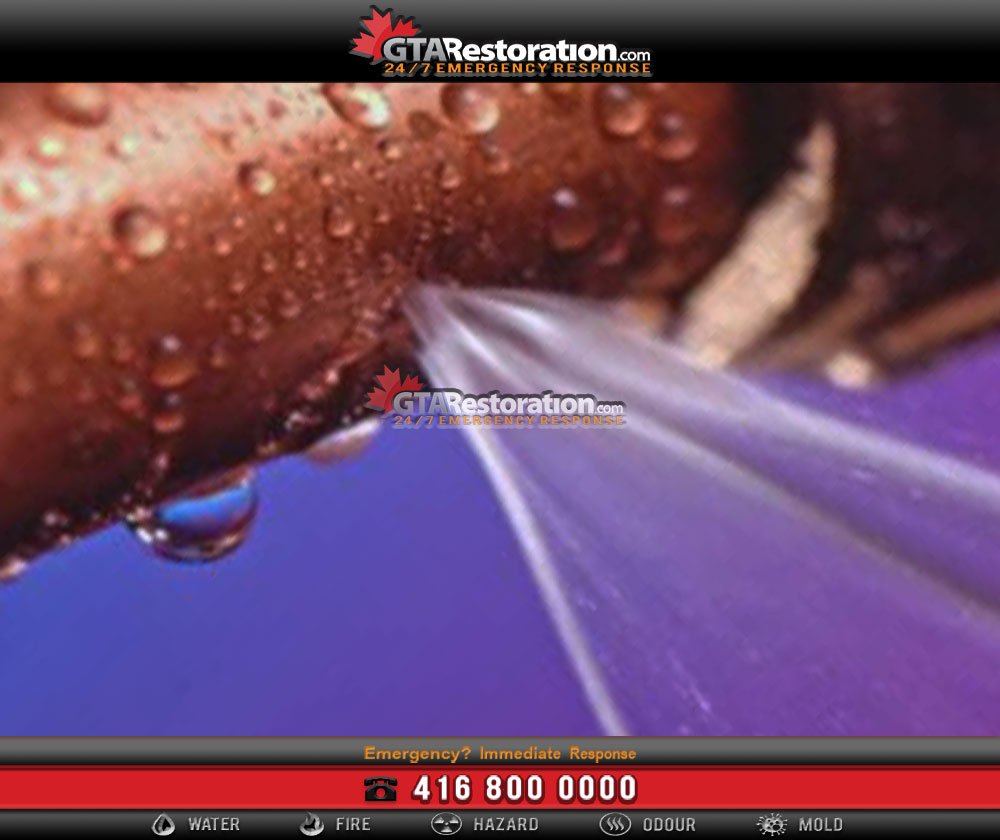
Repair plumbing leaks quickly. Even a small leak can wet drywall, cabinetry, flooring, or framing over time.
Address water damage promptly. Remove standing water and begin drying affected materials as soon as possible.
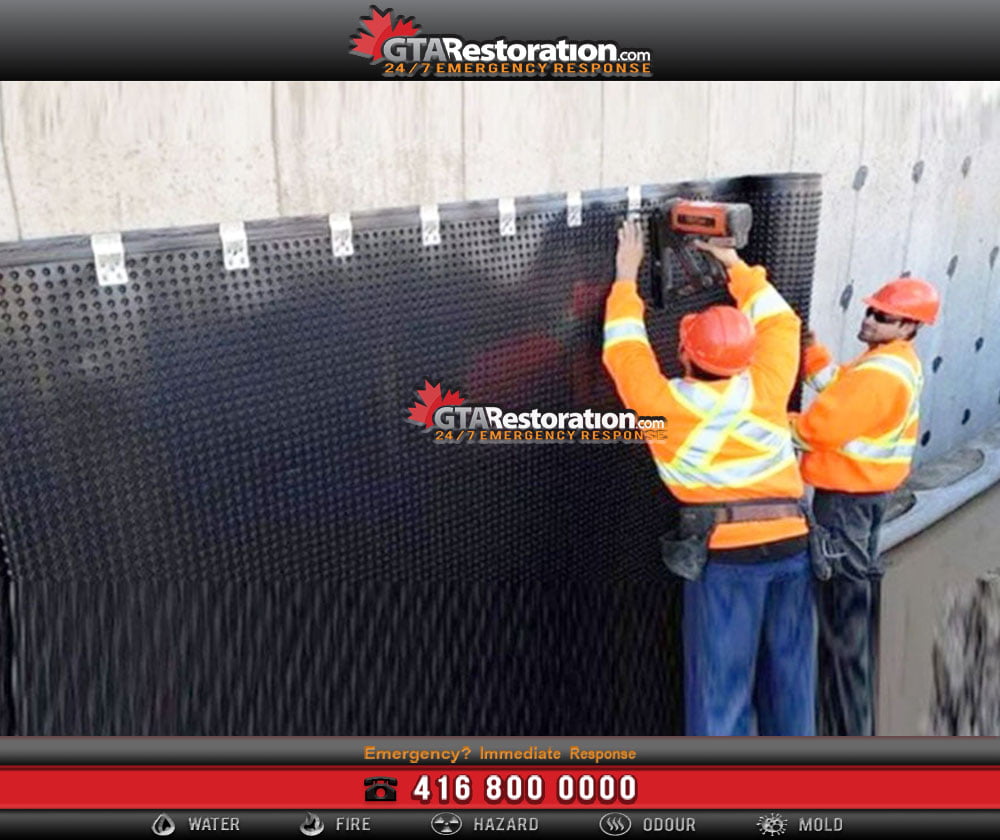
Check basements and foundations. Look for seepage, cracks, damp walls, and signs of previous flooding.
Inspect roofs and ceilings. Water stains may indicate roofing, flashing, or plumbing problems.
Keep ventilation systems working properly. Proper airflow can help control excess indoor moisture.
For professional water damage restoration, GTA Restoration can inspect affected areas, locate moisture, remove standing water, and begin structural drying.
What to Do If You Find Mold
If you discover mold, first identify and correct the source of moisture. Cleaning visible mold without fixing the water problem may allow the growth to return.
Health Canada states that homeowners can generally clean small or moderate mold areas themselves while using appropriate protective equipment. Extensive contamination, recurring mold, significant water damage, or mold caused by major flooding may require professional assistance.
For small areas, Health Canada recommends precautions such as disposable gloves, safety goggles, an N95 respirator, and cleaning washable surfaces with water and dish detergent. It does not generally recommend bleach for routine household mold cleanup. Porous materials that cannot be properly cleaned may need to be removed depending on the extent of contamination.
Do not disturb a large mold-contaminated area without appropriate containment and protection. Disturbing contaminated materials can release additional particles and spores into the surrounding air.
When to Call a Mold Remediation Professional
Professional help may be appropriate when mold covers a large area, repeatedly returns after cleaning, follows major flooding, affects hidden building materials, or involves extensive water damage.
A professional inspection can help determine the moisture source, identify affected materials, and establish an appropriate remediation plan. GTA Restoration provides mold removal and remediation services for residential and commercial properties throughout Toronto and the GTA.
Water Damage and Mold Growth Require Fast Action
Water damage should not be ignored simply because the surface appears dry. Moisture can remain trapped inside walls, flooring, ceilings, insulation, and structural materials. Professional moisture meters and thermal imaging may help locate hidden moisture that is difficult to detect visually.
Addressing the source, removing excess water, drying affected materials, and monitoring moisture levels can help prevent additional property damage and reduce the conditions that support mold growth.
Water Damage & Mold Growth Emergency?
GTA Restoration provides emergency water damage cleanup, structural drying, mold inspection, and remediation services throughout Toronto and the GTA.
If you have active flooding, a leaking pipe, or visible mold growth, act quickly to limit additional damage.
Insulate vulnerable plumbing near exterior walls, garages and other cold areas. In addition, seal cold drafts that can reach exposed pipes.
Disconnect Outdoor Hoses
Outdoor plumbing can freeze quickly. Therefore, disconnect hoses and drain exterior water lines when the plumbing system allows it.
Know Your Main Water Shutoff
Locate the main water valve before an emergency occurs. If a pipe bursts, shutting off the supply quickly may limit additional water damage.
Control Indoor Humidity
High indoor humidity can create condensation on cold surfaces. Therefore, monitor humidity and use ventilation or a dehumidifier when needed.
Use Exhaust Fans
Bathroom and kitchen fans help remove moisture created by showering and cooking. Also, allow them to run briefly after the activity ends.
Watch for Condensation
Repeated condensation can wet windows, drywall and trim. As a result, ongoing moisture should be investigated instead of simply wiped away each day.
Inspect Basements
Basements often stay cooler and may develop damp areas. Therefore, check walls, floors, windows and stored materials for signs of moisture.
Repair Leaks Quickly
Roof and plumbing leaks can remain hidden during winter. However, stains, damaged finishes or musty smells may provide early warning.
Dry Water-Damaged Materials
Removing standing water is only the first step. Moisture can remain inside flooring, drywall and insulation, so proper structural drying may also be required.
Watch for Mold Growth
Persistent dampness can support mold. Therefore, correcting the moisture source remains an important part of preventing repeated growth.
Winter Water Damage and Mold Prevention
GTA Restoration provides water damage restoration, moisture investigation and mold remediation throughout Toronto and the GTA. Early action can help stop a winter leak or moisture problem from affecting more of the property.
Winter Leak, Frozen Pipe or Mold Concern?
Get professional help locating the moisture source, drying affected materials and correcting mold problems before they spread.
GTA Restoration offers local flood & water damage repair, mold removal/remediation, asbestos removal/abatement, fire/smoke damage repair services and much more.














You must be logged in to post a comment.