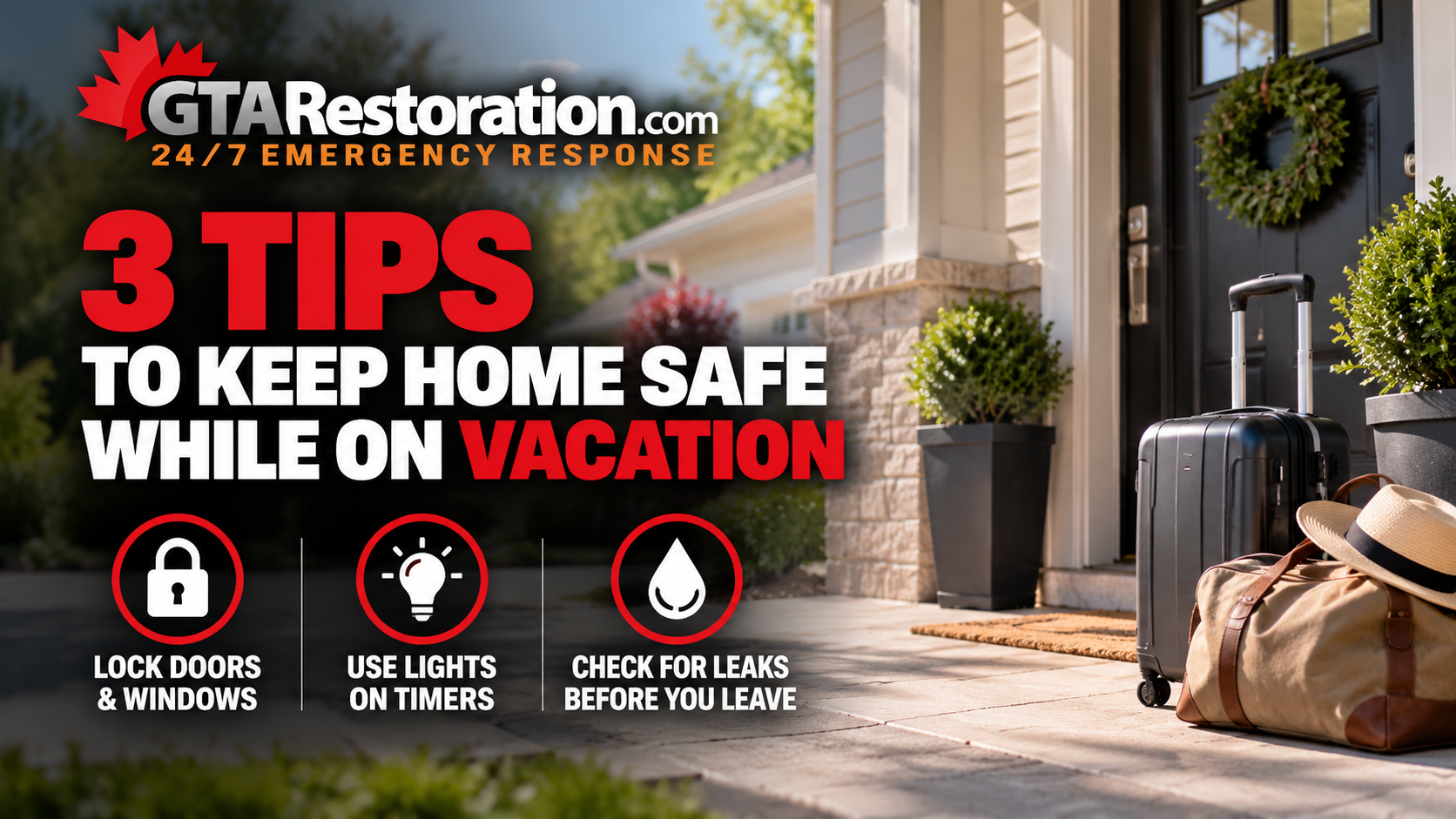
3 tips to keep home safe from water and fire damage while on vacation

Keep Home Safe While You Are Away

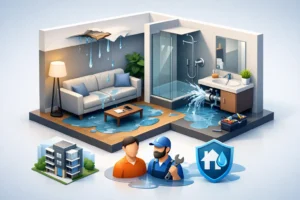
These 3 tips to keep home safe can help reduce the risk of water damage, fire and other property problems while you are away. Whether you leave for a weekend or a longer vacation, a few checks before departure can make your home easier to protect.

Water leaks can begin without warning, while blocked drainage or an electrical problem may cause damage when nobody is there to notice it. Therefore, focus on the systems most likely to create a serious problem while the property sits unattended.

Keep Your Home Safe From Water Damage

Start with the plumbing. Look under sinks, around toilets, near the water heater and behind appliances for leaks, staining or dampness. In addition, check any plumbing area that has caused trouble before.

If you plan to leave for an extended period, consider shutting off the home’s main water supply when doing so is suitable for your plumbing and other household systems.

The City of Toronto’s home water guidance recommends knowing the location of the main water shutoff. It also notes that homeowners going on vacation can turn off the main supply and drain water from the plumbing to help protect against leaks or frozen pipes.

Home Safety Tip: Know Your Main Water Shutoff

Do not wait for an emergency to locate the valve. In many Toronto homes, the main shutoff sits on the basement foundation wall near the point where the water service enters the building.

If a pipe breaks, closing this valve quickly can stop additional water from entering the plumbing system.

Protect Your Home From Appliance Leaks

Inspect washing-machine hoses, dishwasher connections, refrigerator water lines and other appliance plumbing. Replace damaged or leaking parts before leaving.

Meanwhile, keep essential equipment running when your property depends on it. For example, do not disconnect a sump pump that protects your basement from water.

Keep Home Safe With Water Leak Sensors

Water sensors can provide another layer of protection while nobody is home. Place them near water heaters, laundry equipment, sinks or other higher-risk areas.

Some smart systems can send alerts to your phone, while certain installations can also connect to an automatic water shutoff.

Keep Home Safe From Fire and Electrical Risks

Home Safety Tips Before Vacation

Walk through the home before you leave and turn off equipment that does not need to operate. Unplug non-essential small appliances and chargers when practical.

However, do not unplug important safety or building systems simply to reduce electricity use. Smoke alarms, carbon monoxide alarms, sump pumps, security systems and other necessary equipment should continue operating as required.

Keep Your Home Safe With Working Alarms

Test smoke and carbon monoxide alarms before a longer absence and replace batteries when required. Regular alarm checks remain an important part of basic home safety.

Also, make sure you have not left candles, cooking appliances, portable heaters or other unnecessary heat sources operating.

Vacation Home Safety: Check the Kitchen

Before walking out the door, check the stove, oven and countertop appliances. Make sure cooking equipment is fully off and remove obvious combustible materials from heat sources.

This simple final check takes only a minute but can help reduce unnecessary fire risk while the property sits empty.

Keep Your Home Safe From Rain and Flooding

Protect Your Home With Proper Drainage

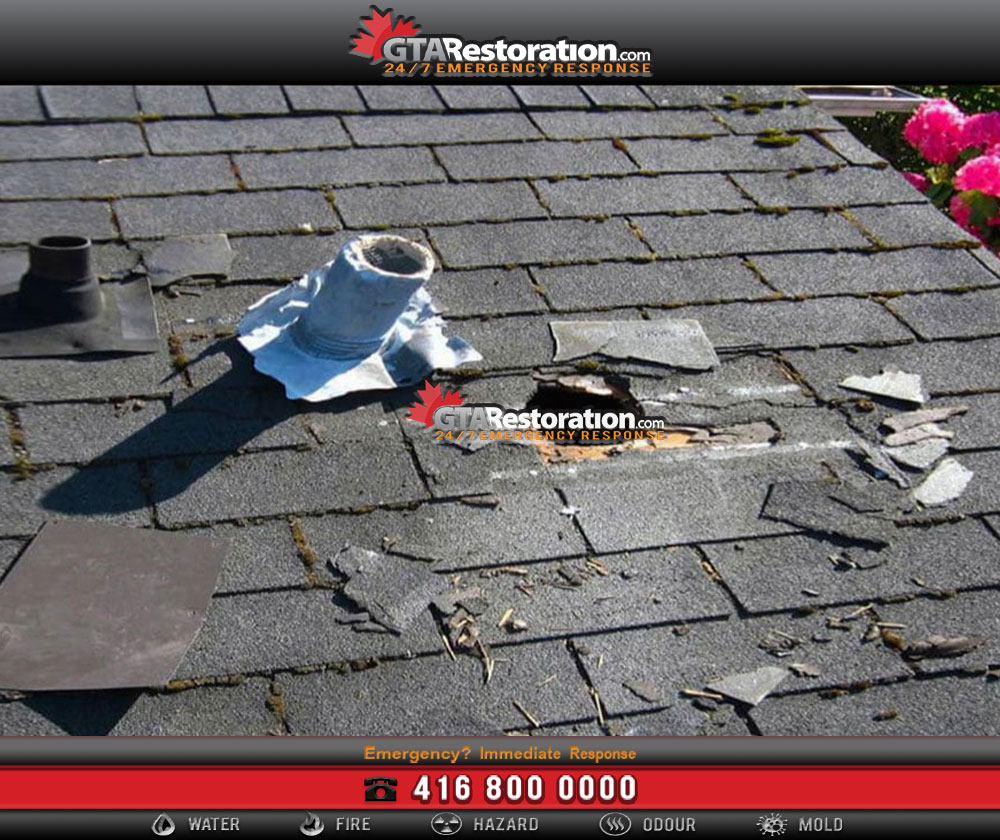
Before leaving, walk around the outside of your home. Look for blocked eavestroughs, damaged downspouts, loose roofing materials and areas where water collects beside the foundation.

The City of Toronto recommends keeping eavestroughs and downspouts clear so rainwater can drain properly. It also advises directing water away from the foundation.

Home Safety Tip: Clear Eavestroughs and Downspouts

Leaves, branches and other debris can block drainage. As a result, rainwater may overflow beside the house instead of moving away from the building.

Make sure downspouts discharge where water can move safely away from the foundation. If your home has window wells, inspect those areas for debris and drainage problems too.

Keep Home Safe by Checking Doors, Windows and Roof

Close and secure windows before leaving. Also, look for damaged weather seals or obvious areas where rain could enter.

If you already know about a roof leak, do not wait until after vacation to deal with it. A small active leak can spread into ceilings, insulation and walls during a storm.

Protect Home While Away With Regular Checks

For longer trips, ask a trusted person to check the home periodically. Regular visits can help identify a leak, heating problem, power outage or other issue before it causes extensive damage.

This step becomes especially useful during severe weather or winter cold.

Vacation Home Safety and Insurance Requirements

Insurance requirements for an unoccupied home can vary by policy and by how long you are away. Therefore, review your policy or speak with your insurer or broker before an extended trip.

Do not assume that every insurance company uses the same rules. Some policies may include requirements for heat, water shutoff or regular property checks.

What to Do if You Return to Water Damage

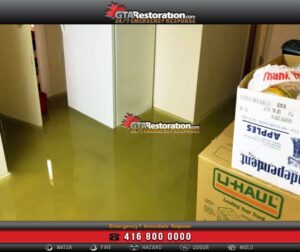
If you find water when you return home, first check for electrical hazards. Next, stop the water source when you can do so safely.

For larger losses, GTA Restoration provides water damage restoration, including water extraction, moisture assessment and structural drying.

If the source involves damaged plumbing, our emergency plumbing service can help with active leaks and burst pipes.

Keep Your Home Safe by Checking Hidden Moisture

Water may travel beneath floors, behind drywall and inside ceilings. Therefore, cleaning the visible puddle may not completely solve the problem.

Our water leak detection service can help identify hidden moisture when the full affected area is unclear.

3 Simple Tips to Keep Home Safe

Ultimately, the best 3 tips to keep home safe are straightforward: protect the plumbing, reduce unnecessary fire risks and check exterior drainage before you leave.

In addition, arrange a property check for longer trips and review your insurance requirements. These simple precautions can help keep home safe from preventable water and property damage while you are away.


Need Help Keeping Your Home Safe After Property Damage?

GTA Restoration provides 24/7 water extraction, emergency plumbing, moisture detection and property restoration throughout Toronto and the GTA.

Active leak or flooding? Stop the source when safe and get help before the damage spreads farther.

Call Us: 416-800-0000

Learn More

Emergency Plumbing: What to Do First | After Hours Property Emergency Planning | Water Damage Causing Mold Growth | Water Damage Restoration Tips: 5 Essential Steps | Best Water Leak Sensors
Share this... Spread the word!


Protect Your Home Before Vacation

A few checks before you leave can reduce the chance of returning to water, fire or flood damage. Therefore, inspect the systems that could cause the most damage while nobody is home.

Know Your Main Water Shutoff

Locate the main water valve before an emergency. For longer trips, consider turning off the water when doing so is suitable for your home’s systems.

Check for Plumbing Leaks

Look below sinks, around toilets, near appliances and beside the water heater. Repair small leaks before leaving instead of allowing them to become larger problems.

Protect Essential Equipment

Keep necessary systems such as sump pumps, alarms and security equipment operating as required. Do not unplug important protection systems simply to reduce electricity use.

Reduce Fire Risks

Turn off unnecessary appliances and check the stove, oven and portable heating equipment. In addition, test smoke and carbon monoxide alarms before a longer absence.

Clear Gutters and Downspouts

Blocked drainage can send rainwater toward the foundation. Therefore, remove leaves and debris and confirm that water can flow away from the home.

Inspect Doors and Windows

Close and secure windows and doors before leaving. Also, look for damaged seals or obvious areas where rainwater could enter.

Check the Roof

Do not ignore an active roof leak before vacation. Water may reach ceilings, walls and insulation during heavy rain.

Use Leak Sensors

Smart water sensors can alert you to leaks near plumbing and appliances. Some systems also support automatic water shutoff equipment.

Arrange a Home Check

For longer trips, ask someone you trust to visit the property periodically. Early detection can limit damage from leaks, heating failures and other problems.

Review Your Insurance Policy

Coverage requirements differ between policies. Therefore, check with your insurer or broker about extended absences, property checks and water-related requirements.

24/7 Property Damage Response

GTA Restoration provides water extraction, emergency plumbing, structural drying and restoration throughout Toronto and the GTA when unexpected property damage occurs.


Did You Return Home to Water Damage?

Call GTA Restoration for 24/7 water extraction, emergency plumbing and structural drying throughout Toronto and the GTA.

Call Us: 416-800-0000


GTA Service Centre


Keep Your Home Safe – Frequently Asked Questions

Should I turn off my water before vacation?

For an extended trip, the City of Toronto says homeowners can turn off the main water supply and drain the plumbing to help protect against leaks or frozen pipes.

What appliances should I unplug before leaving?

Unplug non-essential small appliances and chargers when practical, but keep necessary equipment such as alarms, sump pumps and security systems operating.

Should someone check my house while I am away?

For longer absences, regular property checks can help identify leaks, heating problems or other damage before the problem becomes larger.

Should I clean my gutters before vacation?

Yes, especially before periods of heavy rain. Clear eavestroughs and downspouts so water can drain away from the foundation.

What should I do if I return home to flooding?

Check for electrical hazards, stop the water source when safe and arrange water extraction and structural drying if water has entered building materials.


Direct Billing & Insurance Claims

Ask your insurer about coverage, deductibles and the records it needs.


Payment options

In-House Financing Available

Financing up to 24 months. No interest. No money down. Ask us about the terms.


Certifications & Insurance

View our firm certification, technician qualifications and insurance documents.

IICRC Certified Firm

GTA Restoration Inc.

Firm number 199912
Valid through

View IICRC certificate (PDF) — opens in a new tab

Business Insurance

GTA Restoration Group Inc.

$5 million general liability per occurrence
$8 million contractors pollution per claim
–

View insurance certificate (PDF) — opens in a new tab

IICRC Technician Qualifications

Tony Sokol T. Lleshi · Registration 214520
Valid through

Water Damage Restoration · Fire & Smoke Damage Restoration · Applied Microbial Remediation · Odor Control · Trauma & Crime Scene

View technician verification (PDF) — opens in a new tab

Insurance is subject to policy terms, conditions and exclusions.


Emergency? 24/7 Restoration Help

416-800-0000

416-800-0000

We cover all GTA 24/7.

Head Office:
250 Consumers Rd,
#10
Toronto, ON
M2J 4V6,
Open 24 hours

Downtown Office:
1 Toronto St,
#10
Toronto, ON
M5W 1A1,
Open 24 hours

For non-emergencies use our contact form

    Not sure what you need?

    Call us today to find the best product for your situation.

    416-800-0000 416-800-0000

    Head Office:
    101 Lebovic Ave,
    Unit #10
    Scarborough,
    ON, M1L 4T7
    Hours
    24-Hours Open

    Downtown Office:
    250 Yonge Street,
    Unit #1A
    Toronto,
    ON, M5B 2L7
    Hours
    24-Hours Open

    3 Tips to Keep Home Safe While on Vacation

    Get a quote today



      Emergency? Click to Call!