...

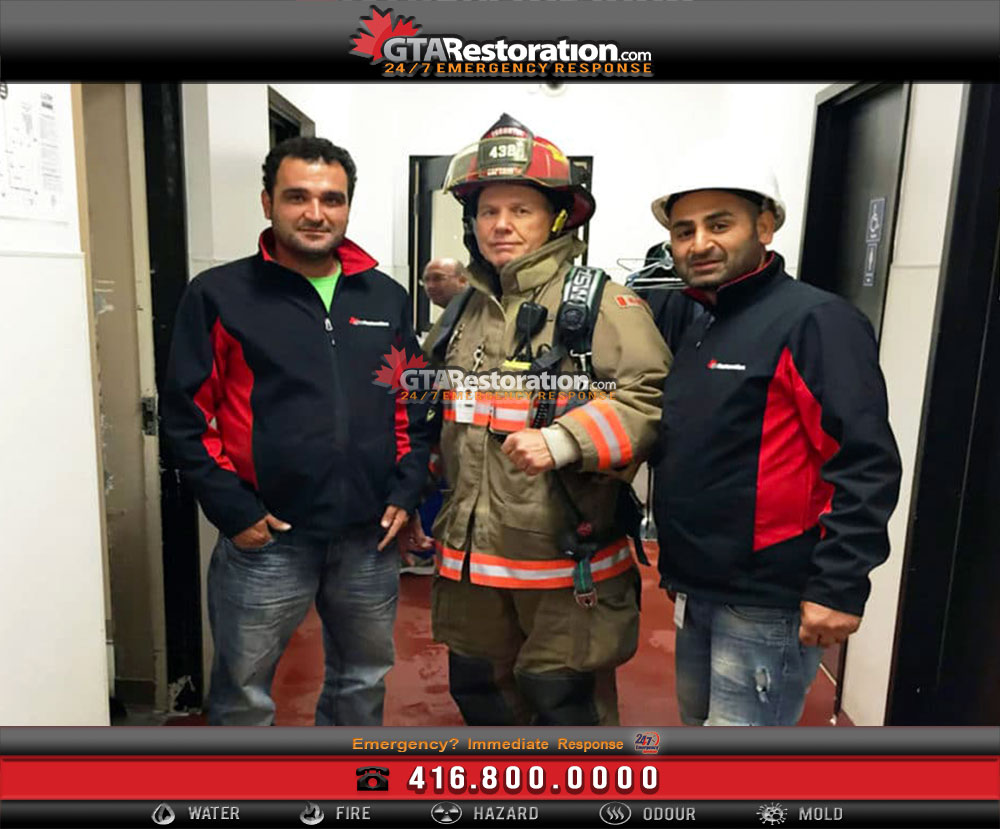
Professional smoke damage cleanup team restoring a fire-damaged home

Why Fire Damage Restoration Professionals Should Clean Smoke Damage

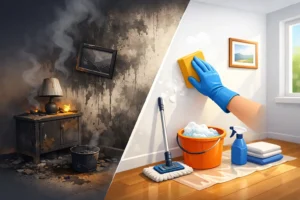
Professional smoke damage cleanup helps protect your home after a fire. Smoke and soot can spread through rooms, even far from the flames. They may stain walls, damage furniture, and leave strong smells.

At first, smoke stains may seem easy to clean. However, using the wrong products can spread soot or make stains worse. For this reason, trained fire restoration workers use methods that suit each surface.

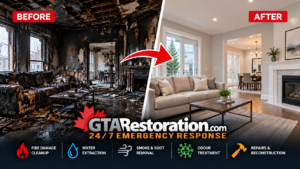
GTA Restoration provides fire and smoke damage cleanup in Toronto and the GTA. Our team checks the damage, plans the work, and helps restore affected areas. We also offer 24/7 emergency support when you need help.

Why Smoke and Soot Need Special Care

Smoke leaves more than a bad smell. Fine soot can settle on walls, floors, and personal items. As a result, some damage may remain hidden until cleanup begins.

Smoke residue can also harm certain surfaces over time. For example, it may stain paint, leave marks on metal, or settle into fabric. The type of fire affects the kind of soot left behind.

How Smoke Affects Your Property

  • Walls and ceilings: Soot may leave stains and strong smells.
  • Wood: Smoke can settle into cracks and open grain.
  • Glass: Residue may leave marks that need careful cleaning.
  • Metal: Some soot deposits can lead to rust or other damage.
  • Furniture: Fabric and padding may hold smoke smells.
  • Electronics: Fine soot may enter devices and affect their use.

Some items can be cleaned, while others may need repair or replacement. Therefore, a proper review helps the team choose the right method.

Why DIY Smoke Cleaning Can Cause More Damage

Scrubbing soot with a wet cloth can spread dark marks across a wall. Also, some cleaners may harm paint, wood, or other finishes.

Do not use a regular household vacuum to collect fire ash or soot. It may send fine dust back into the air. Instead, ask trained workers to assess the damage before cleaning begins.

Professional smoke damage cleanup helps reduce these risks. It also provides a clear plan for dealing with damaged rooms and items.

For more safety information, see the EPA’s guidance on smoke and ash. Although the guide focuses on wildfire smoke, it also explains why fine particles need careful handling.

Fire damage restoration professionals inspecting and cleaning smoke damage in Toronto

How Professional Smoke Damage Cleanup Works

Step 1: Check the Damage

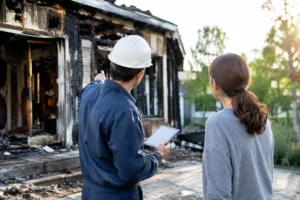
First, the team checks the affected rooms. Workers look for soot, stains, smoke smells, and water damage from firefighting.

Next, they review walls, floors, furniture, and other items. This helps them decide what can be cleaned and what may need to be replaced.

Step 2: Remove Loose Soot

Trained workers may use HEPA vacuums and other tools to collect loose soot. These methods help limit the spread of dust.

However, not all surfaces need the same cleaning steps. Wood, painted walls, and fabric may each need a different approach.

Step 3: Clean Affected Surfaces and Contents

Smoke damage restoration may include cleaning walls, floors, furniture, and personal items. Workers choose suitable products to help lift stains and soot.

Some items may need off-site cleaning. For this reason, the team may pack and move damaged belongings to a suitable work area.

Step 4: Remove Smoke Odours

Smoke smells may stay long after the fire is out. They can settle into fabric, wood, and other materials.

Good odour control starts with removing soot and damaged items. After that, trained workers may use air cleaning or other methods suited to the space.

Paint and air fresheners may hide a smell for a short time. However, they do not remove the source. That is why proper cleaning comes first.

Step 5: Review the Cleaned Areas

Once the work is done, the team checks for remaining stains, dust, and smells. Some areas may still need repairs or new finishes.

For example, badly damaged drywall or insulation may need to be replaced. The team can explain the next steps before repairs begin.

Why Hire Trained Fire Restoration Workers?

Smoke can travel through vents and reach hidden areas. Also, water used to put out the fire may leave walls or floors wet. A trained team checks these problems as part of the work plan.

GTA Restoration is an IICRC Certified Firm. Our team uses suitable methods for fire and smoke cleanup. We also help property owners understand the work and keep records of the damage.

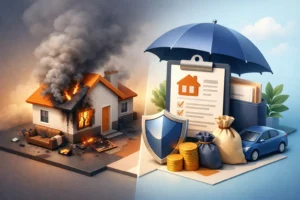
These records may help when you speak with your insurance company. However, your policy will decide which costs are covered.

Act Early to Limit Further Damage

Soot and smoke residue can harm some surfaces over time. Therefore, an early assessment may help limit added damage and repair costs.

Safety must always come first. Do not enter a fire-damaged property until the fire department or other proper authority says it is safe.

For professional smoke damage cleanup in Toronto and the GTA, contact GTA Restoration. Our team can help you plan safe cleaning, soot removal, and fire restoration work.


Need Professional Fire and Smoke Damage Cleanup?

GTA Restoration provides soot removal, smoke cleaning, odour control, and fire restoration services in Toronto and the GTA.

Stay away from unsafe fire debris and soot until the property has been assessed.

Call Us: 416-800-0000

Learn More

Fire Damage Restoration Toronto | Smoke and Odour Removal | Can Smoke Damage Affect Health in Your Home? | How to Clean Smoke Damaged Walls After a Fire

Share this... Spread the word!


Understanding Smoke and Soot Damage

Not all smoke is the same. Different fires leave different types of soot and stains. As a result, each cleanup job needs the right method.

Some soot is dry and light, while other types are thick and sticky. Also, smoke from burnt food or oil may leave strong smells. For this reason, professional smoke damage cleanup starts with a review of the damage.

Common Types of Smoke Residue

  • Dry smoke: Hot, fast fires may leave fine soot that spreads easily.
  • Wet smoke: Slow fires may leave thick soot that smears during cleaning.
  • Protein residue: Burnt food may leave a thin film and strong smells.
  • Oil smoke: Burning oil or fuel may leave dark stains that need special care.

Because soot can vary, one cleaning product will not work for every fire. Instead, trained workers choose methods that suit each surface.

Smoke Damage Restoration for Different Materials

Smoke can settle on many surfaces. However, each material reacts in a different way.

  • Wood: May hold soot in its grain and cracks.
  • Glass: Can develop marks that need gentle cleaning.
  • Plastic: May stain, melt, or lose its finish.
  • Fabric: Can absorb smoke smells and collect soot.
  • Metal: May show rust or other damage over time.

Some items can be saved with proper care. Others may be too damaged to restore. Therefore, the team checks each item before planning the work.

Steps in Professional Smoke Damage Cleanup

Smoke damage restoration follows a clear work plan. First, the team checks the damage. Next, workers select tools and cleaners that suit the affected area.

  • Soot removal: Collect loose dust with suitable tools.
  • Surface cleaning: Use methods suited to each material.
  • Contents care: Check furniture, clothing, and personal items.
  • Air system checks: Review vents and filters when needed.
  • Odour control: Remove the source of smoke smells.
  • Final repairs: Repair or replace damaged finishes.

Some fires also leave water damage. In that case, drying may be needed before repairs begin.

Hidden Risks After a Fire

Fire ash and soot may contain harmful substances. These can affect your eyes, skin, and lungs. As a result, cleaning without proper care may create added risks.

Do not sweep fire ash or use a regular vacuum. Instead, keep people away from the area and ask trained workers for advice.

Children, older adults, and people with breathing problems may need extra care around smoke and ash.

Why Professional Smoke Cleaning Requires Training

Fire cleanup takes skill and care. Workers need to know how soot spreads and which materials can be cleaned.

GTA Restoration is an IICRC Certified Firm. Our team uses suitable methods for fire and smoke restoration. We also explain the work and help owners understand the next steps.

Good cleaning may help save belongings and reduce the need for extra repairs. However, the final result depends on the type and amount of damage.


Need Help With Smoke, Soot, or Fire Damage?

Contact GTA Restoration for professional fire and smoke damage cleanup in Toronto and the GTA.

Call Us: 416-800-0000


GTA Service Centre


Smoke Damage Cleanup FAQs

When can I return after a fire?

Wait until the fire service or responsible authority permits entry. Ask which rooms and utilities are safe to use.

Should I scrub soot off the walls?

Have the residue and surface assessed first. An unsuitable method can spread soot or damage the finish.

What can smoke cleanup include?

The scope may cover residue removal, contents cleaning, odour treatment and repairs, depending on the affected materials.

Which records should I keep?

Save photographs taken from a safe location, estimates, invoices and updates about emergency work.

How do I prepare to use the rooms again?

Confirm that the agreed cleaning is complete and ask the relevant professionals about any outstanding safety checks or repairs.


Learn more ↴


Direct Billing & Insurance Claims

Ask your insurer about coverage, deductibles and the records it needs.


Payment options

In-House Financing Available

Financing up to 24 months. No interest. No money down. Ask us about the terms.


Certifications & Insurance

View our firm certification, technician qualifications and insurance documents.

IICRC Certified Firm

GTA Restoration Inc.

Firm number 199912
Valid through
View IICRC certificate (PDF) — opens in a new tab

Business Insurance

GTA Restoration Group Inc.

$5 million general liability per occurrence
$8 million contractors pollution per claim
–

View insurance certificate (PDF) — opens in a new tab

IICRC Technician Qualifications

Richard Mark Provence · Registration 55726
Certificate expires

Water Damage Restoration · Fire & Smoke Restoration · Applied Microbial Remediation · Odor Control · Trauma & Crime Scene

View technician verification (PDF) — opens in a new tab

Insurance is subject to policy terms, conditions and exclusions.


Emergency? Click to Call!