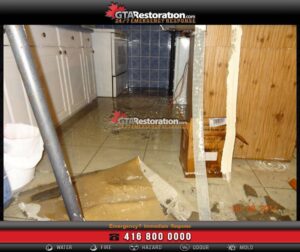
A wet basement rarely starts as a small problem. One heavy storm, one failed sump pump, or one blocked drain can turn stored belongings, finished walls, electrical systems, and indoor air quality into an expensive emergency within hours. If you are searching for how to stop basement flooding, the right answer is part immediate response, part prevention – and both matter.
The first priority is always safety. If water is rising near outlets, appliances, or your electrical panel, stay out of the area until power has been safely assessed or shut off by a qualified professional. If the water may involve sewage, treat it as contaminated. That means no DIY cleanup with household towels and a shop vacuum. Floodwater can carry bacteria, viruses, and debris that create real health risks.
How to stop basement flooding in the moment
When active flooding is happening, speed limits damage. Start by identifying where the water is coming from, because the response changes depending on the source. A burst pipe, sewer backup, foundation seepage, stormwater intrusion, and appliance leak do not get handled the same way.
If the issue is a plumbing supply line, shut off the water immediately. If the source is localized and accessible, use the nearest fixture shutoff. If not, close the main water valve for the property. If the problem is storm-related groundwater entering through walls or the floor, focus on moving water out safely and preventing further entry where possible. If a sewer line is backing up, stop using sinks, toilets, showers, and laundry equipment right away to avoid adding more wastewater to the system.
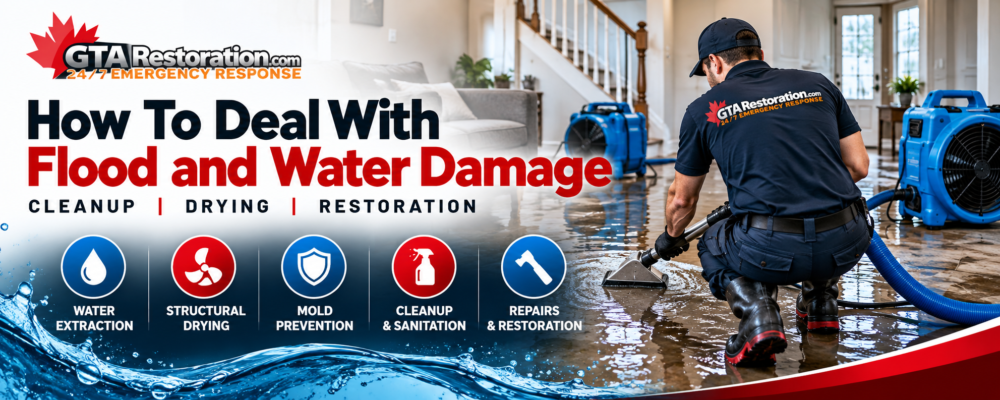
At this stage, many property owners lose time trying to control a major flood with basic household tools. That works for a minor spill, not for standing water spreading across a basement. Professional extraction, moisture mapping, structural drying, and dehumidification are what prevent secondary damage such as warped flooring, insulation saturation, mold growth, and hidden moisture inside wall cavities.
The most common causes of basement flooding
Stopping repeat flooding means addressing the actual failure point, not just cleaning up after it. In Toronto and similar climates, basement flooding often comes from a handful of recurring issues.
Poor exterior drainage is one of the biggest causes. When grading slopes toward the house, water collects around the foundation instead of draining away. Add clogged gutters or short downspouts, and roof runoff ends up saturating the soil right beside basement walls.
Foundation cracks are another common entry point. Some are visible, but many are not obvious until water begins seeping in during thaw cycles or heavy rain. The crack itself may be small, yet hydrostatic pressure can force water through surprisingly narrow openings.
Sump pump failure is also a major trigger. Pumps fail because of power outages, float switch issues, aging equipment, frozen discharge lines, or lack of maintenance. In many flood events, the pump was installed but not truly ready for peak demand.
Then there is sewer backup. Older infrastructure, clogged lateral lines, and storm surges can all force wastewater back through basement drains. This is not just water damage – it is a sanitation issue that requires controlled cleanup and disinfection.
Exterior fixes that do the heavy lifting
If you want a long-term answer to how to stop basement flooding, start outside. Water should be directed away from the structure before it ever has a chance to build pressure around the foundation.
Regrading can make a major difference. The ground around the home should slope away from the foundation so rainwater drains outward instead of pooling. This is often one of the most overlooked problems because the slope may have changed gradually over time.
Gutter and downspout corrections are equally important. Gutters should be clear and functional, and downspouts should discharge far enough away from the home that water does not cycle back to the footing area. Splash blocks help, but extensions or buried discharge lines may be needed when the lot layout is tight.
In some cases, exterior waterproofing is the right solution. That usually involves excavation, membrane installation, drainage board, and weeping tile improvements. It is more invasive than interior work, but when the foundation walls themselves are the primary problem, exterior waterproofing is often the more complete fix.
The trade-off is cost and access. Exterior waterproofing can be the best long-term option, but not every property allows for simple excavation. Tight lot lines, landscaping, decks, and neighboring structures can complicate the work.
Interior systems that reduce flood risk
Interior protection matters because not every source of water can be eliminated from the outside. In many homes and commercial properties, interior drainage and pump systems are what keep groundwater from becoming a flood.
A sump pump system should be treated like critical emergency equipment, not a set-it-and-forget-it appliance. The pump needs proper sizing, a reliable discharge path, and regular testing. A battery backup is strongly recommended because some of the worst flooding happens during storms that also knock out power. If the primary pump fails during a severe weather event, the backup can be the difference between a close call and a major loss.
Backwater valves are another important defense, especially in areas vulnerable to sewer surcharge. These valves help prevent wastewater from flowing backward into the building during municipal system overloads. They are not universal solutions for every drainage issue, but where sewer backup risk is present, they are often worth serious consideration.
Interior drain tile systems can also relieve hydrostatic pressure below the basement slab and channel water to a sump pit before it reaches the living area. These systems are especially useful where seepage occurs at the wall-floor joint.
Maintenance mistakes that lead to flooding
Many flood events are not caused by a single dramatic failure. They come from smaller warning signs that were ignored.
A sump pump that has not been tested in months may fail when you need it most. Gutters packed with leaves can overflow directly beside the home. A slow basement drain can point to a developing blockage. Hairline cracks, musty odors, peeling paint, or recurring damp spots may all signal water entry before standing water appears.
Finished basements also hide problems. Water can sit behind drywall, under vinyl flooring, or inside insulation with very little visible evidence at first. By the time the damage is obvious, drying becomes more complex and mold risk increases.
For landlords, condo boards, and commercial operators, delayed maintenance also creates operational exposure. One ignored drainage issue can affect tenants, common areas, inventory, equipment, and insurance claims all at once.
When waterproofing is enough – and when it is not
Not every basement needs full-scale waterproofing, and not every wet basement can be solved with a crack injection alone. The right fix depends on the pattern of water entry.
If the issue is isolated to a known wall crack, targeted repair may be appropriate. If flooding happens during every major storm, especially in multiple areas, the property likely needs a broader drainage strategy. If water is coming up through floor drains or plumbing fixtures, the real issue may be in the sanitary or storm system rather than the foundation.
This is where proper inspection matters. Guesswork leads to repeat losses. A fast cleanup without source correction only resets the clock for the next rainfall or plumbing event.
What to do after a basement flood
Once the water is out, the building still needs to be stabilized. Porous materials may need removal. Structural components need moisture testing. Air movers and dehumidifiers should be set based on the actual moisture load, not guesswork. If sewage was involved, cleaning must include sanitation protocols and contaminated material handling.
Documentation also matters. Photos, moisture readings, damaged item records, and scope notes can support an insurance claim and speed up the process. For many property owners, that administrative piece adds stress at exactly the wrong time. Working with a response team that understands both restoration and claim documentation can reduce delays.
A company like GTA Restoration is built for that kind of response – emergency extraction, drying, cleanup, plumbing coordination, and recovery planning under one roof. That matters when every hour of delay increases damage.
How to stop basement flooding before the next storm
The best time to fix a flooding issue is before the next weather event tests the property again. That means inspecting the basement after heavy rain, testing sump equipment, clearing gutters, extending downspouts, checking grading, and addressing small signs of moisture before they become active flooding.
For older homes, multi-unit buildings, and properties with a flood history, prevention should be more aggressive. Backup power for pumps, drain inspections, backwater valve assessment, and waterproofing upgrades are often more cost-effective than repeated cleanup and reconstruction.
Basement flooding is rarely random. It usually follows a pattern, and patterns can be diagnosed. If your basement has flooded before, that is your warning. The next step is not hoping it stays dry – it is putting real protection in place before water finds the same path again.