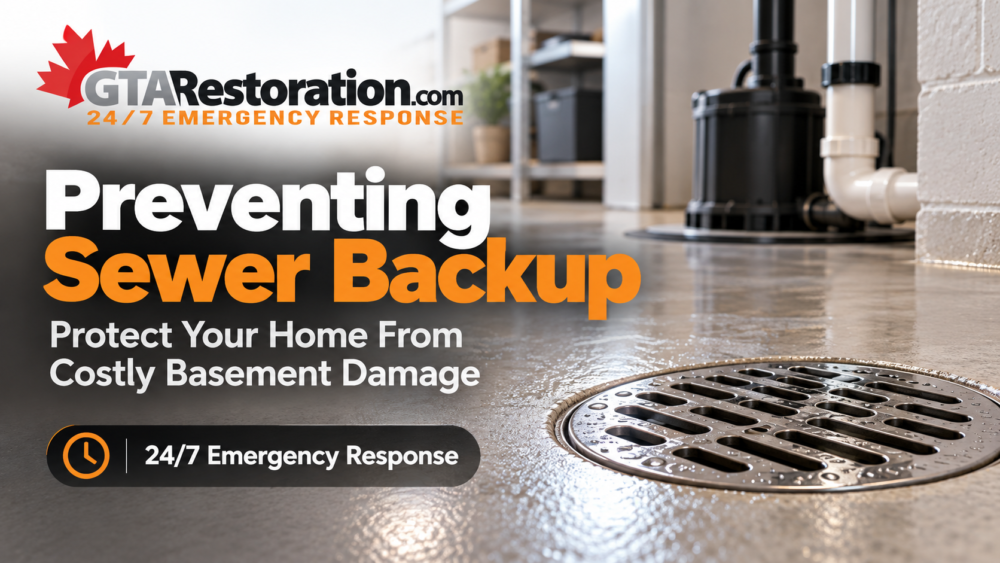
Preventing Sewer Backup at Home
Preventing sewer backup can help protect your basement from contaminated water, property damage and an expensive cleanup. A backup can happen when a sewer line becomes blocked, damaged or overloaded during heavy rain. Therefore, regular plumbing maintenance and proper drainage around the property are important.
Homeowners can reduce risk by keeping problem items out of drains, maintaining sewer lines, checking flood-protection devices and watching for early warning signs. In addition, knowing what to do during a backup can help limit the amount of damage.
Keep Fats, Oils and Grease Out of Drains
Cooking grease can cool and harden inside plumbing. Over time, this buildup may narrow the pipe and contribute to serious blockages.
Instead of pouring grease down a sink or toilet, allow it to cool and dispose of it properly. Also, wipe greasy pans before washing them.
Do Not Flush Wipes or Personal Care Products
Toilets should handle human waste and toilet paper. Items such as wipes, dental floss, cotton swabs, tampons and other personal care products can remain inside sewer lines and contribute to clogs.
Even products labelled “flushable” can create plumbing problems. Therefore, place these items in the garbage instead.
Watch for Sewer Backup Warning Signs
Slow drains can sometimes signal a developing blockage. Other warning signs may include:
- Several drains running slowly at the same time
- Gurgling toilets or drains
- Water rising in a basement floor drain
- Sewage odours
- Water backing up when another fixture drains
- Repeated main drain clogs
If several fixtures develop problems together, the issue may involve the main sewer line rather than one individual drain.
Have Recurring Sewer Problems Inspected
Repeated blockages may point to grease buildup, damaged pipe sections, roots or another problem inside the sewer service line. A licensed plumber can inspect the plumbing and determine whether cleaning or repairs are needed.
GTA Restoration provides emergency plumbing services for blocked drains, sewer problems and other urgent plumbing issues.
Sewer Backup Prevention During Heavy Rain
Install and Maintain a Backwater Valve
A backwater valve can help reduce the chance of wastewater flowing backward through a sewer connection and into a basement. During periods of heavy rain, the valve closes when sewer flow begins moving in the wrong direction.
The City of Toronto basement flooding guide recommends having a licensed plumber assess whether a backwater valve is suitable for the property.
Once installed, the valve needs regular inspection and cleaning. When the valve closes, avoid using toilets, sinks, washing machines and other plumbing fixtures until it reopens because wastewater cannot leave the home normally.
Maintain Your Sump Pump
A sump pump helps move groundwater collected around the foundation away from the basement. Therefore, test the pump regularly and keep the sump pit clear.
Severe storms can also cause power failures. As a result, homeowners may want to consider a suitable battery backup or another approved backup power option.
Direct Rainwater Away From the Foundation
Rainwater that collects beside a house can increase pressure around the foundation and contribute to basement flooding. Keep eavestroughs clear and direct downspouts away from the building.
In addition, make sure landscaping and grading do not direct surface water toward basement walls.
Keep Outdoor Drainage Routes Clear
Leaves and debris can block catch basins, drainage swales and other routes that move rainwater away from the property. Before heavy rain, safely clear accessible drainage areas around the home.
Good surface drainage reduces the amount of water that must move through foundation and sewer systems during a storm.
Maintain Sewer Backup Protection Devices
Installing flood-protection equipment is only part of preventing sewer backup. Backwater valves and sump pumps also need ongoing maintenance.
The City recommends regular backwater-valve cleaning and inspection. A licensed plumber can also check the sewer line, sump pump and other plumbing components when problems keep returning.
What to Do If a Sewer Backup Happens
Stop Using Plumbing Fixtures
If sewage begins entering through a floor drain, toilet or other fixture, stop using sinks, toilets, washing machines and dishwashers. Additional wastewater sent into the drainage system may make the backup worse.
Avoid Contact With Sewage Water
Sewer water may contain bacteria, waste and other contaminants. Therefore, keep children and pets away from the affected area and avoid unnecessary contact.
Do not walk through sewage water without appropriate protection. Also, avoid moving contaminated materials through clean areas of the property.
Watch for Electrical Hazards
If sewage or floodwater has reached electrical outlets, appliances or an electrical panel, stay out of the affected area. Do not attempt to turn off electrical equipment while standing in water.
Arrange Sewer Backup Cleanup
Once the source is controlled and the area is safe, cleanup can begin. The process may include sewage extraction, removal of contaminated porous materials, cleaning, drying and disinfecting affected surfaces.
GTA Restoration provides sewer backup cleanup throughout Toronto and the GTA.
Dry the Property After Sewage Cleanup
After contaminated water is removed, affected building materials still need proper drying. Moisture can remain behind drywall, beneath flooring and inside wall cavities.
For larger losses, our water damage restoration service can assist with moisture detection and structural drying.
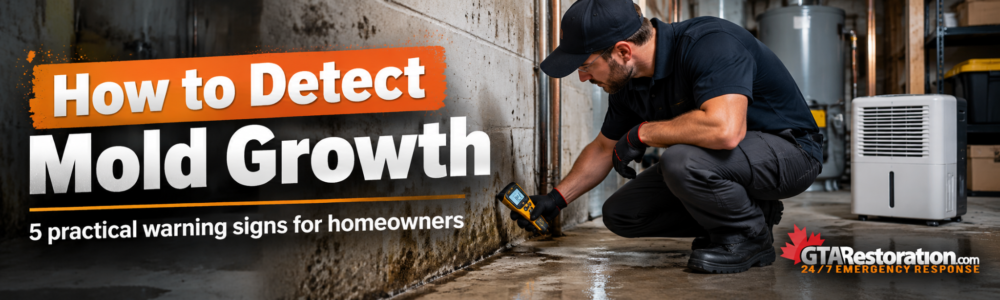
Check for Mold After a Sewer Backup
Long-lasting moisture can create conditions that support mold growth. Therefore, drying affected areas is an important part of restoring the property.
If visible growth or musty odours appear, GTA Restoration also provides mold removal and remediation.
Reduce the Risk of Another Sewer Backup
After cleanup, identify why the backup happened. For example, a plumber may find a blocked sewer line, roots, damaged piping or a failed flood-protection device.
Ultimately, preventing sewer backup requires good plumbing habits, regular maintenance and working flood-protection systems. Keep grease and inappropriate items out of drains, inspect recurring sewer problems and maintain backwater valves and sump pumps.
These simple steps make preventing sewer backup easier and can reduce the risk of serious basement damage during heavy rain or sewer problems.
Sewer Backup in Your Basement?
GTA Restoration provides emergency sewer backup cleanup, plumbing support, water extraction and structural drying throughout Toronto and the GTA.
Stop using plumbing fixtures, avoid contact with sewage water and get professional help before contamination spreads.
Call Us: 416-800-0000
Learn More
Best Ways to Prevent Sewer Backup | How to Clean Sewer Backup Safely | Toronto Sewer Backup Cleanup | Sewer Backup Cleanup vs Plumbing | Montreal Sewer Backup Cleanup |













You must be logged in to post a comment.