
For non-emergencies use our contact form
A floor that looks only slightly damp can already be failing underneath. If you are trying to decide whether to repair or replace wet flooring, the real issue is not just the surface you can see. It is how far the water traveled, how long it sat, what type of flooring was affected, and whether the subfloor, trim, or walls are now holding moisture.
This decision needs to be made quickly. Water damage spreads fast, and flooring materials do not all respond the same way. Some can be dried and stabilized. Others swell, delaminate, trap contamination, or become a mold risk within a short window.
When to repair or replace wet flooring
The first question is simple – was the water clean, and was the response immediate? A small appliance leak caught early is very different from a sewer backup, storm flooding, or a pipe break that went unnoticed overnight. The source matters because contaminated water changes the equation. Even flooring that looks salvageable may need removal if it absorbed unsanitary water.
Timing matters just as much. The longer water sits, the more likely it is to soak into seams, adhesives, underlayment, baseboards, and the subfloor. Fast extraction and professional drying can often save more material. Delayed action usually means a larger tear-out, higher restoration costs, and longer disruption.
In practical terms, repair is more likely when the water exposure was brief, the material is non-porous or dimensionally stable, and moisture has not spread below the finished floor. Replacement is more likely when boards have cupped or buckled, layers have separated, contamination is present, or hidden moisture remains trapped beneath the surface.
Flooring type changes the answer
Hardwood flooring
Hardwood can sometimes be saved, but it depends on severity. Minor surface wetting caught quickly may respond well to controlled drying and moisture monitoring. Solid hardwood has a better chance than many people think, especially if the boards have not permanently warped and the subfloor is still structurally sound.
That said, hardwood is sensitive. Prolonged moisture causes cupping, crowning, staining, and expansion pressure that can lift boards off the subfloor. Engineered wood is even more unpredictable because the layered construction can delaminate. Once the bond between layers fails, repair becomes less reliable.
If only a small area is affected, selective board replacement may be possible. If moisture is widespread or the floor has changed shape across a large section, full replacement is often the smarter long-term choice.
Laminate flooring
Laminate usually does not recover well after water intrusion. The wear layer may look intact, but the core often swells once moisture gets into the seams. That swelling is usually permanent. Edges lift, joints separate, and the floor loses its flat profile.
In most cases, wet laminate is replaced, not repaired. If the exposure was extremely limited and addressed right away, a small section might be removed and patched. But once the material has expanded, drying alone will not restore it.
Vinyl plank and sheet vinyl
Vinyl handles water better than wood-based products, but that does not automatically mean the floor is safe. Surface vinyl may survive while water sits underneath, soaking the underlayment or subfloor. Adhesive failure is also common, especially with glued installations.
Luxury vinyl plank and sheet vinyl can sometimes be lifted, the structure dried, and the material reinstalled if the damage is caught early and the product remains stable. If the planks have shifted, curled, or trapped contaminated water, replacement is usually the better route.
Tile flooring
Tile is often the most durable finished surface in a water event, but the system below it still matters. Water can move through grout lines, perimeter gaps, and cracked sections into the mortar bed or subfloor. You may have intact tile with a wet substrate underneath.
Repair may involve drying the assembly and replacing isolated cracked or loose tiles. Replacement becomes necessary if the underlayment is compromised, the tile has debonded over a larger area, or moisture has migrated into surrounding building materials.
Carpet
Carpet is highly dependent on water category and response time. Clean water from a fresh supply line leak may allow for restoration if extraction begins immediately and both carpet and pad can be thoroughly dried or the pad replaced. Even then, success depends on how long the water sat.
With gray water, sewage, or floodwater, replacement is frequently required. Carpet and pad absorb contaminants quickly, and the health risk can outweigh the cost of trying to save the material.
Signs your wet flooring should be replaced
Some warning signs are hard to miss. Buckling, heaving, soft spots, visible mold, black staining, and a persistent odor usually point toward removal. But hidden damage is just as serious. If moisture readings remain elevated after drying efforts, the flooring may still be trapping water below.
Another red flag is material separation. This shows up as laminate edge swelling, engineered wood delamination, loose vinyl, or tile that sounds hollow. These failures are not cosmetic. They indicate the flooring system has lost stability.
Health and safety issues also push the decision toward replacement. If the water came from a sewer backup, drain overflow, toilet overflow with waste, or outdoor flooding, porous materials should be treated with caution. Cleaning the surface is not the same as restoring sanitary conditions.
When repair makes sense
Repair is a valid option when the damage is limited, the water source was clean, and drying started fast. That may include refinishing a small hardwood section, replacing a few vinyl planks, resetting isolated tiles, or removing and rebuilding only the affected portion of the floor system.
The key is verification. Moisture should be measured in the flooring, subfloor, and adjacent materials before any decision is final. A floor can look dry while still holding moisture under the finish. Professional drying equipment and non-invasive moisture detection make a big difference here.
For condo units and commercial spaces, selective repair can also reduce downtime if the affected area is contained early. But containment only works when hidden migration has been ruled out. If water moved under walls or into neighboring units, a small repair may turn into a much larger project.
Why the subfloor often decides everything
Homeowners usually focus on the finished surface, but the subfloor is often where the real damage sits. Plywood, OSB, and concrete all react differently to water. Wood-based subfloors can swell, weaken, and transfer moisture back into new flooring if they are not properly dried or replaced. Concrete can hold moisture for longer than expected and affect adhesives or floor finishes later.
This is why fast cosmetic replacement is risky. Installing new flooring over a damp base can lead to recurring odor, mold growth, adhesive failure, and repeat damage claims. The visible floor may be only one layer of the problem.
The cost question – save now or pay twice later
Everyone wants to control damage costs, especially in a multi-unit building, rental property, or business setting. But the cheapest short-term decision is not always the lowest total cost. Trying to keep compromised flooring can lead to secondary demolition, mold remediation, tenant disruption, and additional insurance complications later.
On the other hand, full replacement is not always necessary just because water touched the floor. A proper assessment can prevent unnecessary tear-out and preserve materials that are still structurally sound. The right answer is based on condition, contamination level, and moisture data, not guesswork.
What to do immediately after flooring gets wet
Start by stopping the source if it is safe to do so. Then move quickly to remove standing water and limit spread to nearby rooms, trim, and contents. Avoid assuming the floor is fine because it still feels firm or looks normal.
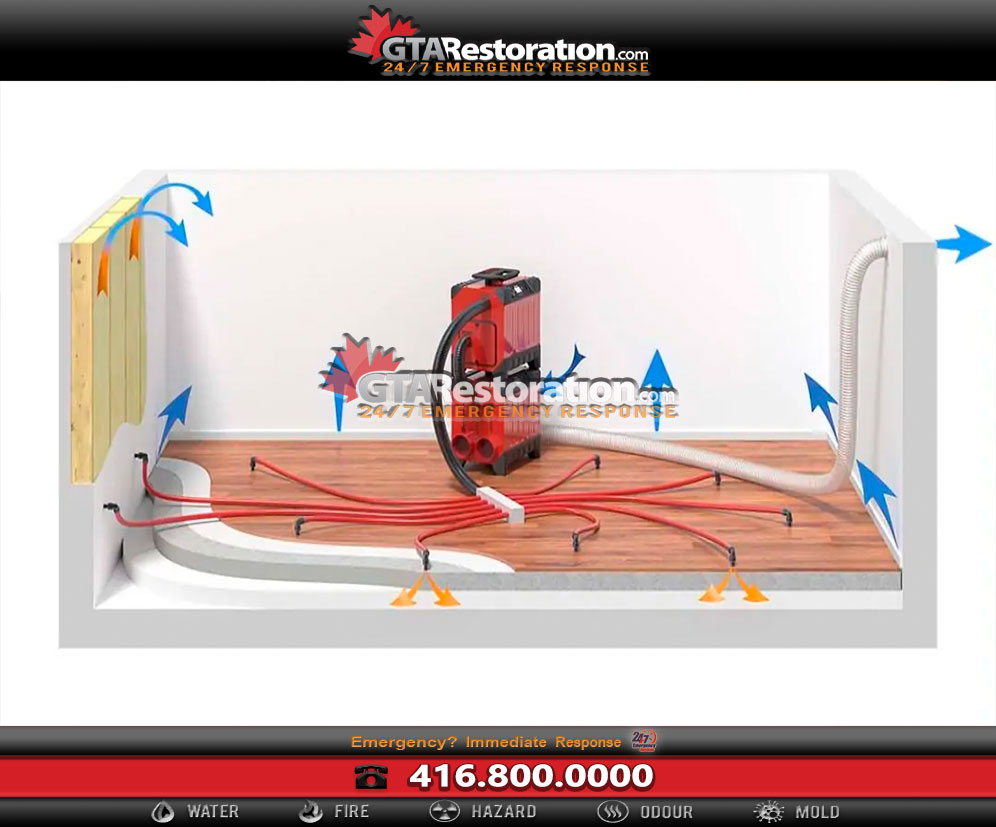
The next step is professional inspection and drying. Emergency restoration teams use extraction units, air movers, dehumidifiers, thermal imaging, and moisture meters to determine how far the water traveled and whether the flooring can be saved. In urgent losses, one coordinated response matters. A company like GTA Restoration can handle water extraction, moisture mapping, selective demolition, drying, and documentation for insurance support without forcing you to manage multiple vendors during a stressful event.
If you are deciding whether to repair or replace wet flooring, do not wait for visible warping or odor before acting. The sooner the floor is evaluated, the more options you usually have, and the better your chances of protecting the structure underneath. A fast decision backed by real moisture data is what keeps a wet floor from turning into a much bigger recovery.
Wet Carpet Drying Guide for Fast Recovery | Drying Floating Floors | Flooded Basement Cleanup & Restoration | Water Mitigation vs Restoration Explained | Floor Drying Mats


 Facebook
  Instagram
  LinkedIn
  X / Twitter
  YouTube