Knowing when mold remediation is required can help homeowners, landlords, tenants, condo owners, and property managers respond before a moisture problem gets worse. Mold often develops after plumbing leaks, flooding, condensation, roof problems, or prolonged humidity, but not every small mold spot needs a major remediation project.
Knowing when mold remediation is required starts with the size of the affected area, the moisture source, the materials involved, and whether mold may extend into hidden building assemblies.
Property owners may sometimes clean a small surface area after correcting the moisture problem. In contrast, widespread growth, repeated mold, substantial water damage, affected porous materials, or contamination behind walls and ceilings may call for professional remediation.
When Mold Remediation Is Required: Key Takeaways
Large or widespread mold growth often needs professional attention.
Recurring mold usually points to an unresolved moisture problem.
A persistent musty odour may justify an inspection for hidden moisture or mold.
Mold can penetrate porous materials such as drywall, insulation, and ceiling tiles.
Hidden mold may require controlled access and removal.
People with health concerns should discuss symptoms with a healthcare professional.
Fixing the moisture source helps prevent mold from returning.
Painting or spraying over mold does not solve the underlying problem.
Signs You May Need Professional Mold Remediation
The decision involves more than noticing a dark mark on a wall. A mold professional considers the amount of growth, the moisture source, the materials affected, accessibility, and whether contamination may extend beyond the visible area.
Large Areas of Visible Mold
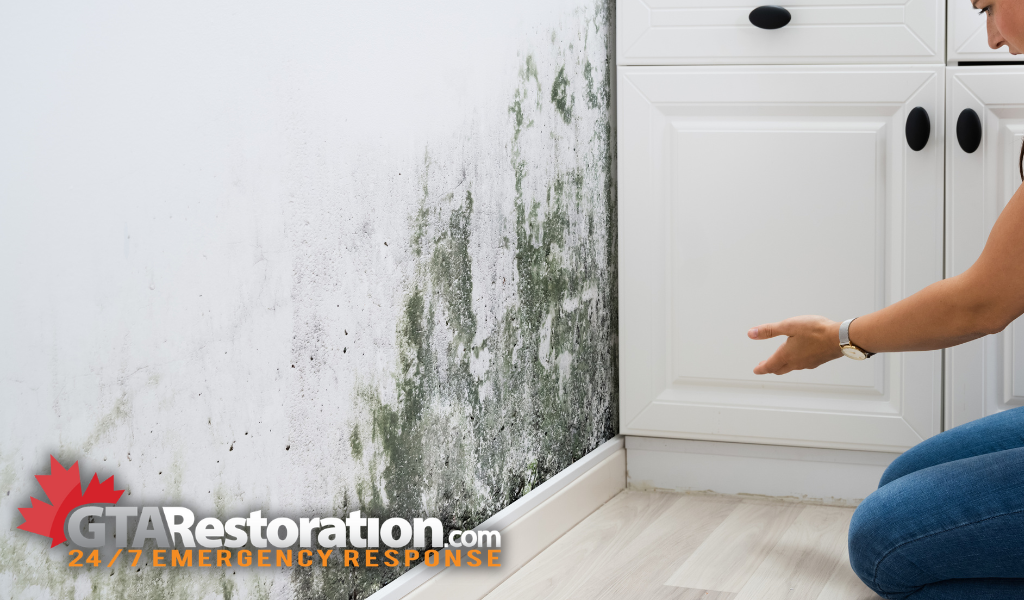
A large area of visible mold provides one of the clearest reasons to seek professional help. Health Canada considers a single mold patch larger than 3 m² a large area and recommends professional assessment and cleanup for extensive growth.
Several smaller patches throughout a room or building may also indicate a broader moisture problem.
Mold Keeps Returning After Cleaning
Repeated mold growth usually means moisture continues to support it. Plumbing leaks, roof leaks, condensation, excessive humidity, foundation seepage, or previous flooding can all create recurring problems.
Instead of repeatedly cleaning the same surface, find and correct the moisture source.
You Suspect Hidden Mold
Walls and ceilings can hide mold even when the finished surface looks relatively normal. Previous leaks, water stains, damaged finishes, moisture readings, or persistent musty odours may justify further investigation.
A professional can examine the area and decide whether selective access or additional moisture testing makes sense.
When Mold Remediation Is Required After Water Damage
Water damage does not automatically create a mold-remediation project. However, prolonged moisture gives mold an opportunity to grow.
Quick water extraction, structural drying, moisture monitoring, and appropriate removal of damaged materials can reduce the chance of a water loss becoming a larger mold problem.
Look for Unresolved Moisture
Water staining, swollen materials, peeling paint, soft drywall, damp insulation, warped flooring, and elevated moisture readings can show that water remains inside the building.
If visible mold develops after a leak or flood, the project may need both water-damage restoration and mold remediation.
Hidden Water Can Expand the Problem
Water can travel beneath flooring, behind baseboards, through wall cavities, into insulation, and across ceiling assemblies. Therefore, visible mold may show only part of the affected area.
Technicians can use moisture meters and other inspection equipment to investigate surrounding materials. Thermal imaging can reveal temperature patterns that deserve closer inspection, although it does not directly measure moisture.
Does Every Mold Problem Need Professional Remediation?
No. The right response depends on the amount of mold, the material involved, and the moisture problem behind the growth.
Health Canada explains that occupants may sometimes clean small mold areas with suitable precautions. Large areas, recurring mold, extensive contamination, or uncertain conditions deserve professional assessment.
Small Surface Mold
A small amount of mold on an accessible and washable surface may respond to cleaning after you correct the moisture source.
Do not treat bleach as a universal mold solution. Health Canada advises homeowners to clean washable moldy surfaces with soap and water rather than relying on bleach.
Porous Mold-Affected Materials
Porous building materials can absorb moisture and support mold below the surface. Depending on their condition, technicians may need to remove drywall, insulation, ceiling tiles, carpet underlay, or similar products.
The amount of mold, material condition, moisture level, and accessibility should guide that decision.
Musty Odours & Hidden Mold Problems
A persistent musty odour can point to excess moisture or concealed mold. However, smell alone cannot confirm where the problem is or how large it has become.
If the odour continues after you correct obvious moisture sources, inspect areas around previous leaks, plumbing fixtures, basements, attics, flooring, and wall cavities.
Use More Than Smell to Assess Mold
Some mold grows visibly without creating a strong odour. In other cases, occupants notice a musty smell before they locate the source.
For that reason, consider the property’s moisture history, visible conditions, and moisture measurements together.
Health Concerns Around Indoor Mold
Health Canada reports that people who live in damp or mouldy homes are more likely to experience eye, nose, and throat irritation, coughing, wheezing, shortness of breath, and worsening asthma symptoms.
However, symptoms alone cannot prove that mold caused them. Anyone with persistent or serious symptoms should contact a healthcare professional.
People With Respiratory Concerns
Households with asthma, severe allergies, respiratory conditions, or other health concerns should take persistent dampness and mold seriously.
A restoration company can investigate and remediate building conditions, while a healthcare professional should evaluate medical symptoms.
Some mold problems develop where property owners cannot easily see them. Previous water intrusion often provides the first clue.
Mold Behind Walls & Ceilings
Plumbing leaks, roof leaks, overflowing fixtures, or water from an upper floor can affect drywall, framing, insulation, and other concealed materials.
Staining, damaged finishes, musty odours, and known water intrusion may justify further investigation.
Attics & Crawlspaces
Roof leaks, condensation, inadequate ventilation, plumbing failures, and excess humidity can contribute to mold growth in attics and crawlspaces.
Restricted access often makes these locations more difficult to assess and clean.
Basements & Below-Grade Areas
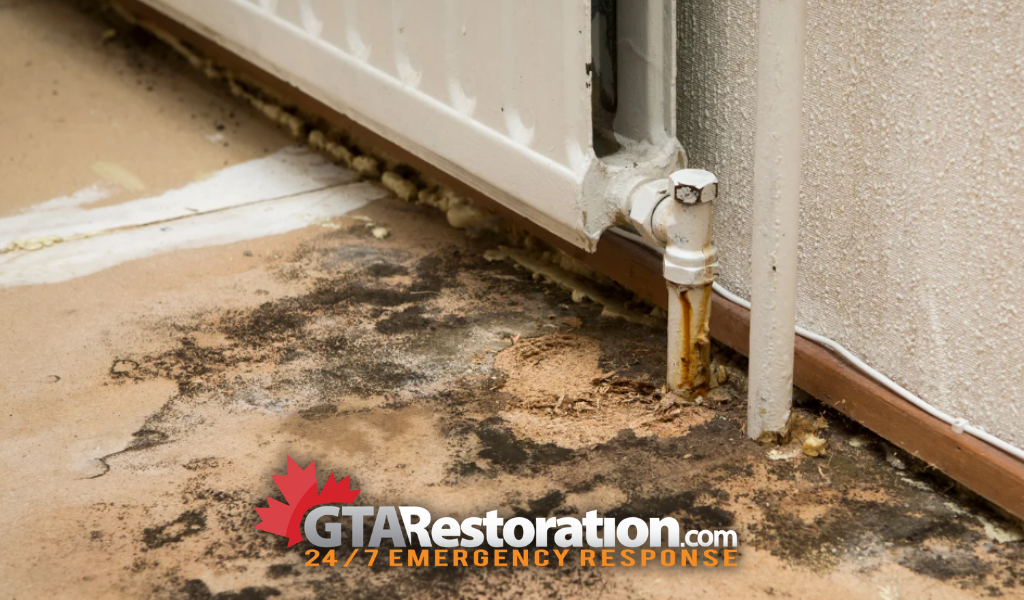
Foundation seepage, plumbing leaks, condensation, flooding, and excessive humidity can create persistent basement moisture.
Cleaning visible mold without correcting those conditions often allows the problem to return.
When to Call a Professional Mold Remediation Company
Professional help becomes more useful as the size, complexity, or uncertainty of the mold problem increases.
Consider professional remediation when:
Mold covers a large area.
Growth keeps returning after cleaning.
Several rooms show signs of mold.
Mold affects porous building materials.
You suspect contamination behind walls, ceilings, or flooring.
The property experienced substantial water damage.
The project needs containment or controlled demolition.
You cannot identify the moisture source.
Occupants must remain elsewhere in the building during the work.
Containment During Mold Remediation
Large remediation projects can disturb contaminated dust and debris. Containment helps keep the work zone separate from unaffected spaces.
Depending on the project, technicians may use polyethylene barriers, controlled entry points, HEPA-filtered air equipment, HEPA vacuums, and other dust-control methods.
Do You Need Mold Testing Before Remediation?
Not every mold problem requires air testing. When visible mold clearly exists and the moisture source is known, an inspection may provide enough information to develop the remediation plan.
Health Canada generally does not recommend routine mold air testing in homes because the results often provide little useful information about health risk.
When Additional Testing May Help
An independent environmental consultant may add value when the source remains unclear, parties dispute the extent of contamination, the project specification calls for testing, or the scope requires post-remediation verification.
The property’s circumstances should determine whether testing adds useful information.
When Mold Remediation Is Required During a Property Sale
Mold discovered during a real estate transaction can raise questions about water damage, repairs, remediation history, and the current condition of the building.
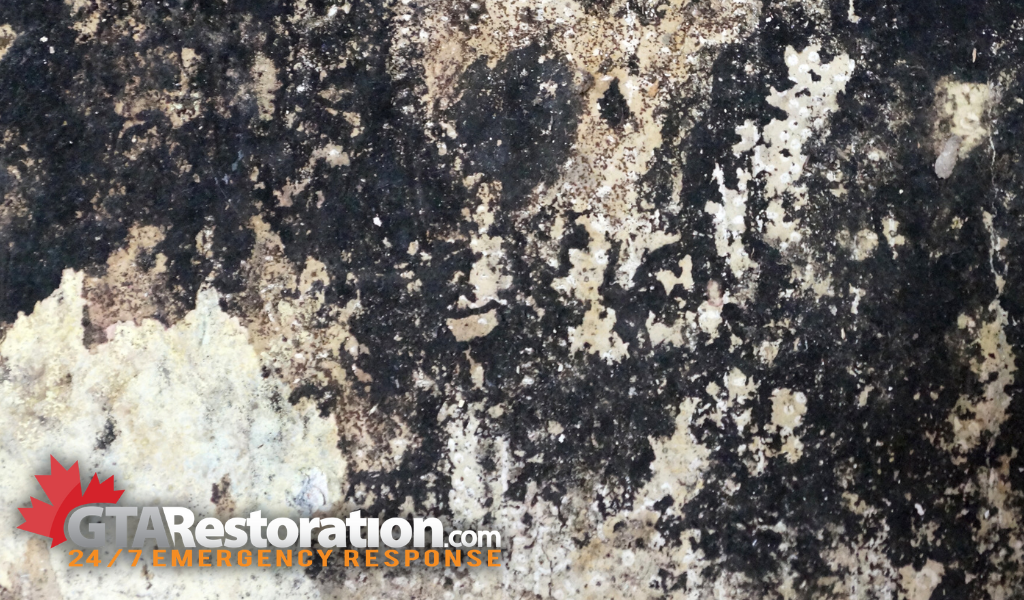
Buyers and sellers should focus on the moisture source and extent of damage rather than trying to judge mold by colour alone.
Visible mold growth should be evaluated together with the underlying moisture conditions.
Keep Records of Previous Mold Work
Property owners can retain inspection reports, photographs, remediation records, moisture readings, repair invoices, and independent verification reports when applicable.
Real estate disclosure obligations depend on the circumstances and applicable law. Buyers and sellers with specific legal questions should consult a qualified real estate professional or lawyer.
Insurance & Mold Remediation
Insurance policies handle mold differently. Coverage may depend on the moisture source, policy wording, limits, exclusions, endorsements, and deductible.
For example, an insurer may treat mold following a sudden covered water loss differently from growth caused by long-term leakage, humidity, maintenance issues, or gradual deterioration.
Document Damage Before Major Cleanup
When conditions allow, photograph visible damage and keep records of emergency work, moisture readings, estimates, remediation, and repairs.
These records can support the claim process, although the insurer ultimately determines coverage under the policy.
How Professional Mold Remediation Works
Once the assessment confirms that professional cleanup makes sense, technicians create a scope based on the size and complexity of the problem.
Assessment & Moisture Investigation
Technicians evaluate visible growth, building materials, moisture levels, water history, and likely moisture sources.
Containment & Material Removal
Crews establish containment when the project requires it. They then remove materials that cannot remain or that they cannot clean effectively.
Detailed Cleaning
The remediation team cleans remaining surfaces and the contained work area using methods appropriate for the materials and project conditions.
Drying & Moisture Control
Technicians dry materials that can remain in place and monitor moisture levels throughout the process.
Verification & Repairs
Some projects include independent post-remediation verification. After the remediation and drying stages finish, reconstruction can replace drywall, flooring, insulation, trim, or other removed finishes.
How to Prevent Mold From Returning
Professional cleanup deals with existing mold, while long-term prevention depends on controlling moisture.
Repair Leaks Quickly
Address plumbing leaks, roof failures, foundation seepage, and other water sources before they create prolonged damp conditions.
Control Indoor Humidity
Health Canada recommends keeping indoor relative humidity around 30% to 50% where practical. Ventilation and dehumidification can help control excess moisture.
Improve Ventilation
Use properly vented exhaust fans in bathrooms and kitchens. Vent clothes dryers outdoors and investigate recurring condensation.
Respond Quickly to Water Damage
After a leak or flood, remove excess water and begin appropriate drying promptly. Investigate materials that remain wet instead of covering them with new finishes.
When Mold Remediation Is Required: Final Summary
Knowing when mold remediation is required means looking beyond the colour of visible mold. The size of the affected area, moisture source, material type, location, recurrence, and accessibility all influence the decision.
Property owners may sometimes handle a small surface problem after correcting the moisture source. Widespread growth, hidden mold, recurring contamination, substantial water damage, or affected porous materials often justify professional remediation.
Most importantly, correct the moisture problem. Mold can return when water leaks, condensation, flooding, or excessive humidity continue after cleanup.
Frequently Asked Questions About Mold Remediation
How do I know when mold remediation is required?
Consider professional remediation when mold covers a large area, keeps returning, affects porous materials, follows substantial water damage, or may exist inside concealed building assemblies.
Can I clean a small amount of mold myself?
Sometimes. Health Canada provides guidance for cleaning small mold areas while correcting the moisture source. Larger or complicated problems deserve professional assessment.
Should I use bleach on mold?
Health Canada advises against routine bleach use for household mold cleanup. Its guidance recommends soap and water for washable surfaces.
Does dark or black mold automatically require professional removal?
No. Colour alone does not determine the remediation scope. The amount of growth, material, moisture source, location, and complexity matter more.
Does a musty smell prove that mold exists?
No. A musty odour can justify investigating for excess moisture or hidden mold, but smell alone cannot confirm the source.
Do I need air testing before mold removal?
Not always. Visible mold with an obvious moisture source often does not need routine air testing. More complicated cases may benefit from an independent environmental assessment.
Can mold return after remediation?
Yes. Continued leaks, excessive humidity, condensation, or other moisture conditions can support new growth.
Need Professional Mold Remediation?
GTA Restoration provides mold assessment, containment, removal, cleaning, drying, and remediation throughout Toronto and the GTA.
Mold grows when moisture remains on suitable building materials. Drywall paper, wood, dust, fabrics, and other organic materials can support growth when damp conditions persist.
Property owners should focus on moisture control rather than a universal number of hours or days. Plumbing leaks, roof problems, flooding, condensation, and excessive humidity all deserve prompt attention.
Control Moisture After Remediation
Correct the moisture source before considering the project complete. A continuing leak or humidity problem can allow mold to return even after technicians clean the original affected area.
Health Canada recommends indoor relative humidity of approximately 30% to 50% where practical. Dehumidification, ventilation, leak repairs, and regular maintenance can help achieve that range.
Health Considerations Around Indoor Mold
People living in damp or mouldy environments may experience respiratory or irritation symptoms. However, restoration contractors should not diagnose those symptoms.
Anyone with persistent coughing, wheezing, breathing difficulty, worsening asthma, or other concerns should contact a healthcare professional while the property owner addresses the moisture and mold conditions.
Signs You Need a Mold Remediation Professional
Professional assessment becomes more important when mold covers a large area, returns repeatedly, affects several rooms, follows substantial water damage, or extends into concealed building materials.
Larger projects may need containment, HEPA-filtered equipment, controlled removal, detailed cleaning, drying, and project-specific verification.
Conditions That Deserve Investigation
Large areas of visible mold
Recurring growth
Persistent musty odours
Previous or active water damage
Wet drywall or insulation
Suspected hidden mold
Multiple affected rooms
Uncontrolled humidity or condensation
Mold & Real Estate Transactions
Visible mold or previous water damage can raise questions during a property sale. Buyers may want information about the moisture source, repairs, remediation, and current building conditions.
Avoid unsupported claims about automatic reductions in property value. Market impact depends on the property, severity, repairs, documentation, local market, and other factors.
Keep Remediation Documentation
Retain photographs, inspection reports, moisture readings, remediation records, repair invoices, and independent verification reports where applicable.
Reduce the Chance of Future Mold
Inspect moisture-prone areas regularly and repair leaks quickly. Bathrooms, basements, attics, kitchens, laundry areas, and plumbing locations deserve particular attention.
Good ventilation and humidity control can also reduce moisture. Avoid covering damp or mold-affected materials with new paint or finishes before completing the necessary cleanup and drying.
Concerned About Mold?
GTA Restoration provides professional mold remediation throughout Toronto and the GTA.
GTA Restoration serves communities across Canada, including Toronto and the GTA. U.S. locations are opening. Browse our Canadian service areas below, and contact us to confirm services and availability for your address.
When Mold Remediation Is Required | Warning Signs Tips!
Quick Guide: When Mold Remediation Is Required
A small mold spot does not always need major remediation. Professional help becomes more appropriate when growth spreads, repeatedly returns, develops inside concealed areas, or follows substantial water damage.
Warning Signs That Need Attention
Extensive visible mold across one or more surfaces
Growth returning after previous cleaning
A persistent musty odour inside the property
Recent flooding, leaks, or other water damage
Damp drywall, insulation, flooring, or other materials
Suspected contamination behind walls or ceilings
Several rooms showing moisture or mold problems
Control Moisture to Help Prevent Mold
Removing visible growth addresses only part of the problem. Repair active leaks, manage condensation, improve ventilation, and control excessive humidity so damp conditions do not continue.
Professional Mold Help in Toronto & GTA
For mold assessment and remediation, contact GTA Restoration at 416-800-0000.
Direct Billing & Insurance Claims
Ask your insurer about coverage, deductibles and the records it needs.
In-House Financing Available
Financing up to 24 months. No interest. No money down. Ask us about the terms.




 Facebook
  Instagram
  LinkedIn
  X / Twitter
  YouTube