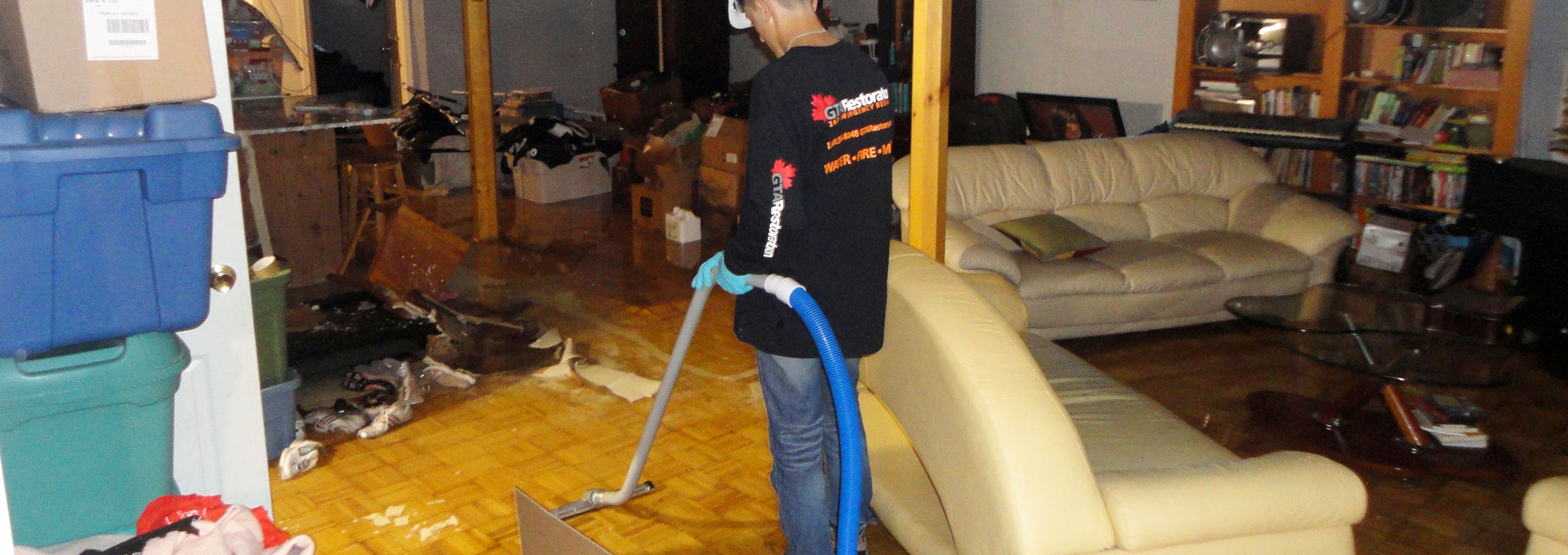
Water damage restoration in Toronto


What to Do After Water Damage in Toronto

Not sure what to do after water damage in Toronto? First, keep people away from wet areas and check for hazards from a safe place. A burst pipe, roof leak or sewer backup can each need a different response.

GTA Restoration provides 24/7 water damage restoration in Toronto. Our team can assess the damage, remove water and plan drying. Meanwhile, the steps below explain how to protect yourself and prepare for cleanup.

Call 416-800-0000

1. Put Safety Before Water Damage Cleanup

Stay out of standing water if it may have reached outlets, wiring or appliances. Do not cross a wet floor to reach the electrical panel. Instead, contact your local electricity provider if you need power disconnected.

Keep children and pets away from the area. Also, avoid sagging ceilings and rooms with sewage. The Electrical Safety Authority’s flood guidance explains why wet floors and electrical equipment can pose serious risks.

2. Stop the Water Source When Safe

If a pipe or appliance supply line leaks, close its shutoff valve only if you can reach it safely. Then, arrange repairs through an emergency plumber. Never enter a flooded room to search for a valve.

However, shutting off the water supply will not stop rainwater or a sewer backup. If you suspect a sewer backup, avoid using sinks and toilets unless necessary until the problem is fixed.

3. Know Who to Call After Water Damage

Contact your insurer promptly to report the loss and ask about next steps. If you rent or live in a condo, notify your landlord or building manager as well. Water may affect nearby units or shared spaces.

For basement flooding in Toronto, report the incident to 311. The City of Toronto’s basement flooding guide explains reporting and local response. In addition, arrange basement cleanup once conditions allow safe access.

4. Document Water Damage Before Cleanup

When safe, take photos of wet rooms, damaged items and the apparent leak source. Next, write down when you found the problem and which areas it affected. Keep receipts for urgent repairs and cleanup.

Ask your insurer what records they need before you discard damaged items. However, do not delay urgent safety measures to take photographs. Your policy and insurer determine coverage.

5. Arrange Water Removal and Drying

Once crews address immediate hazards, they can remove standing water and inspect wet materials. Then, moisture readings help them check behind surfaces that may look dry.

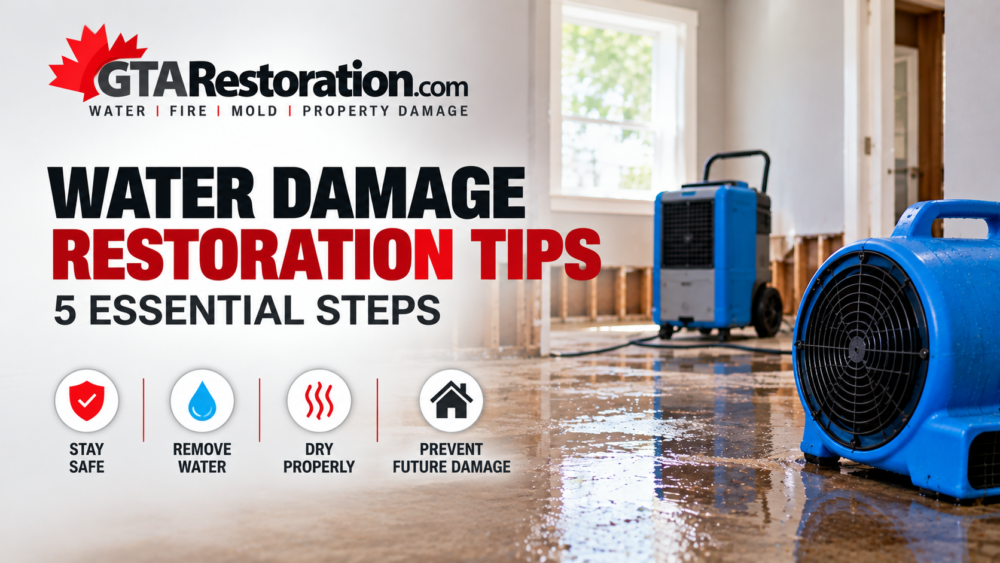
Air movers and dehumidifiers support drying when suitable for the conditions. However, sewage and other contamination require extra care before crews use drying equipment. Health Canada’s flood cleanup guidance explains why prompt cleanup and drying help reduce mould growth.

6. Assess Belongings After Water Damage

Some items may need cleaning and drying, while others need disposal. For example, sewage can contaminate carpets, furniture and other absorbent materials. Ask the restoration team which items they can safely save.

Meanwhile, move unaffected belongings only when access is safe. Keep clean items away from dirty water and damaged materials.

7. Check Moisture Before Starting Repairs

A dry surface does not prove that the wall or floor beneath it is dry. Therefore, ask the team to check moisture levels before new finishes cover affected areas.

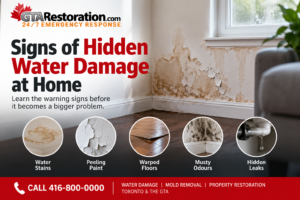
Finally, repair the source of the leak and keep the drying records. If damp patches or musty odours return, arrange another inspection. These signs may point to moisture that still needs attention.


Need Water Damage Help in Toronto?

Unsure what to do after water damage? Call GTA Restoration for 24/7 assessment, water removal and drying support.

Call 416-800-0000

Learn More

How to Find Small Leaks in Your Home | Contents Cleaning After Fire: What Can Be Saved? | Water Damage Toronto | When to Replace Smoke Damaged Contents | Water Damage Restoration in Toronto & the GTA
Share this... Spread the word!


What to Do After Water Damage: Recovery Advice

Knowing what to do after water damage can make the next steps clearer. First, gather the details your cleanup team needs. Then, discuss access, drying checks and repair plans for your Toronto property.

Prepare for Your Water Damage Call

Note when you found the water and whether it is still spreading. Also, tell the team about any known hazards before they arrive.

Keep a Record of Affected Rooms

List each room with wet floors, stains or damaged contents. In addition, note any areas you could not safely check. This helps the team plan its inspection.

Coordinate Water Damage Cleanup in Condos

Notify your building manager about the leak and affected areas. Then, confirm access rules, service elevator use and any steps needed to protect nearby units.

Arrange Safe Access for Cleanup

Agree on an entry point and keep people away from the work area. However, never enter an unsafe room just to clear a path for crews.

Discuss Belongings Before Moving Them

Ask which items need cleaning, drying or disposal. Meanwhile, keep unaffected belongings separate from wet or dirty materials. Avoid moving items through contaminated areas.

Understand Your Drying Updates

Ask the team what moisture checks show and which materials still need attention. Also, confirm how to use the drying equipment and whom to call with concerns.

Allow Time for Water Damage Repairs

Drying time depends on the materials and site conditions. Therefore, plan repairs around moisture checks rather than a fixed deadline. Surface dryness alone may not tell the full story.

Review the Repair Plan

Confirm which walls, floors or finishes need work. Next, ask for a clear scope that explains the proposed repairs, costs and any areas that need further inspection.

Organize Cleanup Costs and Receipts

Keep estimates, invoices, photos and work records together. These can help explain the loss to your insurer. However, your policy and insurer determine coverage.

Reduce the Risk of Repeat Water Damage

Finally, address the cause of the leak. If dampness returns, arrange water leak detection. GTA Restoration can help plan water damage cleanup and drying in Toronto.


Need help planning your water damage cleanup?
Call GTA Restoration for 24/7 support in Toronto and the GTA.

Call 416-800-0000


GTA Service Centre


What to Do After Water Damage: FAQs

What should I do first after water damage?

First, keep people away from hazards. Avoid standing water near electrical equipment or sewage. Stop the water source only if you can reach the shutoff safely.

Who should I call for water damage in Toronto?

Contact a restoration team for cleanup and drying. For an active plumbing leak, also call a plumber. Then, notify your insurer and building manager, where applicable.

Can moisture remain after the floor looks dry?

Yes. Water can remain beneath floors or inside walls. Therefore, technicians use moisture readings to check areas that may still need drying.

Do wet walls always need replacement?

No. The decision depends on the water source, contamination and damage. Instead of guessing, ask the team which materials they can safely clean and dry.

How long does drying take after water damage?

Drying time varies with the materials, moisture levels and room conditions. For this reason, crews should track progress with moisture checks rather than promise a fixed timeline.

Does GTA Restoration offer emergency water damage help?

Yes. GTA Restoration provides 24/7 water removal, drying and cleanup support in Toronto and the GTA. Call 416-800-0000 to discuss your property.


Direct Billing & Insurance Claims

Ask your insurer about coverage, deductibles and the records it needs.


Payment options

In-House Financing Available

Financing up to 24 months. No interest. No money down. Ask us about the terms.


Emergency? 24/7 Restoration Help

416-800-0000

416-800-0000

We cover all GTA 24/7.

Head Office:
250 Consumers Rd,
#10
Toronto, ON
M2J 4V6,
Open 24 hours

Downtown Office:
1 Toronto St,
#10
Toronto, ON
M5W 1A1,
Open 24 hours

For non-emergencies use our contact form

    Not sure what you need?

    Call us today to find the best product for your situation.

    416-800-0000 416-800-0000

    Head Office:
    101 Lebovic Ave,
    Unit #10
    Scarborough,
    ON, M1L 4T7
    Hours
    24-Hours Open

    Downtown Office:
    250 Yonge Street,
    Unit #1A
    Toronto,
    ON, M5B 2L7
    Hours
    24-Hours Open

    What to Do If You Have Water Damage in Toronto

    Get a quote today


      Emergency? Click to Call!