Basement waterproofing Toronto homeowners need starts with finding the source of a leak. GTA Restoration can help assess basement moisture and water damage so you can discuss the next steps.
Waterproofing addresses water entry, while cleanup deals with the resulting damage. Therefore, a flooded basement may need both. To address the specific challenges of basement waterproofing Toronto homes face, consider a thorough inspection.
Signs You Need Basement Waterproofing in Toronto
Recurring dampness deserves investigation before you replace flooring or finish basement walls. Look for these signs that indicate Toronto basement waterproofing could be necessary:
Water appearing after rain or melting snow.
Damp walls, peeling paint or stained finishes.
Leaks near windows or foundation cracks.
Musty smells or moisture beneath flooring.
However, these symptoms can have different causes. Before planning any waterproofing, make sure to clarify if your Toronto basement waterproofing needs are due to outside water, plumbing leaks, or just condensation.
Toronto Basement Waterproofing: Finding the Cause
First, explain when the leak happens and where water appears. Also, share photographs and previous repair details when available. This information helps guide your Toronto basement waterproofing assessment, making solutions more effective.
For background on drainage and water entry, read the City of Toronto’s basement flooding guidance. Their site covers basement waterproofing Toronto homeowners may find useful.
Before approving the proposed work, ask what each repair addresses. Also, confirm whether cleanup, drying and replacement finishes are included in your estimate.
Basement Waterproofing and Flood Cleanup
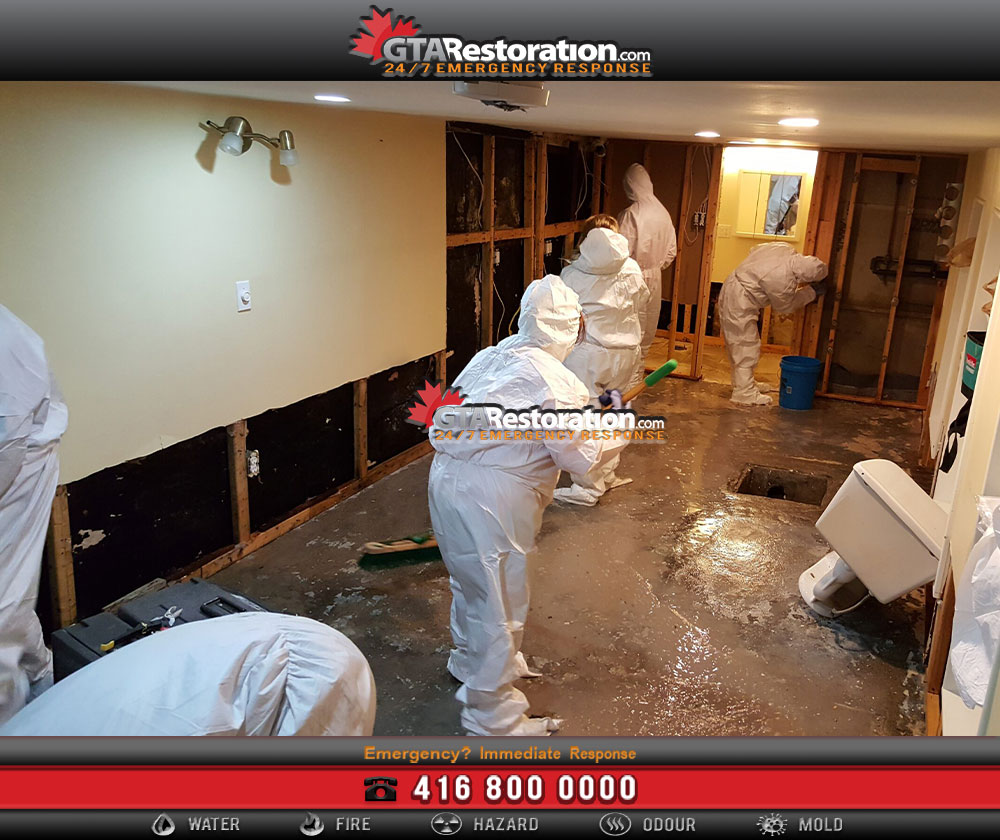
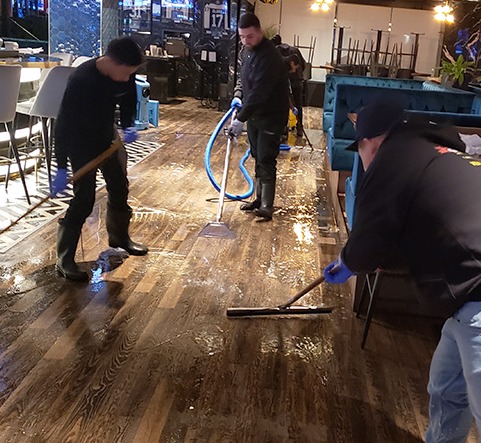
Basement waterproofing in Toronto addresses a different need from removing water already inside. If flooding has occurred, discuss cleanup alongside an assessment of the water source. Considering basement waterproofing Toronto services after flooding is important.
Stay out of flooded areas where electrical hazards may be present. If sewage is suspected, avoid contact and explain the situation when requesting assistance.
After cleanup, coordinate your Toronto basement waterproofing plan with any repairs to affected materials. Discuss drying and the condition of those materials before installing new finishes, especially in the context of Toronto basement waterproofing best practices.
Discuss Basement Waterproofing in Toronto
For basement waterproofing Toronto enquiries, tell GTA Restoration whether the leak is active and which areas are affected. Also, mention previous flooding and any planned renovations to ensure your basement waterproofing plan fits your Toronto property’s needs.
A clear assessment helps you understand the proposed work and prepare for the next steps. Contact our team to discuss your basement concerns, including any Toronto basement waterproofing issues you want to prevent.
Basement waterproofing in Toronto starts with understanding why water enters the property. Rainfall, drainage problems, foundation leaks and plumbing issues can leave similar signs. Therefore, an assessment should identify the source before you choose repairs or replace damaged finishes.
Finding the Water Source
First, note where dampness appears and when it returns. Water after rainfall may follow a different pattern from a plumbing leak. Share these details with the team so the assessment can focus on the likely source.
Checking Basement Walls
Staining, peeling paint and damp patches can help identify areas that need closer attention. However, surface marks alone do not explain the cause. An inspection should consider nearby plumbing, exterior conditions and previous repairs.
Reviewing Drainage Conditions
Water around the foundation can contribute to basement moisture problems. For this reason, the assessment may include drainage conditions outside the building. Describe any recurring puddles or changes you notice during rain or snowmelt.
Understanding Repair Options
Different properties need different approaches to basement water protection. Before work begins, ask what the proposed repair addresses, which areas it covers and whether additional plumbing or drainage work forms part of the plan.
Separating Waterproofing From Cleanup
Waterproofing addresses water entry, while flood cleanup handles water and damaged materials inside the property. Consequently, a wet basement may need both services. The scope should explain how each stage contributes to property recovery.
Assessing Wet Materials
Flooring, drywall, insulation and stored belongings may need attention after a basement leak. Next, the team can assess the affected materials and discuss drying or removal where appropriate. Avoid assuming that every wet item needs replacement.
Following Drying Progress
A surface may look dry while nearby materials still contain moisture. Therefore, drying decisions should consider inspection findings and moisture readings. Ask how the team will check progress before repairs conceal the affected areas again.
Planning Basement Finishing
Before installing new basement finishes, discuss any unresolved leaks or recurring dampness. Addressing the underlying concern helps you plan the work in a sensible order. Also, keep records of completed repairs for future reference.
Preparing for an Assessment
Gather photographs, previous repair records and a brief description of the problem. In addition, note whether moisture follows rain, snowmelt or plumbing use. This information helps our team understand the history of your basement.
Support Across Toronto and the GTA
Contact GTA Restoration to discuss basement waterproofing in Toronto and related water damage concerns. Our team can review your situation and explain the next steps. For existing flooding, ask about water removal and drying support.
GTA Restoration offers local flood & water damage repair, mold removal/remediation, asbestos removal/abatement, fire/smoke damage repair services and much more.
Describe where water appears, when it happens and any previous repairs. Also, mention whether the problem follows rainfall or plumbing use.
Does a damp basement always mean a foundation leak?
Dampness can have several causes, including plumbing leaks, condensation and water entering from outside. An assessment helps distinguish between these possibilities.
Can waterproofing replace flood cleanup?
Waterproofing addresses water entry. In contrast, cleanup removes water and deals with affected materials. Some properties need both types of work.
Why should I keep photographs of recurring leaks?
Photographs help show where moisture appears and how conditions change. They can also provide useful context when the basement looks dry during inspection.
How do I compare proposed repair plans?
Ask each contractor to explain the identified cause, proposed work, exclusions and follow-up checks. Then, compare the scope alongside the price.
When should I discuss replacing basement finishes?
Discuss finishes after assessing the moisture problem and affected materials. The repair plan should explain the sequence for water control, drying and rebuilding.
Who can I contact about basement moisture in Toronto?
GTA Restoration helps property owners in Toronto and the GTA discuss basement moisture, water damage and the next steps for an assessment.