

Tags: Basement Waterproofing, Commercial Waterproofing, Waterproofing, Waterproofing Basement, Waterproofing Specialists,
For non-emergencies use our contact form


Emergency? 24-Hours
416-800-0000The best basement waterproofing methods help control water near your foundation. However, the right method depends on the source of the leak.
Some basements need crack repair. Others may need a drain system or sump pump.
So, start with a check of the wet areas.
An interior drain can collect water near the basement floor. Then, a sump pump moves the water away.
This method may help with repeat groundwater leaks. Also, it can be useful when outside digging is difficult.
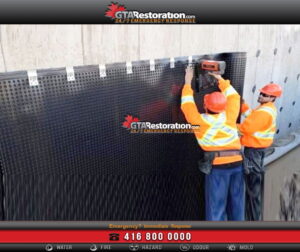
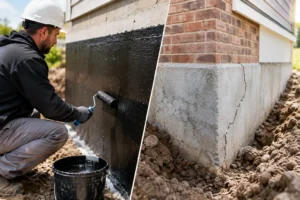
Exterior work helps keep water from entering through the foundation wall.
A crew may repair cracks and add a waterproof membrane. However, this work often needs digging beside the house.
The cost depends on access and the amount of work needed.
A small wall crack may allow rainwater into the basement. In some cases, a targeted repair may stop the leak.
However, large or moving cracks need more care. Also, one crack repair will not fix poor drainage around the home.
A sump pump helps remove groundwater. However, it must work when water enters the pit.
Test the pump as advised by the maker. Also, ask whether a backup pump is right for your home.
Clear gutters and check downspouts. Also, make sure rainwater moves away from the house.
If the ground slopes toward the wall, water may collect near the foundation.
For this reason, good grading can help lower the risk of basement leaks.
GTA Restoration helps homes and businesses across Toronto and the GTA.
Our team checks basement moisture and provides water removal and drying. We can also help assess possible ways to control future leaks.
The best basement waterproofing methods start with finding the water source. Then, the repair plan should address that cause.
Concerned About Basement Leaks or Standing Water?
Contact GTA Restoration for basement water cleanup, moisture checks, and waterproofing advice in Toronto and the GTA.
Service Areas Across Canada
GTA Restoration serves communities across Canada, including Toronto and the GTA. U.S. locations are opening. Browse our Canadian service areas below, and contact us to confirm services and availability for your address.
Search
It depends on where the water enters. For example, a wall crack may need sealing, while repeat groundwater leaks may need drainage.
Both can help. Interior systems control water that reaches the basement area. However, exterior systems aim to stop water before it enters the wall.
A sump pump can help remove groundwater. However, it cannot fix every type of leak. Also, the pump needs regular checks.
Not always. Paint may help with minor dampness. However, it will not fix a major crack or drainage problem.
Keep gutters clear and direct downspouts away from the house. Also, check the slope of the ground near the walls.
Call if water enters after each storm or dampness keeps returning. Also, get help for active flooding, large cracks, or hidden water damage.
Direct Billing & Insurance Claims
Ask your insurer about coverage, deductibles and the records it needs.

In-House Financing Available
Financing up to 24 months. No interest. No money down. Ask us about the terms.
Learn more ↴ 
RELATED ARTICLES





Call Us 416-800-0000
Emergency? 24/7 Restoration Help
We cover all GTA 24/7.
Head Office:
250 Consumers Rd,
#10
Toronto, ON
M2J 4V6,
Open 24 hours
Downtown Office:
1 Toronto St,
#10
Toronto, ON
M5W 1A1,
Open 24 hours
For non-emergencies use our contact form
Not sure what you need?
Call us today to find the best product for your situation.
Head Office:
101 Lebovic Ave,
Unit #10
Scarborough,
ON, M1L 4T7
Hours
24-Hours Open
Downtown Office:
250 Yonge Street,
Unit #1A
Toronto,
ON, M5B 2L7
Hours
24-Hours Open
Best Basement Waterproofing Methods That Work
Get a quote today


