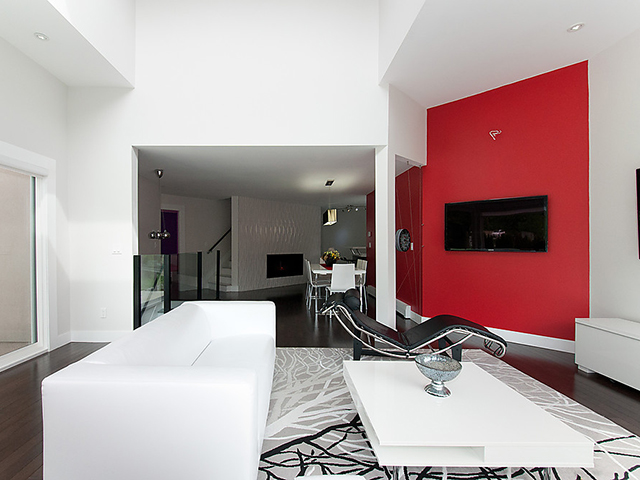
Renovation and Improvements in Toronto
GTA Restoration provides renovation and improvements for homes, condos and businesses in Toronto and the GTA. We help update worn rooms, repair damaged finishes and make spaces work better. Your project may involve one room or several parts of the property.
First, tell us what you want to change and what you want to keep. Then we review the space, access and repair needs. A clear scope helps you compare costs and plan the work before materials arrive.
Kitchen and Bathroom Renovations
A kitchen update may include cabinets, counters, tile, flooring and trim. Start with how you use the room. For example, you may need more storage, a better work area or finishes that are easier to clean.
Bathroom work may include a vanity, shower, tub, tile and wall repairs. However, new finishes should not cover an active leak. Then plan plumbing, ventilation and moisture control before the final surfaces go in.
For projects centred on these rooms, see our kitchen and bathroom service. Share your preferred layout and any items you hope to reuse.
Flooring, Walls and Interior Improvements
New floors, paint, drywall and trim can refresh a space without moving walls. We can include these tasks in a larger project or plan work around the rooms that need it most.
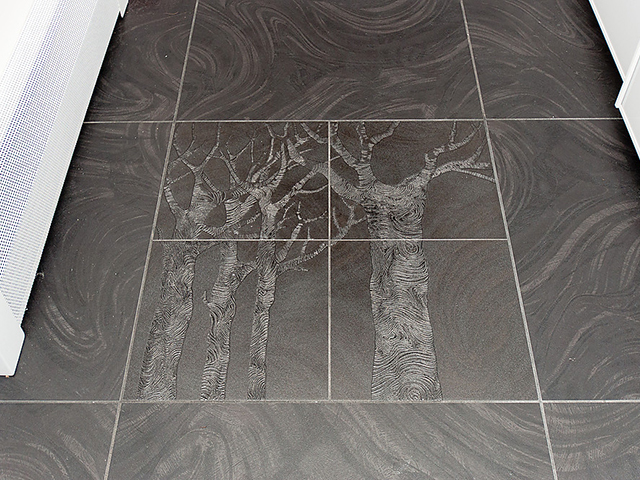
Choose finishes to suit the room’s use, foot traffic and exposure to moisture. Also, allow time to prepare the surface below. For example, a new floor needs a suitable base, while a clean paint finish starts with sound walls.
Basement Renovations
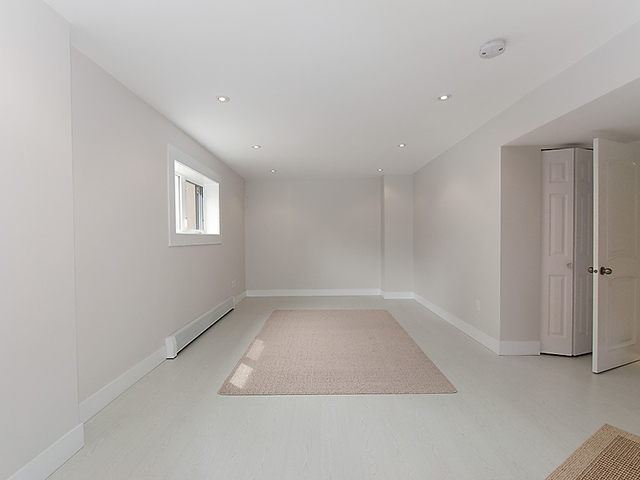
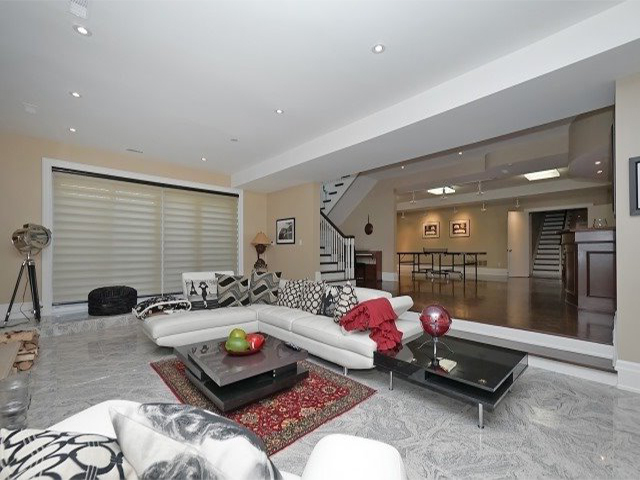
A basement can provide more room for work, storage or family use. Before planning new walls and floors, check for leaks, damp areas and past flood damage. Fix the source of moisture first so it does not affect the new work.
If the basement has flooded, our specialty drying team can assess wet materials. The scope and condition of the space will guide what comes next. In addition, a new suite or a change to the layout needs a review of local building rules.
Plan Your Home Renovation in Stages
For renovation and improvements, start with a list of essential repairs and the upgrades you would like. Next, agree on which rooms and finishes the quote covers. Include removal, waste handling, site protection and the work needed to complete each area.
Some steps depend on earlier work. For instance, crews need access to pipes and wiring before walls close. Inspections, when required, also affect the order of work. Therefore, set a schedule that allows for these stages and material delivery.
If the team finds hidden damage, discuss it before adding work. Also, ask for any change to the price or scope in writing. That keeps the plan clear as the project moves forward.
Check Permits Before Changing the Layout
Moving walls or changing plumbing can involve more than a finish upgrade. Before demolition, confirm which drawings, permits and inspections your project needs. Do not assume a wall is safe to remove based on how it looks.
The City of Toronto building permit guide lists common projects that need approval. It also lists work that may not need a building permit. Check with the City if your plans are unclear. For work elsewhere in the GTA, contact the local building department.
Condo and Commercial Property Improvements
Property improvements in a condo, shop or office need a plan for shared areas and daily use. Tell us about building rules, loading access, lift bookings and permitted work hours. In addition, speak with building management about any approvals needed before work starts.
Next, discuss which areas can stay in use and where people will walk. For example, some tasks may need a clear work zone or a planned closure. Agree on these limits early so staff, tenants and residents can prepare.
Renovation After Water or Fire Damage
Repairs after a loss start with the cause and condition of the damage. First, address active leaks, wet materials or soot and smoke residue. Then plan which finishes can stay and which need replacement.
Our fire and smoke restoration service can help with the cleanup stage after a fire. In addition, drying and other site checks may be needed before rebuilding starts. Fresh paint or new drywall alone will not solve hidden damage.
If you want upgrades as part of the repair, list them separately in the scope. This helps distinguish damage repairs from changes you choose to add. Your insurer decides what the policy covers; keep photos, work notes and bills for its review.
Discuss Your Renovation and Improvements
Tell GTA Restoration which rooms you want to update, any known damage and your preferred timing. Photos and a short list of priorities can help start the discussion. We can then review the work and explain the next steps for your property.






 Facebook
  Instagram
  LinkedIn
  X / Twitter
  YouTube

