Mold Removal Toronto | Mold Remediation & Inspection
Mold Removal Toronto & Mold Remediation Services
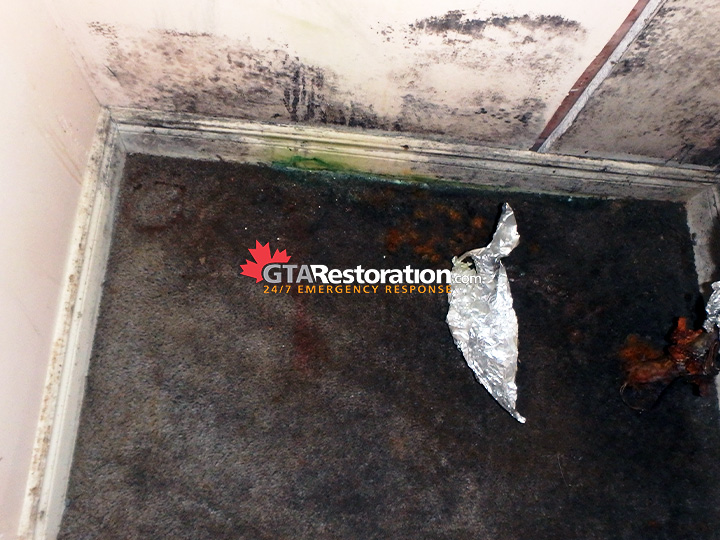
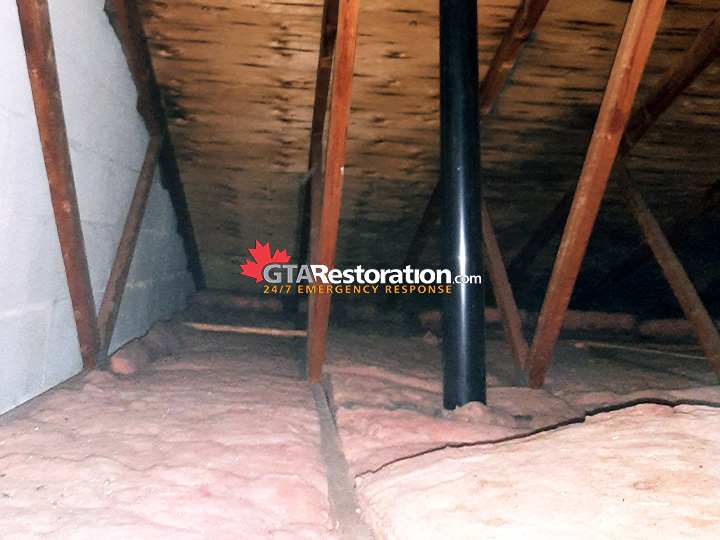
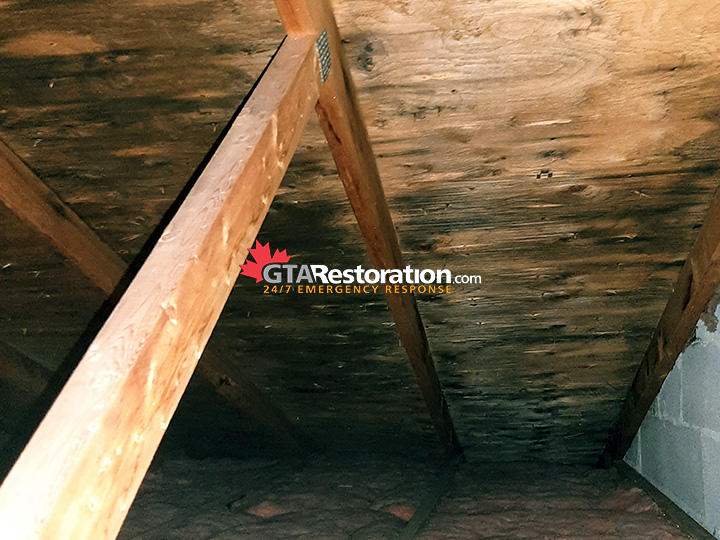
Visible mold, recurring musty odours, water damage, or ongoing moisture can signal a problem that needs attention. GTA Restoration provides professional mold removal Toronto and mold remediation services for homes, condos, rental properties, commercial buildings, and other properties throughout Toronto and the GTA.
Our team can assess visible mold, check moisture conditions, plan the cleanup, remove affected materials when needed, clean surfaces that can remain, and help correct the moisture problem that allowed mold to grow.
Most importantly, mold cleanup should address both the visible growth and the source of moisture. Otherwise, the problem can return later.
Professional Mold Inspection Toronto Services
A mold assessment starts by checking for visible growth, water stains, leaks, damp materials, condensation, and other moisture problems. In addition, moisture meters can help identify areas that need a closer look.
Testing can be useful in some situations. However, routine mold air testing is not needed for every residential project. Instead, Health Canada recommends focusing first on visible mold, moisture problems, and the size of the affected area.
Common Causes of Mold Growth in Toronto Properties
Mold needs moisture to grow. Therefore, successful cleanup also means finding and correcting the moisture source.
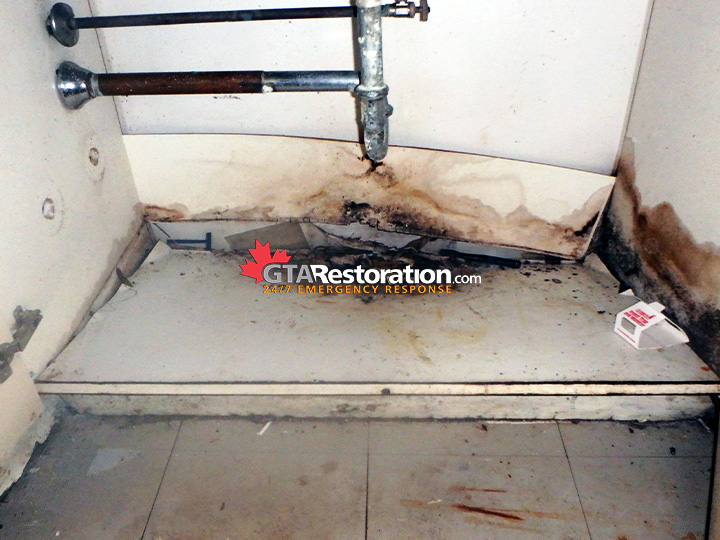
Plumbing and Appliance Leaks
Slow plumbing leaks, appliance problems, damaged supply lines, or leaking fixtures can keep building materials damp without creating obvious standing water.
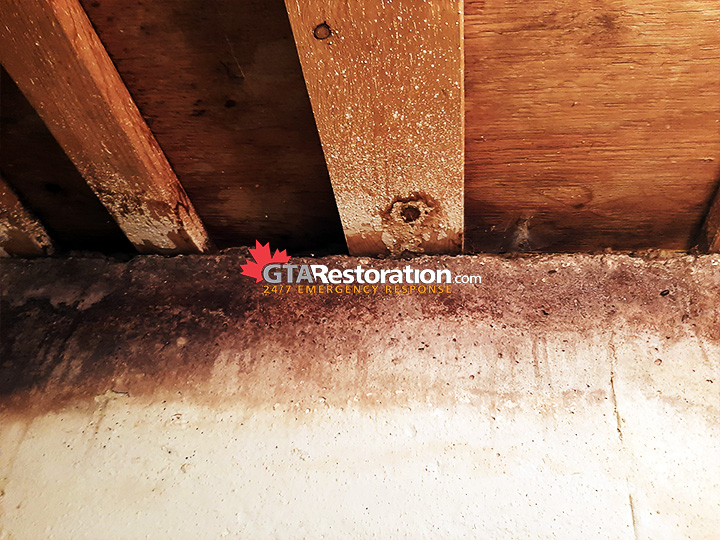
Basement Moisture and Flooding
Foundation seepage, sump pump problems, flooding, and high basement humidity can create conditions that support mold growth. For example, if your property recently flooded, visit our basement flood recovery page.
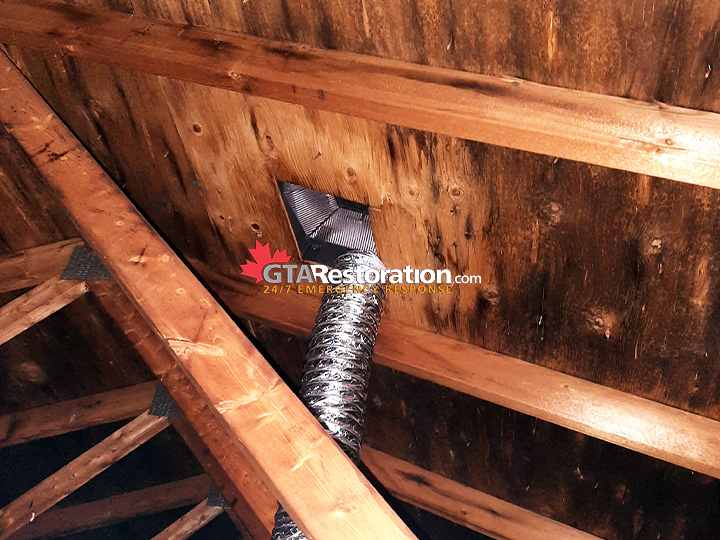
Poor Ventilation and High Humidity
Bathrooms, kitchens, laundry areas, and basements can collect excess humidity when ventilation is poor. For this reason, Health Canada recommends keeping indoor relative humidity between about 30% and 50% where practical.
Roof and Exterior Water Entry
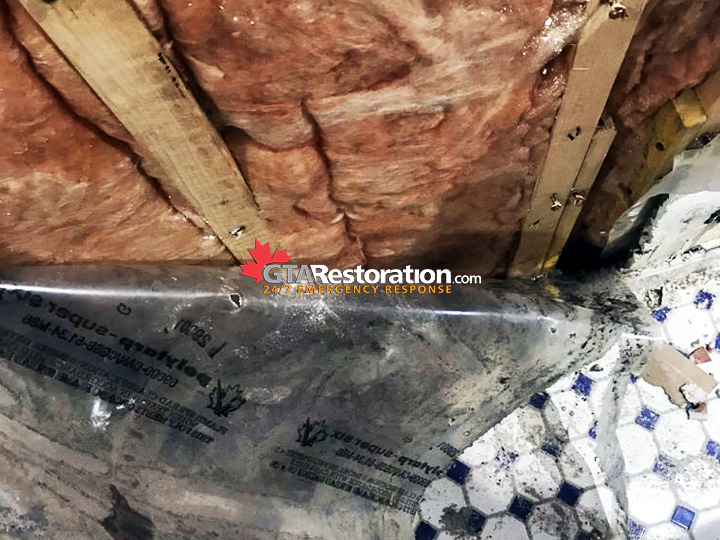
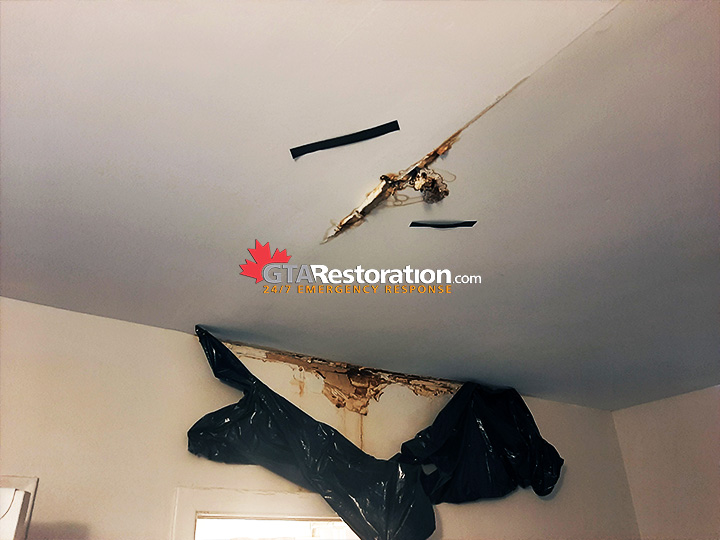
Roof leaks, damaged flashing, window leaks, or exterior water entry can also introduce moisture into walls, ceilings, and insulation. As a result, mold may appear away from the original leak.
Our Mold Removal Toronto Process
1. Mold and Moisture Assessment
First, our team reviews visible mold, affected materials, moisture conditions, and the likely source. Then, the findings help establish the right cleanup plan.
2. Containment When Required
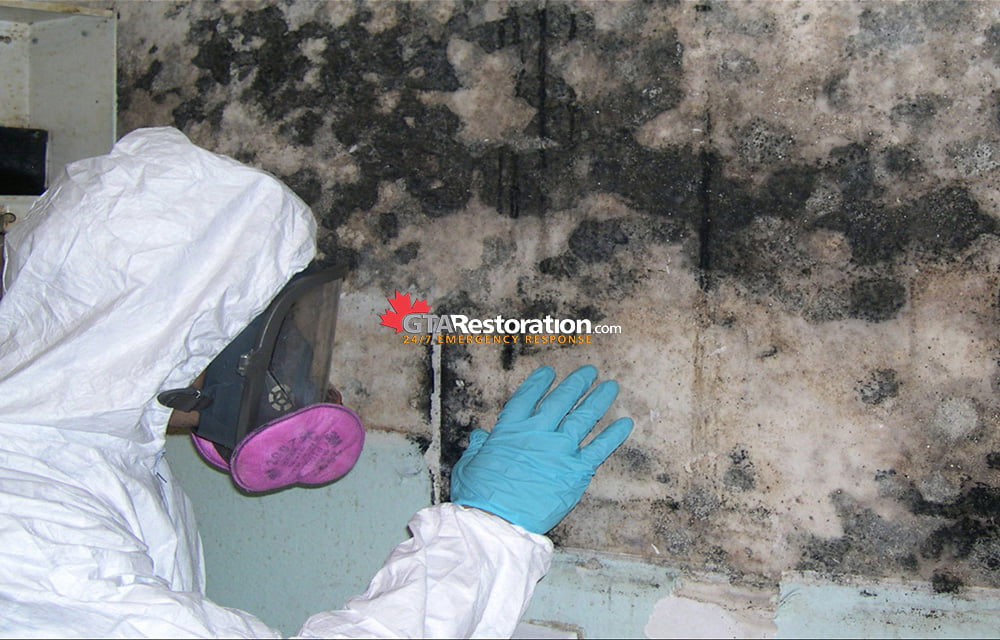
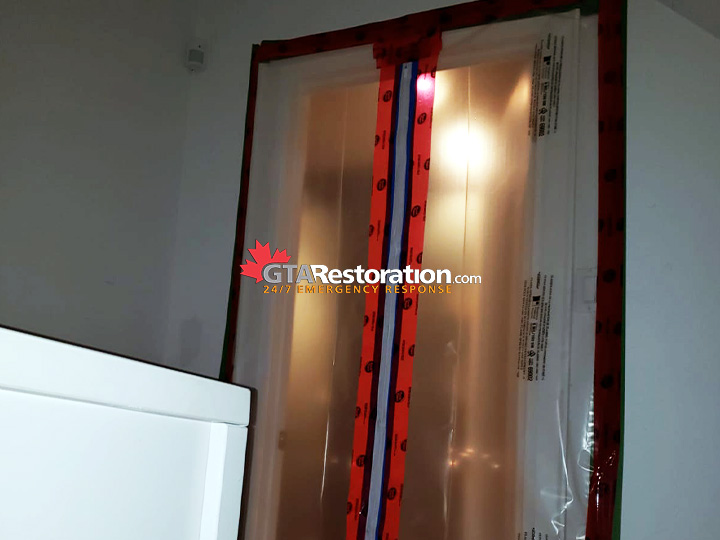
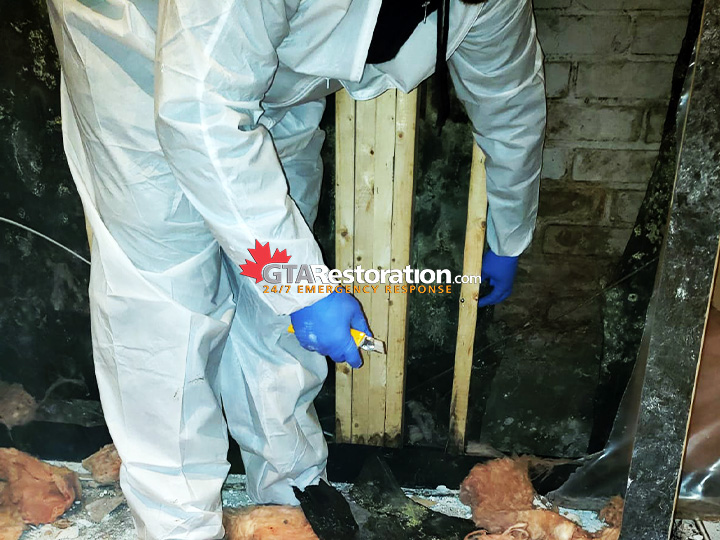
Next, containment and HEPA-filtered air control may help limit the movement of dust and mold particles during the work. However, the exact setup depends on the size and conditions of the project.
3. Remove or Clean Affected Materials
Afterward, technicians decide which materials can stay and which may need removal. For example, some washable surfaces can often be cleaned, while heavily affected porous materials may need controlled removal.
4. HEPA Cleaning and Detailed Cleanup
Once removal is complete, HEPA vacuuming and suitable surface-cleaning methods can help remove settled dust and mold from the work area.
5. Correct Moisture and Dry the Area
Finally, leaks, excess humidity, or other moisture problems should be corrected. In addition, dehumidification and drying may be needed when materials remain wet.
When Professional Mold Remediation Is Recommended
Small amounts of mold can sometimes be cleaned by a homeowner using suitable precautions. However, larger or more difficult situations deserve professional help.
Health Canada recommends qualified professional assessment and cleanup when a single mold patch is larger than 3 m². In addition, professional help can be useful when mold keeps returning, hidden growth is suspected, sewage or dirty water was involved, or flooding entered wall, ceiling, or floor cavities.
Hidden Mold Removal Toronto
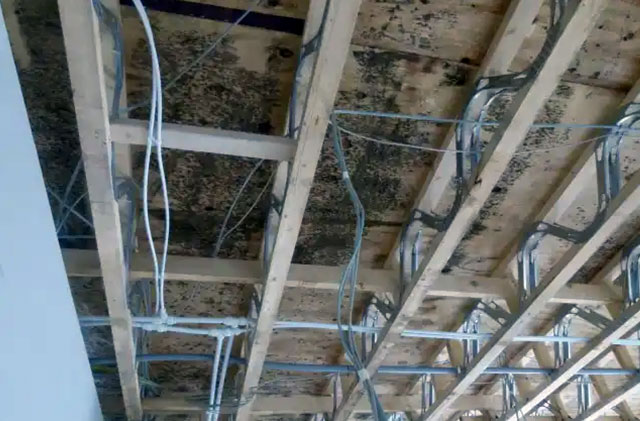
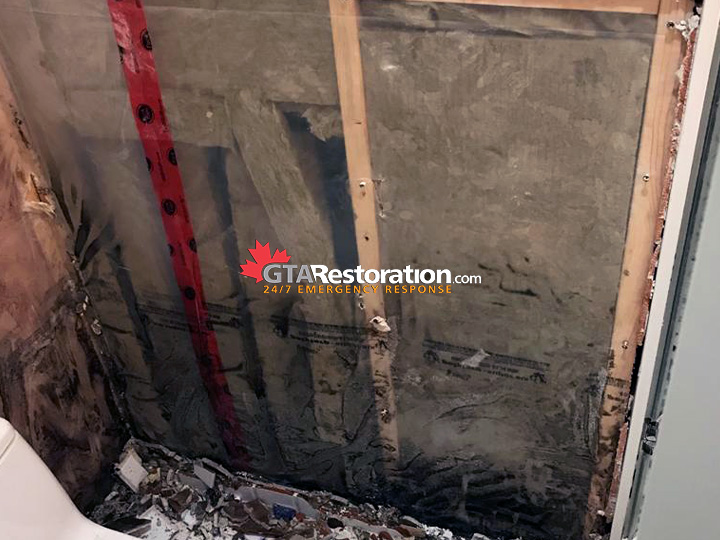
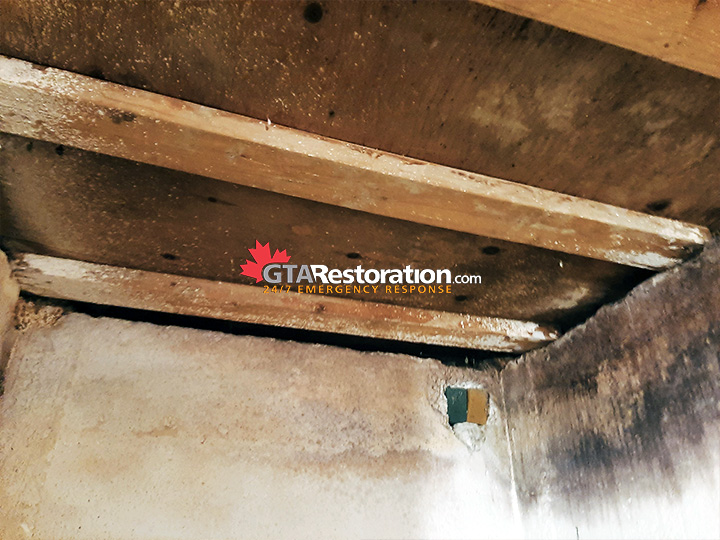
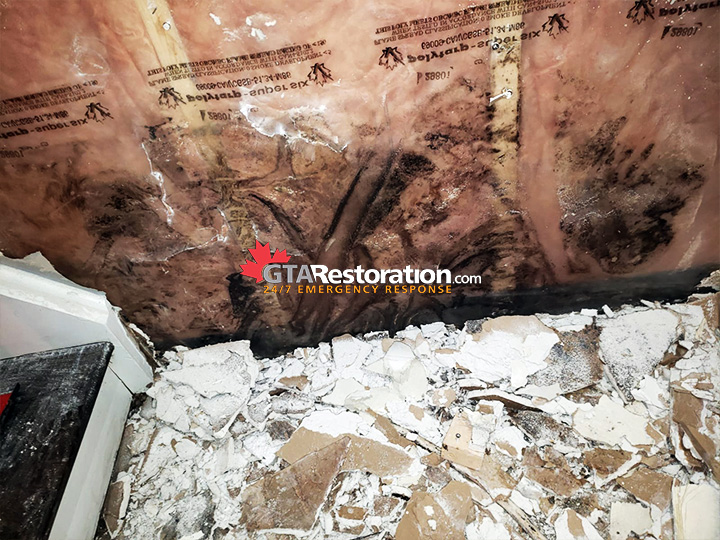
Mold does not always grow on an exposed surface. Instead, moisture can become trapped behind drywall, beneath flooring, inside ceiling spaces, around windows, or near plumbing.
For example, peeling finishes, water stains, damp materials, recurring musty odours, or a history of leaks may justify further inspection. However, a smell or stain alone does not prove hidden mold is present.
When needed, our team can check moisture conditions and determine whether selective access or further assessment makes sense.
Mold Removal After Water Damage
Water damage does not automatically mean a property needs mold remediation. However, damp materials can support mold growth when they stay wet.
Therefore, water extraction, moisture checks, structural drying, and correction of the water source are important after a leak or flood.
GTA Restoration provides mold remediation for houses, condos, rental properties, offices, retail spaces, commercial buildings, and multi-unit properties throughout Toronto and the GTA.
Commercial and multi-unit projects may need extra planning for occupants, containment, access, building operations, property management, and scheduling. Therefore, the cleanup plan should match the actual property rather than follow one fixed method.
Mold Remediation Costs in Toronto
Mold remediation costs depend on the size of the affected area, access, materials involved, containment needs, demolition, cleaning, drying, moisture correction, and repairs.
As a result, visible square footage alone may not give an accurate price. Hidden mold behind walls or flooring can require a different scope from the same amount of visible mold on an open surface.
When mold follows a water-damage event, keep photographs, invoices, restoration records, plumbing reports, and other documents related to the loss.
However, mold remediation is not automatically covered by home insurance. Coverage depends on the cause, policy wording, exclusions, deductible, limits, and the insurer’s decision.
GTA Restoration can document site conditions and work completed. Meanwhile, your insurer determines coverage under the policy.
Mold Removal Toronto FAQs
Can mold be completely eliminated from every building?
Mold spores naturally exist indoors and outdoors. Therefore, professional remediation focuses on removing abnormal mold growth, cleaning affected areas, controlling contamination, and correcting the moisture source.
Does every mold problem need air testing?
No. Routine air testing is not needed for every residential mold problem. Instead, visible conditions and moisture checks often provide the best starting point.
Can I clean a small mold area myself?
Health Canada says small and many medium areas may be cleaned using suitable precautions. However, professional help is recommended for extensive growth and more complex situations.
How large is considered extensive mold growth?
Health Canada considers a single patch larger than 3 m² extensive. Therefore, professional assessment and cleanup are recommended for an area of that size.
Will mold return after remediation?
Correcting the moisture source greatly lowers the chance of recurring growth. However, new leaks, flooding, condensation, or high humidity can create new mold problems later.
Can mold grow behind drywall?
Yes. Hidden moisture can support growth behind walls or ceilings. As a result, further investigation may be needed when signs point to a concealed moisture problem.
Does GTA Restoration provide mold remediation for businesses?
Yes. In addition to residential work, our team provides commercial mold remediation throughout Toronto and the GTA.
Need Mold Removal Toronto Service?
GTA Restoration provides mold inspection, mold remediation, moisture checks, cleaning, and restoration throughout Toronto and the GTA.
Call us if you have visible mold, recurring moisture, or a mold problem that keeps returning.
First, identify visible mold, affected materials, and the source of excess moisture. The assessment helps determine the appropriate cleanup and remediation scope.
2. Contain, Remove and Clean
Next, technicians establish appropriate controls and remove materials that cannot remain. Salvageable surfaces can then receive HEPA vacuuming and suitable cleaning methods.
3. Correct Moisture Conditions
Finally, repair leaks and control excessive humidity so materials can remain dry. Where necessary, professional drying equipment can help reduce remaining moisture.
Because every mold project is different, the exact remediation process depends on the size, location, materials, moisture source, and property conditions.
Use the slider by dragging it and see how this damaged area looked before and after GTA Restoration’s mold removal & remediation service.
Mold Inspection Before Buying a Property
Buying a home or investment property is a good time to look carefully for moisture problems. Visible mold, water stains, musty odours, previous flooding, damaged finishes, or damp building materials may justify a more detailed mold and moisture assessment.
However, routine mold air testing is not necessary for every property. A professional assessment should consider the building history, visible conditions, moisture sources, and areas that may require further investigation.
Mold and Indoor Health
Health Canada reports that dampness and mold exposure can cause eye, nose, and throat irritation and may worsen asthma symptoms in some people. People react differently, so mold appearance alone cannot diagnose the cause of a medical symptom.
If you are experiencing health symptoms, speak with a medical professional. Meanwhile, property owners should correct dampness and mold conditions in the building.
Mold Remediation for Homes and Businesses
Professional mold remediation focuses on reducing abnormal mold growth and correcting the conditions that allowed it to develop. Depending on the project, the scope may include containment, HEPA filtration, controlled material removal, surface cleaning, moisture correction, and structural drying.
Some porous materials may require removal when mold contamination extends into the material or when the material cannot be adequately cleaned. By comparison, appropriate hard surfaces may sometimes remain after detailed cleaning.
When to Consider Professional Mold Removal
Health Canada recommends professional assistance for extensive mold growth and several complex situations. For example, seek qualified help when:
A single mold patch is larger than 3 m²
Mold keeps returning after cleaning
The moisture source is unclear
Hidden contamination is suspected
Sewage or other contaminated water was involved
Floodwater entered wall, ceiling, or floor cavities
Previous cleanup attempts did not solve the problem
Residential and Commercial Mold Remediation
GTA Restoration provides mold remediation for houses, condos, rental properties, offices, retail spaces, commercial buildings, and multi-unit properties.
Each project requires a site-specific approach. Therefore, containment, equipment, demolition, cleaning, drying, access, and scheduling should reflect the actual conditions rather than a fixed one-size-fits-all process.
What Affects Mold Remediation Cost?
Cost depends on the extent of contamination, location, accessibility, affected materials, moisture conditions, containment requirements, demolition, cleaning, drying, and reconstruction.
For this reason, an on-site assessment usually provides more useful information than a generic price based only on square footage.
Preventing Mold From Returning
After remediation, keep the property dry and address new moisture problems promptly. In addition, use kitchen and bathroom exhaust fans, vent dryers outdoors, repair plumbing leaks, and maintain indoor relative humidity between approximately 30% and 50% where practical.
These steps cannot guarantee that mold will never develop again. However, controlling moisture removes the condition that mold needs for continued growth.
Mold can develop in concealed areas when moisture remains trapped. Therefore, a property may have a moisture problem even when large areas of visible mold are not present.
Behind Walls and Ceilings
Plumbing leaks, roof leaks, or water intrusion can wet drywall, insulation, and framing. Water stains, damaged finishes, or persistent musty odours may justify further investigation.
Under Flooring
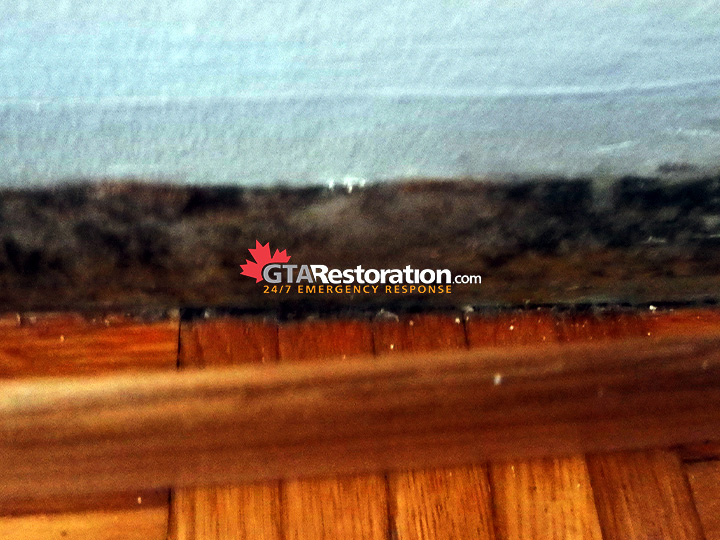
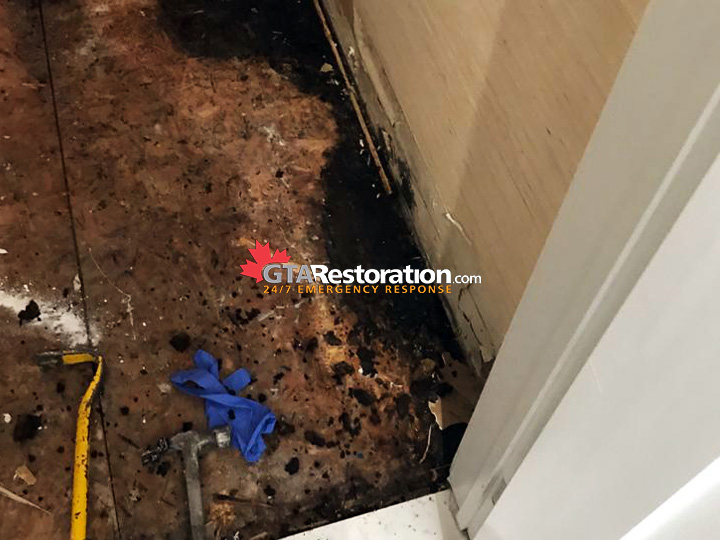
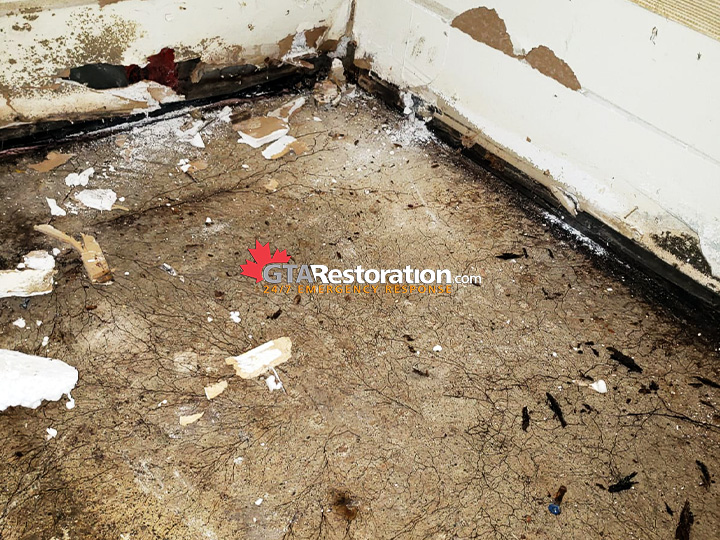
Leaks, flooding, or prolonged dampness can affect carpet, underpad, wood flooring, and subfloor materials. As a result, technicians may need to assess moisture beneath the finished surface.
Around Bathrooms, Kitchens and Plumbing
Areas around showers, tubs, sinks, toilets, supply lines, and appliances can develop moisture problems when seals or plumbing components leak.
Basements and Other Damp Areas
Foundation seepage, condensation, flooding, and high humidity make basements common areas for moisture problems. In addition, cardboard and other absorbent stored materials can become difficult to clean once damp and moldy.
Professional Mold Removal Toronto
GTA Restoration provides mold inspection, remediation, moisture investigation, cleaning, and restoration services throughout Toronto and the GTA.
Our service area includes Toronto, Mississauga, Brampton, Markham, Vaughan, Richmond Hill, Oakville, Burlington, Pickering, Ajax, Whitby, Oshawa, and surrounding GTA communities.
Have visible mold or a recurring moisture problem?
Nationwide, Local Pricing
GTA Restoration offers local flood & water damage repair, mold removal/remediation, asbestos removal/abatement, fire/smoke damage repair services and much more.