

For non-emergencies use our contact form
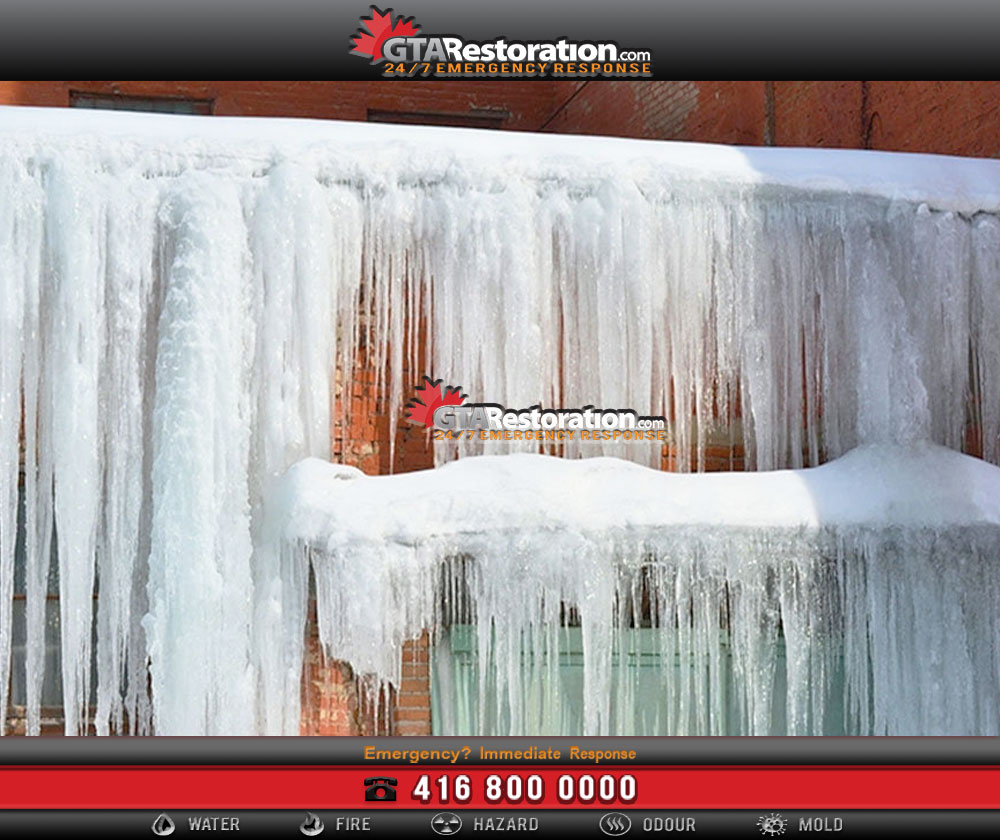
Protect Your Property: Water Mold Damage from Melting Snow
Understanding Water Mold Damage
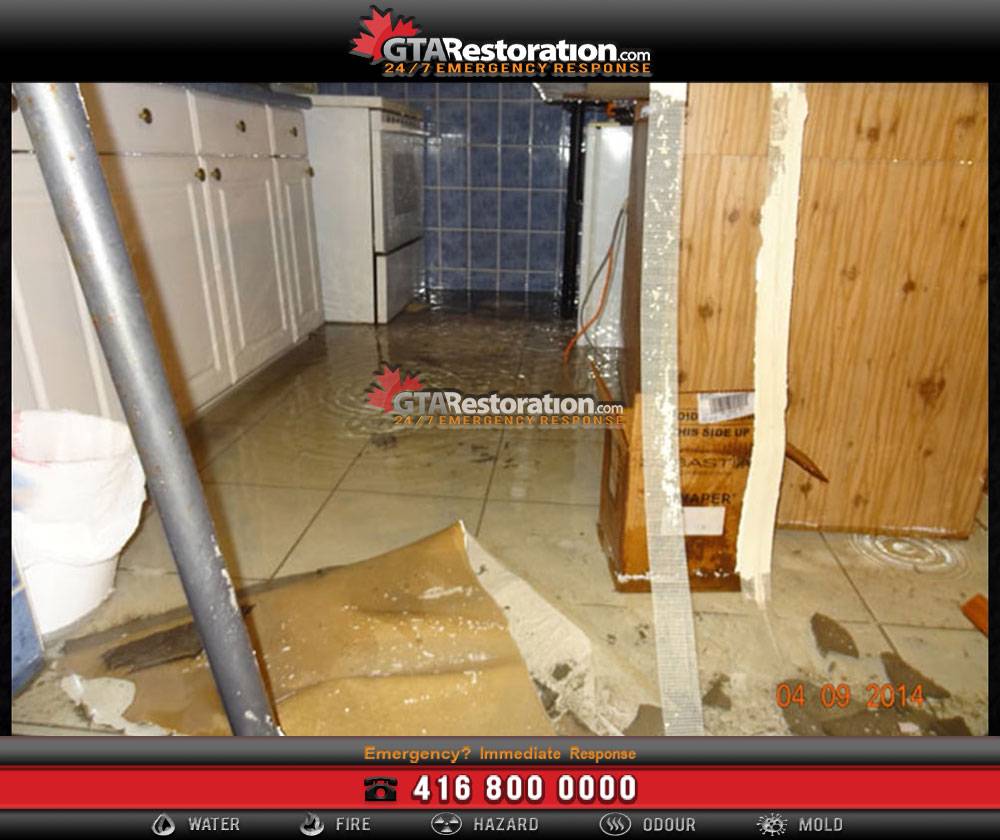
Water mold damage refers to the deterioration and harmful growth of mold within properties caused by excess moisture. One of the significant sources of this moisture can be the melting snow, particularly during the transitional season from winter to spring. As the snow accumulation begins to thaw, the resulting water can seep into homes through cracks in the foundation, faulty gutters, or improperly sealed windows and doors, creating a perfect breeding ground for mold.
When melting snow infiltrates a property, it elevates moisture levels in often overlooked areas, such as basements, attics, and crawlspaces. These humid environments can facilitate the rapid proliferation of mold spores, which are commonly present in the air and can become problematic under such conditions. Some of the frequently encountered types of mold resulting from water damage include Stachybotrys chartarum, commonly known as black mold, and various species of Aspergillus and Penicillium, which can pose significant health risks to residents.
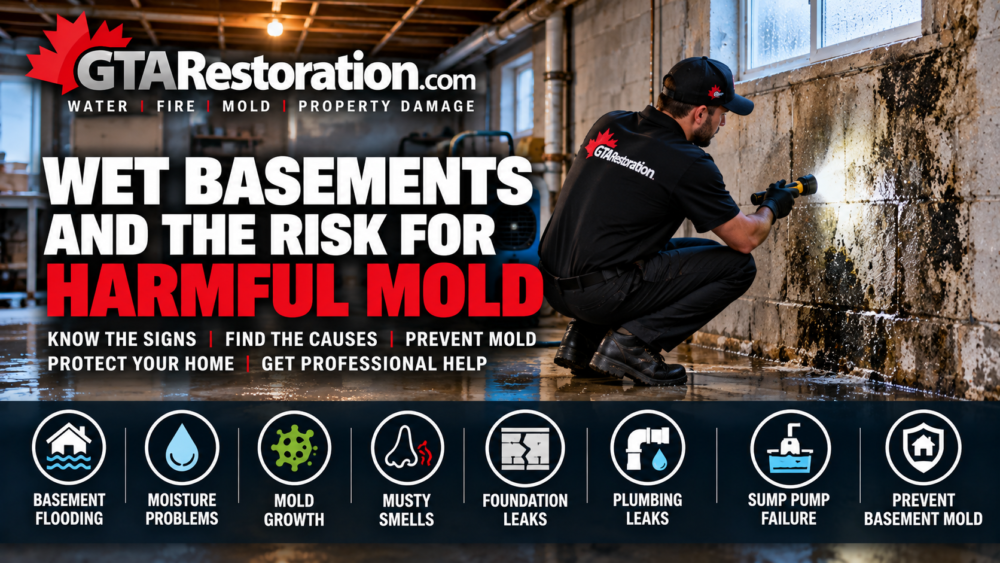
It is crucial for homeowners to be aware of the signs of water mold damage from melting snow. Indicators include visible mold growth, often appearing as black, green, or white patches on walls, ceilings, and floors. Additionally, an increase in musty odors or sudden health complications in inhabitants, including respiratory issues, allergic reactions, and skin irritations, can suggest the presence of mold. Timely detection and intervention are vital to mitigate potential health hazards and to prevent extensive property damage, underscoring the importance of understanding the nuances of water mold damage and its sources, specifically relating to lingering melting snow conditions.
Identifying the Sources of Water Damage
Understanding the sources of water damage is crucial for homeowners aiming to protect their properties from the detrimental effects of water mold damage from melting snow. The transition from winter to spring often brings rising temperatures, leading to rapid melting of accumulated snow. This melting snow can expose pre-existing vulnerabilities in a home’s structure, contributing to significant issues if not addressed promptly.
One prominent source of water damage is drainage issues. Improper drainage can cause water pooling around the foundation of the home, which increases the risk of water intrusion. Homeowners should inspect gutters and downspouts to ensure they are cleared of debris and directing water away from the house. Additionally, grading and landscape design should promote efficient runoff to prevent water from accumulating at the property’s base.
Roof leaks are another critical source. Snow accumulation combined with thawing can create ice dams, allowing water to back up under shingles and leak into the home. Regular roof inspections should be conducted, especially after heavy snowfall, to identify any potential vulnerabilities such as missing shingles or weak seals around chimneys and vents.
Inadequate insulation can also lead to issues related to melting snow. Homes without sufficient insulation in the attic or crawl spaces may experience warm air escaping, which can melt snow on the roof unevenly. This uneven melting can increase the likelihood of leaks due to accelerated runoff and the subsequent formation of ice dams. Homeowners should assess their insulation levels and consider upgrades where necessary.
Conducting thorough inspections is essential for pinpointing potential risks and damage from water mold damage from melting snow. By taking proactive measures—such as maintaining drainage systems, inspecting roofs, and enhancing insulation—homeowners can mitigate these risks before they escalate into costly repairs.
Effective Mold Remediation Strategies
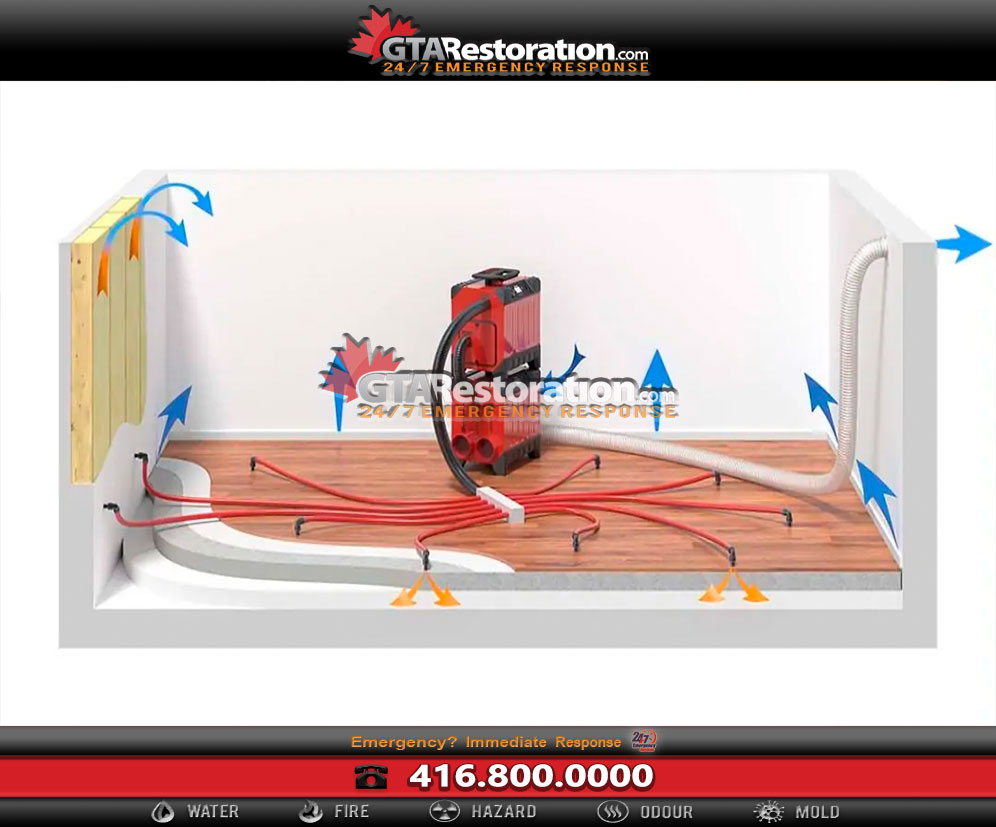
Homeowners facing the threat of water mold damage from melting snow must tackle the issue with a systematic approach to mold remediation. The initial step in managing moisture-induced mold growth involves drying out the affected areas thoroughly. This includes utilizing dehumidifiers and fans to promote airflow, ensuring that all surfaces are dried expeditiously to prevent further mold proliferation.
After the affected areas are adequately dried, the next crucial step is to remove any contaminated materials. This may involve discarding drywall, carpets, or insulation that have been compromised by water damage from melting snow. It is essential to handle these materials with care and dispose of them properly to minimize the risk of spreading mold spores to unaffected regions of the property.
For cleaning surfaces that remain, employing appropriate cleaning agents that are designed to eradicate mold spores is vital. Homeowners can use up to a solution of water and dish soap for minor mold issues or consider commercially available mold removers for more severe infestations. When using cleaning solutions, it is recommended to wear protective gear, such as gloves and a mask, to ensure personal safety.
However, DIY methods may not always suffice, especially in cases of extensive mold growth or when dealing with materials that have absorbed excessive moisture. In such scenarios, seeking professional assistance is advisable. Mold remediation specialists possess the expertise and equipment necessary to address substantial mold issues effectively, ensuring that remediation is thorough and compliant with safety standards.
Ultimately, addressing the root cause of moisture—such as improving drainage around the property or enhancing insulation—will prevent the recurrence of water mold damage from melting snow. Taking proactive measures not only protects the property but also promotes a healthier living environment for occupants.
Preventative Measures to Protect Your Home
To safeguard your property against water mold damage from melting snow, homeowners should implement a range of effective preventative measures. The first step involves proper snow removal techniques. Shoveling snow away from the foundation of your home is crucial, as accumulated snow can contribute to excess moisture during the melting process. Use a roof rake to clear snow buildup on the roof as well, preventing ice dams that can lead to leaks and subsequent mold growth inside your home.
Regular home maintenance checks are also essential in preventing water mold damage. Inspecting gutters and downspouts for clogs ensures that melting snow is directed away from your home’s foundation. Clean these systems regularly in fall and winter, and consider adding extensions to your downspouts to further improve drainage. Additionally, sealing any cracks in your home’s exterior prevents melting snow from seeping in and causing water damage.
Improving the drainage systems around your property can significantly reduce the risk of water-related issues. Ensuring that the grading of your yard slopes away from your home’s foundation is vital. In areas prone to pooling water, installing French drains or dry wells can help direct excess moisture away, mitigating potential risks posed by melting snow.
Finally, investing in waterproofing solutions offers an additional layer of protection. Applying sealants to your foundation walls and basement can prevent water penetration. If you live in a high-risk area for water mold damage from melting snow, consider consulting with professionals about implementing advanced waterproofing methods to safeguard against potential future issues.
By taking these proactive steps, homeowners can effectively protect their properties from the threats of water mold damage, maintaining a dry and healthy living environment throughout the winter months.
Water Mold Damage from Melting Snow Emergency?
Call GTA Restoration Today!
Learn more ↴










You must be logged in to post a comment.