How long does mold remediation take? The answer depends on the size of the affected area, moisture conditions, materials, accessibility, containment needs, drying requirements, and repairs. Understanding the mold remediation timeline helps homeowners, landlords, property managers, and business owners plan the work more realistically.
Some contained mold projects take only several days. However, larger or more complicated projects often take a week or longer, especially when technicians discover hidden moisture, extensive material damage, multiple affected rooms, or reconstruction needs.
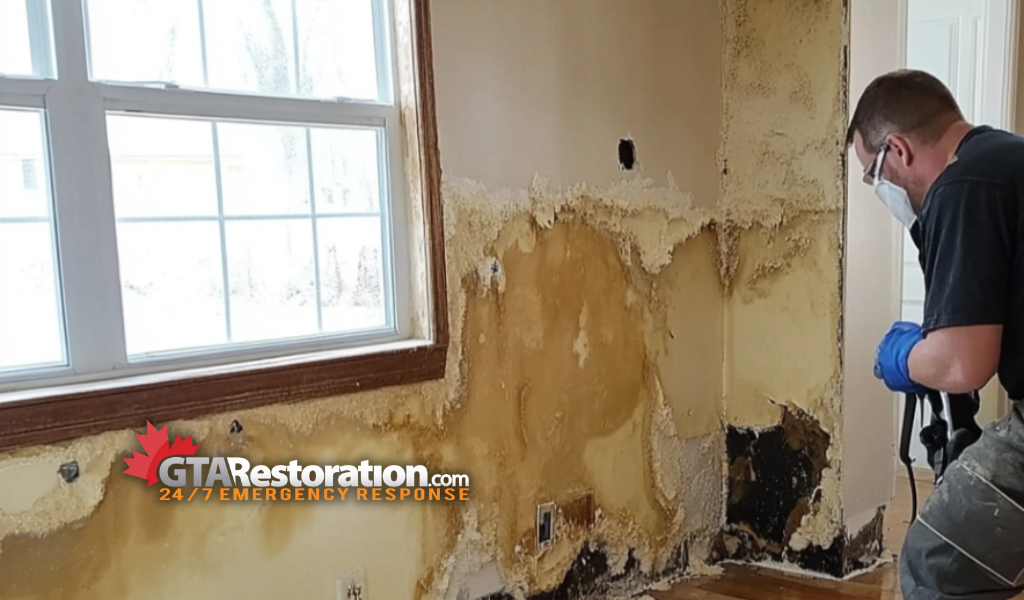
Mold Remediation Timeline: Key Takeaways
- Project size and location directly affect the schedule.
- Hidden mold or moisture can increase project time.
- Containment and air filtration may add preparation time.
- Porous materials sometimes require removal instead of cleaning.
- Crews must correct the moisture source to help prevent recurring growth.
- Structural drying can affect when repairs begin.
- Some projects include independent post-remediation verification.
- Reconstruction usually follows mold cleanup.
What Affects the Mold Remediation Timeline?
No single schedule works for every mold project. For example, a small visible area caused by a repaired plumbing leak differs greatly from widespread growth caused by prolonged water intrusion.
Several conditions determine how quickly technicians can complete the work. Therefore, an on-site assessment gives the most useful timeline estimate.
Size of the Affected Area
The amount of visible and hidden mold plays a major role in project duration. A localized problem may need limited containment, while widespread growth can involve several rooms or building assemblies.
In addition, Health Canada considers a single mold patch larger than 3 m² a large area and recommends professional assessment and cleanup for extensive mold growth.
Location of Mold Growth
Technicians can usually address accessible surfaces faster than concealed areas. By comparison, wall cavities, ceilings, attics, crawlspaces, and flooring systems often require additional work.
Consequently, opening finished surfaces to reach concealed contamination can extend the mold remediation timeline.
Materials Affected by Mold
Different building materials require different approaches. For instance, crews can sometimes clean suitable hard surfaces, while heavily affected porous materials may require removal.
Meanwhile, drywall, insulation, carpet underlay, and ceiling tiles can retain moisture differently from concrete, metal, and other less porous materials.
Existing Moisture Conditions
A successful project must address moisture as well as mold. Plumbing leaks, roof leaks, foundation water intrusion, condensation, flooding, and excessive humidity can all support recurring growth.
For this reason, Health Canada recommends correcting moisture problems promptly. Its guide to moisture and mould provides additional information for property owners.
Access to the Work Area
Good access helps crews work efficiently. However, tight crawlspaces, high ceilings, finished cavities, built-in cabinetry, occupied commercial areas, and multi-unit buildings can complicate remediation.
As a result, restricted access may slow containment setup, equipment placement, cleaning, and material removal.
Mold Remediation Timeline Step by Step
The mold remediation timeline normally includes several stages. Although every property differs, crews generally follow a controlled sequence.
Step 1: Inspect Mold & Moisture
First, technicians check visible mold, moisture conditions, affected materials, and the likely source of the problem.
Next, moisture meters help crews investigate suspicious areas. Thermal imaging can also reveal temperature patterns that deserve further investigation. However, thermal cameras do not directly measure moisture, so technicians confirm suspicious locations with appropriate moisture-testing equipment.
Step 2: Fix the Moisture Problem
After the inspection, the appropriate contractor addresses the source of moisture. Depending on the cause, the solution may involve plumbing repair, roof repair, drainage correction, ventilation improvements, or humidity control.
Otherwise, an unresolved moisture source can increase the chance of recurring mold growth.
Step 3: Create Containment
Containment separates the work area from unaffected spaces. Depending on the project, crews may install polyethylene barriers, controlled entry points, and HEPA-filtered air equipment.
For larger projects, negative-pressure methods can also help control airborne particles inside the work zone.
Step 4: Remove Contaminated Materials
Technicians remove materials they cannot appropriately clean or restore. The amount of removal varies considerably between properties.
For example, limited drywall removal may progress quickly. In contrast, contaminated insulation, flooring, cabinetry, wall cavities, or multiple rooms usually require more time.
Step 5: Clean the Work Area
Once removal ends, crews clean remaining surfaces and the contained area. They select methods according to the materials and conditions they find.
In addition, HEPA vacuuming and controlled wiping may form part of the cleanup. Simply spraying or painting over visible mold does not correct contamination or solve the moisture problem.
Step 6: Control Remaining Moisture
Damp materials may need structural drying before work continues. When necessary, technicians can use dehumidifiers and air-moving equipment to control moisture.
Meanwhile, material type, temperature, humidity, airflow, moisture content, and the original water source all influence drying time.
Step 7: Check the Remediated Area
After cleanup, crews inspect the work area and check moisture conditions. They also confirm that the project meets the required scope before repairs start.
Depending on the project, an independent professional may perform post-remediation verification or air testing. However, routine air testing does not apply to every residential mold project.
Step 8: Start Reconstruction
Finally, repairs can follow remediation, drying, and any necessary verification. Reconstruction may include drywall, insulation, flooring, trim, ceilings, cabinetry, or finishes.
Even after crews finish mold cleanup, this phase can add several days or longer to the overall schedule.
Typical Mold Remediation Timeline by Project Size
No single timeline applies to every property. Still, broad planning ranges can help owners understand the possible duration.
Small Contained Mold Projects
A small, accessible project with a corrected moisture source may take approximately one to several working days for containment, removal, cleaning, and completion.
However, extra drying or reconstruction can increase the total project time.
Medium Mold Remediation Projects
Several affected areas, wall cavities, flooring, insulation, or extensive containment may increase the schedule to several days or a week or longer.
In addition, unexpected damage discovered during removal can add more time.
Large or Complex Mold Projects
Extensive contamination across multiple rooms, commercial spaces, multi-unit buildings, attics, or crawlspaces can take one to several weeks when the schedule includes remediation, drying, verification, and reconstruction.
Therefore, these figures provide planning ranges rather than guarantees. An on-site assessment gives property owners a more accurate estimate.
Mold Remediation Timeline After Water Damage
Water damage can extend the mold remediation timeline because crews may need to complete both water mitigation and mold cleanup.
When materials remain wet, technicians may first stop the source, extract water, remove damaged materials, and begin structural drying.
Reach Drying Goals Before Repairs
Moisture readings help technicians decide when materials have reached appropriate drying goals. Therefore, visual appearance alone cannot confirm that concealed materials are sufficiently dry.
When mold already exists, crews coordinate drying with containment and remediation procedures to control contamination.
Hidden Moisture May Add Time
Water can travel beneath flooring, behind walls, into insulation, and through ceiling assemblies. Consequently, visible mold may represent only part of the problem.
As a result, finding concealed moisture or additional contamination can increase the project scope after work starts.
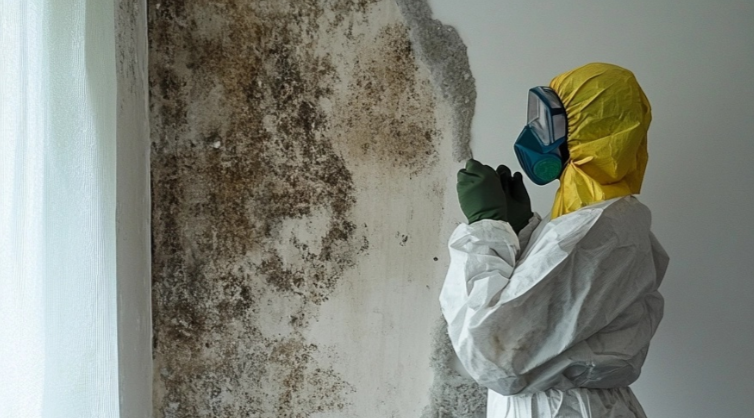
Building Type & the Mold Remediation Timeline
Property type can also influence project duration. In particular, access, occupancy, shared systems, and the number of affected areas all matter.
Residential Homes
Single-family homes may provide straightforward access to affected rooms. Nevertheless, attics, basements, crawlspaces, and finished wall cavities can complicate the work.
Condos & Multi-Unit Buildings
Condominiums and apartments may involve shared plumbing, common walls, neighbouring units, management requirements, and access restrictions.
Therefore, coordination with property management can increase the overall schedule.
Commercial Properties
Commercial remediation may need to accommodate operating hours, occupants, equipment, larger building systems, or several work areas.
For this reason, crews sometimes divide commercial remediation into phases to limit disruption.
Common Mold Remediation Timeline Delays
Unexpected conditions can change the schedule after work starts. Although careful inspection reduces surprises, technicians cannot always identify concealed problems until they open affected assemblies.
Hidden Mold Behind Walls or Floors
Opening walls, ceilings, or flooring can reveal contamination beyond the original visible area. Consequently, additional growth increases removal and cleaning requirements.
Active Water Leaks
An unresolved leak can interrupt progress. Therefore, plumbing, roofing, or another trade may need to correct the source before crews continue drying and remediation.
Extra Structural Drying
Framing, subflooring, concrete, and other wet materials sometimes need additional drying time. Meanwhile, technicians use moisture readings to track progress.
Building Access & Coordination
Condo approvals, tenant schedules, commercial operating hours, elevator access, and restricted work areas can affect production time.
Independent Verification
Some projects include third-party verification. As a result, coordinating that inspection and receiving any required results may add time before reconstruction starts.
How to Keep the Mold Remediation Timeline Moving
Crews should never sacrifice proper remediation simply to finish faster. However, good preparation can prevent avoidable delays.
Repair Water Problems Early
Address active leaks and excessive moisture as soon as practical. Otherwise, waiting for source repairs can delay later stages of remediation.
Clear the Work Area
When appropriate, remove unnecessary contents from nearby spaces. In addition, providing access before technicians arrive can improve workflow.
Confirm Project Decisions Promptly
Clear communication between the property owner, restoration company, consultant, property manager, and insurer can reduce scheduling problems.
Respond to New Findings
Additional mold or wet materials can change the original scope. Therefore, reviewing new findings promptly helps keep the project moving.
Insurance & the Mold Remediation Timeline
Insurance can influence scheduling, but every policy handles mold and water damage differently. Consequently, policy terms and the cause of loss determine coverage.
For example, an insurer may treat mold following a sudden water event differently from growth related to long-term leakage, humidity, maintenance problems, or gradual deterioration.
Ask Your Insurer About Coverage
Contact your insurer or broker to discuss your specific policy. Limits, exclusions, deductibles, endorsements, and the cause of moisture can all affect the coverage decision.
Even so, project documentation can support a claim, but it cannot guarantee approval or reimbursement.
Keep Project Records Organized
Save photographs, moisture readings, reports, estimates, invoices, and remediation records. As a result, good documentation creates a clearer record of site conditions and completed work.
How to Confirm Mold Remediation Is Complete
Removing visible growth alone does not complete the job. Instead, effective remediation also addresses contaminated materials and the underlying moisture source.
Inspect the Work Area
Crews should leave the remediation area visibly clean and free from unresolved moisture, excessive dust, debris, and visible mold growth.
Check Moisture Levels
Before reconstruction, technicians should evaluate materials that remain in place. Appropriate moisture readings help determine when repairs can move forward.
Consider Third-Party Verification
An independent environmental professional may perform post-remediation verification on some projects. Ultimately, project scope, consultant requirements, building type, or other circumstances determine whether this step makes sense.
Mold Remediation Timeline: Final Summary
The mold remediation timeline depends on more than the visible amount of mold. Moisture conditions, affected materials, access, containment, drying, hidden contamination, verification, and reconstruction can all change the schedule.
Smaller contained projects may take several days. By comparison, extensive remediation can take considerably longer, particularly when crews uncover additional moisture or damage.
Most importantly, effective remediation addresses both mold and its moisture source. Therefore, correcting the underlying problem helps reduce the chance of recurring growth.
Mold Remediation Timeline: Frequently Asked Questions
How long does mold remediation usually take?
Many contained projects take several days. However, larger or more complex jobs can take a week or longer, especially when drying, difficult access, verification, or reconstruction adds time.
Can a mold project finish in one day?
Very small projects may require limited working time. In many cases, however, containment, cleaning, drying, and other project requirements extend the work beyond one day.
What causes mold remediation delays?
Several conditions can slow the project, including hidden contamination, active leaks, extensive material removal, difficult access, structural drying, multiple affected rooms, and verification.
Will mold testing extend the schedule?
Testing can add time when the project includes sampling or independent verification. In addition, laboratory turnaround and inspection scheduling may affect the completion date.
Does every mold project need demolition?
No. Instead, technicians consider material type, condition, moisture, extent of growth, and cleanability before choosing removal or cleaning methods.
When can reconstruction start?
Repairs can begin after crews finish remediation and achieve appropriate drying goals. When independent verification forms part of the project, complete that step before covering affected assemblies.
Can mold return after remediation?
Yes. If moisture returns, new mold growth can develop; therefore, correcting the source remains an important part of long-term mold control.
Need Professional Mold Remediation?
GTA Restoration provides mold inspection, containment, removal, cleaning, moisture control, and remediation throughout Toronto and the GTA.
Call GTA Restoration at 416-800-0000.
Learn More ↴
Water Damage Restoration




 Facebook
  Instagram
  LinkedIn
  X / Twitter
  YouTube