Emergency Roofing Vancouver | Roof Leak & Storm Repair
Emergency Roofing in Vancouver
GTA Restoration provides emergency roofing Vancouver support for urgent roof leaks, storm damage, damaged roofing materials, and water entering homes or commercial properties. When a roof is compromised, the first priority is to protect people and limit additional damage until the affected area can be inspected safely.
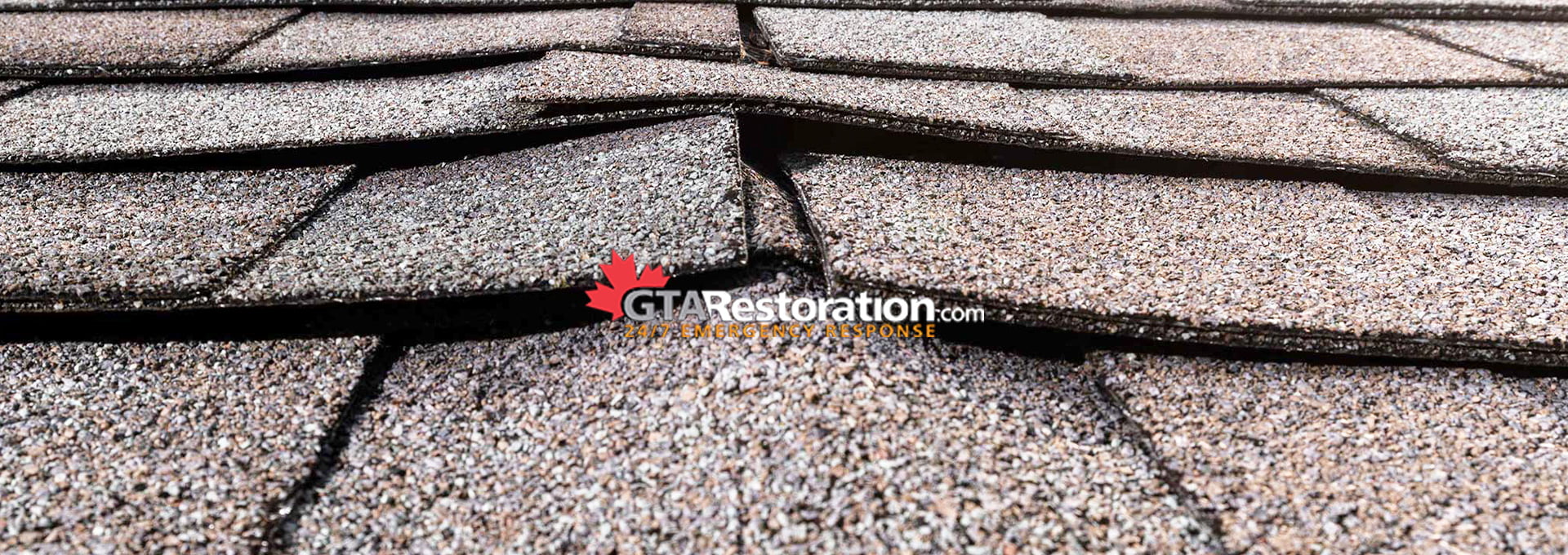
What Is a Roofing Emergency?
Not every roofing problem requires emergency work. However, immediate attention may be appropriate when water is actively entering the building or when roof damage creates a safety or property-damage risk.
Common roofing emergencies include:
- Active roof leaks during heavy rain
- Missing or damaged shingles or roofing materials
- Storm or wind damage
- Fallen branches or debris striking the roof
- Damaged flashing around vents, chimneys, or roof penetrations
- Open roof sections that allow water inside
- Water entering ceilings, walls, or attic spaces
- Visible sagging or suspected structural damage
If part of the roof or ceiling appears unstable, keep people away from the affected area and arrange a professional assessment.
What to Do During an Active Roof Leak
During an active roofing emergency, personal safety comes first. For example, do not climb onto a wet, icy, damaged, or storm-exposed roof to search for the leak.
Instead:
- Keep people away from sagging ceilings or damaged areas.
- Move furniture and valuables away from incoming water when it is safe to do so.
- Place containers beneath minor drips if there is no electrical hazard.
- Do not touch wet electrical fixtures, outlets, or wiring.
- Photograph visible damage when it is safe.
- Contact an emergency roofing professional for an assessment.
In addition, the City of Vancouver provides emergency preparedness guidance for residents and businesses dealing with hazards and unexpected emergencies.
Emergency Roof Inspection
An emergency inspection focuses first on identifying the damaged area and determining whether temporary protection is appropriate. However, the place where water appears inside a building may not be directly beneath the exterior entry point.
Water can travel along roof decking, framing, insulation, pipes, and other building materials before becoming visible. Therefore, technicians may need to inspect both the roof system and affected interior areas.
Common Areas We Check
- Shingles and other roofing materials
- Roof edges and valleys
- Flashing
- Vents and penetrations
- Skylight areas
- Roof drainage and gutters
- Attic spaces
- Interior ceilings and walls
Temporary Roof Protection
Some roofing emergencies require temporary protection before permanent repairs can begin. For example, severe weather may prevent safe access or make permanent work impractical at that moment.
Depending on the conditions, a qualified contractor may use temporary coverings or other protective measures to reduce further water entry. These measures are temporary and do not replace proper roof repair.
Once conditions are safe, the damaged area should receive a more complete inspection so the appropriate permanent repair can be planned.
Common Causes of Emergency Roof Leaks
Storm and Wind Damage
Strong winds can loosen or remove roofing materials and damage flashing. As a result, rain may enter areas that were previously protected.
Damaged or Missing Roofing Materials
Age, weather exposure, impact damage, and previous repairs can leave sections of a roof vulnerable to moisture intrusion.
Flashing Problems
Flashing helps protect joints and penetrations around vents, walls, chimneys, skylights, and other roof features. When these areas fail, water may enter the roofing system.
Drainage and Gutter Problems
Leaves, debris, ice, or damaged drainage components can interfere with water movement. Consequently, water may collect or overflow into vulnerable areas.
Falling Debris
Branches and other debris can damage shingles, membranes, flashing, or roof decking during storms.
Temporary Repair vs. Permanent Roof Repair
An emergency repair may focus on controlling immediate water entry. A permanent repair addresses the underlying roofing problem.
For instance, temporary protection may help reduce water entry after storm damage. Later, permanent work could involve replacing damaged roofing materials, repairing flashing, correcting drainage problems, or repairing other affected components.
The appropriate solution depends on the roof type, extent of damage, weather conditions, and accessibility.
Roof Leaks and Interior Water Damage
Stopping the roof leak is only part of the response when water has already entered the building. Afterward, wet ceilings, insulation, walls, flooring, and other materials may require moisture assessment and drying.
Visible staining alone does not show the full extent of moisture. Therefore, moisture readings can help determine whether materials around the affected area remain wet.
Learn more about our specialty drying services and water damage restoration services.
Emergency Roofing for Homes, Condos and Commercial Properties
Roofing emergencies can affect houses, apartment buildings, condos, offices, retail properties, and other commercial buildings.
In multi-unit properties, water may travel beyond the original roof opening before becoming visible. For this reason, the inspection may need to include neighbouring units, common areas, ceilings, mechanical spaces, or other affected sections of the building.
Insurance Documentation After Roof Damage
If storm or accidental damage may involve an insurance claim, take clear photographs and keep records of emergency work when it is safe to do so.
However, insurance coverage depends on the individual policy, cause of loss, exclusions, limits, and deductible. The insurer or adjuster makes the final coverage decision.
How to Reduce the Risk of Future Roof Emergencies
Regular maintenance cannot prevent every roofing emergency. Still, it can help identify deterioration before it becomes more serious.
- Check for damaged or missing roofing materials.
- Keep gutters and drainage paths clear.
- Inspect flashing and roof penetrations.
- Trim branches that could strike the roof.
- Investigate recurring ceiling stains or moisture.
- Arrange professional inspection when damage is suspected.
Emergency Roofing Vancouver FAQs
Should I climb onto the roof to cover a leak?
No. Avoid climbing onto a wet, icy, storm-damaged, or unstable roof. Instead, keep the affected area below clear and arrange professional help.
Can you repair a roof during heavy rain or a storm?
It depends on the conditions and the type of damage. Worker and occupant safety comes first. Therefore, temporary protection may sometimes be used until permanent work can be completed safely.
Does the ceiling stain show exactly where the roof is leaking?
Not necessarily. Water can travel through the roof assembly and building materials before appearing inside. As a result, the exterior entry point may be some distance from the visible stain.
Do wet ceilings and walls need drying after a roof leak?
Sometimes. If water entered building materials, moisture readings can help determine whether drying or removal is required after the source has been controlled.
Can roof damage be covered by insurance?
Some policies may cover certain sudden or accidental losses, while maintenance-related or excluded damage may not qualify. Ultimately, your insurer determines coverage under the specific policy.
Need Emergency Roofing Service in Vancouver?
GTA Restoration provides emergency roof leak response, temporary protection, moisture assessment, drying, and property restoration support in Vancouver.
Roofing Emergency in Toronto | 4 Common Roofing Emergency Questions | How to Stop Ceiling Leak Damage Fast | Vancouver Water Damage | Water Damage Vancouver For non-emergencies use our contact form
Emergency Roof Leak Support in Vancouver
A damaged roof can allow water into ceilings, walls, insulation, and other building materials. GTA Restoration provides emergency roofing support for residential and commercial properties in Vancouver.
Urgent Roof Leak Assessment
Our team can assess visible roof damage, water entry, and affected interior areas. Because water can travel through the roof assembly, the visible ceiling stain may not identify the exact exterior entry point.
Temporary Protection
When weather or site conditions prevent permanent repairs, temporary protection may help reduce additional water entry. However, temporary measures should be followed by appropriate permanent repairs once conditions allow.
Common Roofing Emergencies
- Active roof leaks
- Wind and storm damage
- Missing roofing materials
- Damaged flashing
- Fallen branches or debris
- Water entering ceilings or walls
Water Damage After a Roof Leak
If water has already entered the property, drying may be necessary after the roof problem is controlled. Therefore, affected ceilings, walls, insulation, and flooring should be assessed for remaining moisture.
Residential and Commercial Properties
Emergency roof problems can affect homes, condos, rental buildings, offices, and commercial properties. The appropriate response depends on the roof system, damage, weather, and building conditions.
Service Areas Across Canada
GTA Restoration serves communities across Canada, including Toronto and the GTA. U.S. locations are opening. Browse our Canadian service areas below, and contact us to confirm services and availability for your address.
Search
- Air Duct Cleaning Montreal
- Ajax Asbestos Removal
- Ajax Mold Removal
- Ajax Water Damage
- Asbestos Removal Calgary
- Asbestos Removal Edmonton
- Asbestos Removal Fort Saskatchewan
- Asbestos Removal Gloucester
- Asbestos Removal Grimsby
- Asbestos Removal Hamilton
- Asbestos Removal Kanata
- Asbestos Removal Kitchener
- Asbestos Removal Laval
- Asbestos Removal Lincoln
- Asbestos Removal Montreal
- Asbestos Removal Nepean
- Asbestos Removal Niagara Falls
- Asbestos Removal Orleans
- Asbestos Removal Ottawa
- Asbestos Removal Sherwood Park
- Asbestos Removal Spruce Grove
- Asbestos Removal St Catharines
- Asbestos Removal St-Albert
- Asbestos Removal Thorold
- Asbestos Testing Hamilton
- Asbestos Testing Montreal
- Asbestos Testing Petersburg
- Aurora Mold Removal
- Aurora Water Damage
- Beaconsfield Asbestos Removal
- Brampton Asbestos Removal
- Brampton Mold Removal
- Brampton Water Damage
- Burlington Asbestos Removal
- Burlington Mold Removal
- Burlington Water Damage
- Burst Pipe Montreal Frozen Pipe
- Burst Pipe Repair Edmonton
- Burst Pipe Repair Ottawa
- Caledon Mold Removal
- Caledon Water Damage
- Calgary Mold Removal
- Calgary Water Damage
- Cambridge Mold Removal
- Cambridge Water Damage
- Clarington Mold Removal
- Concord Mold Removal
- Concord Water Damage
- Cooksville Mold Removal
- Edmonton Water Damage
- Emergency Roofing Vancouver
- Etobicoke Asbestos Removal
- Etobicoke Mold Removal
- Etobicoke Water Damage
- Fire Damage Grimsby
- Fire Damage Lincoln
- Fire Damage Niagara Falls
- Fire Restoration Fort McMurray
- Fire Damage Restoration Thorold
- Fire Damage St Catharines
- Flood Cleanup Grimsby
- Flood Cleanup Lincoln
- Flood Cleanup Niagara Falls
- Flood Cleanup St Catharines
- Flood Cleanup Thorold
- London Mold Removal
- London Water Damage
- Markham Asbestos Removal
- Markham Mold Removal
- Markham Water Damage
- Mississauga Asbestos Testing
- Mississauga Mold Removal
- Mississauga Water Damage
- Mold Inspection Removal Kitchener
- Mold Remediation Montreal
- Mold Removal & Inspection LaSalle
- Mold Removal Anjou
- Mold Removal Boucherville
- Mold Removal Brossard
- Mold Removal Burnaby
- Mold Removal Chambly
- Mold Removal Chateauguay
- Mold Removal Chomedey
- Mold Removal Coquitlam
- Mold Removal Dollard Des Ormeaux
- Mold Removal Dorval
- Mold Removal Edmonton
- Mold Removal Fort Saskatchewan
- Mold Removal Gloucester
- Mold Removal Grimsby
- Mold Removal Hamilton Inspection
- Mold Removal Ile Bizard
- Mold Removal in Osgoode
- Mold Removal Beaconsfield
- Mold Removal Kahnawake
- Mold Removal Kanata
- Mold Removal Kirkland
- Mold Removal Laval
- Mold Removal Lincoln
- Mold Removal Longueuil
- Mold Removal Montreal East
- Mold Removal Mount Royal
- Mold Removal Nepean
- Mold Removal New Westminster
- Mold Removal Niagara Falls
- Mold Removal Orleans
- Mold Removal Ottawa
- Mold Removal Cumberland
- Mold Remediation Hampstead
- Mold Removal Remediation Roxboro
- Mold Removal Richmond BC
- Mold Removal Rideau Lakes
- Mold Removal Rockcliffe Park
- Mold Removal Saint Hubert
- Mold Removal Saint Laurent
- Mold Removal Sherwood Park
- Mold Removal Spruce Grove
- Mold Removal St Catharines
- Mold Removal Ste Dorothee
- Mold Removal St۔ Albert
- Mold Removal Surrey
- Mold Removal Thorold
- Mold Removal Vancouver
- Mold Removal Vanier
- Mold Removal Westmount
- Montreal Biohazard Cleanup
- Montreal Emergency Plumber
- Montreal Fire Restoration
- Montreal Flood Cleanup
- Montreal Odor Removal
- Montreal Roofing Emergency
- Montreal Sewer Backup Cleanup
- Montreal Water Leak Detection
- Montréal Asbestos Removal
- Montréal Emergency Plumbing
- Montréal Mold Removal
- Montréal Pipe Burst Emergency
- Montréal Water Damage
- Newmarket Mold Removal
- Newmarket Water Damage
- North York Mold Removal
- Oakville Mold Removal
- Oakville Water Damage
- Oshawa Mold Removal
- Oshawa Water Damage
- Ottawa Air Duct Cleaning
- Pickering Mold Removal
- Pickering Water Damage
- Red Deer Water Damage
- RedDeer Mold Removal
- Richmond Hill Mold Removal
- Richmond Hill Water Damage
- Roof Repair Lincoln
- Roof Repair Niagara Falls
- Roof Repair St Catharines
- Scarborough Asbestos Removal
- Scarborough Mold Removal
- Scarborough Water Damage
- Sewage Cleanup Edmonton
- Sewer Backup Lincoln
- Sewer Backup Niagara Falls
- Sewer Backup Ottawa
- Sewer Backup St Catharines
- Thornhill Mold Removal
- Toronto & GTA Asbestos Removal
- Toronto & GTA Mold Removal
- Toronto Air Duct Cleaning
- Toronto Water Damage
- Unionville Mold Removal
- Unionville Water Damage
- Vancouver Asbestos Removal
- Vancouver Biohazard Cleanup
- Vancouver Emergency Plumber
- Vancouver Emergency Plumbing
- Vancouver Fire Restoration
- Vancouver Flood Cleanup
- Vancouver Mold Removal
- Vancouver Odor Removal
- Vancouver Pipe Burst Emergency
- Vancouver Sewer Backup Cleanup
- Vancouver Water Damage
- Vancouver Water Leak Detection
- Vaughan Mold Removal
- Vaughan Water Damage
- Vermiculite Removal Ottawa
- Water Damage Grimsby
- Water Damage Kanata
- Water Damage Kitchener
- Water Damage Lincoln
- Water Damage Longueuil
- Water Damage Nepean
- Water Damage Niagara Falls
- Water Damage Orleans
- Water Damage Ottawa
- Water Damage Repair Montreal
- Water Damage Laval Montreal
- Water Damage Restoration Thorold
- Sewage Backup Cleanup Montreal
- Water Damage St Catharines
- Water Damage Vancouver
- Water Flood Damage Repair Hamilton
- Flood Damage Repair Hampstead
- Whitby Water Damage
- Woodbridge Asbestos Removal
- Woodbridge Mold Removal
- Woodbridge Water Damage
- Restoration Equipment Rental
Emergency Roofing Vancouver FAQs
What should I do during an active roof leak?
Keep clear of sagging ceilings and affected electrical equipment. Describe the leak to a roofing professional from a safe location.
Should I climb onto a wet roof?
No. Arrange a professional assessment rather than accessing a wet or damaged roof.
Which information helps the roofing team?
Explain when the leak began, the weather at the time and which rooms show dampness. Share safe ground-level photographs.
Can a roof leak affect concealed materials?
Yes. Ask whether the inspection should include nearby insulation, ceilings and wall cavities.
Does repairing the roof finish the restoration?
The leak repair and interior drying are separate steps. Confirm how remaining moisture and damaged finishes will be addressed.
Learn more ↴ 
Latest Blog
Direct Billing & Insurance Claims
Ask your insurer about coverage, deductibles and the records it needs.

In-House Financing Available
Financing up to 24 months. No interest. No money down. Ask us about the terms.
Certifications & Insurance
View our firm certification, technician qualifications and insurance documents.

IICRC Certified Firm
GTA Restoration Inc.
Firm number 199912
Valid through

Business Insurance
GTA Restoration Group Inc.
$5 million general liability per occurrence
$8 million contractors pollution per claim
–
IICRC Technician Qualifications
Richard Mark Provence · Registration 55726
Certificate expires
Water Damage Restoration · Fire & Smoke Restoration · Applied Microbial Remediation · Odor Control · Trauma & Crime Scene
View technician verification (PDF) — opens in a new tabInsurance is subject to policy terms, conditions and exclusions.
 Facebook
 Instagram
 LinkedIn
 X / Twitter
 YouTube