
...
Business Interruption Cleanup For Faster Recovery

A burst supply line can close a restaurant kitchen before lunch service. A sewer backup can make office space unsafe to enter. Business interruption cleanup is not only about removing water or debris. It is the organized work of making the property safe, documenting damage, controlling moisture, and planning repairs around the parts of your operation that need to restart first.

For tenants, owners, landlords, and facilities teams, the first few hours shape the next several days. Quick action can limit secondary damage, but safety and proper assessment matter more than rushing people back into affected rooms.

Start With Safety, Access, and Damage Control

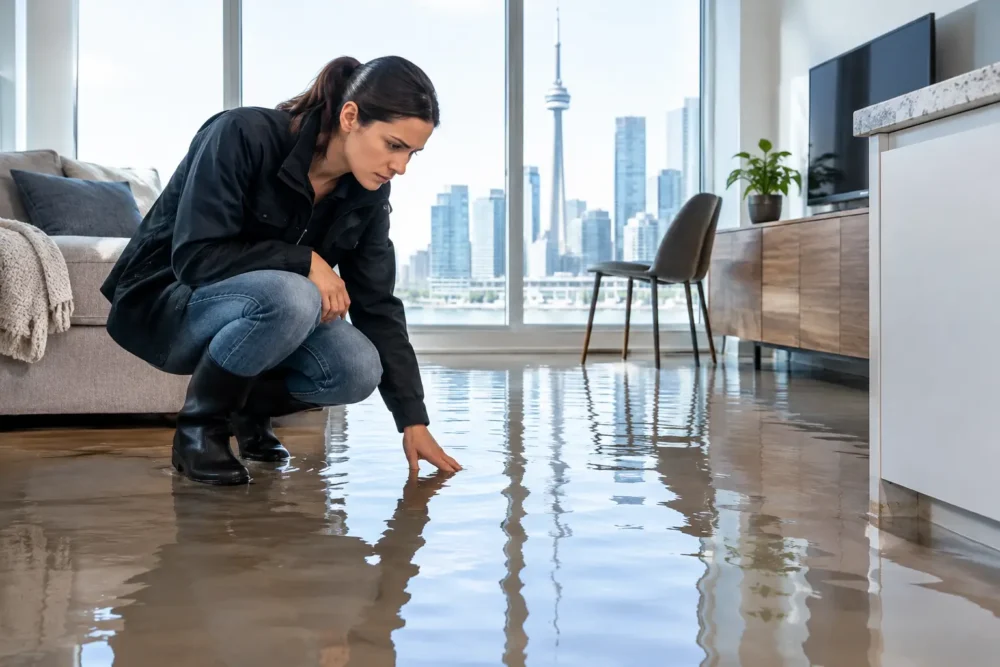
Do not enter an area with standing water if electrical equipment, outlets, or panels may be affected. Keep staff, customers, and visitors out until the area can be checked safely. If a leak is active and it is safe to do so, shut off the local water supply. For a sewage release, avoid contact with the water and prevent foot traffic from carrying contamination into clean areas.

Your first practical actions should focus on control:

  • Move people away from the affected area and post clear access restrictions.
  • Protect unaffected inventory, documents, electronics, and furnishings where it is safe.
  • Notify the property owner, condo management, building manager, or facilities contact when required.
  • Record what happened before extensive cleanup changes the scene.

Access can delay cleanup if it is not arranged early. Restoration crews may need keys, loading access, elevator booking, security clearance, utility room access, and approval to work after hours. In a condo or leased commercial unit, confirm who can authorize emergency work and who manages common elements such as risers, roofs, or shared plumbing.

What a Business Interruption Cleanup Assessment Covers

A proper assessment looks beyond the visible puddle. Water can travel beneath flooring, behind baseboards, inside wall cavities, through ceiling assemblies, and into neighboring suites. A technician may inspect the source, affected materials, room use, visible conditions, and potential safety concerns before recommending a cleanup plan.

The assessment should establish three things: where the damage began, how far it spread, and what can be cleaned, dried, or removed. Moisture readings help identify wet building materials that do not look damaged at the surface. Thermal imaging may help locate temperature differences associated with moisture, but it does not replace physical inspection or moisture measurements.

The source also affects the work plan. Clean water from a broken pipe requires a different approach than water from a drain backup or floodwater. Where water may contain sewage or other contaminants, affected porous materials may need removal and the area requires appropriate cleaning and disinfection. Do not assume that mopping and deodorizer make a contaminated area suitable for normal use.

Build the Cleanup Plan Around Operations

The right cleanup sequence depends on the building, the cause of loss, and your business function. A medical office, retail store, warehouse, restaurant, school, and server room all have different priorities. A facilities lead may need loading access restored first, while a retailer may need dry stock storage and safe customer pathways.

A practical plan separates the property into zones. Crews can isolate the affected area with containment when needed, helping reduce dust or moisture movement while allowing unaffected operations to continue. This approach can be useful, but it depends on ventilation, fire exits, building systems, noise limits, and the condition of adjoining areas.

Decide early which functions can move temporarily. That may mean relocating staff, redirecting deliveries, protecting records, or shifting customer appointments. Restoration work supports recovery, but a business continuity decision remains yours. Do not reopen a space simply because surface water is gone.

Remove Water and Dry the Building Properly

Water extraction removes standing water and reduces the moisture load in carpets, flooring, and structural materials. After extraction, professional drying equipment may be placed to move air, remove moisture from the air, and encourage drying within affected materials. Equipment placement is based on the materials, room layout, moisture conditions, and electrical safety.

Drying is not measured by appearance alone. Wet drywall, subfloors, insulation, and wood framing can retain moisture after a floor looks dry. Periodic moisture readings and daily work records help show whether conditions are improving and whether the drying setup needs adjustment.

Some materials cannot be saved without creating greater risk. Swollen particleboard, saturated insulation, damaged ceiling tiles, and contaminated porous contents may require removal. That choice can be disruptive, but leaving wet or contaminated materials in place may delay repairs and create odor or microbial growth concerns.

Keep Clear Records for Property and Insurance Decisions

Take wide photos of each affected room, then close photos of damaged contents, finishes, equipment, and the suspected source. Include dates, times, room names, and a brief description of what each image shows. Keep receipts for emergency purchases, temporary accommodations for operations, and approved mitigation work.

Ask for copies of assessment notes, moisture readings, photos, equipment logs, estimates, invoices, and a clear scope of work. These records can help property managers, owners, and insurers understand what happened and what work was performed. They do not determine coverage. Your insurer decides policy coverage, limits, deductibles, and claim requirements.

If equipment or stock was exposed, keep it separate until the appropriate person can assess it. Avoid discarding damaged items before documenting them unless they pose an immediate health or safety concern. When disposal is necessary, photograph the item and note why it was removed.

Plan Repairs Without Losing Sight of the Cause

Cleanup and repairs should address both the visible damage and the likely source. A repaired ceiling does not solve an ongoing roof leak. Replacing flooring without correcting a plumbing failure can lead to another interruption. Leak detection, plumbing repairs, roof repairs, or waterproofing may be relevant when the inspection identifies an active or recurring source.

Repairs can often be phased. Critical areas may be stabilized and restored first, while cosmetic work follows after drying and approvals. This can reduce disruption, although phasing is not always possible when safety systems, structural materials, or contamination affect the space.

GTA Restoration can support commercial and property recovery needs with assessment, cleanup, water extraction, drying, documentation, and repair planning. The useful next step is to make the area safe, preserve the evidence, and get a clear scope before damage spreads further.

Share this... Spread the word!


Restoration Support

Business interruptions need a clear response plan. The right support can protect people, document conditions, and help coordinate recovery work around your property’s needs.

Emergency Water Removal

Standing water should be extracted quickly after safe access is confirmed. Early removal can reduce spread into flooring, walls, and stored contents.

Commercial Drying Support

Drying equipment and moisture checks help address water held inside building materials. Readings guide adjustments instead of relying on surface appearance.

Sewer Backup Cleanup

Sewage-affected water needs controlled cleanup and disinfection. Keep people out of the affected area and avoid moving contaminated items through clean spaces.

Damage Documentation

Photos, moisture records, estimates, and work logs help create a useful damage file. Insurers make all coverage and claim decisions.

Controlled Work Areas

Containment can separate affected rooms from active operations when site conditions allow. Access routes and emergency exits must remain properly managed.

Contents Protection

Inventory, electronics, documents, and furnishings may need relocation or evaluation. Photograph items before moving or disposing of them whenever safely possible.

Repair Planning

Repair work should follow drying and address the source of loss. Phased repairs may help some businesses maintain limited operations during recovery.

Property Manager Coordination

Condo boards, landlords, and building managers may control access to shared systems. Confirm approvals, keys, elevator access, and work-hour requirements early.

For urgent property damage, arrange an assessment and keep your damage records together.

Call Us: 416-800-0000


GTA Service Centre


Frequently Asked Questions

What does business interruption cleanup include?

It can include assessment, water removal, controlled cleaning, drying, damage records, and repair planning. The required work depends on the source and affected materials.

Should employees enter a water-damaged workspace?

Restrict access when electrical hazards, contamination, unstable materials, or slip risks may exist. Have conditions assessed before allowing normal work to resume.

How can I document damage for my insurer?

Take dated photos, list affected property, save receipts, and request work records. Your insurer determines what documentation and coverage apply to your claim.

Can business operations continue during cleanup?

Sometimes. Isolating affected areas may allow limited operations, but safety, building access, contamination, noise, and ventilation conditions determine what is practical.

When should I call for professional cleanup help?

Call when water spreads beyond a small, clean spill, involves sewage, reaches building materials, or threatens operations. Early assessment supports safer decisions.


Learn more ↴


Direct Billing & Insurance Claims

Ask your insurer about coverage, deductibles and the records it needs.


Payment options

In-House Financing Available

Financing up to 24 months. No interest. No money down. Ask us about the terms.


Certifications & Insurance

View our firm certification, technician qualifications and insurance documents.

IICRC Certified Firm

GTA Restoration Inc.

Firm number 199912
Valid through
View IICRC certificate (PDF) — opens in a new tab

Business Insurance

GTA Restoration Group Inc.

$5 million general liability per occurrence
$8 million contractors pollution per claim
–

View insurance certificate (PDF) — opens in a new tab

IICRC Technician Qualifications

Richard Mark Provence · Registration 55726
Certificate expires

Water Damage Restoration · Fire & Smoke Restoration · Applied Microbial Remediation · Odor Control · Trauma & Crime Scene

View technician verification (PDF) — opens in a new tab

Insurance is subject to policy terms, conditions and exclusions.


Emergency? Click to Call!