...
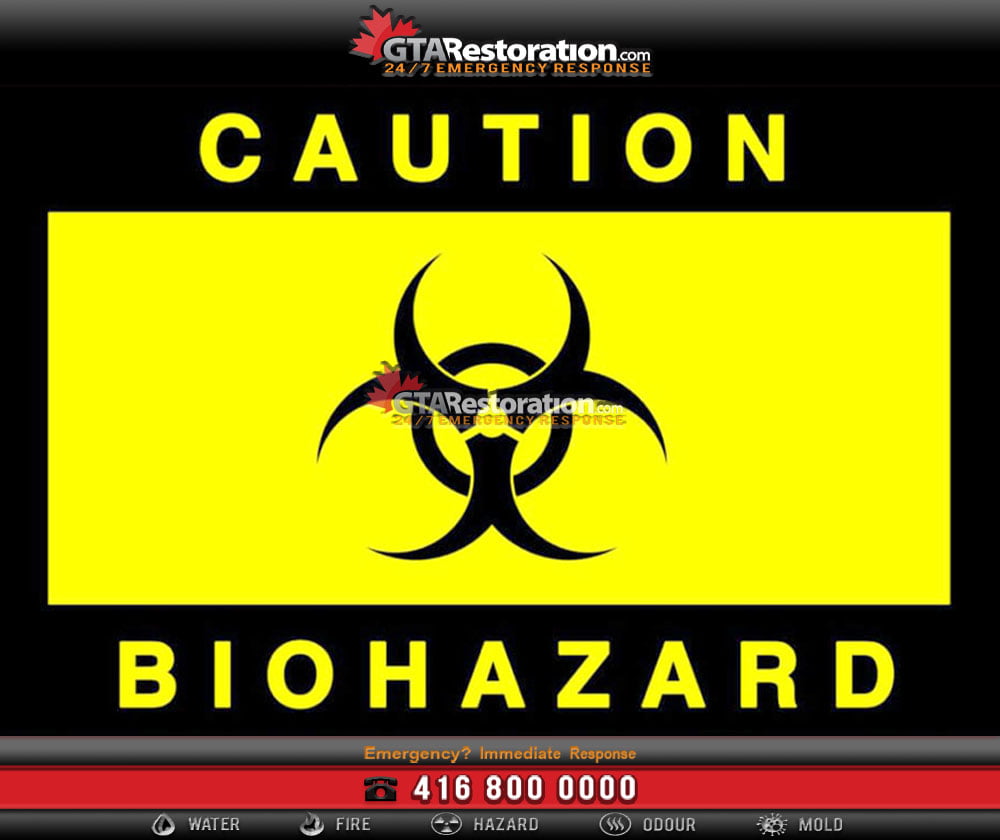
Biohazardous waste warning graphic with a black symbol on a yellow background
A warning sign helps mark a possible biological hazard.

Types of Biohazardous Waste

Types of biohazardous waste include certain blood and body fluids, used needles, human tissue and lab waste. These items may carry germs that cause disease. First, avoid touching waste when you do not know its source.

This guide explains biohazard waste categories and when to seek help. GTA Restoration assesses property cleanup needs in Toronto and the GTA. The right plan depends on the waste, the room and what the spill has reached.

Call Us: 416-800-0000

Blood and Body Fluid Waste

Some infectious waste types contain blood or body fluids that may carry harmful germs. For example, a blood spill may affect cloth, flooring or nearby objects. Other fluids need care based on their source and whether blood is present.

However, not every used tissue or dressing has the same disposal rules. A trained person should assess the waste and choose the correct handling method.

Sharps: A Type of Biohazardous Waste

Needles, blades and some broken glass are sharps because they can cut or pierce skin. Used sharps may also carry germs. Therefore, they need care even when no blood is visible.

Do not pick up an unknown needle by hand or place it in a garbage bag. Instead, ask a trained provider about biomedical waste collection.

Human Tissue Waste

Human tissue, organs and body parts form another biomedical waste group. You may see the term pathological waste for these materials. Therefore, they need a planned route for collection and disposal. At a clinic or care site, follow the site’s waste procedures.

Infectious Lab Waste

Infectious waste types include lab samples and cultures that may carry harmful germs. Used lab tools may also carry them. As a result, staff must assess the waste before treatment or disposal. Do not open a sample container to check what is inside.

Animal-Related Biohazardous Waste

Animal tissue, remains and bedding may be biomedical waste when infection is known or suspected. However, not all animal waste belongs in this group. For this reason, the source and risk matter. Report what you found without moving it for a closer look.

Other Types of Waste Need Different Care

Medical waste extends beyond infectious waste types to include medicines and chemicals. These do not all pose the same biological risk. The World Health Organization’s overview explains the main groups.

Likewise, sewage, mould, soot and asbestos need their own cleanup plans. Some hazards can occur together. Tell the crew about each concern so it can assess the full site.

Check Rules for Home Healthcare Waste

Rules for biomedical waste depend on the item and where it came from. For example, Toronto accepts some bagged dressings in garbage, while needles need a separate route. Check the City’s home healthcare guidance before disposal.

For your own medical sharps, ask a participating pharmacy about containers and return options. Do not put sharps in garbage or recycling.

First Steps Around Biohazardous Waste

First, keep people and pets away from suspected biohazardous waste. Avoid touching, moving or sorting it. Then, notify the property manager or person responsible for the site.

For a needle on a Toronto street or in a City park, contact 311. On private property, discuss collection with the owner or a trained service provider. If someone suffers a needle injury, seek medical advice promptly.

Plan Cleanup With a Trained Team

Different types of biohazardous waste may need different controls. Ask which surfaces, items and rooms need work. Also, confirm how the team will handle waste and protect clean areas.

GTA Restoration can discuss property cleanup options after spills or other incidents. Request a written scope and clear costs. However, for lab or clinical waste, confirm that the provider can handle that specific waste stream.


Need Help With a Possible Biohazard?

Describe the site to GTA Restoration and discuss assessment and cleanup options.

Call Us: 416-800-0000

Learn More

Property Cleanup | Sewage Cleanup | Mould Services
Share this... Spread the word!


Biohazardous Waste Cleanup: 8 Planning Checks

Different types of biohazardous waste need a plan. Start with clear site details before arranging cleanup.

1. Explain What Happened

First, describe the event and where waste was found. Share what you know without guessing about the source.

2. Identify the Waste Type

Next, mention visible blood, needles or other concerns. However, do not move objects or open bags to check inside.

3. Discuss Access

Before crews collect biomedical waste, explain any locked doors or shared halls. Also, name the person who can approve access.

4. Keep Clean Areas Separate

Ask how crews will protect nearby rooms and walkways. In addition, avoid carrying affected items through the building.

5. Review the Cleanup Scope

Your quote should list the biohazard waste categories and affected items. For example, check whether damaged flooring needs removal.

6. Confirm Waste Disposal

Then, ask who will collect the waste and where it will go. Also, confirm the service covers that waste type.

7. Keep Work Records

For biomedical waste cleanup, keep the quote, approved changes and invoices. These also help you track progress.

8. Check Before Reopening

Finally, ask what work is complete and what remains. Follow the team’s access advice before using the area again.


Unsure what cleanup your property needs?
GTA Restoration can assess the site and explain the next steps.

Call Us: 416-800-0000


GTA Service Centre


Types of Biohazardous Waste FAQs

What does biohazardous mean?

It refers to a biological hazard, such as germs that may cause disease. The source and contact risk matter.

Which waste types are common?

Common biohazard waste categories include blood, used sharps and tissue. Some body fluids, lab samples and animal materials also need special care.

Are all medical items hazardous?

No. For example, clean packaging differs from a used needle. Check local disposal rules for each item.

How should biomedical waste be discarded?

For biomedical waste, the route depends on the item. For example, keep sharps out of garbage and recycling. Use the proper collection service.

Should I touch unknown waste?

Avoid contact. First, keep others away. Then, arrange help from someone trained to assess and handle it.


Learn more ↴


Direct Billing & Insurance Claims

Ask your insurer about coverage, deductibles and the records it needs.


Payment options

In-House Financing Available

Financing up to 24 months. No interest. No money down. Ask us about the terms.


Certifications & Insurance

View our firm certification, technician qualifications and insurance documents.

IICRC Certified Firm

GTA Restoration Inc.

Firm number 199912
Valid through

View IICRC certificate (PDF) — opens in a new tab

Business Insurance

GTA Restoration Group Inc.

$5 million general liability per occurrence
$8 million contractors pollution per claim
–

View insurance certificate (PDF) — opens in a new tab

IICRC Technician Qualifications

Richard Mark Provence · Registration 55726
Certificate expires

Water Damage Restoration · Fire & Smoke Restoration · Applied Microbial Remediation · Odor Control · Trauma & Crime Scene

View technician verification (PDF) — opens in a new tab

Insurance is subject to policy terms, conditions and exclusions.


Emergency? Click to Call!