...

Illustration for the mold removal process guide, showing a child wearing a breathing mask and a woman holding a tissue.


Mold Removal Process: Five Common Questions

The mold removal process starts with finding the moisture that lets mold grow. A patch on a wall may be easy to see. However, the water source may sit behind it. Both need attention for lasting results.

This guide answers five common questions about the mold removal process. Learn what causes growth, when to seek help and what affects cost. Then, use the steps below to plan moisture repairs and safe cleanup.

Call Us: 416-800-0000

1. What Causes Mold to Grow?

Mold grows where moisture remains. A pipe leak, roof leak or flood can wet walls and floors. Also, steam from showers and cooking can build up when rooms lack airflow.

Cold surfaces may collect water from damp air. For example, drops on windows can point to a moisture problem. Mold may then grow on wood, paper, drywall or dust.

Therefore, start the mold removal process by checking for leaks, stains, damp spots and musty smells. If the source is unclear, our leak detection service can help locate hidden water problems.

2. What Health Risks Can Mold Pose?

Dampness and mold can cause eye, nose and throat irritation. They may also worsen asthma symptoms. However, people react in different ways. A photo or the colour of a patch cannot show how it will affect someone.

Children, older adults and people with some health conditions may be more sensitive. Therefore, keep them away from the work area during the mold removal process. If symptoms worry you, speak with a health professional.

The City of Toronto’s mould guidance explains common health concerns and ways to control moisture. Treat growth seriously without assuming every patch poses the same risk.

3. How Can I Prevent Mold From Returning?

First, fix leaks and dry wet materials. Then, use kitchen and bathroom exhaust fans that vent outside. A humidity meter can help you spot damp air before new stains appear.

If humidity stays high, a dehumidifier may help. However, it will not repair a leaking pipe or roof. Also, check areas that have flooded before, especially after heavy rain.

Our bathroom ventilation guide covers ways to reduce trapped moisture. After the mold removal process, regular checks and prompt repairs help lower the chance of new growth.

4. Can I Handle the Mold Cleanup Process Myself?

Some small, isolated areas can be cleaned with proper precautions. However, seek trained help for large, hidden or recurring growth. Sewage damage and suspected mold in air ducts also need special care.

The EPA’s home cleanup advice explains when professional help is appropriate. The material matters too. Moldy carpet or drywall may need removal, while some hard surfaces can be cleaned.

Do not dry-brush mold or aim a fan at it. Also, do not paint over mold. Covering a patch leaves the growth and moisture problem in place. Ask for advice on the mold removal process before opening walls or disturbing damaged materials.

5. What Does Professional Mold Removal Cost?

Professional mold removal costs vary by job. The size of the area, access and depth of damage all affect the work. Removing a small surface patch differs from opening walls and replacing damaged materials.

Ask for a written quote based on the actual site. It should explain cleanup, waste removal and any repairs. Also, confirm whether moisture repairs, testing or later checks carry separate charges.

When comparing quotes for the mold removal process, use the same scope. A lower total may leave out work that another quote includes. Therefore, ask what is included before agreeing.

What Happens During the Mold Removal Process?

Inspect the Area and Find the Source

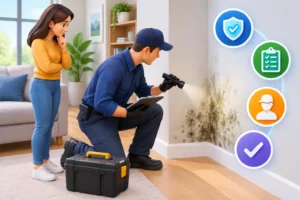
First, the team checks visible growth, moisture and past leaks. They may inspect nearby areas if signs point to hidden damage. A plumber or roofer may also be needed to fix the water source.

Air testing is not always required. For example, visible mold often gives enough reason to act. The EPA’s sampling guidance explains why tests are not needed for every cleanup.

Mold Remediation Steps: Contain, Remove and Clean

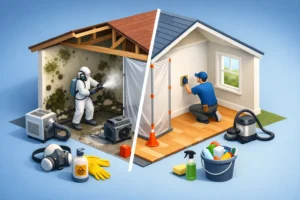
This part of the mold removal process aims to limit the spread of dust and spores. Depending on the job, crews may isolate the area and use air filtration.

Next, they remove materials that cannot be cleaned, clean suitable surfaces and address dampness. The method should suit the size, location and type of damage.

Check the Work Before Repairs

Finally, review the mold remediation steps and moisture checks before closing walls or painting. Ask what confirms the area is ready for repairs. If the project calls for a separate inspection or testing, agree on those checks in advance.


Need Help With Mold in Your Property?

GTA Restoration can help with moisture checks, cleanup and repair planning. Call to discuss what you have found in your Toronto or GTA property.

Call Us: 416-800-0000

Learn More

Inspection and Cleanup Services | Bathroom Moisture Control | Steps After Water Damage
Share this... Spread the word!


Plan Your Mold Cleanup Visit

Prepare for the mold removal process with photos, leak details and questions. Then, use the visit to discuss the areas that need attention.

1. Note Where Growth Appears

First, list the rooms with stains or visible growth. Also, note musty smells, even where you cannot see mold.

2. Share the Leak History

Explain when the problem began. Then, mention past floods or repairs that may help the team trace the source.

3. Take Photos Safely

Photograph visible damage without disturbing it. However, do not open walls or move moldy items just to get a better view.

4. Discuss Room Access

Ask which areas need to stay clear. Also, plan for children and pets to remain away from the work.

5. Review the Written Scope

Check which parts of the mold removal process the quote covers. In addition, confirm waste removal, drying and repairs before work starts.

6. Ask About Testing

Tests are not needed for every job. Therefore, ask what a proposed test would show and why it matters.

7. Confirm the Repair Plan

Find out who will fix the moisture source. Then, confirm who handles new drywall, paint or other finishes.

8. Keep the Final Records

Finally, save photos, reports and care advice. Keep checking the area for new damp spots after the work ends.


Ready to discuss your mold concerns?
Call GTA Restoration with your location and a brief description.

Call Us: 416-800-0000


GTA Service Centre


Mold Removal Process FAQs

Is every mold problem an emergency?

No, but address active leaks and growth promptly. Also, get advice for large, hidden or recurring problems.

How long does mold cleanup take?

The time needed for the mold removal process depends on the damage and moisture. Therefore, ask for a plan based on your property.

Must I leave during the work?

It depends on the work area and household needs. Before work starts, agree on access and occupancy limits.

Does black mold always mean greater danger?

No. Colour alone cannot show the risk. Instead, assess the growth, dampness and conditions in the building.

Do I need an air test first?

Air tests are not always part of the mold removal process. However, they may help answer a specific unresolved question.


Learn more ↴


Direct Billing & Insurance Claims

Ask your insurer about coverage, deductibles and the records it needs.


Payment options

In-House Financing Available

Financing up to 24 months. No interest. No money down. Ask us about the terms.


Certifications & Insurance

View our firm certification, technician qualifications and insurance documents.

IICRC Certified Firm

GTA Restoration Inc.

Firm number 199912
Valid through

View IICRC certificate (PDF) — opens in a new tab

Business Insurance

GTA Restoration Group Inc.

$5 million general liability per occurrence
$8 million contractors pollution per claim
–

View insurance certificate (PDF) — opens in a new tab

IICRC Technician Qualifications

Tony Sokol T. Lleshi · Registration 214520
Valid through

Water Damage Restoration · Fire & Smoke Damage Restoration · Applied Microbial Remediation · Odor Control · Trauma & Crime Scene

View technician verification (PDF) — opens in a new tab

Insurance is subject to policy terms, conditions and exclusions.


Emergency? Click to Call!