A burst supply line can leave you deciding between plumber versus restoration while water spreads behind walls, under flooring, or into a neighboring unit. The right choice is often both, but they perform different jobs. A plumber addresses the source of the water. A restoration team addresses the water’s effect on the property, including moisture that remains out of sight.
The difference between plumbing and restoration
A plumber works on the building’s water, drain, and sewer systems. They may locate a leak, shut down or repair a failed pipe, clear a blocked drain, replace a fixture, or correct a plumbing connection. Their work helps stop the active release of clean water, wastewater, or sewage.
Restoration begins with the affected materials and conditions. The work can include assessing visible and hidden moisture, extracting standing water, removing unsalvageable materials when needed, setting drying equipment, controlling humidity, cleaning affected areas, and documenting conditions. Restoration teams also help identify how far water traveled, which matters in basements, condos, retail spaces, and multi-unit buildings.
Neither role replaces the other. A repaired pipe does not automatically mean wet drywall, insulation, subflooring, or contents are dry. At the same time, drying equipment cannot correct an active leak. The practical question is not which service is better. It is which problem is happening now.
When a plumber should come first
Call a plumber first when water is actively flowing from a plumbing component and you can identify the source safely. Common examples include a broken supply line, leaking toilet connection, failed water heater fitting, overflowing fixture, or drain issue that needs repair.
If it is safe to do so, shut off water at the nearest fixture valve or the main water shutoff. Do not enter standing water near electrical outlets, appliances, panels, or damaged wiring. If you cannot safely stop the flow, move people and pets away from the area and seek emergency help.
A plumber may also be the first call when a slow leak appears limited to an accessible connection. Still, check surrounding cabinets, flooring, ceilings, and wall surfaces. A small plumbing failure can release water for hours before staining appears. Once the source is repaired, a restoration assessment can show whether moisture has entered building materials.
When restoration should start right away
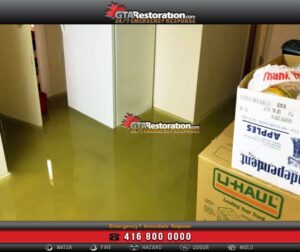
Restoration support is especially useful when water has spread beyond the immediate plumbing repair. Standing water on floors, a wet ceiling below a bathroom, soaked carpet, swollen baseboards, damp insulation, or water under vinyl and laminate are all signs that cleanup and controlled drying may be needed.
Fast action matters because porous materials hold moisture. Drywall can wick water upward. Wood flooring can cup or separate. Damp enclosed areas may develop odors or support mold growth if moisture remains. The goal is not simply to make the room look dry. It is to assess the extent of the loss and reduce moisture in affected materials where practical.
During an assessment, technicians may use moisture meters and other readings to compare wet areas with unaffected materials. They can identify where water moved, plan extraction and drying, and explain which materials may need removal for access or sanitation. Equipment selection depends on the affected space, materials, temperature, and source of water.
Sewer backups require more than a plumbing repair
A sewer backup is one of the clearest cases where plumbing and restoration need to work together. A plumber may investigate the blockage, drain problem, or failed component. However, wastewater can contain contaminants that change how cleanup should be handled.
Avoid contact with backup water. Keep children, pets, and unnecessary foot traffic away from the affected area. Do not use household fans to blow contaminated moisture through the space, and do not run plumbing fixtures that could worsen the backup. Restoration work may involve contained cleanup, removal of contaminated porous materials, disinfection steps, and drying after the source is controlled.
For homes with a basement, a backup can affect finished rooms, storage, mechanical areas, and flooring at the same time. In commercial settings, it can also affect access routes, inventory, tenant operations, and public-facing areas. Early documentation helps everyone understand the scope.
The plumber versus restoration decision after a hidden leak
Hidden leaks are less straightforward. A stain on a ceiling, warm spot on a floor, musty odor, rising water bill, or recurring mold-like discoloration may point to water where you cannot see it. A plumbing professional can help trace and repair a likely source. Restoration assessment can help determine whether the surrounding materials need drying, cleanup, or selective removal.
Do not paint over staining or close a wall before the moisture issue is understood. Cosmetic repairs too early can hide active dampness and make later repairs more disruptive. A sensible sequence is to locate the source, stop it, assess affected materials, clean and dry them, then complete repairs once conditions allow.
This sequence also applies after roof or exterior water entry, although a plumber may not be the right trade for those situations. The key is to identify the source and then address the property damage separately.
Condos, rentals, and commercial properties add coordination
In a condo, water may travel between units, common areas, and building systems. Notify property management or the building contact promptly, especially when water is entering from above or affecting another unit. Access requirements, shutoff locations, and responsibility for repairs can vary by building documents and the source of the loss.
Tenants should report the issue quickly, take clear photos if safe, and avoid disposing of damaged items before the landlord, manager, or insurer has had a chance to review them. Landlords and property managers can help arrange access, protect unaffected areas, and keep records of actions taken.
Commercial and facilities teams often need to balance safety with continuity. Isolate the affected area, protect electrical hazards, record the initial condition, and consider how water may have reached stock, equipment, records, or adjacent suites. A restoration plan can be phased around safe access and operational needs when conditions permit.
Keep useful records without assuming coverage
Take photos and short videos before moving items, when safe. Record the date and time you noticed the problem, where water appeared, actions taken to stop it, and any visible damage. Keep invoices, estimates, moisture readings, work records, and a list of affected contents.
These records can support conversations with an insurer, property manager, landlord, or contractor. Insurance coverage is decided by the insurer and the policy terms, not by a plumber or restoration provider. A restoration company can provide photos, readings, estimates, and work documentation, but cannot promise approval or coverage.
GTA Restoration can help assess water damage, extract water, dry affected areas, and document the work after a plumbing issue or other water event. If water is still entering the property, prioritize stopping the source safely. Once it is controlled, prompt assessment gives you a clearer path for cleanup and repairs.
Water damage often needs two tracks: stop the source, then address wet materials, contamination risks, and conditions that can worsen after the repair.
Water Extraction
Standing water can spread quickly through flooring and walls. Extraction removes accessible water before drying work begins.
Moisture Assessment
Moisture readings help identify damp materials beyond visible staining. They guide drying decisions and create useful condition records.
Structural Drying
Drying equipment targets moisture in affected building materials. Setup depends on the water source, room layout, materials, and access.
Sewer Backup Cleanup
Wastewater requires careful handling because it may contain contaminants. Keep people away until the affected area can be assessed.
Flooded Basement Help
Basement water can affect finished spaces, storage, and mechanical areas. Prompt assessment helps identify where water traveled.
Condo Water Damage
Notify building management when water may affect another unit or common area. Access and repair responsibilities can differ by building.
Damage Documentation
Photos, readings, estimates, and work records can clarify the event. Your insurer determines coverage under the policy.
Repairs After Drying
Repairs should follow source control and drying assessment. This helps avoid closing or refinishing materials that remain damp.
If water has spread beyond the repair area, request an assessment and keep the space safe while help is arranged.
GTA Restoration serves communities across Canada, including Toronto and the GTA. U.S. locations are opening. Browse our Canadian service areas below, and contact us to confirm services and availability for your address.