
Tags: Bath Renovations, Bathroom Renovation, Bathroom Renovations, Home Renovation, Home Renovations, Renovations GTA,


For non-emergencies use our contact form


Emergency? 24-Hours
416-800-0000A clear plan helps turn bathroom shower options into a useful space. Review these details before ordering.
First, name your must-have features. Then, rank extras so the budget follows what matters most to you.
Check the room, door and ceiling height. Also, allow enough space to move around the shower setup.
Next, confirm the valve and trim models. However, a shared brand or colour alone does not mean they fit together.
For instance, view samples in your bathroom light. In addition, check the care guide before choosing a finish for daily use.
Your quote should cover fixtures and building work. For example, ask whether it includes plumbing changes, tile and waste removal.
Also, ask about replacement parts and warranty terms for your shower setup. Then, keep the model numbers and receipts with your project records.
Before work starts, confirm delivery dates and bathroom access. Then, agree on how the team will report delays or changes.
Finally, review each outlet and control with the installer. Ask about cleaning and follow-up care for your shower setup.
Ready to plan your shower?
GTA Restoration can discuss the room, scope and next steps.
Service Areas Across Canada
GTA Restoration serves communities across Canada, including Toronto and the GTA. U.S. locations are opening. Browse our Canadian service areas below, and contact us to confirm services and availability for your address.
Search
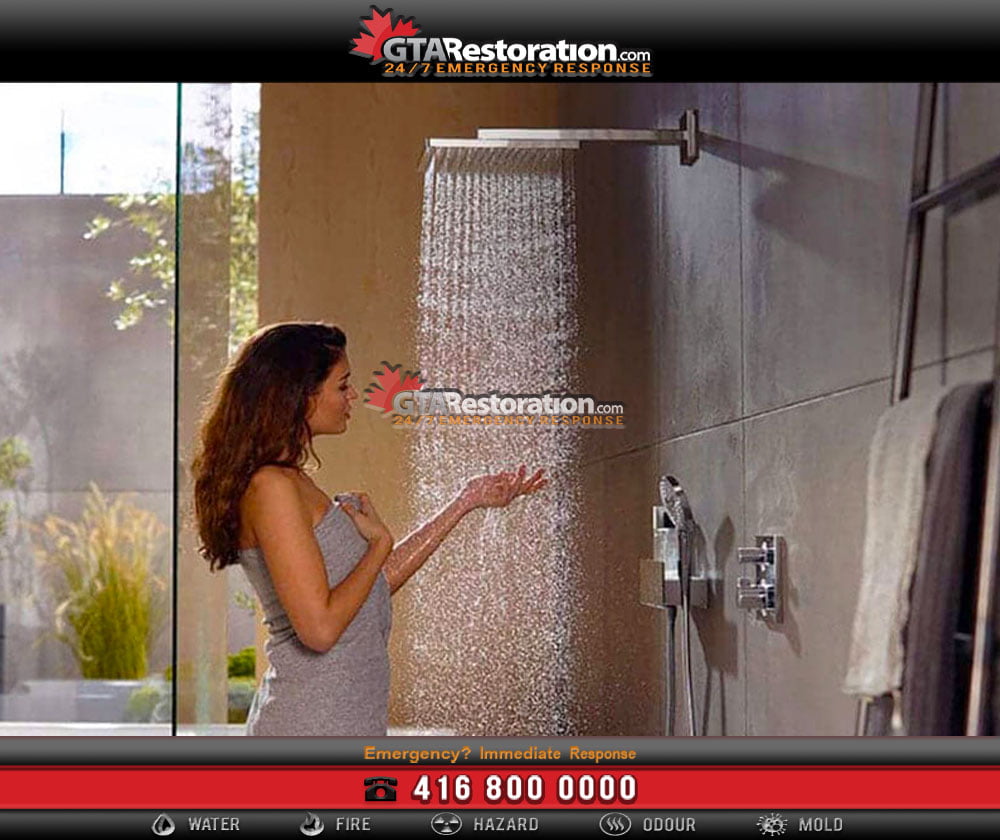
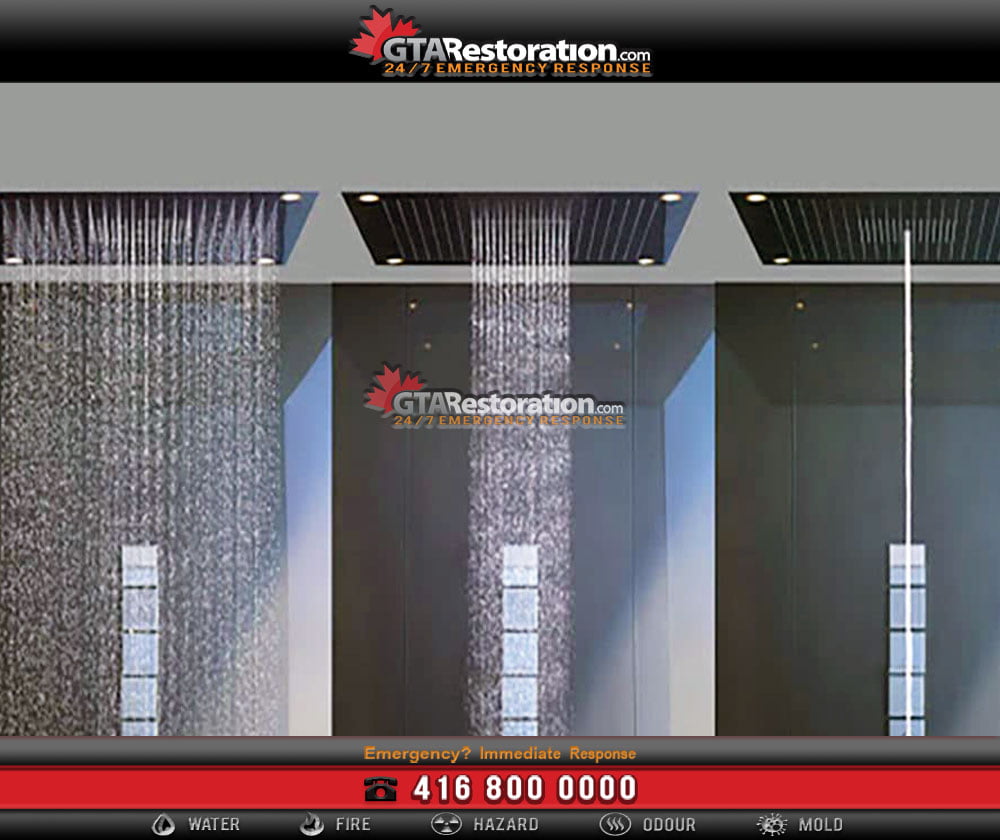
It may include a head, handheld spray, valves and controls. Some shower setups also have body sprays.
Yes. It helps you direct the rinse. Also, an adjustable holder can suit users of different heights.
Not by itself. Supply pressure and flow affect the result. Therefore, check the plumbing before choosing a larger head.
That depends on the shower setup. Confirm valve settings, water supply and drainage with the plumber first.
No. Tile and grout need a suitable waterproofing system behind them. Include this work in the plan.
Bathroom shower options vary in cost. Also, plumbing changes, tile and hidden damage can affect the total.
Direct Billing & Insurance Claims
Ask your insurer about coverage, deductibles and the records it needs.

In-House Financing Available
Financing up to 24 months. No interest. No money down. Ask us about the terms.
Learn more ↴ 
RELATED ARTICLES





Call Us 416-800-0000
Emergency? 24/7 Restoration Help
We cover all GTA 24/7.
Head Office:
250 Consumers Rd,
#10
Toronto, ON
M2J 4V6,
Open 24 hours
Downtown Office:
1 Toronto St,
#10
Toronto, ON
M5W 1A1,
Open 24 hours
For non-emergencies use our contact form
Not sure what you need?
Call us today to find the best product for your situation.
Head Office:
101 Lebovic Ave,
Unit #10
Scarborough,
ON, M1L 4T7
Hours
24-Hours Open
Downtown Office:
250 Yonge Street,
Unit #1A
Toronto,
ON, M5B 2L7
Hours
24-Hours Open
Bathroom Shower System: Design and Renovation Tips
Get a quote today


