Air Quality Testing: How is the air quality in your home?
Acceptable Mold Spore Levels From Air Test Results
Interpretation of Mold Spores from Air Test Results
What is an Acceptable Level for Indoor Mold Spore Testing Results? Guide for Mold Count Levels: Acceptable & Unacceptable
One of the most useful methods for assessing indoor air quality and its possible effect on building occupants is the analysis of indoor air samples. Technicians often collect these samples with portable vacuum pumps. They calibrate the pumps to pull a specific volume of air through a sampling cassette each minute.
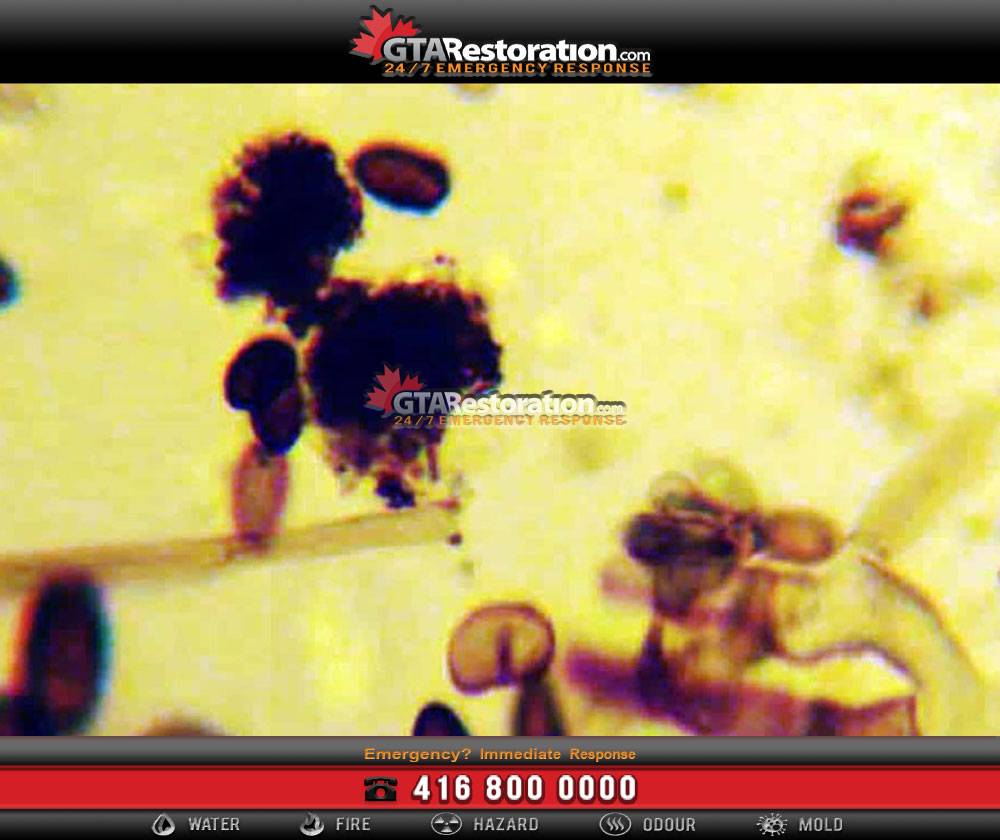
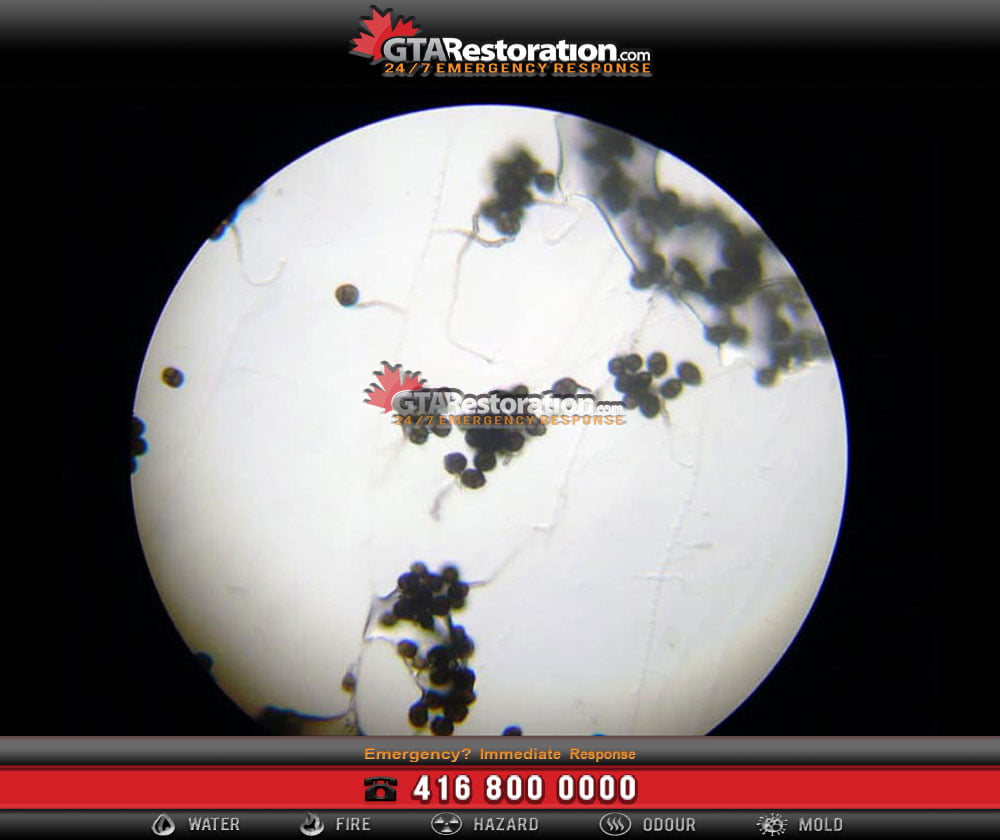
The cassette contains a specially prepared adhesive slide. As air moves through the cassette, fungal spores, other biological particles, and airborne debris collect on the slide. A laboratory then analyzes the sample under a microscope.
How Mold Air Samples Are Interpreted
The analysis of mold spore trap slides can provide results relatively quickly because the samples do not require culturing. However, some fungal spores look very similar under a microscope. For that reason, laboratories often group them together. Aspergillus/Penicillium is a common example.
Other spore types lack enough visible characteristics for identification at the species level. Therefore, laboratories may count these within broader groups, such as Ascospores and Basidiospores.
An indoor air quality assessment usually considers more than the indoor sample alone. Inspectors commonly compare indoor spore levels with outdoor air samples collected at approximately the same time. In many cases, indoor fungal spore counts should remain lower than outdoor levels. However, a lower indoor count does not automatically mean that indoor air quality is acceptable.
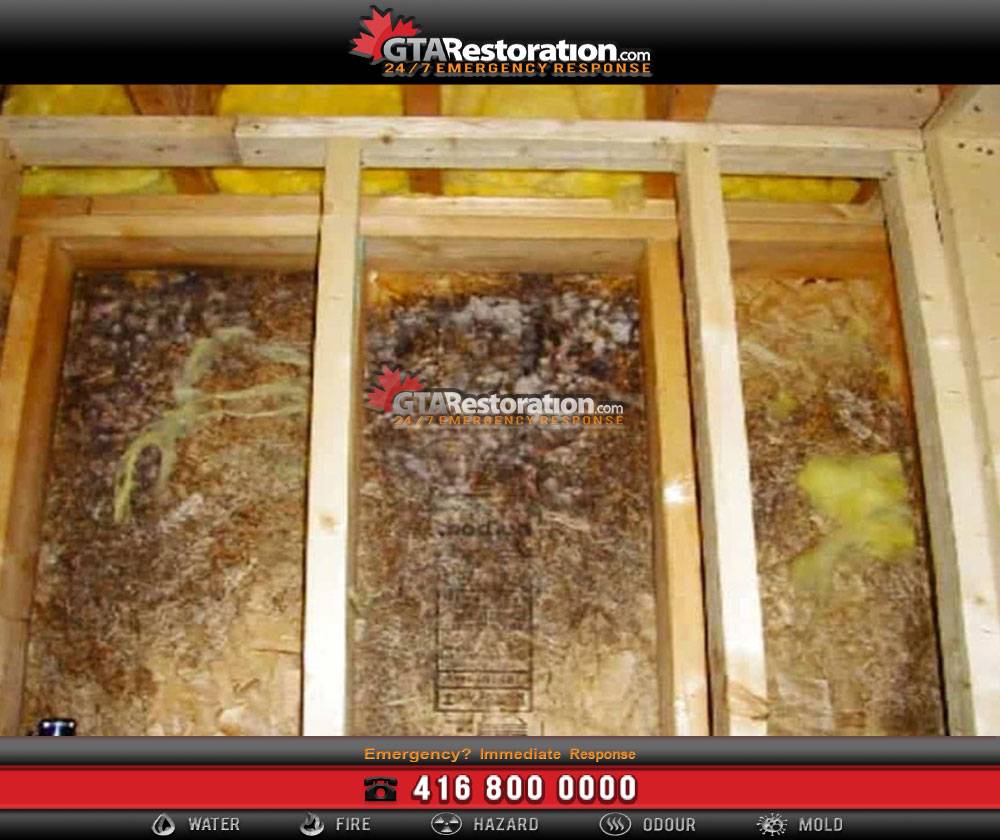
High counts of one particular mold type, or unusually high total spore counts indoors, may indicate fungal growth inside the building. The presence of fungal structures such as hyphal fragments can strengthen that conclusion.
Indoor and Outdoor Mold Spore Comparisons
Several factors can affect the comparison between outdoor and indoor spore counts. Outdoor mold levels change with weather and season. For example, winter conditions often produce lower outdoor spore counts. Rain can also wash spores from surfaces or temporarily reduce the number of airborne spores.
During warmer weather, drying and evaporation can increase airborne particles. In addition, outdoor air may have less influence on indoor air in energy-efficient buildings where occupants keep windows closed and rely on air conditioning.
Certain species deserve special attention. For example, Stachybotrys or Chaetomium found in an indoor sample may indicate a moisture-related indoor issue, particularly when the same types are absent from the outdoor comparison sample.
Definitions
Raw Spore Count – The number of mold spores identified and counted directly on the adhesive air sample slide.
Spores per Cubic Meter (Count/m3) – A calculated concentration based on the raw spore count, the sampling flow rate, and the sampling time.
Total Background – The amount of non-target particulate material present on the slide. Laboratories may grade this from 1 to 5. A rating of 1 indicates very little background debris, while a rating of 5 may make the sample difficult to read. Higher background levels can hide or overlap spores and may lead to underestimation.
Conclusion
Fibrous Particulate – Fibrous particles can come from clothing, floor textiles, building materials, and paper products. Air movement and friction can release these particles into the air. Poorly cleaned or poorly maintained ventilation systems may increase their distribution.
Skin Particulates – These particles include dead skin cells from people and pets. Everyone naturally sheds skin cells throughout the day. Pets also contribute skin particles, commonly referred to as dander.
Particulate Matter (PM) – Fine particles can enter the respiratory system. Depending on their size and composition, they may irritate the airways and contribute to coughing, bronchitis, breathing discomfort, or worsening asthma symptoms.
Particulate matter may also affect cardiovascular health. Research has linked elevated concentrations of fine airborne particles with a variety of respiratory and cardiovascular effects. These may include aggravated asthma, increased respiratory symptoms, reduced lung function, and difficulty breathing.
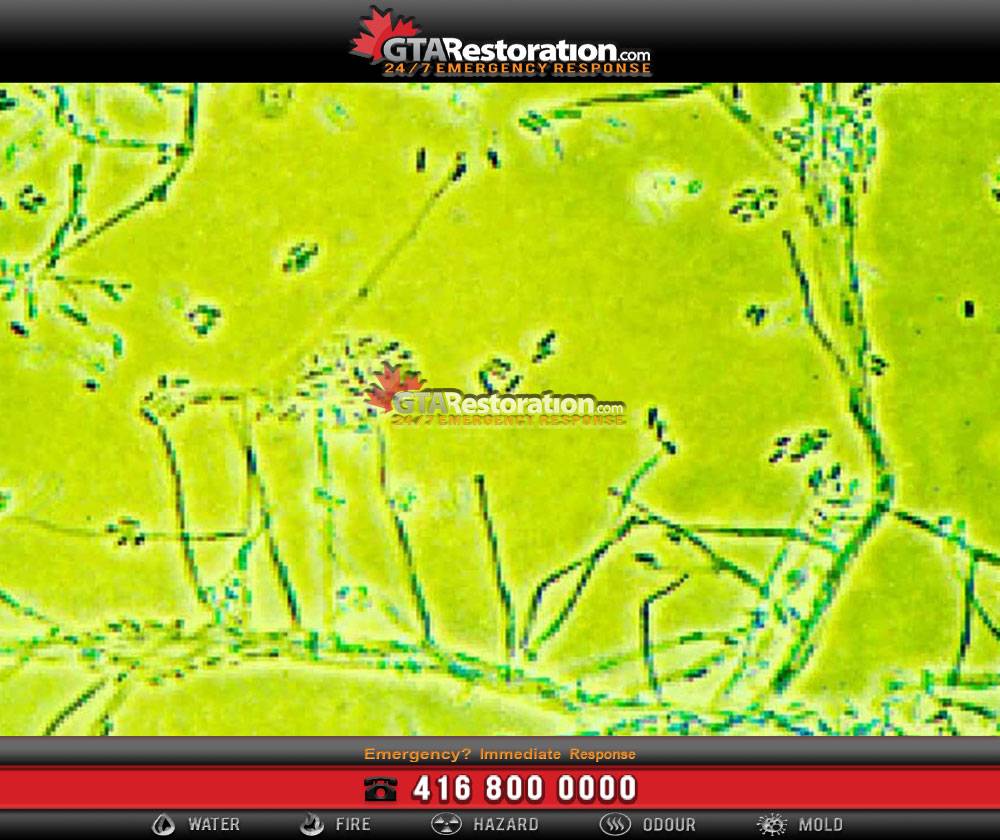
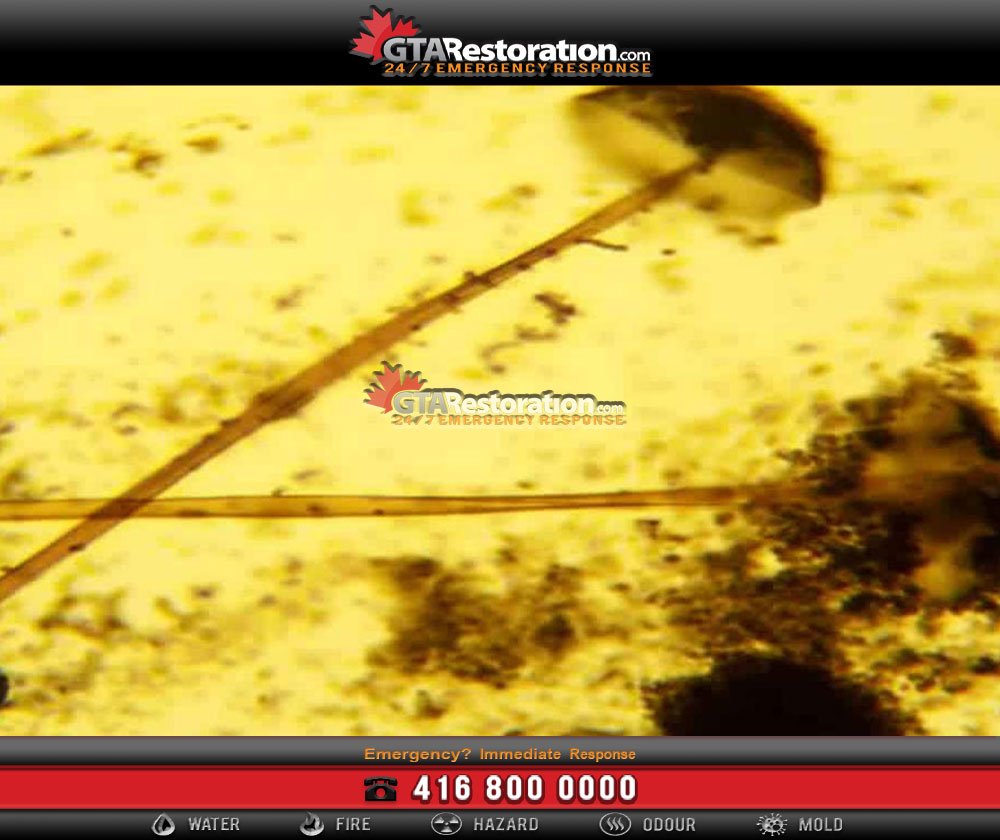
Hyphal Fragments – Hyphae are small fragments of a mold’s mycelium. Mycelium is the vegetative portion of fungal growth. Small numbers of hyphal fragments may occur outdoors or in settled indoor dust. However, high quantities or large segments in indoor air samples may suggest active fungal growth within the building.
If environmental conditions remain suitable, hyphal fragments may continue growing and eventually contribute to additional spore production.
Indoor Mold Standards and Spore Counts
Indoor Air Mold Standard – There is currently no single state, provincial, or federal standard that defines a universally safe level of indoor mold spores. Mold species vary in size, weight, allergenic potential, and other characteristics. Therefore, inspectors should interpret laboratory results together with moisture conditions, visible growth, building history, and occupant concerns.
Public agencies and industry organizations publish guidance about mold contamination and indoor air quality for the public.
One set of building studies reported Aspergillus/Penicillium averages of approximately 230/m3 in cleaner residential buildings. Buildings with known moisture or flooding problems reportedly averaged about 2,235/m3. Mold-contaminated buildings showed much higher averages in the cited research.
The American Conference of Governmental Industrial Hygienists publication Air Sampling Instruments for Evaluation of Atmospheric Contaminants has also been referenced in discussions about mold sampling and interpretation.
100 cfu or less per cubic meter of disturbed air has sometimes been described as a low level.
100 cfu to 1,000 cfu per cubic meter has sometimes been described as an intermediate level.
1,000 cfu or more per cubic meter has sometimes been described as a high level.
Different mold types also require different interpretation. For example, even a relatively small number of Stachybotrys or Chaetomium spores may deserve attention because these molds are not commonly abundant in normal outdoor air. By contrast, a modest Aspergillus/Penicillium count may be less unusual depending on the outdoor comparison and building conditions.
After reviewing available literature and indoor mold-spore guidance, Enzcycle Lab, LLC proposed the following action categories:
Categories Spores/m3 of Air Classification Action
I
> 500
Normal
No Action is Required
II
500 – 999
Intermediate
Remediation is required
III
<1000
High
Remediation is required
Interpretation of Direct Air Quality Testing Results
Direct surface sampling may involve swabbing a suspected surface, using a tape-lift sample, or collecting a small piece of affected material. A laboratory then examines the sample under a microscope.
Some mold types found in direct samples produce spores that look very similar. Therefore, laboratories may group them together, as with Aspergillus/Penicillium. Other spores may lack enough visible characteristics for precise identification and may be reported in broader groups such as Ascospores or Basidiospores.
Direct Sample Interpretation Chart
0
No spores detected
No Action is Required
1 to 10
Few spores found
Normal level detected
11 to 99
Light contamination
Remediation is Recommended
100 to 1000
Intermediate contamination
Remediation is Required
Greater than 1000
High level of contamination
Remediation is Required
Background Debris – Non-mold particles, including insect fragments, skin particles, fibres, and other debris, may also appear in sample cassettes. Laboratories may rate background debris from 1 to 5. A higher rating means the sample contains more background material and may make some spores harder to see.
Mould is a type of fungus that commonly grows where moisture remains present on Poor ventilation, leaks, flooding, or high humidity can all support mold growth inside buildings.
Mold exists almost everywhere, both indoors and outdoors. Scientists have identified a very large number of fungal species. Outdoors, mold plays an important role in breaking down organic material. Indoors, however, uncontrolled mold growth can damage building materials and affect indoor air quality.
How Mold Spores Spread Indoors
Mold often develops in damp areas such as basements and bathrooms. Fungi reproduce through microscopic spores that can float through the air like dust. Because these particles are extremely small, you cannot usually see individual spores without a microscope.
When spores land on a wet or damp surface, they may begin to grow if conditions remain favourable. Some people may experience allergy-like symptoms, coughing, wheezing, or asthma irritation after exposure to elevated mold levels.
There is no single government-regulated level that defines exactly how many indoor mold spores are safe for every person. Individual sensitivity varies. In general, visible mold or a persistent musty odour should prompt an investigation into the moisture source and the affected materials.
Moisture Control and Mold Prevention
Mold requires moisture and an organic food source. Common indoor materials can provide that food source, including dust, fabrics, carpet, drywall, wood, paper, and furniture.
Controlling moisture is one of the most important ways to prevent mold growth. A dry building is much less likely to support active mold growth. Cool temperatures may slow growth, but they do not necessarily kill existing spores. Once moisture returns, dormant spores may begin growing again.
For example, moisture can enter a property from outside through foundation cracks, flooding or roofing leaks. Indoor sources may include plumbing leaks, condensation, cooking, showers, and poor ventilation.
In addition, condensation on windows may indicate excessive indoor humidity. Homeowners can use a hygrometer to monitor relative humidity. Many homes perform well with indoor humidity somewhere around 30% to 55%, depending on the season and building conditions. During winter, lower indoor humidity may help reduce condensation on windows.
If necessary, a dehumidifier can help control excess moisture. However, dehumidification does not repair an active leak. If water enters your home, address the source quickly. A foundation crack or roof leak usually gets worse when ignored. The longer moisture remains, the greater the chance of mold growth and material damage.
Common Mold Spores and Their Impact on Health
Mold fungi release microscopic spores into the air. Some people are more sensitive to these spores than others. Exposure may contribute to allergy-like symptoms, coughing, sneezing, nasal irritation, or asthma symptoms in sensitive individuals.
The possible effects depend on the mold type, amount of exposure, length of exposure, and the health of the person. Mold can also release volatile compounds that contribute to odours and may irritate sensitive occupants.
Infants, pregnant people, older adults, and people with certain health conditions, such as respiratory disease or weakened immune systems, may be more sensitive to mold exposure. Some people receiving chemotherapy, corticosteroid therapy, organ transplants, or other immune-suppressing treatments may also require additional medical guidance.
Species of mold can be difficult to identify by appearance alone. Mold may appear white, red, orange, yellow, black, blue, green, brown, or violet. It may look fuzzy, powdery, slimy, stained, or dirt-like.
Likewise, different fungi prefer different materials and moisture conditions. The following descriptions and microscope images cover several mold types commonly discussed in indoor air quality testing.
Absidia Fungus Mold Spores
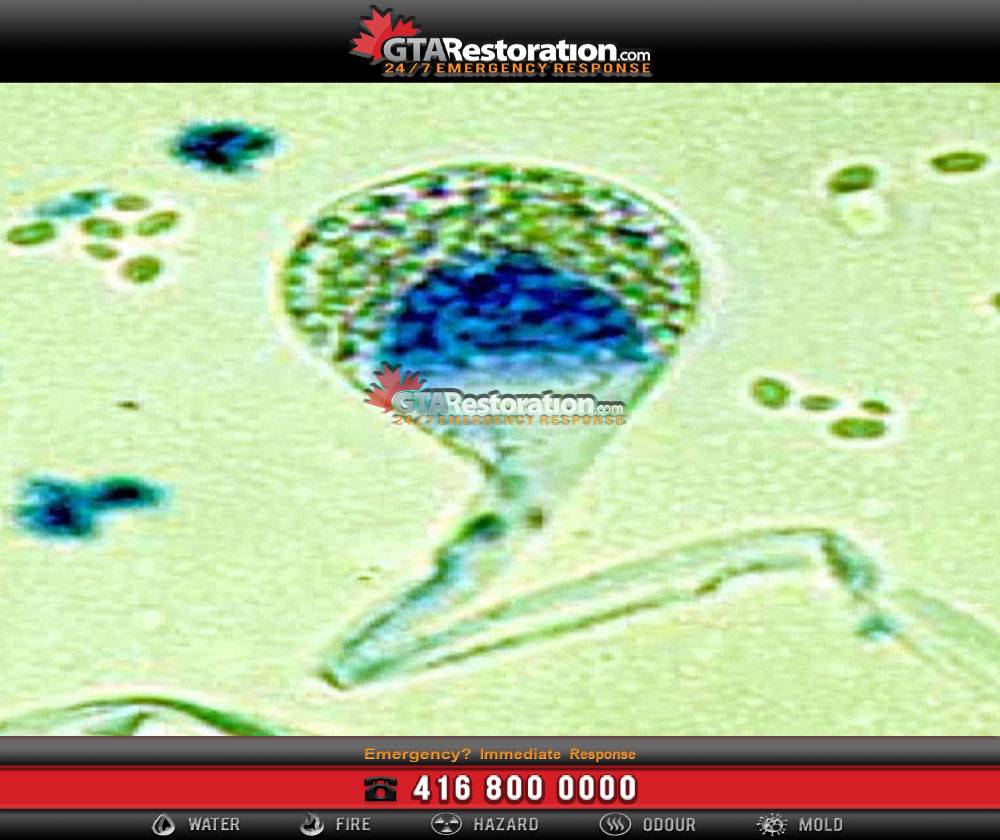
Absidia Fungus Mold Spores
Where it is found: Soil and decaying organic material, including leaves, compost piles, and rotten wood.
How it is identified: Small pyriform-shaped sporangia with characteristic conical columellae and a pronounced apophysis. Growth may occur rapidly at warmer temperatures.
Known mycotoxins: Researchers have not identified any at this time.
Possible health effects: Some Absidia species may act as opportunistic human pathogens and have been associated with forms of mucormycosis, including pulmonary, rhinocerebral, disseminated, central nervous system, or cutaneous infections.
Acremonium Fungus Mold Growth Spores
Acremonium Fungus Mold Growth Spores
Areas to be found: Acremonium may occur inside building materials, including insulation. It is also widely distributed in soil, plant debris, and other organic material.
Identification: Colonies usually grow slowly and may appear compact and moist at first. As they age, they can become powdery, granular, or floccose. Colours may include white, grey, rose, pink, or orange. Hyphae are typically fine and hyaline.
Mycotoxins produced: Crotocin and Verrol tetra-acetate have been reported in some strains.
Health effects: Acremonium species may cause opportunistic infections. Reported conditions include mycetoma, eye infections, lung colonization, osteomyelitis, sinusitis, arthritis, and peritonitis. Serious systemic infections remain uncommon and usually occur in people with significant underlying medical conditions.
Alternaria Fungus Mold Spores
Alternaria Fungus Mold Spores
Areas to be found: Alternaria commonly occurs on nonliving organic material, plants, and soil. Many species act as plant pathogens, while others occur widely in outdoor environments.
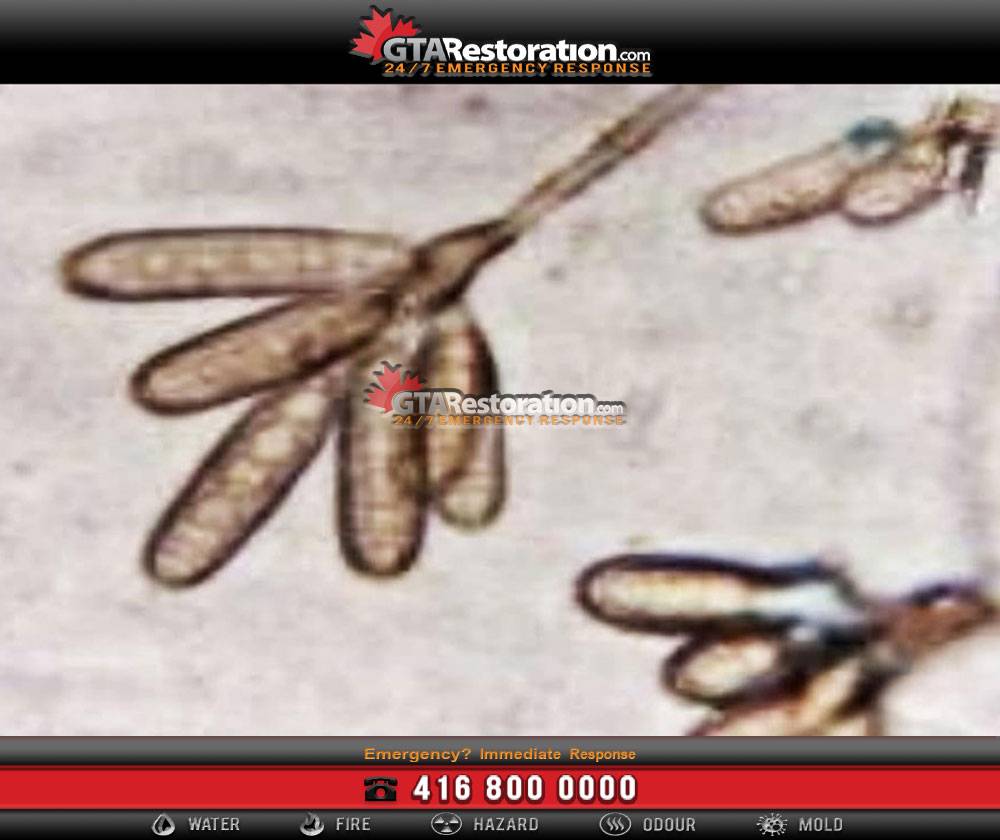
Identification: This darkly pigmented fungus produces chains of multicelled conidia. The spores often appear ovoid or club-shaped and may have short conical or cylindrical beaks.
Mycotoxins produced: Reported compounds include altenuic acid derivatives, alternariol, brefeldin A, cytochalasins A and B, destruxins, tenuazonic acid, altertoxins, zinniol, altenuene, and gliotoxin.
Health effects: Alternaria is a well-known outdoor allergen. Sensitive individuals may experience sneezing, itchy or watery eyes, nasal congestion, coughing, or skin irritation. It has also been associated with certain eye infections, including mycotic keratitis.
Arthrinium Mold Spores of Fungus Growth
Arthrinium Mold Spores Of Fungus Growth
Areas to be found: Soil and decomposing plant material. Arthrinium may occur in both outdoor and indoor environments.
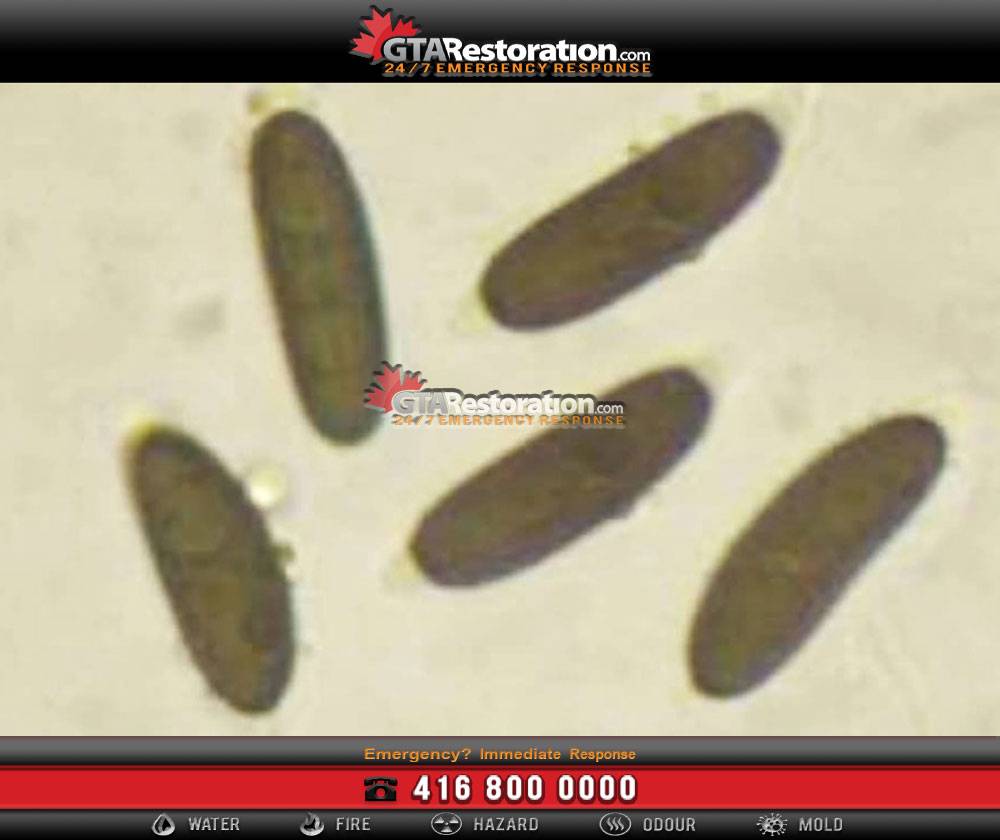
Identification: Produces single-celled, dark conidia with a pronounced hyaline rim or germ slit.
Mycotoxins produced: 3-nitropropionic acid has been reported.
Health effects: Arthrinium has been documented in some subcutaneous infections. It may also act as an allergen. No major toxic disease pattern has been clearly established.
Ascospores Fungus Mold Growth Spores
Ascospores Fungus Mold Growth Spores
Areas to be found: Ascospores develop under many environmental conditions. Some fungi produce them on fallen leaves and decaying vegetation. Rain can trigger the release of large numbers of ascospores into outdoor air. They may also appear indoors on damp materials.
Identification: Ascospores often develop in groups within a sac-like structure called an ascus. Their shape, size, and colour vary widely depending on the fungal genus.
Mycotoxins produced: These vary greatly by fungal species.
Health effects: Some fungi that produce ascospores may act as allergens. Health effects vary significantly between genera and species.
Aspergillosis Fungus Mold Spores
Aspergillosis Fungus Mold Spores
Areas to be found: Aspergillus species occur on dead leaves, stored grain, compost piles, soil, and decaying vegetation. They are common in both indoor and outdoor environments and can produce large numbers of small airborne spores.
Many Aspergillus species can break down a wide variety of organic materials. Some tolerate relatively low moisture conditions. Indoors, they may grow on wood, paper, paint, adhesives, dust, and other materials when humidity or moisture remains elevated.
Identification: Laboratories traditionally identify Aspergillus using colony appearance and microscopic structures. Features may include colony diameter, colour, texture, pigments, conidiophores, vesicles, phialides, metulae, conidia, and surface characteristics.
Health effects: Clinically important Aspergillus species include A. flavus, A. terreus, A. fumigatus, and A. niger. Inhalation represents the main route of exposure for aspergillosis. Effects can range from allergic symptoms to serious infections in people with severely weakened immune systems.
For this reason, higher-risk groups may include people receiving chemotherapy, organ transplant recipients, people with leukemia, and others with significant immune suppression.
Aureobasidium Pullulans Fungus Mold Growth Spores
Aureobasidium Pullulans Fungus Mold Growth Spores
Areas to be found: Aureobasidium pullulans occurs worldwide. It commonly acts as a saprophyte on organic material and may also occur on skin and nails.
Identification: The fungus can produce hyaline blastoconidia from vegetative hyphae. It may also form chains of darkly pigmented, thick-walled arthroconidia.
Mycotoxins produced: No major mycotoxins have been clearly established for routine indoor interpretation.
Health effects: Rare infections have included phaeohyphomycosis, keratitis, and peritonitis in susceptible patients.
Basidiospores Fungus Mold Spores
Basidiospores Fungus Mold Spores
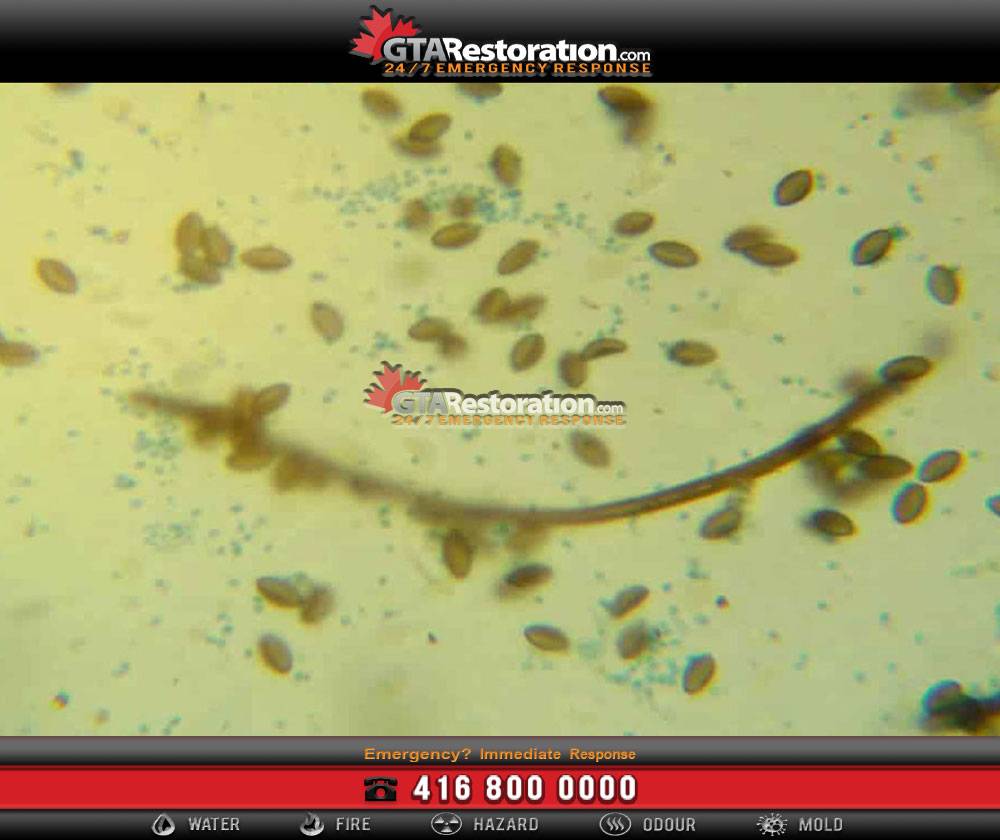
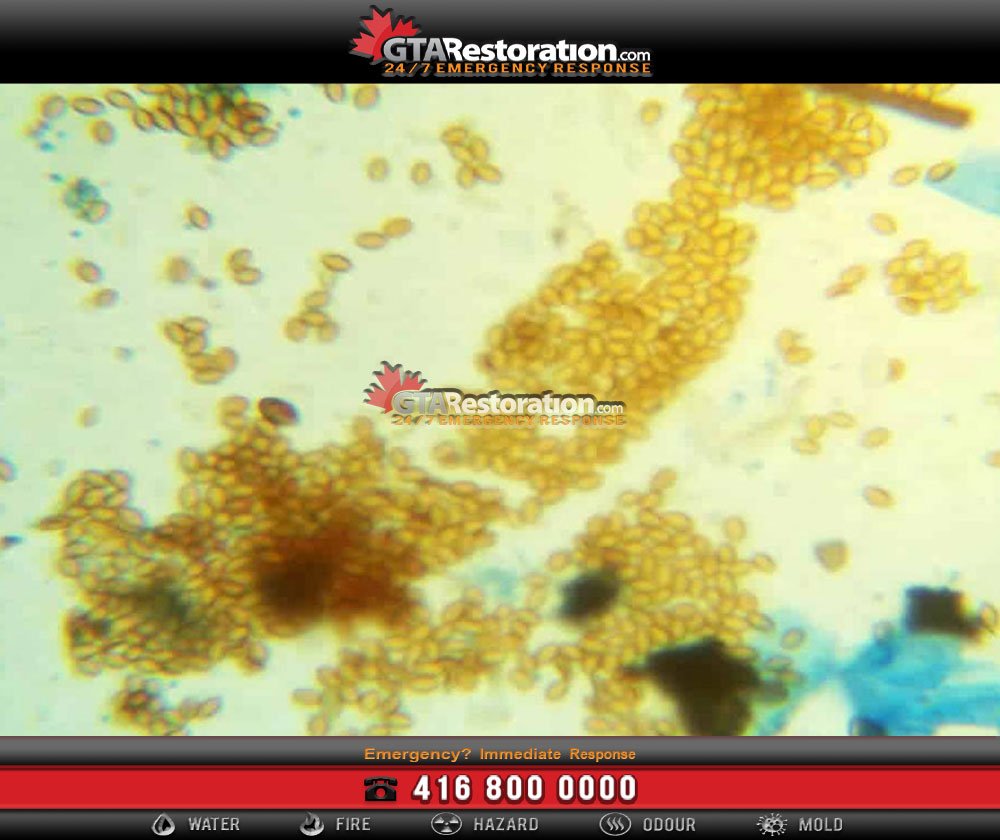
Areas to be found: Basidiospores are widespread in nature and commonly occur in gardens, forests, and wooded areas. Because moisture helps release these spores, outdoor levels often rise during rain or periods of high humidity. When indoor concentrations are much higher than outdoor levels, the results may point to an indoor fungal source or moisture problem. Indoors, some basidiomycetes can also be associated with wood decay.
Identification: Basidiospores are sexual spores produced by basidiomycetes, including mushrooms, puffballs, and bracket fungi. Their shapes, sizes, structures, and colours vary widely.
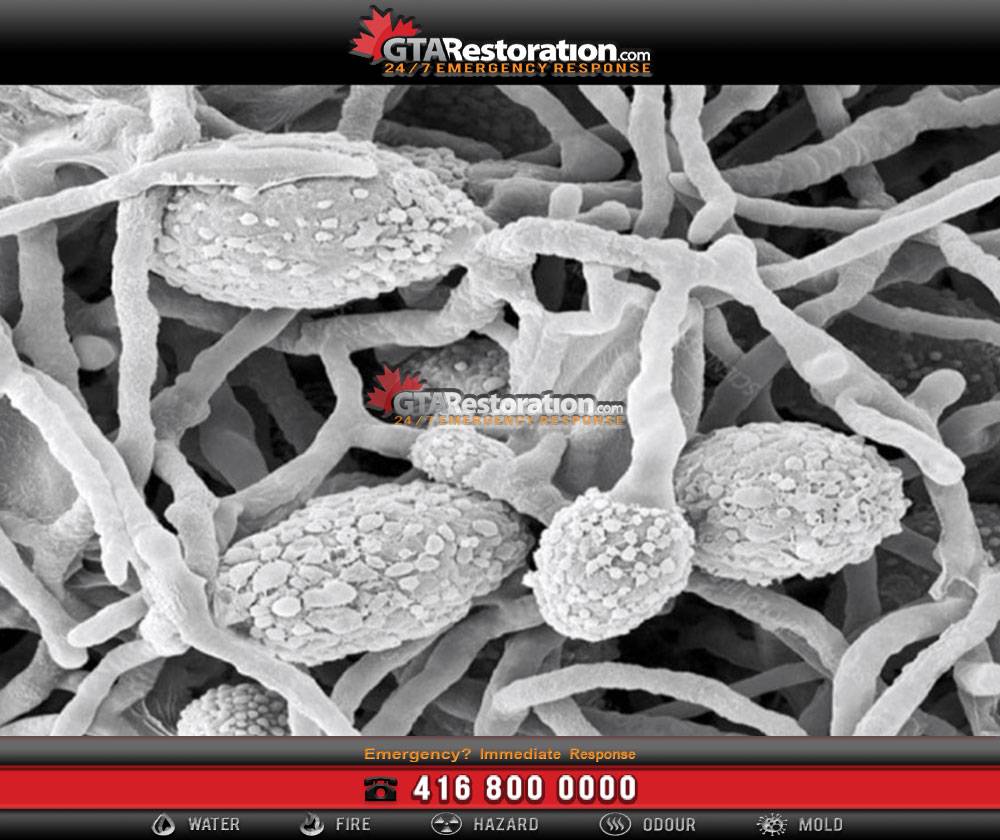
Many basidiospores are single-celled and range from approximately 5 to 12 micrometres. They may be globose, elliptical, fusiform, angular, irregular, or asymmetrical. Some have smooth walls, while others show ridges, spines, or wart-like structures.
Mycotoxins produced: Researchers have not identified any at this time.
Health effects: Basidiospores may contribute to hay fever, allergic symptoms, asthma, eczema, allergic alveolitis, nasal congestion, and other respiratory complaints in sensitive individuals.
Bipolaris & Exserohilum Fungus Mold Growth Spores
Exserohilum Fungus Mold Growth Spores
Areas to be found: These fungi may act as plant pathogens or saprobes in natural environments.
Identification: Colonies can grow moderately fast and may appear suede-like to floccose, with colours ranging from grey to dark brown or black. Microscopic examination may show pigmented conidiophores and elongated conidia.
Mycotoxins produced: Reported compounds include sterigmatocystin, bipolaroxin, BMT toxin, cytochalasins A and B, and related metabolites.
Health effects: Some species have been associated with mycotic keratitis, sinusitis, subcutaneous infections, and peritonitis in susceptible patients.
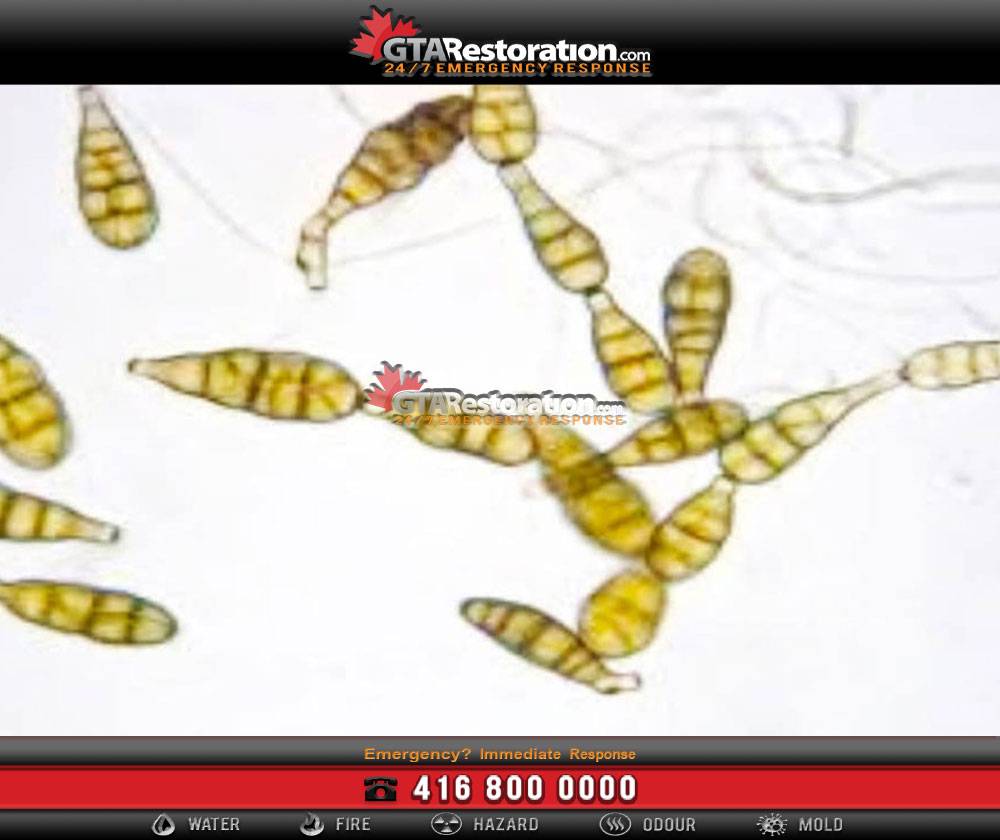
Areas to be found: Chaetomium commonly grows on cellulose-rich materials such as paper-faced drywall. Indoors, its presence often points to a history of wet conditions. It may also occur on damp window frames, wallpaper, carpet, baseboards, plywood, and other cellulose materials.
Identification: Chaetomium forms perithecia with densely hairy surfaces. Colonies often grow quickly and may appear cottony white at first. Mature colonies can change from grey to olive, tan, reddish, or nearly black.
Mycotoxins produced: Reported metabolites include chaetochromins, chaetocin, chaetoglobosins, chaetomin, cochliodinol, sterigmatocystin, and related compounds.
Health effects: Chaetomium may act as an allergen and, in rare situations, an opportunistic pathogen. Reported infections have included skin, nail, abdominal, and central nervous system involvement, primarily in susceptible or immunocompromised individuals.
Cladosporium Fungus Mold Spores
Cladosporium Fungus Mold Spores
Areas to be found: Cladosporium species occur in soil, decaying plant material, and on plants. Outdoor concentrations can vary greatly by season. Counts are generally lower in winter and much higher during warm weather.
However, indoor Cladosporium levels often reflect outdoor air, although indoor growth can also occur where moisture is present.
Identification: Colonies often grow slowly and may appear olive-brown to blackish-brown. Some colonies look grey, buff, suede-like, or powdery. Microscopic structures include pigmented hyphae, conidiophores, and conidia.
Mycotoxins produced: No major routine indoor mycotoxin profile has been established.
Health effects: Cladosporium is a common airborne allergen. Some species have also been associated with sinusitis, pulmonary infections, and rare skin infections, especially in immunocompromised people.
Curvularia Fungus Mold Spores
Curvularia Fungus Mold Spores
Areas to be found: Curvularia may grow on cellulose-containing materials, decaying vegetation, wood, grasses, grains, and soil.
Identification: Colonies commonly appear grey to black and may become darker with age. The reverse side of the colony may appear lighter.
Mycotoxins produced: Curvularol and related metabolites have been reported.
Health effects: Some Curvularia species have been associated with keratitis, sinusitis, mycetoma, nail infections, pneumonia, endocarditis, cerebral abscesses, and disseminated infections. Serious infections are more likely in immunocompromised patients.
Epicoccum Fungus Mold Spores
Epicoccum Fungus Mold Spores
Areas to be found: Epicoccum is widely distributed and commonly occurs on dead or aging plant material. It may also occur on wood, paper, textiles, food, insects, skin, soil, and indoor surfaces.
As a result, dry Epicoccum spores disperse readily in windy conditions. Outdoor counts often rise during dry, breezy weather.
Identification: Microscopic features may include hyphae, conidiophores, sporodochia, and dark mature conidia. Young conidia appear lighter and less developed. Mature spores become rougher and darker.
Mycotoxins produced: No major mycotoxins are routinely associated with indoor Epicoccum interpretation.
Health effects: Epicoccum is a common allergen and may contribute to hay fever and asthma symptoms in sensitive people.
Fusarium Fungus Mold Spores
Fusarium Fungus Mold Spores
Areas of concern: Fusarium may colonize continuously wet materials, such as soaked wall panels, humidifier reservoirs, and drip pans. It also occurs naturally in soil and on many plants. Investigators have isolated Fusarium from water-damaged carpet and other building materials.
Identification: Fusarium species may produce pale colonies with macroconidia that are curved and multicelled. Microconidia may also occur in large numbers. Some species form abundant chlamydospores.
Mycotoxins produced: Reported compounds include trichothecenes, zearalenone, fumonisins, fusaric acid, moniliformin, beauvericin, and many related metabolites.
Health effects: Human exposure may occur through contaminated food or airborne spores. Fusarium species are also known causes of certain eye, skin, and nail infections.
Graphium Fungus Mold Spores
Graphium Fungus Mold Spores
Areas to be found: Graphium species commonly occur in soil and plant material.
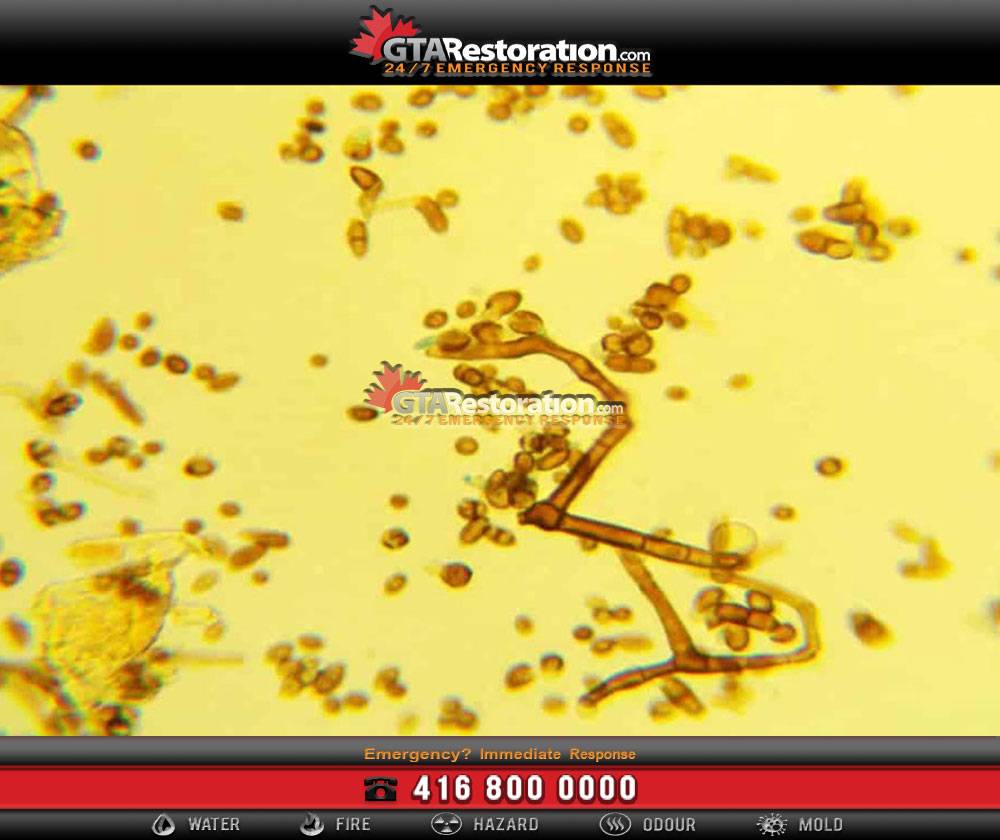
Identification: Graphium can form synnemata, which are compact groups of upright conidiophores. These structures may appear darkly pigmented and produce smooth, single-celled conidia near their tips.
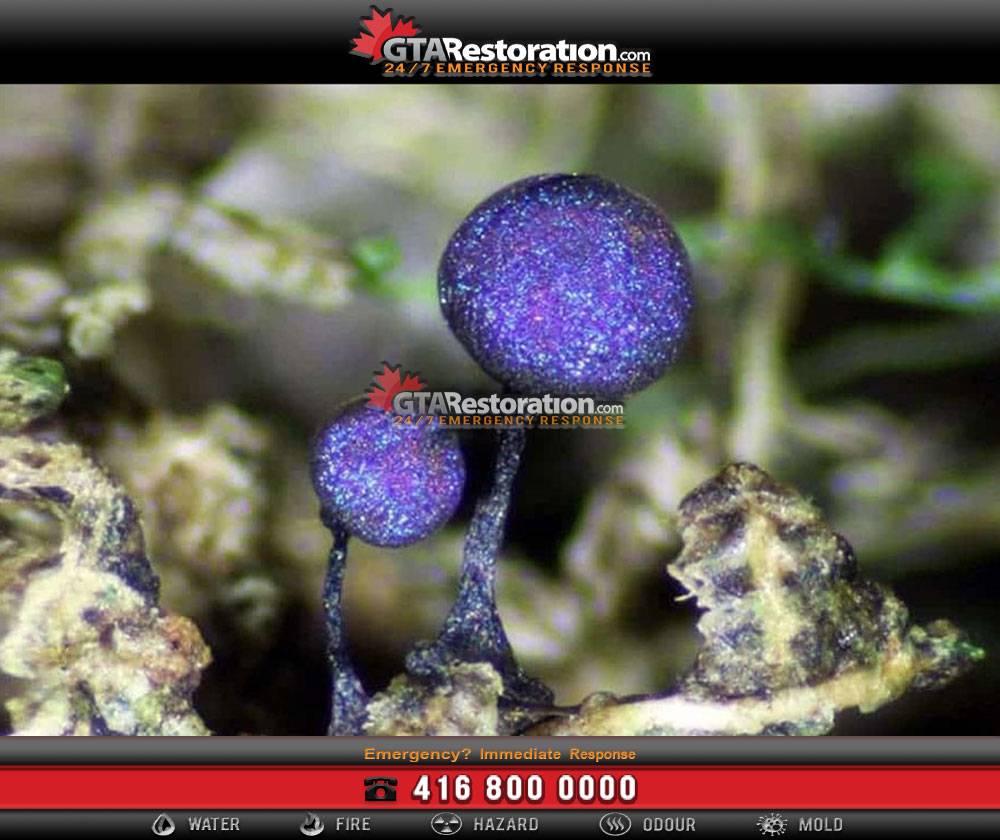
Myxogastria Fungus Mold Spores
Myxogastria Fungus Mold Spores
Areas to be found: Myxogastria commonly occur on decaying logs, stumps, dead leaves, mulch, grass, and other outdoor organic material. Wind may disperse the dry spores from mature fruiting structures.
Identification: Slime mold colonies may appear in bright colours such as yellow, orange, red, or cream. Their appearance can change significantly as they mature.
Mycotoxins produced: Researchers have not routinely identified any for this group.
Health effects: Airborne spores may contribute to allergic responses in some sensitive individuals.
Nigrospora sphaerica – Areas to be found: Widely distributed in soil, decaying plants, and seeds.
Identification: A darkly pigmented filamentous fungus that produces dark, smooth, single-celled conidia.
Health effects: Rare reports have associated Nigrospora with skin lesions and keratitis.
Non-Sporulating Fungi Mold Spores
Non Sporulating Fungi Mold Spores
Areas to be found: Non-sporulating fungi may grow on many different substrates.
Identification: Identifying a fungus can be difficult when it does not produce spores under laboratory culture conditions. Some fungi remain as sterile mycelium during testing. Without distinctive reproductive structures, a laboratory may only report them as non-sporulating fungi.
Depending on the organism, the mycelium may appear colourless or pigmented, septate or non-septate.
Mycotoxins produced: No single mycotoxin profile applies to this broad category.
Health effects: Some non-sporulating fungi may act as allergens or irritants and may contribute to hypersensitivity reactions in susceptible individuals.
Penicillium Fungus Mold Spores
Penicillium Fungus Mold Spores
Areas to be found: Penicillium species occur in soil, food, cellulose materials, grains, paint, carpet, wallpaper, fiberglass duct insulation, and decaying vegetation.
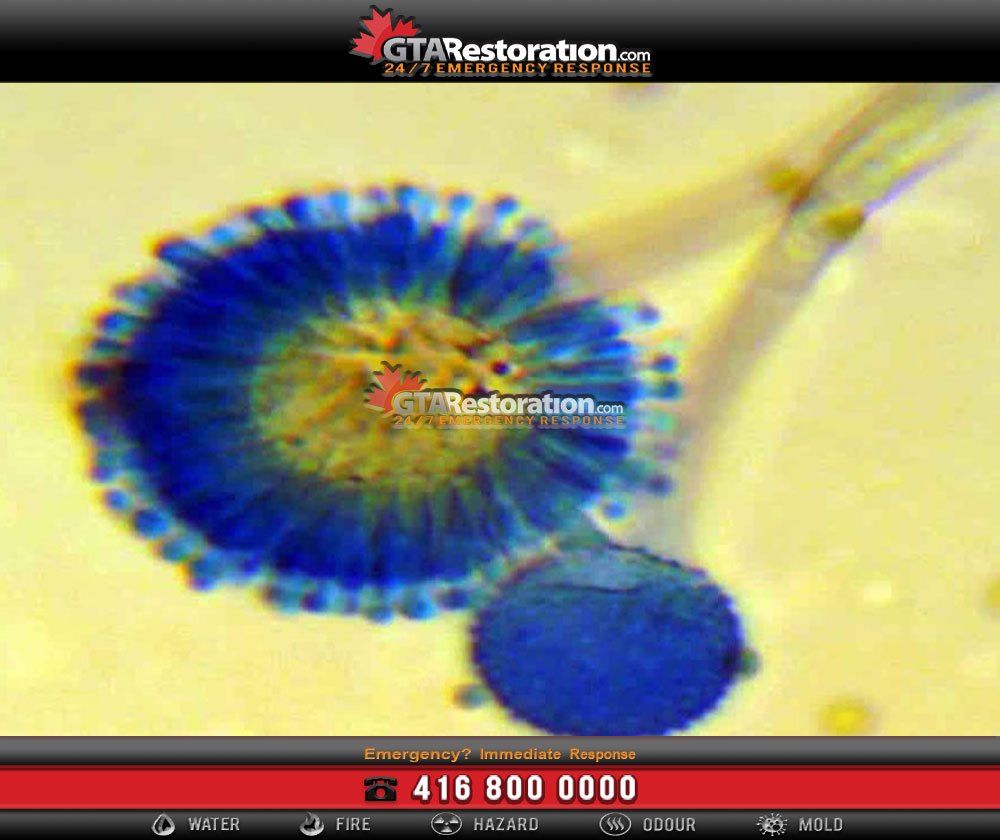
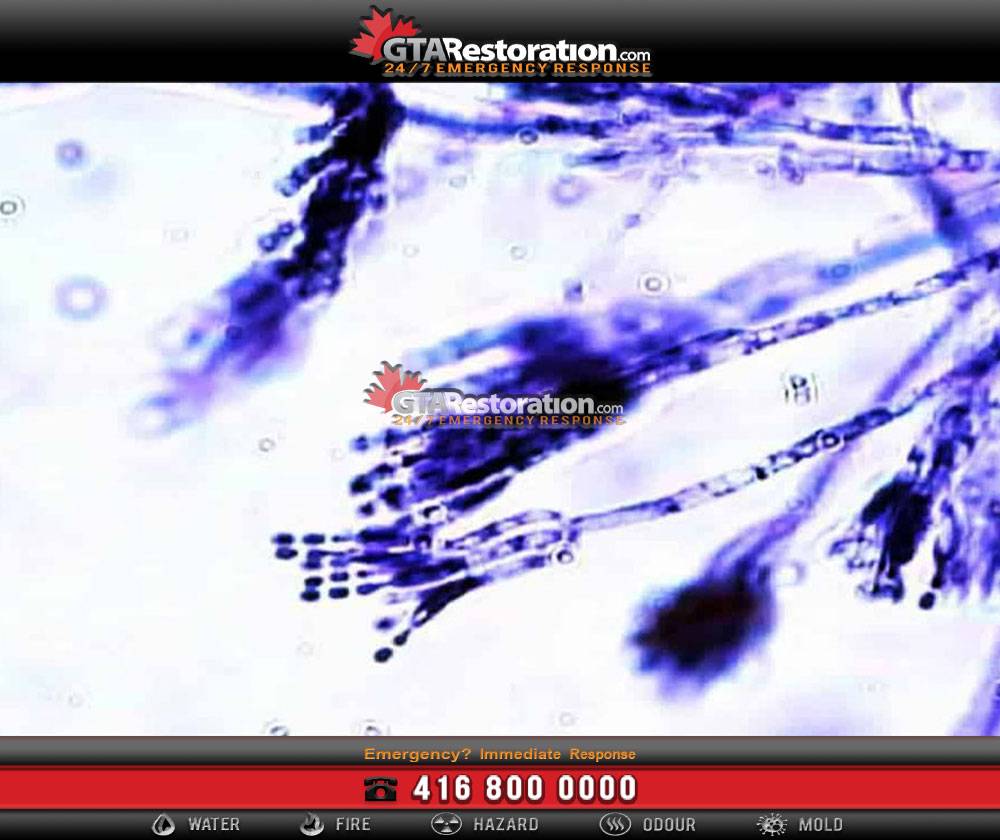
Identification: Penicillium species form characteristic brush-like microscopic structures. Depending on the species, phialides may appear alone, in groups, or on branched structures.
Conidiophores may have smooth or rough walls. Conidia may be spherical, ellipsoid, cylindrical, or fusiform. Colours can range from nearly colourless to greenish.
Mycotoxins produced: Reported compounds include citrinin, citreoviridin, patulin, penitrem, islanditoxin, ochratoxin, sterigmatocystin, viomellein, rubratoxin, and related metabolites.
Health effects: Research has linked damp buildings and mold sensitization with increased respiratory symptoms in some people. Penicillium may contribute to hypersensitivity pneumonitis, asthma, and allergic reactions in susceptible individuals.
Rare infections involving Penicillium species have been reported, particularly among immunocompromised patients.
Pithomyces chartarum Fungus Mold Spores
Pithomyces Chartarum Fungus Mold Spores
Areas to be found: Pithomyces chartarum commonly occurs on grass and rotting plant material.
Identification: Colonies may grow quickly and have a woolly texture. Surface colours range from light grey to dark grey or brown. Conidia are typically dark and multicelled.
Mycotoxins produced: Sporidesmin.
Health effects: Pithomyces may act as an allergen or irritant and may contribute to hypersensitivity reactions in susceptible individuals.
Rhizopus Fungus Mold Spores
Rizopus Fungus Mold Spores
Areas to be found: Rhizopus commonly occurs in soil, decaying vegetation, food, and animal or bird waste.
Identification: Many Rhizopus species grow rapidly. They may produce tall sporangiophores, rhizoids, and rounded sporangia.
Mycotoxins produced: Rhizonin A has been reported in some species.
Health effects: Rhizopus species are important causes of mucormycosis in severely immunocompromised individuals. Infections may involve the sinuses, lungs, brain, eyes, or skin.
Stachybotrys Fungus Mold Spores
Stachybotrys Fungus Mold Spores
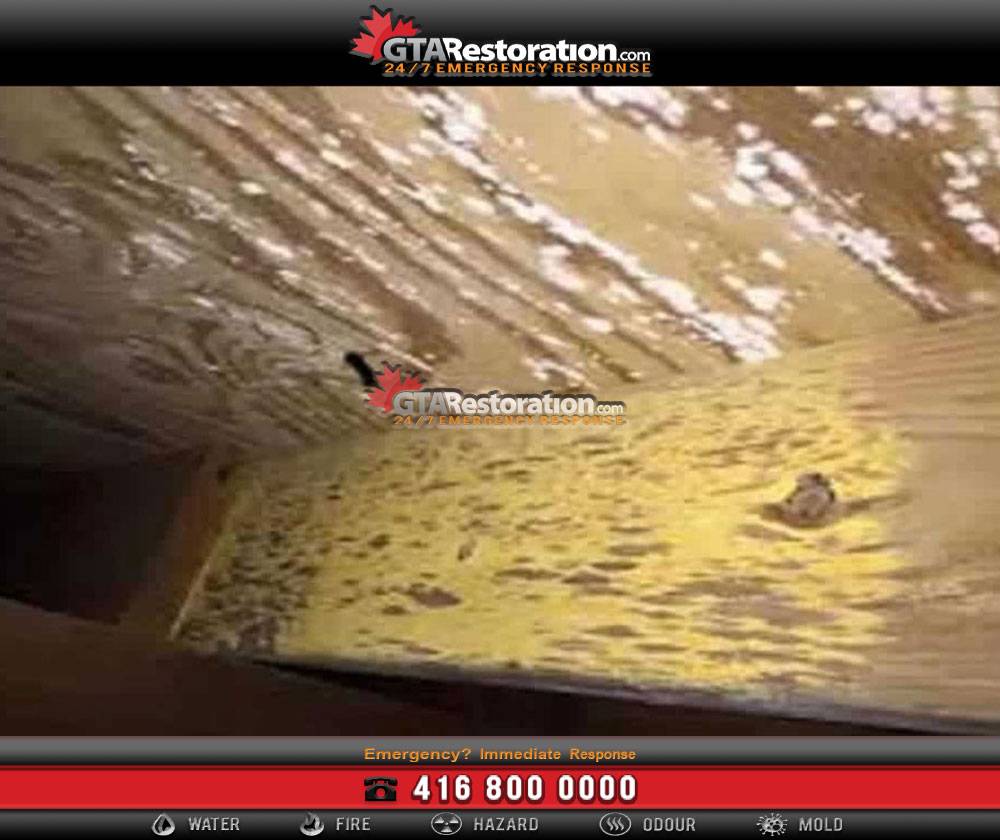
Areas to be found: Stachybotrys grows best on materials with a high cellulose content that remain chronically wet. Common examples include drywall, ceiling tiles, jute-backed carpet, paper products, and other water-damaged building materials.
Identification: Colonies may grow at a moderate rate. Depending on the substrate and stage of growth, colours can vary from white or pink to dark green or black.
Mycotoxins produced: Reported compounds include roridin E, trichoverrols, verrucarins, satratoxins F, G and H, trichoverrins, and related metabolites.
Health effects: Stachybotrys exposure can cause irritation or allergy-like symptoms in some people. It has also been studied in connection with rare infant pulmonary bleeding cases in heavily contaminated environments, although the relationship remains complex and should be interpreted cautiously.
Other possible complaints associated with damp or mold-contaminated environments include eye irritation, respiratory symptoms, worsening asthma, headaches, or fatigue in sensitive individuals.
Ulocladium Fungus Mold Spores
Ulocladium Fungus Mold Spores
Areas to be found: Ulocladium may occur on gypsum, paper, paint, straw, and other materials exposed to significant moisture.
Identification: Colonies often grow at a moderate rate and may appear woolly or cottony. Pigmentation commonly ranges from olive-brown to black. Microscopic examination may show brown septate hyphae and dark multicelled conidia.
Mycotoxins produced: Researchers have not clearly established major mycotoxins for routine indoor interpretation.
Health effects: Ulocladium may act as an allergen and has occasionally been associated with fungal infections, including rare subcutaneous infections.
//// ☛ \\\\\\\ Related Restoration Service Pages Gallery You May Also Like!
Need a Fast Service? Let the experts help! Guarantee 100% satisfaction.
We Service all GTA within 45 Min Response Time!
“FREE VISUAL Estimate”
“Restoration & Remediation”
Do you need water removal services in your home or office? Are your floors, walls, or furniture suffering from a flood? If you have water damage in your home or office, let the professionals give you a free estimate on water removal. Permanent Damage and Mold Contamination can be avoided, but the longer you wait to call the more damage is being done to your property!
Water Damage Cleanup
Occasionally, you can remove the water yourself. However, depending on the amount of water, a professional restoration company may be needed to properly disinfect and sanitize affected areas to prevent unhealthy living conditions and additional damage to your property.
Water damage can cause mold and mildew to start forming on the damaged areas. This will cause a musky odor to be emitted throughout your living spaces. Various reports issued by professionals in the medical field state it is dangerous for your family, or people suffering from breathing problems.
Water Damage Repair
We operate 24 hours a day, 7 days a week. We will deploy a certified technician immediately to assist with clean up and sanitation. It is essential that all of the infected areas are treated, including floor boards, carpets, walls, or furniture.
Commercial & Residential Property Inspection
GTA Restoration uses the newest technology and equipment, as well as takes advantage of years of experience to quickly and efficiently find the cause of problems. Our latest equipment lets us find problems without having to take buildings apart or destroy anything.
Helping you, every step of the way!
We understand that any situation involving Biohazards Waste Contamination in your home or business can cause stress and anxiety, which is why ContactGTA Restorationright away @ (800) 506-6048 for dependable & experienced biohazard cleanup & remediation services.
Nationwide, Local Pricing
GTA Restoration offers local flood & water damage repair, mold removal/remediation, asbestos removal/abatement, fire/smoke damage repair services and much more.