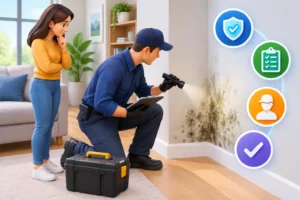
Visual home mold inspection with a flashlight in a kitchen.


Home Mold Testing: Clear Answers for Your Home

Home mold testing may help with a question that a site check has not resolved. However, a test cannot prove a home is free of mould or safe for everyone. First, ask what the test could tell you.

Peace of mind starts with clear findings and a practical plan. Home mold testing is one possible tool. First, check for dampness, leaks and visible growth. Then, ask whether samples would help you choose what to do before paying for them.

Call Us: 416-800-0000

Start with a Home Mould Assessment

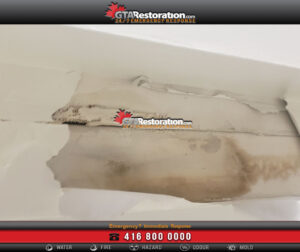
A musty smell, stained ceiling or damp cupboard deserves a closer look. The visit checks the building and the source of moisture. It should also review past leaks, floods and repairs.

For example, the inspector may check walls, floors, windows and pipes that can be reached. Moisture tools can help locate damp spots. However, the visit cannot see inside every closed wall. Our visual inspection appointments offer a place to start.

When Home Mold Testing May Help

In some cases, a full inspection leaves some questions open. For example, past water damage may raise questions about a hidden area. A trained assessor may suggest targeted samples to guide further checks.

Before agreeing, ask what the test will answer. Also, ask how each result would change the plan. If the answer will not affect the work, home mold testing may add cost without helping you decide what to do.

When Samples Usually Add Little

If you can already see mould, you often do not need samples. Instead, the priority is to fix the moisture source and plan suitable cleanup. The EPA’s advice on when testing is useful explains this distinction.

Likewise, a home does not need an air test simply because another year has passed. Health Canada generally advises against routine air testing for mould. Regular checks for leaks and dampness are a more useful place to start.

What Mould Sampling Can Show

An air sample collects spores from the air during a set time. A surface sample checks material collected from one spot. Therefore, where and how you take samples matters.

A lab may report counts or types found in those samples. However, those findings do not describe every room or hidden space. The assessor must explain them along with site conditions, moisture findings and the reason for testing. Ask for that explanation in plain language.

Why One Result Cannot Clear the Whole Home

Mould spores are found indoors and outdoors. Therefore, finding spores does not by itself prove that growth is happening inside. Likewise, a low count cannot rule out hidden growth.

Home mold testing gives a snapshot of the sampled space. A short sample may miss a problem elsewhere or at another time. There is no single spore count that proves a home is safe for every person. Avoid treating a simple pass-or-fail label as the full answer.

Health Concerns Need Medical Advice

Mould can cause allergic symptoms and trigger asthma symptoms in some people. However, a building test cannot diagnose an illness or prove what caused someone’s symptoms.

If you think dampness or mould is affecting your health, speak with a healthcare professional. At the same time, arrange checks for the building problem. Also, colour alone cannot tell you how harmful the mould may be.

Before Buying, Selling or Renting

A home mould assessment may help explain stains, musty smells or past leaks. First, review the property’s condition and any records of repairs. Then, ask whether more checks are needed.

A report can help you discuss repairs and questions that remain. However, an air test cannot prove that problems will never return or replace other property checks. Tenants should also report leaks and visible growth to the landlord or property manager promptly.

Planning Home Mold Testing and Next Steps

If testing has a clear purpose, agree on the scope before the visit. This helps you understand what you are paying for and what you can learn from the findings.

Choose a Clear Testing Plan

Ask about the assessor’s training and experience with similar homes. Then, confirm sample locations, lab fees and the written report. Also, check whether the lab is accredited for the methods it will use.

Ask when the results will be ready and who will explain them. A free visual visit does not automatically include lab work. If the same company offers cleanup, ask how it will explain the need for that work. For a large or disputed job, consider an independent review.

Prepare for a Home Mould Assessment

  • Share the history: Note when smells, stains or leaks first appeared.
  • Keep useful records: Gather photos and details of past repairs.
  • Allow safe access: Make the areas of concern easy to reach where practical.
  • Ask about preparation: Follow the assessor’s instructions for any planned samples.

However, do not delay urgent leak repairs to preserve testing conditions. Also, avoid opening suspect walls yourself or disturbing visible growth just to collect a sample.

Turn Findings into Action

The most useful report explains what was found, what remains uncertain and what to do next. It may recommend leak repairs, better moisture control, drying or a closer look at a hidden space.

If cleanup is needed, our mould removal team can discuss the affected materials and work involved. Meanwhile, our water damage service can help address wet areas after a leak or flood.

Check the Repairs and Cleanup

Finally, check that repairs fixed the moisture source and the crew completed the agreed cleanup. Follow-up checks should consider dry materials, visible conditions and any returning odours. Samples may be part of a specific plan, but they are not always needed.

The EPA’s guide to moisture and mould explains why fixing water problems matters. Home mold testing can help when it leads to useful action. To build confidence, fix the cause and check that the repairs work.


Concerned About Mould or Dampness?

Call GTA Restoration to discuss your concerns, arrange a site check and review the next steps.

Call Us: 416-800-0000

Learn More

Visual Inspection Appointments | Mould Removal | Water Damage Help
Share this... Spread the word!


Home Mold Testing: A Practical Checklist

Start with the concern you want to resolve. Then, choose a visit or test that helps explain the problem and next steps.

1. Note the Signs

Record musty smells, leaks and stains. Also, note when they started and whether the area has flooded or stayed damp.

2. Inspect First

Arrange a check of visible conditions and moisture sources. Often, these findings help guide the work without taking samples.

3. Ask Why Testing Helps

If samples are proposed, ask what they will answer. Then, discuss how the results might change the next step.

4. Agree on the Cost

Confirm sample, lab and report fees. Also, ask about charges for extra visits and when you can expect the findings.

5. Know the Limits

A result covers selected samples. Therefore, it cannot prove the whole home is mould-free or diagnose a health problem.

6. Request Clear Advice

Ask for findings and a written plan. Also, have the assessor explain any gaps, limits or areas that need more checks.

7. Fix the Moisture

Arrange leak repairs and suitable cleanup. Testing alone cannot dry wet walls, remove growth or stop water from coming back.

8. Check the Outcome

Finally, review the work and watch for returning dampness. Base the next step on site findings and the agreed plan.


Unsure where to start?
Call GTA Restoration to discuss your property and the next steps.

Call Us: 416-800-0000


GTA Service Centre


Home Mold Testing: Common Questions

Do I need a test for visible mould?

Usually not. Instead, focus on fixing leaks and planning cleanup. Ask whether samples would change the work.

When might testing help?

It may help with a question left open after a site check. First, ask what the test would change.

Can a result prove my home is safe?

No single result can do that. Also, an air sample cannot rule out every hidden problem.

Can testing explain my symptoms?

A building test cannot tell you why you feel ill. Instead, speak with your doctor about symptoms.

Are samples part of a free visit?

Not always. First, check what the visit includes and ask about lab and report fees.

What should happen after the report?

Read the findings with the assessor. Then, agree on repairs, cleanup or more checks if needed.


Learn more ↴


Direct Billing & Insurance Claims

Ask your insurer about coverage, deductibles and the records it needs.


Payment options

In-House Financing Available

Financing up to 24 months. No interest. No money down. Ask us about the terms.


Certifications & Insurance

View our firm certification, technician qualifications and insurance documents.

IICRC Certified Firm

GTA Restoration Inc.

Firm number 199912
Valid through

View IICRC certificate (PDF) — opens in a new tab

Business Insurance

GTA Restoration Group Inc.

$5 million general liability per occurrence
$8 million contractors pollution per claim
–

View insurance certificate (PDF) — opens in a new tab

IICRC Technician Qualifications

Tony Sokol T. Lleshi · Registration 214520
Valid through

Water Damage Restoration · Fire & Smoke Damage Restoration · Applied Microbial Remediation · Odor Control · Trauma & Crime Scene

View technician verification (PDF) — opens in a new tab

Insurance is subject to policy terms, conditions and exclusions.


Emergency? 24/7 Restoration Help

416-800-0000

416-800-0000

We cover all GTA 24/7.

Head Office:
250 Consumers Rd,
#10
Toronto, ON
M2J 4V6,
Open 24 hours

Downtown Office:
1 Toronto St,
#10
Toronto, ON
M5W 1A1,
Open 24 hours

For non-emergencies use our contact form

    Not sure what you need?

    Call us today to find the best product for your situation.

    416-800-0000 416-800-0000

    Head Office:
    101 Lebovic Ave,
    Unit #10
    Scarborough,
    ON, M1L 4T7
    Hours
    24-Hours Open

    Downtown Office:
    250 Yonge Street,
    Unit #1A
    Toronto,
    ON, M5B 2L7
    Hours
    24-Hours Open

    Can Home Mold Testing Give You Peace of Mind?

    Get a quote today



      Emergency? Click to Call!