For non-emergencies use our contact form
Why You Should Not Ignore Roof Leak Repair

Protect Your Property and Avoid Larger Repair Costs
A roof leak may start as a small drip or ceiling stain, but water can travel far beyond the area you can see. If you delay roof leak repair, moisture may reach drywall, insulation, ceilings, framing and other building materials. As a result, a small problem can become a much larger restoration project.
Early action can also help limit unnecessary repair costs. Instead of waiting for visible damage to spread, identify the source of the leak and arrange the appropriate repair as soon as possible. The final roof leak repair cost will depend on the source, roofing material, extent of damage and whether water has entered the building.
Small Roof Leaks Can Cause Hidden Water Damage
A ceiling stain does not always show the exact point where water entered the roof. Water may travel along rafters, roof decking, insulation or other building materials before it becomes visible indoors. Therefore, the leak may affect a larger area than the stain suggests.
Over time, repeated moisture can damage paint, drywall, insulation and wood components. In addition, damp materials may develop musty odours or create conditions that support mould growth. Finding the source early can help reduce the amount of material that requires repair or removal.
What Affects Roof Leak Repair Cost?
There is no single price for every leaking roof. Several factors can affect the cost of repair, including the type of roofing material, location of the leak, accessibility, weather conditions and amount of damage beneath the roof surface.
For example, repairs involving a small damaged area may differ significantly from problems involving flashing, roof penetrations, widespread storm damage or deteriorated roof decking. Interior water damage can also add restoration costs if moisture reaches insulation, drywall, ceilings or flooring.
For this reason, a proper inspection is more useful than guessing from the size of the visible stain. An inspection can help determine whether the situation requires a localized repair, temporary protection or more extensive roofing work.
Signs That You May Need Roof Leak Repair
Some roof leaks become obvious during heavy rain, while others develop slowly. Watch for signs such as:
- Brown or yellow water stains on ceilings or walls
- Peeling, bubbling or blistering paint
- Musty odours in the attic or upper floor
- Wet or compressed insulation
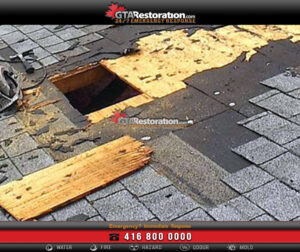
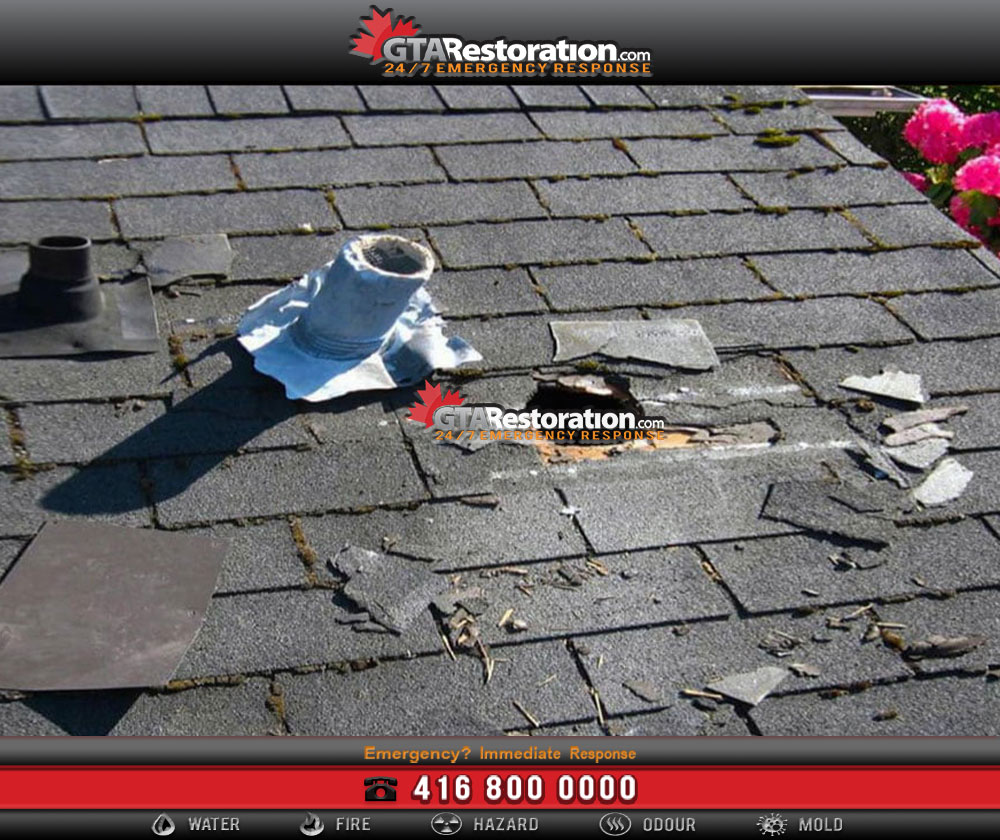
- Missing, cracked or curled shingles
- Damaged flashing around vents, chimneys or roof edges
- Water appearing after rain, snowmelt or storms
- Recurring moisture near the same ceiling or wall area
If you notice these warning signs, do not rely on the stain disappearing after the weather clears. The surface may dry while moisture remains inside the roof or wall assembly.
Roof Leaks and Mould Risk
Persistent moisture can create conditions that support mould growth. However, a water stain or musty smell does not automatically confirm mould contamination. The first step is to stop the water source and determine how far the moisture has travelled.
If building materials remain wet, moisture testing can help identify affected areas. When visible mould or ongoing moisture is present, professional assessment and remediation may also be necessary.
Roof Leaks Can Damage Insulation and Building Materials
Wet insulation may lose some of its effectiveness, while drywall can soften, swell or stain. Wood framing and roof decking can also remain damp after repeated leaks. The amount of damage depends on how long the materials stayed wet, the type of water intrusion and how quickly drying begins.
Not every wet material requires removal. In some cases, technicians can dry and preserve affected materials. However, heavily damaged, contaminated or deteriorated materials may need replacement.
Temporary Protection vs. Permanent Roof Repair
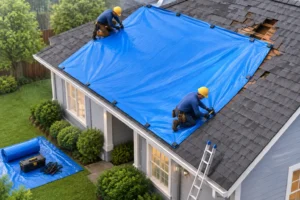
During severe weather, permanent repairs may not always be safe or practical. In those situations, temporary protection may help limit additional water entry until conditions allow proper repairs.
Temporary measures are not the same as permanent roof repair. Once weather conditions improve, a qualified roofing professional should inspect the affected area and complete the necessary repair.
When Interior Water Damage Restoration Is Needed
Stopping the roof leak addresses the exterior source, but it does not automatically dry the building materials inside the property. If water has entered ceilings, walls, insulation or flooring, the interior may also need water extraction, moisture detection and structural drying.
GTA Restoration provides professional water damage restoration for properties affected by roof leaks and other sources of water intrusion. Moisture mapping and drying equipment can help determine whether hidden materials remain wet after the roofing issue is controlled.
Do Not Ignore Electrical Safety
Water entering through a ceiling can reach light fixtures, wiring or electrical equipment. If you see water near electrical components, avoid touching the affected area and contact a qualified professional. Do not assume the area is safe simply because the visible dripping has stopped.
Professional Roof Leak Inspection and Repair
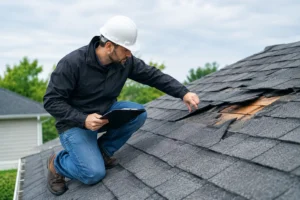
Roof work involves height, weather exposure and fall hazards. For that reason, homeowners should avoid climbing onto a wet, icy or damaged roof. A roofing professional can inspect shingles, flashing, penetrations and other possible entry points while following appropriate safety procedures.
If the leak is active or severe, visit our emergency roofing Toronto page for information about urgent roof protection and repair.
For additional information about managing moisture and preventing mould after water intrusion, see Health Canada’s guidance on moisture and mould.
Prevent Future Roof Leaks
Routine inspection and maintenance can help identify small roofing problems before they allow water into the building. Check for damaged shingles, loose flashing, clogged drainage areas and visible deterioration after major storms or seasonal weather changes.
Also inspect attics and upper floors for new staining, damp insulation or musty odours. Finding these signs early can help you address the source before moisture spreads through additional building materials.
Address Roof Leaks Before the Damage Spreads
A leaking roof does not always require major reconstruction, but delaying repairs can allow moisture to spread. The safest approach is to identify the source, stop further water entry and determine whether interior materials also require drying or restoration.
Prompt roof leak repair can help protect ceilings, insulation, walls and other building materials while reducing the chance that a small leak develops into a larger property-damage issue.


You must be logged in to post a comment.