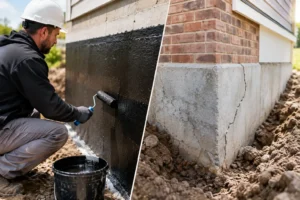
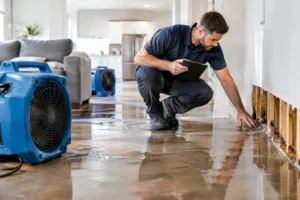
A wet basement, smoke-stained room, or sewer backup can turn normal routines into urgent decisions. Knowing what records help insurance claims gives you a clearer account of what happened, what was affected, and what steps were taken to protect the property. Your insurer decides coverage, but organized records can support their review and reduce avoidable gaps in the claim file.
Start only after the area is safe to enter. If water is near electrical equipment, the structure appears unsafe, or sewage is present, stay clear and arrange qualified help. Preventing further damage matters, but do not throw away damaged materials, start major repairs, or sign off on work without first documenting conditions and following your insurer’s reporting instructions.
What Records Help Insurance Claims?
The strongest claim file usually tells a simple, consistent story: when you found the damage, what likely caused it, what was damaged, and what actions were needed right away. Photos, written notes, receipts, and contractor records each cover a different part of that story.
Photos and video of the initial damage
Take wide photos first. Show the room, the source area if visible, affected walls and floors, and standing water or debris. Then take closer images of damaged furniture, contents, finishes, appliances, and visible staining.
Video can provide helpful context for active leaks, water movement, or widespread damage. Narrate carefully if you do: state the date, room, and visible condition. Avoid guessing at the cause unless a qualified assessment confirms it.
Use your phone’s original files when possible. Keep copies in cloud storage, email them to yourself, or save them somewhere outside the affected property. Do not edit images in a way that changes their appearance.
A timeline of discovery and action
Write down when you first noticed the problem, when you reported it, and what you did next. Include practical details such as shutting off water, moving dry items, calling building management, or arranging emergency cleanup.
A timeline is especially useful when damage develops over several hours or days. For example, a supply line leak may begin inside a cabinet but later affect flooring, a lower ceiling, or a neighboring condo unit. Clear notes help distinguish what you observed from what someone later assessed.
A room-by-room inventory
Create an inventory before items are removed, discarded, or moved off-site. List the item, brand or description, age if known, purchase price if available, and the type of damage. Add photos beside higher-value items and group smaller household goods by category when individual listing is impractical.
For business properties, include equipment, stock, furnishings, paper files, and affected work areas. Property managers should also record common-area damage and unit numbers without sharing unnecessary tenant information.
Receipts, order confirmations, warranty papers, and prior appraisal documents may help establish ownership or value. If you cannot find them, list what you know honestly. Do not estimate an amount as a fact when it is only a rough guess.
Records From Cleanup, Drying, and Repairs
Emergency mitigation records show how the property was stabilized after the loss. They do not determine policy coverage, but they can explain why immediate work was needed to limit further damage.
A restoration provider may document the affected areas, moisture readings, materials removed, equipment placed, daily drying checks, photos, and an itemized estimate. Moisture readings show whether building materials still hold excess water. This information can help explain why drying, removal, or further investigation was recommended.
Keep copies of work authorizations, invoices, equipment records, disposal receipts, and repair estimates. If work involves a suspected leak, ask for the assessment notes that identify the visible conditions and any testing completed. A report should separate confirmed findings from possible causes.
GTA Restoration can provide assessment photos, drying records, cleanup documentation, and estimates for relevant water, sewage, fire, or smoke damage work. Those records support communication with your insurer, but the insurer remains responsible for deciding what your policy covers.
Receipts for reasonable emergency expenses
Save receipts for costs connected to protecting the property or meeting immediate needs. Depending on the situation, this may include emergency plumbing, temporary accommodation, laundry, storage, cleaning supplies, or meals. Your policy and insurer determine whether an expense is eligible.
Keep the receipt, proof of payment, and a short note explaining why the expense was necessary. Separate emergency costs from ordinary household spending. That makes the file easier to review and helps avoid confusion later.
Claims Records for Condos, Rentals, and Commercial Spaces
Ownership and responsibility can be less clear when several parties are involved. Good records help each party understand the damage without assuming who must pay.
Condo owners and tenants
Notify the condo corporation or property manager promptly if water may affect common elements, another unit, or a shared building system. Record the date, time, contact name, and instructions received. Keep copies of notices, incident reports, and correspondence with your insurer.
Condo owners should retain their unit documents and any repair direction from management. Tenants should document personal belongings and report damage to both the landlord or manager and their insurer. Neither group should assume that another policy will cover every loss.
Landlords and property managers
Maintain maintenance records, inspection notes, prior repair invoices, and communication logs. These documents may help establish the property’s condition before the event and show what happened after it was reported.
For a multi-unit property, record access arrangements, affected suites, shared-system concerns, and steps taken to reduce disruption. Protect tenant privacy by limiting claim records to relevant property and incident details.
Commercial and facilities teams
Facilities teams should keep incident reports, maintenance logs, access records, equipment inventories, and vendor documentation together. Business interruption records may also matter, but the insurer will advise what evidence it needs under the policy.
Make a copy of important digital records early. Water, smoke, and loss of power can affect computers, paper files, and onsite servers. Do not attempt to recover damaged electrical equipment until it has been assessed safely.
Avoid Gaps That Can Complicate Review
Do not wait for perfect information before reporting a loss. Report promptly, then add records as you receive them. Ask your insurer how it wants estimates, photos, inventories, and receipts delivered, and keep a copy of everything you send.
Avoid discarding damaged materials until your insurer has had a chance to advise you, unless they create an immediate health or safety concern. Photograph the item first and retain labels, serial numbers, or samples where safe. With sewage contamination, mold concerns, or heavily smoke-damaged materials, prioritize safe handling over storage.
Keep conversations in one simple log. Note the date, the person or company, the subject discussed, and any next step. This is not about building a legal case. It is about making sure important instructions and decisions do not get lost during a stressful cleanup.
The most useful record is often the one made early, while the conditions are still visible. Take clear photos, save every relevant document, and get professional help when the damage needs safe cleanup or drying.
After property damage, clear records and safe mitigation can move forward together. Keep originals where possible and share copies only with the parties who need them.
Emergency Damage Documentation
We can photograph visible damage and affected areas before cleanup begins, helping create a practical record of initial property conditions.
Water Damage Assessment
Assessment notes can identify visible water impact, affected materials, and moisture readings that support drying and repair planning.
Flooded Basement Cleanup
Flood cleanup records may include photos, extraction details, disposal documentation, and drying checks for affected basement materials.
Sewer Backup Cleanup
Sewage backup requires careful documentation and safe removal. Keep records of contaminated materials and emergency cleanup actions taken.
Leak Detection Records
Leak investigation notes can describe visible findings and testing performed. They should distinguish confirmed conditions from possible causes.
Fire and Smoke Cleanup
Photos and cleaning records can show soot, smoke residue, and odor conditions before restoration work begins in affected spaces.
Condo Damage Coordination
For condo losses, we can document unit conditions and restoration work while you coordinate access and notices with building management.
Repair Estimates and Work Records
Itemized estimates, work authorizations, invoices, and drying records can help explain restoration recommendations to your insurer.
For assessment, cleanup documentation, and property restoration support in Toronto and the GTA, call GTA Restoration at 416-800-0000.
GTA Restoration serves communities across Canada, including Toronto and the GTA. U.S. locations are opening. Browse our Canadian service areas below, and contact us to confirm services and availability for your address.
Should I photograph damage before emergency cleanup starts?
Yes, if it is safe. Take wide and close photos first, then prioritize stopping further damage and arranging appropriate cleanup.
Can I throw away wet or contaminated belongings?
Photograph items first and ask your insurer for direction when possible. Discard materials promptly if they pose a health or safety risk.
What receipts should I save after a property loss?
Keep emergency cleanup, plumbing, storage, lodging, and replacement receipts. Add proof of payment and a short explanation for each expense.
Does a restoration estimate guarantee insurance coverage?
No. An estimate explains proposed work and costs. Your insurer reviews your policy, loss details, and supporting records before deciding coverage.
How should a condo owner document water damage?
Record the unit, visible source, affected belongings, and communications with management. Keep restoration records and report the loss to your insurer promptly.