
Emergency? 24-Hrs
416.800.0000
Emergency? 24-Hrs
416.800.0000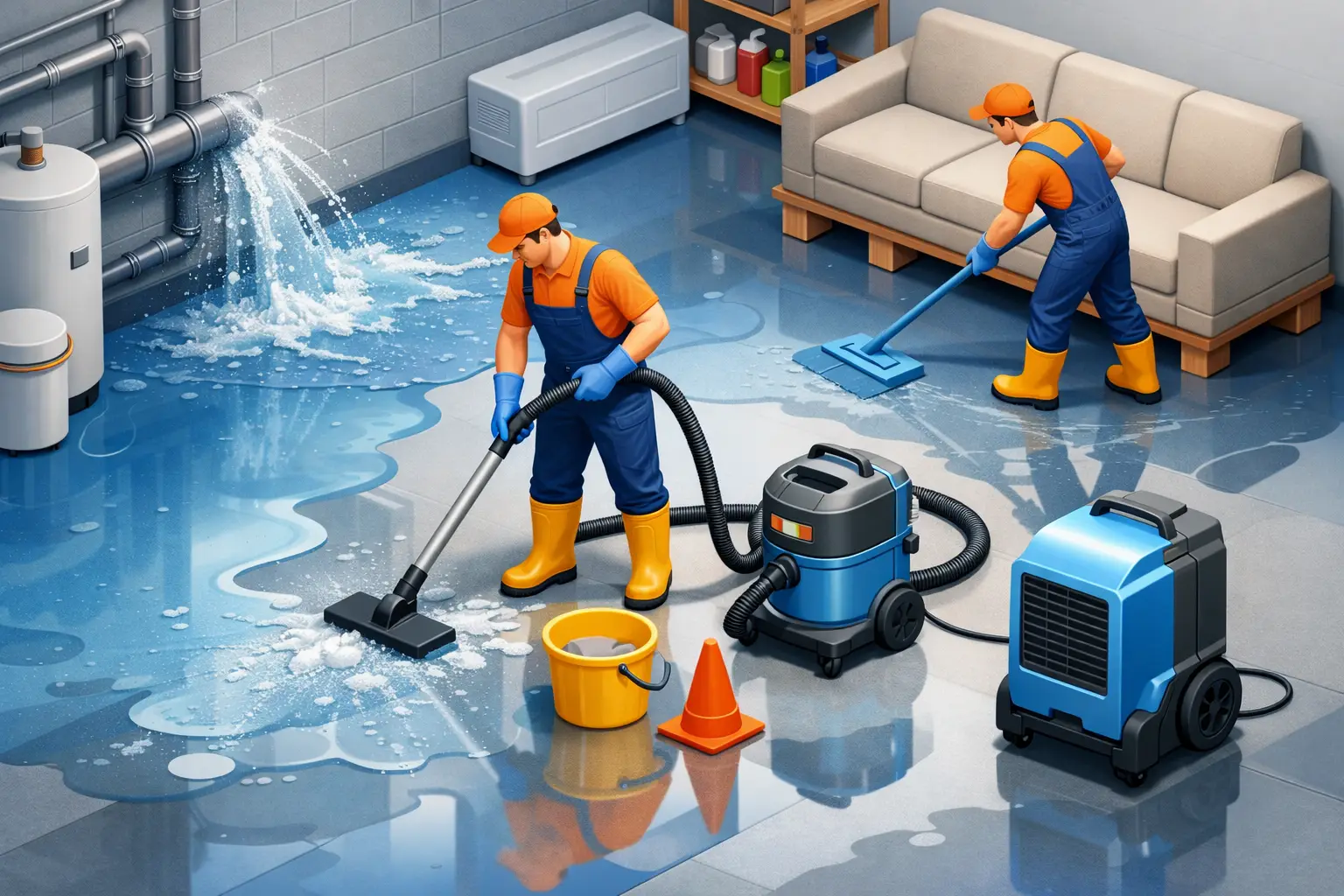
A burst pipe can turn into a serious property emergency in minutes. Water can soak flooring, damage drywall, reach insulation, and spread into areas you cannot see.
That is why burst pipe water cleanup should begin as soon as possible.
For homeowners, condo owners, landlords, property managers, and commercial operators, the first priorities are simple: stop the water, protect people, remove standing water, and begin drying before the damage spreads farther.
GTA Restoration provides 24/7 burst pipe water cleanup throughout Toronto and the GTA for residential, condo, multi-unit, and commercial properties.
If a pipe bursts, focus on safety and source control first.
Shut off the water supply if it is safe.
Keep people away from electrical hazards.
Move valuables away from the wet area when possible.
Take photos of the damage.
Call for emergency plumbing and water cleanup.
Remove standing water as quickly as possible.
Check for hidden moisture and begin structural drying.
In short, repairing the pipe is only half the job. The water that entered the building also needs to be removed and dried properly.
The first step is stopping the flow of water.
If the problem is isolated to one fixture, a local shutoff valve may stop the leak. However, if the source is unclear or water is flowing heavily, the main water supply may need to be shut off.
Next, think about electrical safety.
Water near outlets, appliances, light fixtures, electrical panels, or exposed wiring can create a serious hazard. Therefore, stay out of affected areas if electricity may be involved.
Once conditions are safe, move belongings away from the water.
Furniture, electronics, boxes, rugs, documents, and inventory should be moved when possible. This can help reduce additional damage while the area is prepared for extraction.
In addition, take photos and videos before major cleanup begins. These records may help with insurance reporting later.
Water rarely stays where the pipe broke.
Instead, it can travel:
Under flooring
Behind baseboards
Inside wall cavities
Into insulation
Under cabinets
Through ceilings
Into lower floors
Into neighbouring condo units
As a result, visible water may only represent part of the damage.
Fast extraction can help reduce how much water continues soaking into building materials. Meanwhile, moisture inspection helps locate areas that still need drying.
In winter, frozen plumbing is a common cause of pipe failures. Older pipes, weak fittings, corrosion, pressure issues, and poor insulation can also contribute.
Regardless of the cause, the response needs to address both the broken pipe and the water damage that followed.
A proper response often requires two things at the same time: source repair and water mitigation.
Emergency plumbing helps stop or repair the plumbing problem.
Water damage restoration deals with what happened after the water escaped.
Depending on the loss, the cleanup process may include:
Water extraction
Moisture inspection
Structural drying
Dehumidification
Removal of damaged materials
Cleaning
Moisture monitoring
Documentation
Repair coordination
This combined approach can reduce delays between stopping the leak and beginning the drying process.
Once the source is controlled, standing water should be removed quickly.
Professional crews use extraction equipment based on the amount of water and the surfaces involved.
A small bathroom leak may require limited extraction. In contrast, a flooded basement can involve a much larger volume of water and several affected materials.
The sooner bulk water is removed, the sooner the structure can begin drying.
However, extraction alone does not mean the property is dry.
Moisture can remain under flooring, behind walls, and inside building materials after the visible water is gone.
Hidden moisture is one of the main reasons burst pipe losses become larger than expected.
For example, water may travel behind drywall or underneath laminate before anyone notices it.
Professional technicians may use moisture meters, thermal imaging, and direct inspection to help locate affected areas.
These tools can help identify moisture in:
Subfloors
Wall cavities
Ceilings
Insulation
Flooring systems
Cabinet areas
Rooms below the source
As a result, the drying plan can focus on the actual affected areas rather than the visible stain or puddle alone.
After extraction, the next stage is structural drying.
Depending on the loss, technicians may use:
Air movers
Commercial dehumidifiers
Moisture meters
Humidity monitoring
Air filtration equipment when appropriate
Specialty drying systems
During this stage, technicians monitor moisture levels and adjust equipment as materials dry.
Different materials require different approaches.
For example, hardwood, drywall, concrete, insulation, and laminate all react differently to water.
Therefore, professional drying should be based on moisture readings rather than simply leaving fans in place for a set number of days.
Not every wet material needs removal.
Some materials may dry successfully if the water is clean and the response begins quickly.
For example, certain structural wood and hard surfaces may remain in place after proper drying.
However, other materials can swell, deteriorate, or trap moisture.
Possible removal items include:
Wet insulation
Damaged drywall
Carpet underpad
Swollen baseboards
Laminate flooring
MDF materials
Cabinet toe-kicks
Other damaged porous materials
The decision depends on how long the material remained wet, the amount of saturation, its condition, and whether contamination is present.
In addition, selective removal can expose wet areas and improve drying.
Burst pipes can become more complicated in condo buildings because water may spread into neighbouring units or common areas.
For example, one pipe failure may affect:
The unit where the leak started
The suite below
Shared walls
Hallway ceilings
Common elements
Building systems
As a result, restoration may require coordination with building management, residents, maintenance staff, and insurers.
Good documentation is especially important in these situations.
Moisture readings, photos, affected-area records, and clear communication can help track how far the water travelled and which areas require attention.
Commercial water losses also bring additional challenges.
Water may affect:
Inventory
Electronics
Office equipment
Tenant spaces
Customer areas
Mechanical rooms
Flooring
Business operations
In addition, the work may need to happen after hours or in stages to reduce disruption.
For this reason, commercial restoration requires both technical drying and good coordination.
A clear response plan can help protect the property while keeping as much of the business operational as possible.
A burst pipe can quickly become an insurance claim.
Therefore, documenting the loss early can be helpful.
Useful records may include:
Photos
Videos
Time the leak was discovered
Plumbing repair records
Moisture readings
Equipment logs
Material removal notes
Drying records
These records can help explain what happened and what emergency work was necessary.
However, restoration contractors do not decide insurance coverage.
Ultimately, your insurer determines coverage according to your policy, cause of loss, deductible, limits, exclusions, and endorsements.
Several mistakes can make the damage worse.
Water continues moving into building materials after the leak begins.
Therefore, waiting can increase the amount of drying and demolition required.
A floor may look dry while the underlayment remains wet.
Likewise, a wall stain may hide moisture inside the cavity.
For this reason, surface drying alone may not be enough.
Air movement can help in a small clean-water incident.
However, larger losses also need humidity control and moisture monitoring.
Otherwise, fans may simply move damp air around the property.
Repairing the broken section solves the immediate plumbing problem.
However, frozen lines, pressure issues, corrosion, poor insulation, or aging plumbing may create another failure later.
Therefore, the cause should also be reviewed after the emergency is under control.
Prevention cannot eliminate every plumbing failure, but it can reduce the risk.
Consider:
Insulating exposed pipes
Keeping vulnerable areas heated
Inspecting aging plumbing
Repairing small leaks early
Knowing the location of the main shutoff
Checking vacant properties regularly
Preparing plumbing systems before extreme cold
Property managers and landlords should also make sure building staff know where shutoff valves are located.
In addition, emergency access procedures should be clear before a problem happens.
If a pipe has burst right now, use this checklist:
First, shut off the water when safe.
Keep people away from electrical hazards.
Move valuables out of the affected area when possible.
Take photos before major cleanup begins.
Call for emergency plumbing if the source needs repair.
Arrange water extraction as soon as possible.
Finally, have the affected areas checked for hidden moisture.
If standing water is near electrical systems or there is another immediate life-safety hazard, contact emergency services or the appropriate utility first.
For non-emergencies use our contact form
Do you need water removal services for your home or business? Are your floors, walls, furniture, or other areas affected by flooding or water damage? GTA Restoration provides professional water removal, drying, cleanup, and restoration services. Acting quickly can help reduce permanent property damage and lower the risk of mold growth. The longer water remains untreated, the greater the potential for additional damage.
GTA Restoration uses professional moisture-detection technology, restoration equipment, and years of industry experience to identify water damage and locate hidden moisture. Specialized equipment allows our technicians to inspect many affected areas without unnecessary demolition, helping determine the extent of the damage before restoration work begins.
We understand that situations involving biohazard contamination in your home or business can be difficult and require professional attention. GTA Restoration provides dependable and experienced biohazard cleanup and remediation services for residential and commercial properties. For information about disaster restoration and recovery, visit the disaster restoration resource. For immediate assistance, contact GTA Restoration at (800) 506-6048.
Nationwide, Local Pricing
GTA Restoration offers local flood & water damage repair, mold removal/remediation, asbestos removal/abatement, fire/smoke damage repair services and much more.
Search
For Tips on Water Damage and Emergency Plumbing
We Work Direct with All Insurance Companies
Wᴇ ᴀʀᴇ ᴄᴏᴍᴍɪᴛᴛᴇᴅ ᴏɴ ᴡᴏʀᴋɪɴɢ ᴡɪᴛʜ ᴇᴠᴇʀʏ ɪɴsᴜʀᴀɴᴄᴇ ᴄᴏᴍᴘᴀɴʏ ᴀᴄʀᴏss Cᴀɴᴀᴅᴀ & USA.
Learn more ↴ 
RELATED ARTICLES
follow us on 




Our Clients

Affiliates

Call Us 416-800-0000
Emergency? Immediate response 24/7
We cover all GTA 24/7.
Head Office:
250 Consumers Rd,
#10
Toronto, ON
M2J 4V6,
Open 24 hours
Downtown Office:
1 Toronto St,
#10
Toronto, ON
M5W 1A1,
Open 24 hours
For non-emergencies use our contact form
Not sure what you need?
Call us today to find the best product for your situation.
Head Office:
101 Lebovic Ave,
Unit #10
Scarborough,
ON, M1L 4T7
Hours
24-Hours Open
Downtown Office:
250 Yonge Street,
Unit #1A
Toronto,
ON, M5B 2L7
Hours
24-Hours Open
Burst Pipe Water Cleanup Done Fast
Get a quote today


You must be logged in to post a comment.